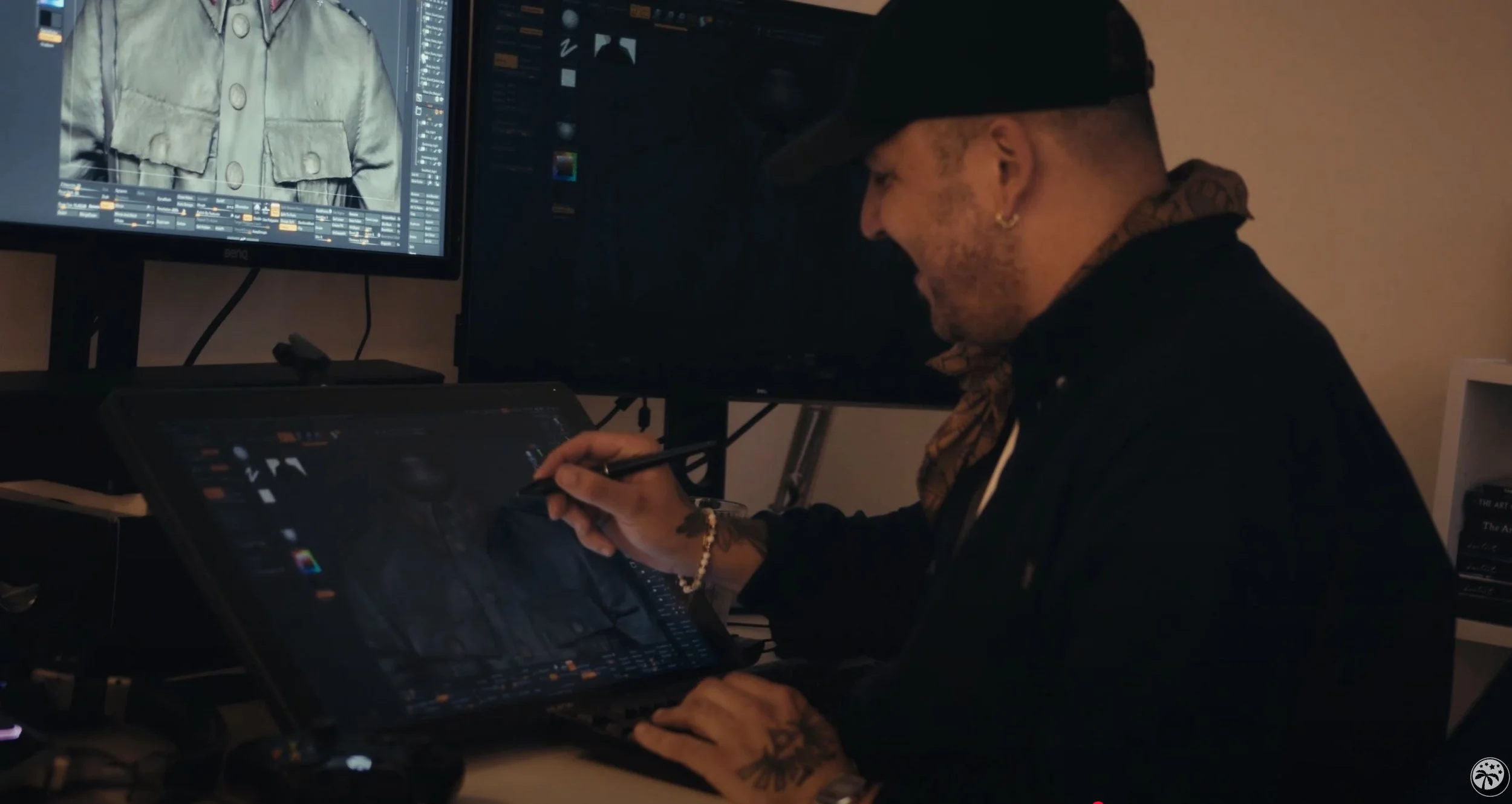
People often assume gaming has nothing to do with the real world, but anyone who has spent years in competitive matches, long strategy campaigns, or complex RPG systems knows that games quietly shape the way we think. Funny enough, many people who eventually dive into digital entrepreneurship — whether launching products, joining tech startups, or even researching something like How to Open an Online Casino in 2025 — realise that their earliest lessons in strategy, risk, and decision-making actually came from games, not boardrooms. And the more digital our world becomes, the more those gaming instincts start to feel like real-world superpowers.
Decision-making under pressure is the clearest example. Games constantly force players to act fast, adapt instantly, and accept that waiting for perfect information usually means losing the moment. Businesses work exactly the same way. Opportunities rarely sit still. Gamers learn early on that progress comes from taking smart action, not freezing until every variable is certain.
Resource management is another skill gamers don’t give themselves enough credit for. In games, you’re always juggling something limited — gold, ammo, materials, energy, cooldowns. You make trade-offs, prioritise, and optimise based on the situation. That’s basically the foundation of every business budget and growth strategy. Good players naturally understand how to maximise impact with limited resources.
There’s also long-term planning — something strategy games arguably teach better than most business courses. Whether you’re building a civilisation or planning a raid, you learn to think several steps ahead, anticipate obstacles, and prepare backups. Companies depend on exactly this kind of thinking: designing systems that scale, spotting future risks, and building for tomorrow instead of reacting to today.
And then there’s risk. Games normalise it. Not reckless, random risk, but calculated risk — the kind that makes the difference between winning and losing. You learn to weigh probabilities, timing, and potential outcomes. That mindset shows up everywhere in modern business, from product decisions to investments to digital platform development.
Teamwork is another hidden gift. Coordinating a raid, leading a squad, or calling plays in a tight match requires communication, trust, and awareness of everyone’s role. These are the exact skills that make someone a strong leader or collaborator at work.
But the biggest overlap might be resilience. Games train people to fail — constantly — without quitting. You wipe, you restart, you learn, you adjust. In business, this is everything. Setbacks are normal. Adaptation is survival.
The interesting part? None of these lessons feel like lessons when you’re playing. You’re just enjoying the game. But over the years, you’re building a mindset that handles pressure, learns patterns fast, solves problems creatively, and keeps moving forward after failure.
As the digital economy grows and more careers start looking like fast-paced strategy games themselves, it turns out gamers weren’t “escaping reality” at all. They were preparing for it.





![Quick Review: Kingdom Hearts Collection [I~III] for Switch 2](https://images.squarespace-cdn.com/content/v1/55ef0e29e4b099e22cdc9eea/1791205158284-G24PM3R7M321U5QO2UPE/khndndns01.JPG)