Top 5 Arcade Games That an Entire Generation Grew up On
Arcade games were the first widely recognized form of digital entertainment and had become extremely popular during the 1970s and 1980s. Although early coin-op arcade games were very basic, they were also incredibly captivating. For a time, they could be found in all types of public establishments. Since then, there have been many articles about arcade game history, but few have analyzed the historical gaming significance of classic arcade games and their lasting impact on popular culture.
Space Invaders: The Invasion That Started It All
Space Invaders was developed and distributed by Taito in 1978. Players use a laser cannon to fire at a sequence of invading aliens, and this process leads to an increase in engagement with the player as well as an increase in the rate at which the arcade operator earns money from his business, because of the quicker pace of the game. Classic arcade games are now available to be played on mobile devices.
Players in Bangladesh have the opportunity to play in themed retro tournaments by download MelBet app, enabling fans to see who has the highest score, replay their favorite classic titles, and compete in daily challenges that are designed after classic arcade games such as Space Invaders and Pac-Man. The MelBet app is easy to download and works with both iOS and Android operating systems. Daily rewards are provided to players, and simple and secure methods are used to allow players to deposit funds and withdraw balances from the app.
Key gameplay features:
Fixed base movement with left and right controls.
Progressively accelerating wave of adversaries.
Shield barriers that degrade during a fire exchange.
High score bonus saucer that appears and then disappears.
Asteroids: Vector Graphics and Limitless Space
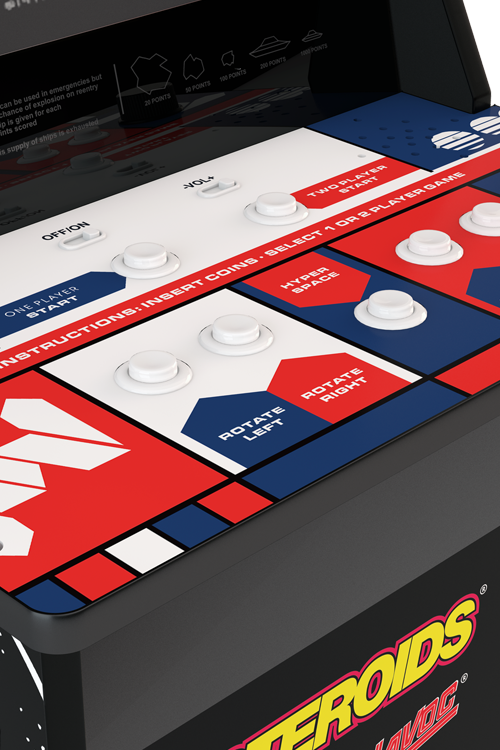
In 1979, Atari released Asteroids, in which the player takes control of a ship that rotates and thrusts into an asteroid field, tasked with destroying the rocks and flying saucers. The game utilized vector display technology, which rendered graphics in glowing, sharp visuals that differed from raster graphics.
Atari sold over 70,000 cabinets and generated roughly $150 million in hardware sales, while arcade operators earned $500 million from coin-operated Asteroids. Bangladesh’s most arcade-style MelBet apk connects nostalgic players with modern VR remakes and smooth mobile gameplay, offering optimized visuals, local wallet integration via bKash and Nagad, and quick access to score-based leaderboards. These features bring the excitement of classic space battles to today’s portable screens and help bridge generations of gamers.
Pac-Man: The Maze-Chasing Phenomenon
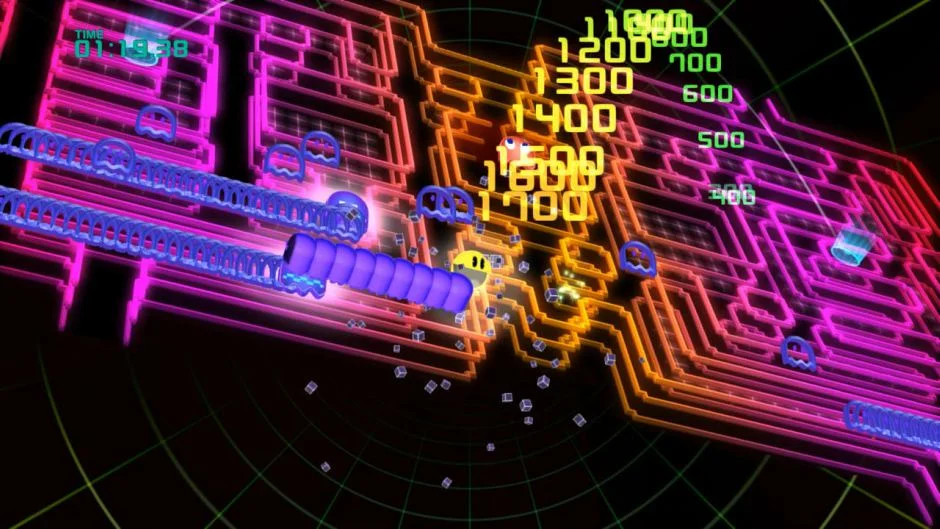
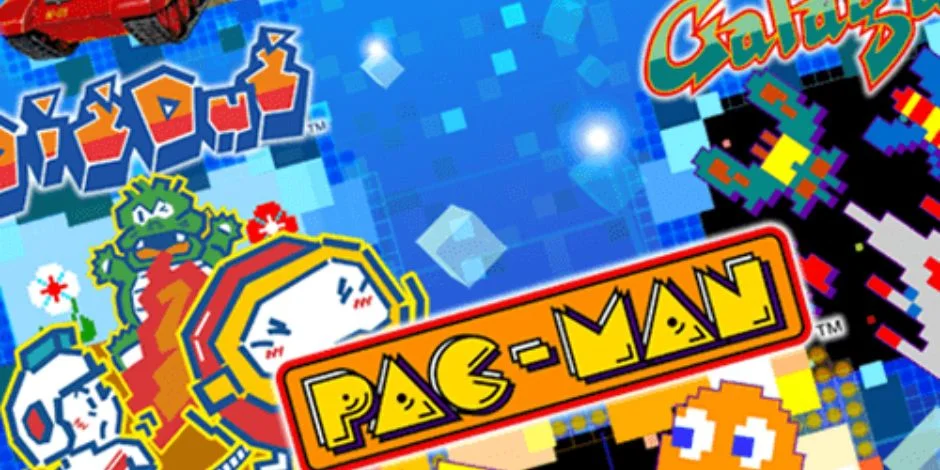
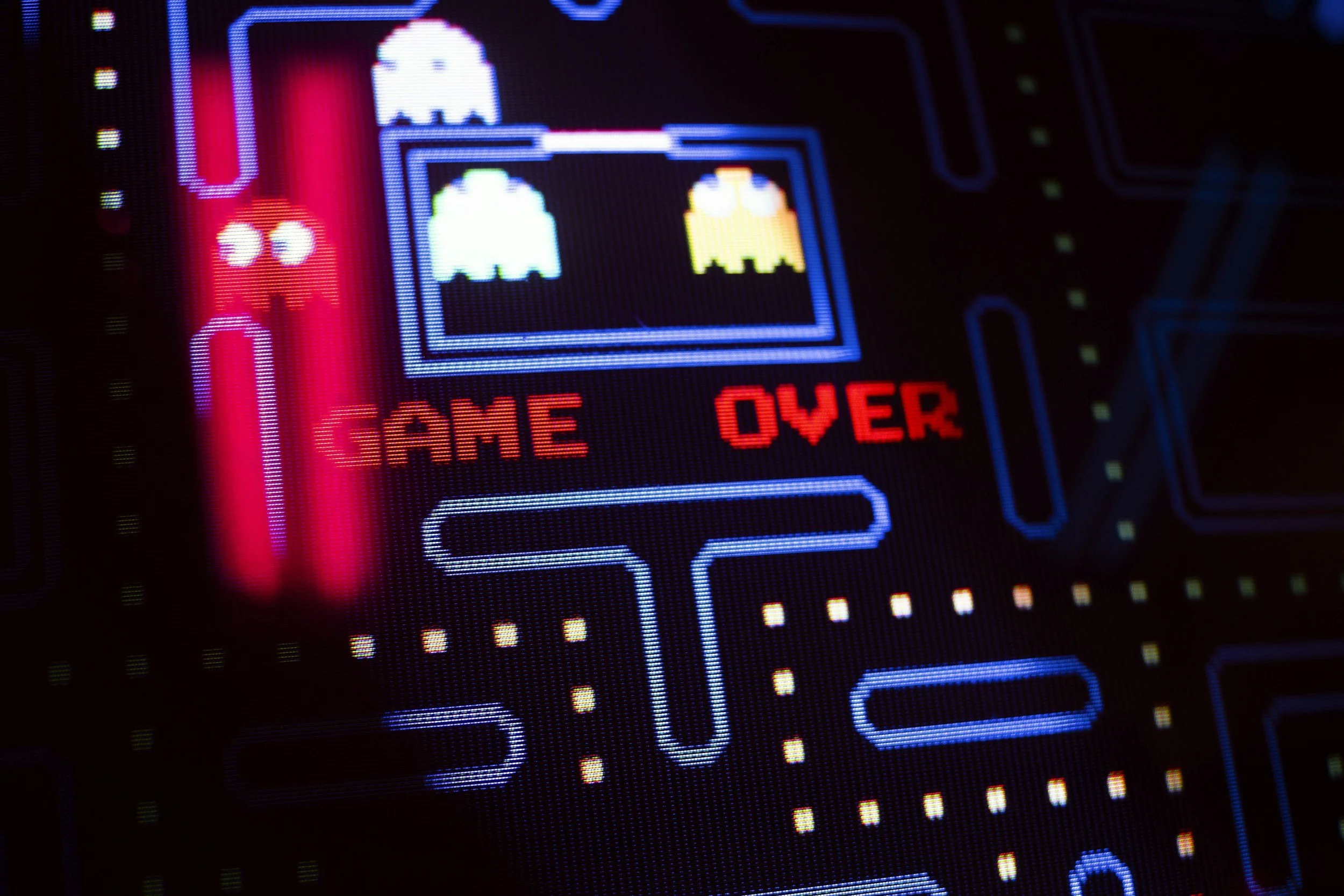
Pac-Man, created by Namco in 1980, features a yellow character who runs around a maze eating dots and avoiding ghosts. The game innovatively incorporated pattern design gameplay and strategy, utilizing power pellets that allowed the player to turn the tables on the ghosts temporarily. By 2016, it had sold 400,000 arcade cabinets and generated $ 14 billion.
Pac-Man was a pioneer of its time, featuring character-driven gameplay that shifted the focus from the then-common games centered on shooting. This indicates that the primary game mechanics have remained consistent to the present day.
Donkey Kong: Platforming and Narrative Innovation
In 1981, Nintendo released Donkey Kong and Jumpman, who would later be known as Mario. The player must complete multi-level arcade gameplay by avoiding barrels and performing jumps to rescue a damsel in distress.
This was also the first time the player was required to use precise timing to set levels of the game and perform actions, establishing new arcade gameplay. In the US, it sold around 67,000 arcade cabinets, allowing Nintendo to enter the North American market fully.
Galaga: Shooter Game Edition
Galaga, Namco’s sequel to Galaxian, focused on refining space shooting. Galaga introduced enemies that resembled insects. Enemies on the screen dived at you, forming a specific pattern that presented a strategy to the game. One of the game mechanics that really captured the player's attention was the ability to capture enemies, thanks to the upgraded game mechanics. You could capture and dual-wield ships, dramatically increasing your firepower.
Ms. Pac-Man: More than the Same
Ms. Pac-Man was released in 1982. Like the original, it was developed by General Computer Corporation, but published by Midway. In addition to the quicker gameplay and new maze layouts, Ms. Pac-Man also offered the random ghost movements that would become a staple for the Pac-Man franchise, as well as a female protagonist, giving the franchise its first real form of variation. To date, the series has grossed over $1.2 billion in revenue, with more than 125,000 arcade units sold.
The Rise of Competitive Fighting Games: Street Fighter II
Capcom created and released Street Fighter II in 1991, and the rest of history followed. Each player selected from eight possible players and fought individually, because each player had his or her own set of special moves. As players mastered the game and attempted to create the longest combinations and achieve the highest scores, a competitive community emerged through tournaments. Today, Street Fighter II is known as the first fighting game to commercially generate billions of dollars in revenue (more than $10 billion).