Every year, tons of games drop across platforms, but only a handful keep their shine well past the release date. Some titles grow a very devoted community that lasts for years, while others fade away despite strong initial sales. That staying power isn't accidental. It comes from deliberate design choices that line up technology, psychology, and what players expect.
For a tech-minded gaming audience, unpacking why some games endure illustrates how systems, mechanics, and player behavior intersect. It's not that great games simply entertain once; they create a reason to come back.
Core Mechanics That Stand the Test of Time
At the heart of every enduring game is a core loop that satisfies over the long haul. This is what players repeat and through which the game rewards them. When the loop is intuitive, responsive, and adaptable, it holds up against fatigue.
Think of genres where the basics are easy to learn, but mastery takes time. Shooters with tight gunplay, strategy games with deep decision trees, and platformers with tight movement all illustrate this. Even as graphics age or trends shift, solid mechanics keep the experience enjoyable.
From a technical standpoint, responsiveness is just as important as design. Low input latency, steady frame pacing, and predictable physics directly shape how a game feels. When systems behave reliably, players place their trust in the experience.
Progression That Feels Deserved
But of all the many powerful levers driving long-term engagement, progression is arguably the most powerful: only when it grants due respect to player agency. Games that endure avoid artificial barriers serving only to throttle progress in order to artificially extend playtime.
Instead, progression should relate to skill development, finding out something, or making meaningful choices. It counts as earned when the unlocking of new abilities, strategies, or content feels like it's reflecting effort rather than mindless grinding.
This can be seen in many places in a digital experience. Games of chance and pacing keep users engaged by making sure that the outcomes are clearly communicated with structure.
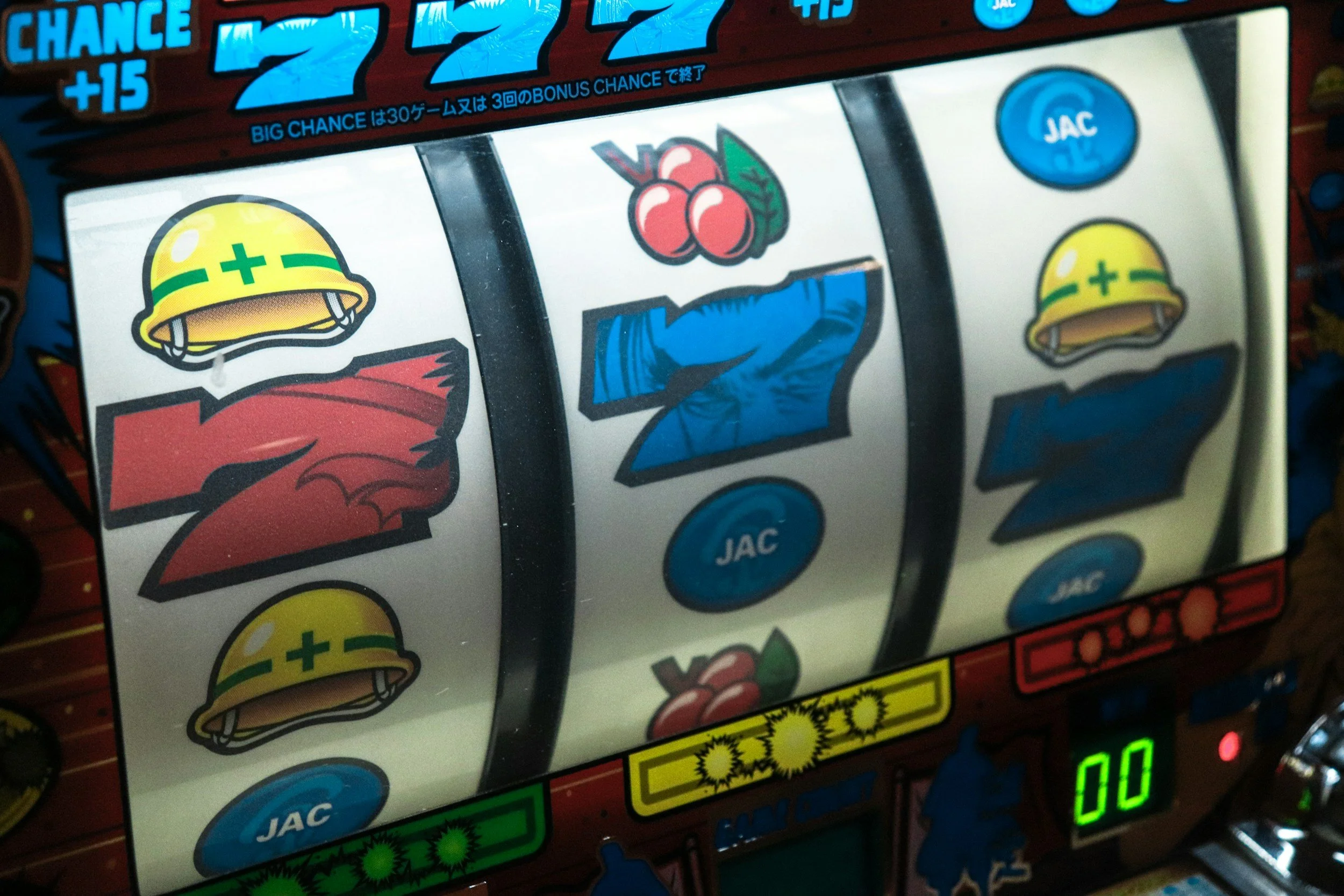
Examples include well-known sweet bonanza slot games, which drive retention with clarity and reward cycles. It's one of those universal takeaways: players remain invested where progress is transparent and equitable to them.
Variety Without Losing Its Voice
A consistent blend of diverse content keeps the burnout at bay, but having too many options obscures a game's core identity. The best titles find their middle ground: expanding what you can do without losing the heart of the experience.
Games with live services tend to nail this by adding fresh modes, maps, or events that build upon rather than replace what's already there. In single-player games, the same idea shows up in optional challenges, extra side content, or alternative ways to play.
Technically speaking, you're looking at modular design. The systems need to be adaptable enough to support new content without disrupting the balance or performance. Games that scale well are easier to update, optimize, and maintain, and that directly boosts their longevity.
Social Systems That Extend Engagement
The staying power increases multifold with features of multiplayer and social networking. Even small-scale social touches like leaderboards, shared challenges, or user-created content may reshape how long players will stay invested.
The competitive ecosystems thrive on this very principle. Rankings, seasons, and matchmaking provide players with goals in the long run that change over time. Cooperative features foster repeat play through shared progress and social accountability.
From a system's perspective, solid netcode, fair matchmaking, and scalable infrastructure are key. Technical hiccups in these areas quickly erode trust and shorten a game's lifespan.
Aesthetic Consistency and Audio Design
High-end visuals aren't a guarantee of durability. What really counts is a consistent aesthetic that remains readable and expressive, independent of hardware generations.
Oftentimes, stylized art ages better than highly realistic visuals. Distinct silhouettes, consistent color schemes, and a strong visual language make it easy for players to instantly understand what is happening. Audio design reinforces clarity with immediate feedback through sound cues, music, and environmental effects.
Memorable soundtracks or iconic audio signals stick in a player's memory, attaching themselves to long-term attachment through subtle but powerful means.
Respect Player Time
Respect as the foundation for sticking power is easily overlooked. Games that respect player time can use that as an opportunity to build player loyalty.
Rapid loading, flexible save game options, reasonable session times, and optional content can make a big difference to the perception of the game working with the player rather than against them. From a technical standpoint, it is as important as any high-profile addition to focus on optimization.
Players will inevitably return to games that fit easily into what they already do, whether their playing session is ten minutes long or a couple of hours.
Longevity: Engineered, Not Accidental
Great games are great because they are made with care. Good mechanics, good progression, scalable elements, and stable technology are the foundation. Then add caring updates, community engagement, and stability, and people stay engaged.
"Sticking power has nothing to do with following current trends," he continues. "It's all about understanding what matters to gamers and delivering that in an exemplary manner through proper game design and sound technology." Industry trends come and go.
The key in this industry that allows titles to stick around for the long term is when a game gets the fundamentals right.