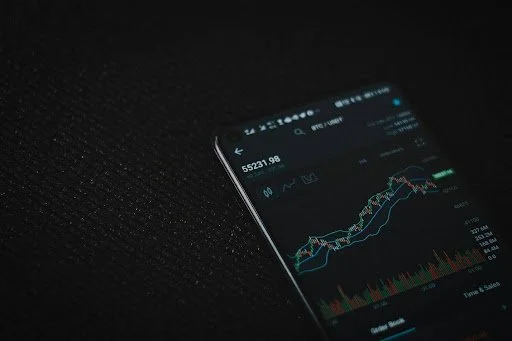
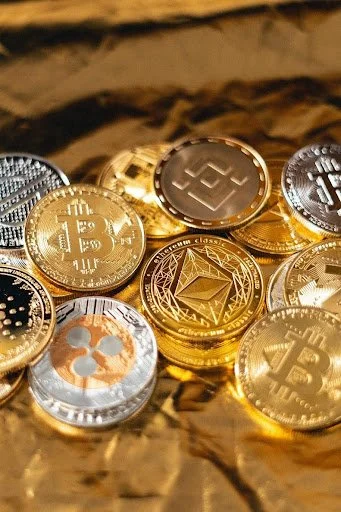
Cryptocurrencies are known for the swiftness with which their prices change, with the fluctuations and volatility being among the chief reasons why the marketplace hasn’t enjoyed more widespread adoption until this point. Many investors are naturally worried about the possibility of losing more money than they gain, something that would naturally be very detrimental to their long-term financial security. But despite the potential risks, many investors were nonetheless attracted to decentralized assets due to the lucrative opportunities they promise, their ability to retain value over the long term, and their fundamental differences from traditional peers.
Traders are always looking for the latest ADA price prediction figures (as this altcoins have become increasingly popular over the last few years), as well as all the other metrics pertaining to engagement rates, volume, and historical data that could help them determine whether buying or selling is a good idea or not at the time. Since the market is entirely decentralized, though, it is you who must be responsible for the security of your assets. Cyber assets and tokens are highly coveted by hackers, who know that they can extract them with no repercussions, and that recovering them is pretty much impossible due to the nature of the blockchain.
However, ensuring your safety and security on the blockchain isn’t impossible. You just need to be aware of the hazards and act accordingly.
Phishing
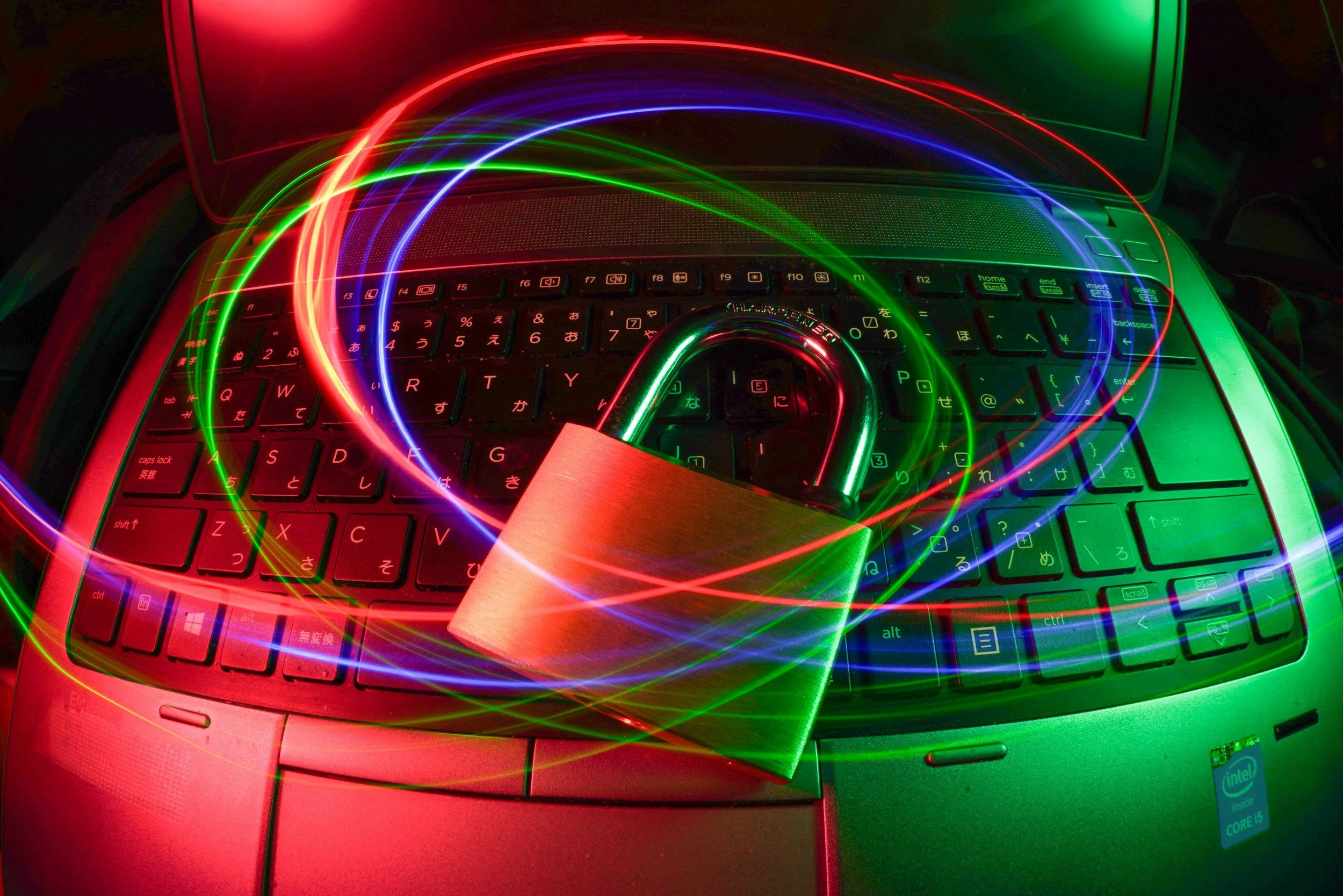
Phishing scams are one of the most popular methods scammers use in order to extract personal information or money. While a few years ago you could still believe that most of these attempts would be easier to recognize due to the presence of spelling errors and wonky graphics, things have changed since then. Phishing can be done so well nowadays that it can be nearly impossible to figure out what’s wrong sometimes, especially since many hackers have turned to using artificial intelligence in order to make their scams more compelling.
You might receive an email that appears to have been sent by an actual exchange or trading platform, instructing you to take immediate action to avoid your account being closed or the potential of dealing with penalties of any kind. The data you’re typically asked to share pertains to your login or banking information. Having these credentials, the scammers can then access your accounts and your funds. The reason why these scams work is that they’re based on natural emotional responses. They scare you and get you to act impulsively, before you’ve had the chance to figure out what’s even going on.
It's important to remember that service providers would never ask you to share that type of information. Refrain from acting immediately, and if you’re genuinely not sure if an email or message is legitimate or not, check first. Get in touch with the customer service and inquire about what you’ve received. If they confirm that it was them, you can proceed, and if it turns out that it was a phishing attempt, they can inform all their users to be vigilant. This brings us to the second point, which is:
The customer support
Customer support is the feature that you should feel safe relying on at all times. If you can’t trust this service, then your trading experience will be impacted as well. Scammers can and do impersonate customer support representatives in order to steal assets or credentials. Social media, fake websites, and emails are used for this purpose, and the hackers will claim that they’re trying to solve an issue they’ve noticed with your account.
Some users were tricked into revealing their seed phrases, an incident that resulted in the theft of all assets in their wallets. Unsuspecting customers can be lured in very easily, and even though you might believe that there’s no way this could happen to you, it is essential to be careful. Make sure to only contact customer support through official channels, as there’s no reason why they would even use anything else, and don’t share sensitive information with them.
Social engineering
Social engineering is a concept that refers to the use of psychological influence in order to get people to divulge confidential details or perform actions that benefit the attackers. It has become a legitimate concern among cybersecurity experts, who have noticed its growing incidence and the damage this method can cause. Scammers can pretend to be anyone, from company executives to friends. Some can actually work to build a relationship with their victims, convincing them that they’re trustworthy and that they can confide in them.
Some scammers even pretended to develop romantic feelings for the people they went on to steal from, earning their trust and getting them to share their information under the pretense of creating joint crypto accounts. Be careful who you trust online and remember that people may not be what they seem.
Safe platforms
Conducting traders outside the secure environment of an exchange has a high likelihood of leading to fraud. In fact, make sure to check the exchanges and platforms you use before creating your account as well. Since the demand for cryptocurrencies has been growing, the number of fake platforms has increased as well. Many of them will try to get you to complete transactions via apps and websites such as WhatsApp or Telegram.
The exchanges guarantee your safety and security, so never complete transactions on a different website. In fact, needing to do so should be regarded as an immediate red flag and convince you to find a different exchange. Some of the other schemes you need to be aware of include rug-pulls and pump-and-dump attempts. The former refers to the creation of a new token whose value is artificially increased via marketing, only for the developers to pull the rug and disappear with the money that the investors provided.
Pump-and-dump schemes are similar, but the artificial inflation of the prices is created via misleading statements, with the subsequent selling causing considerable losses for the investors.
If you’re an investor yourself, remember that being attentive can save you a lot of trouble. Do your research before choosing a platform or investing in a token so that you don’t deal with trouble in the long term.