The fact that gaming globally is grossing more revenue than the movie industry says a lot about its future. The expansion isn’t surprising when you consider the addictive part that all games share.
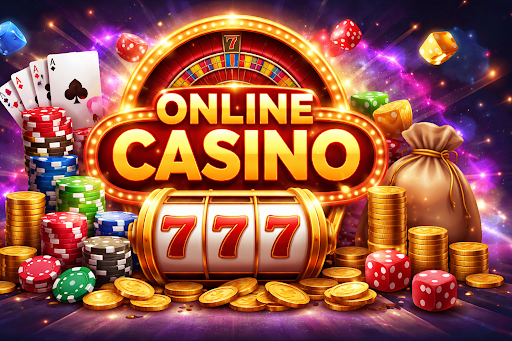
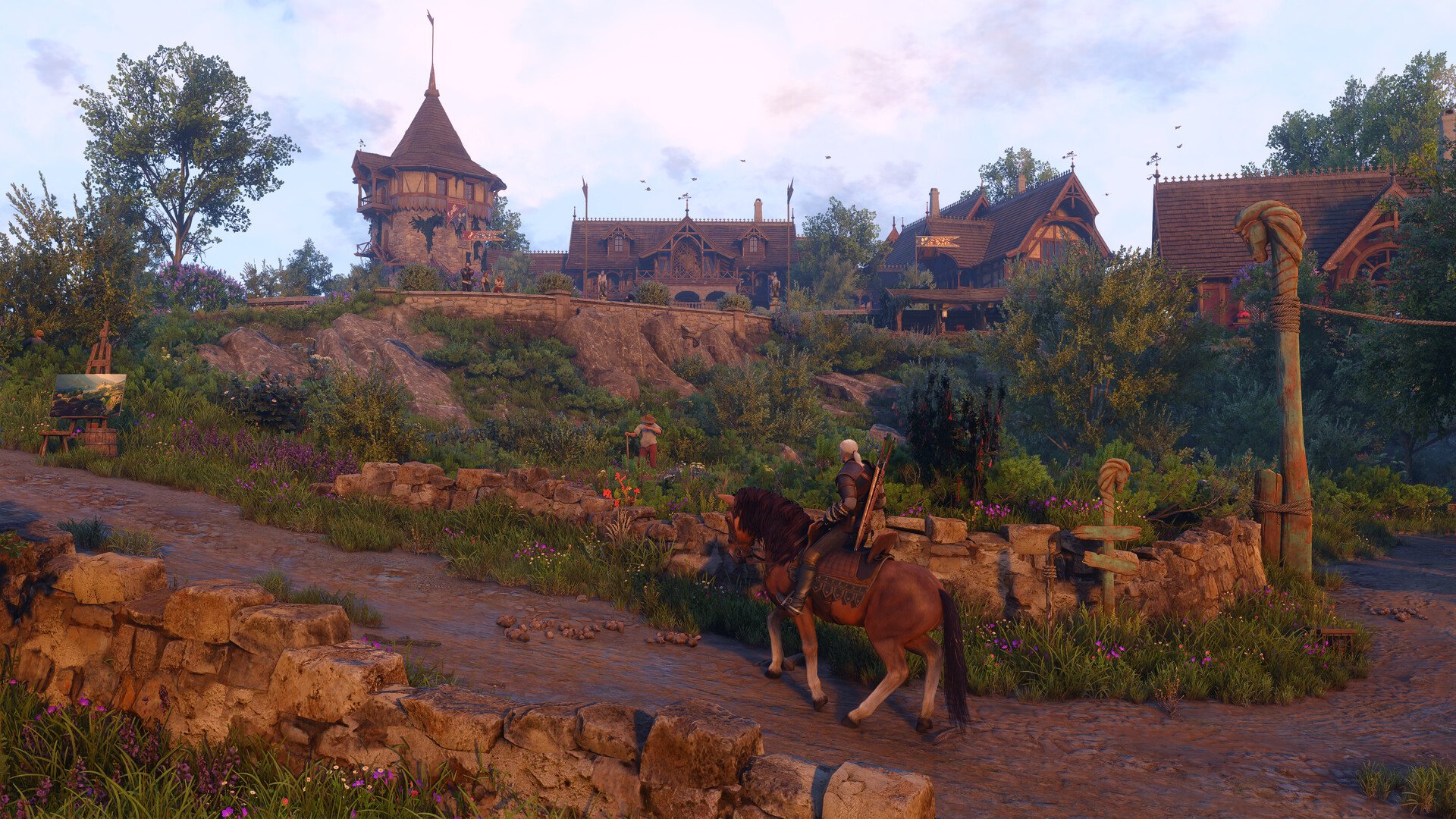
No matter what genre we’re talking about, all games share that addictive element that keeps players returning. This applies to games that the best casino Ireland has to offer, RPG titles, first-person shooters, MOBA games, and open-world games such as recently remastered Oblivion, Witcher, or GTA 5.
Let’s explore these elements and explain what makes a game addictive.
Progress That Feels Constant
The concept of leveling has been at the core of role-playing games ever since they were created. This mechanic is at the core of what makes a video game addictive. As players keep playing, it creates a sense of achievement and carries some degree of competitiveness when they compare themselves to other players.
This type of game mechanics keeps the players coming back for more. It was so powerful that the mechanics were transferred to practically all games out there. In non-RPG games, it comes in the form of unlocking achievements and leveling to unlock special skins and other in-game cosmetics. All this shows the world how dedicated you were, allowing you to reach elite status in the gaming community.
Unpredictable Rewards
RPGs quickly rose to popularity because of item mechanics and trading systems that were present in the game. The rules are simple: each time you defeat an enemy, there’s a chance that you might get the most powerful item in the game, or get nothing. Repeat this enough times, and you’ll have one of the most powerful characters in the game. Diablo series is among the pioneers in the space, being so addictive that players keep returning to the franchise’s iconic Diablo 2 game.
Unpredictable rewards are among the most addictive elements in modern games, and it’s what primarily keeps players coming back for more. They simply want to try their luck.

Pressure to Keep Up
A huge percentage of gamers are competitive, and plenty of game mechanics were created to support those who want to compete. At the same time, this is what keeps the players coming back to play the game. The most popular models are:
Leaderboards - Competitive games use leaderboards for different in-game achievements to keep players returning to the game. The higher their score, the further they climb the leaderboards and defeat others.
Unique Ranks - Competitive play in some games allows you to reach a certain status, shortening the circle of competing players. As you make progress, you become eligible to compete with players of the same rank, and only the best ones can reach extremely rare ranks.
Seasons - Some games quickly become repetitive, and the only way to keep players returning is to reset the progress made. Players don’t lose their achievements, but launching a new season creates a more relevant event that keeps players coming back and enjoying the new theme of the season.
Stories That Pull You In
Some games combine multiple elements to keep players glued to the screens, but they also rely on one more thing - storytelling. The perfect example is Cyberpunk 2077. It managed to turn around a disastrous launch thanks to its remarkable storytelling. Even though the game was plagued with game-breaking bugs and instability issues, players still played through because of its gripping story. As the studio put in additional effort to patch the game, it quickly became one of the most popular titles globally.
It shows how a powerful story can keep people playing despite having a buggy game.
Events You Can’t Miss
Time-limited content keeps players checking in regularly. Perfect examples are daily events, bonuses, and promos that permit players to claim different types of rewards just for showing up and doing a quick task.
Games like World of Warcraft have these game mechanics in place in the form of daily quests. By staying active, you get to claim unique rewards and benefits that other inactive players are unable to receive.
This creates a sense of urgency and forces players to sign in regularly to meet the event's requirements. This is what makes a mobile game addictive, as developers use this mechanic for mobile games most of the time.
Design That Triggers Habit
Overall, the game design wants players to have an amazing experience when they’re in it. That applies to visual and audio elements mixed with great pacing. Creating these unique settings makes the whole gameplay experience much more immersive. The end results are happy players who want to enjoy this type of gameplay once again.
Game design has a massive effect on its replayability. The better they are, the higher the chance that the player will become addicted and return to them.