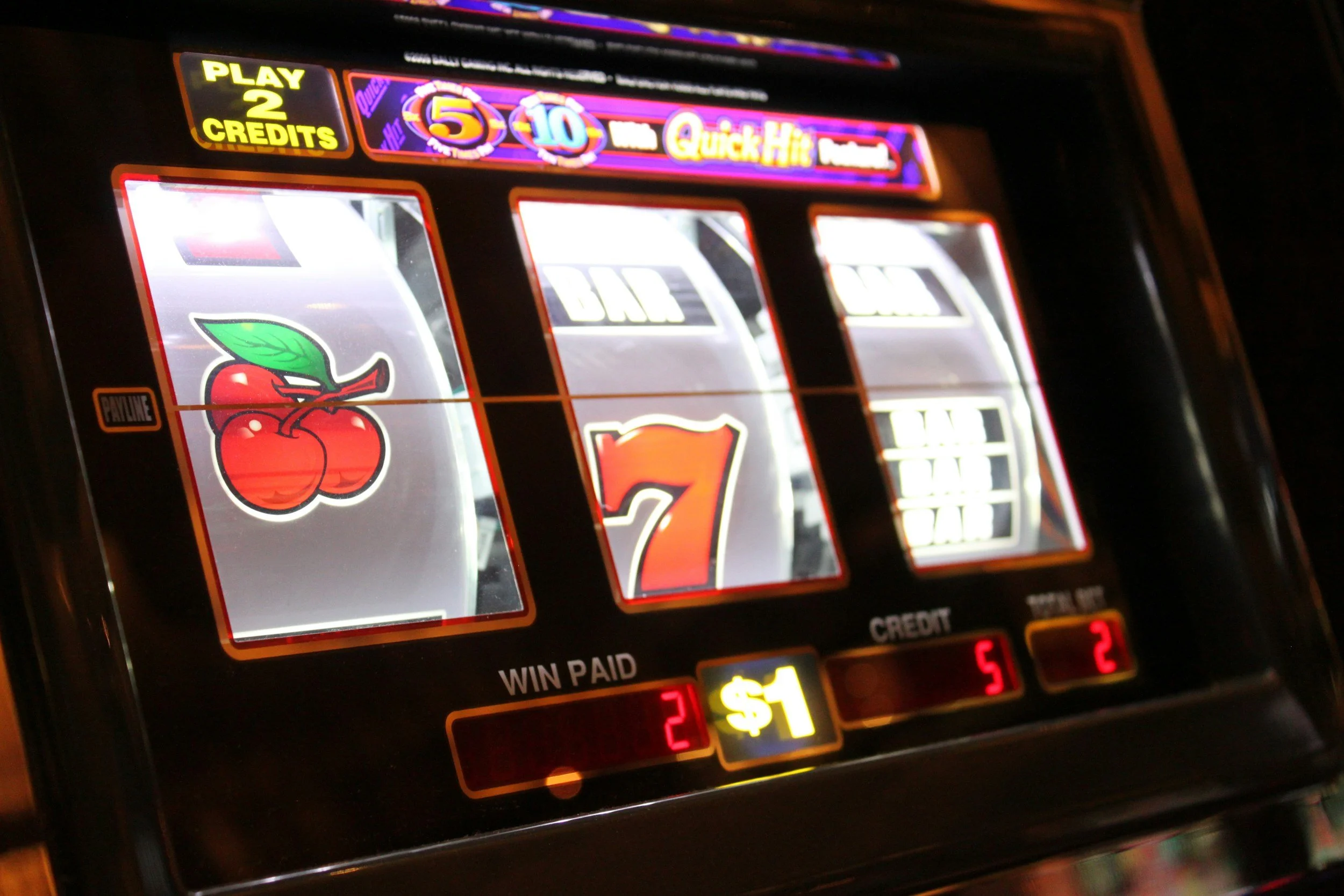
A slot can keep flashing wins while the balance keeps getting smaller. Another can sit quiet for ages and suddenly produce a much larger result. Neither behavior is explained by the theme on the reels. Pirates, mythology, fruit, or sci-fi artwork can sit on top of almost any mathematical setup. The useful clues are elsewhere: RTP, volatility, hit frequency, symbol values, and feature rules. These numbers will not tell anyone what the next spin will do. They can, however, explain why a game feels the way it does once the opening animations are out of the way.
Start with the information screen, not the artwork
When browsing games on a site such as SpinCompass, it is easy to choose by screenshots first. That is fine for finding a theme, but it says little about the actual behavior of the slot.
Open the game information instead. There may be an RTP figure, a volatility label, a list of symbols, and rules for bonuses. Those details are far more useful if the question is whether the game tends to produce lots of small events or leaves larger gaps between them.
This is similar to checking stats before choosing equipment in another game. The skin tells you how something looks. The numbers tell you what it was built to do.
A 96 percent RTP is not giving you 96 percent back tonight
RTP gets misunderstood because the percentage looks personal. It is not.
If a slot has a theoretical RTP of 96%, the figure comes from the game's mathematical model across an enormous number of plays. It does not divide every £100 session into £96 returned and £4 lost. One session can finish far below that figure. Another can finish above it.
That makes RTP useful for comparison, but poor as a short-term forecast.
A difference between two published RTP settings can tell you something about their long-run design. It cannot tell you which game will pay on a particular evening. Random outcomes do not rearrange themselves to make one player's session match the published percentage.
Volatility is easier to notice than RTP
Players often feel volatility before they ever look up what it means.
A lower-volatility slot tends to spread more of its payouts across smaller, more frequent results. A higher-volatility game can concentrate more value into outcomes that appear less often. That is why the second type may burn through a run of spins with very little happening and then behave completely differently on another stretch.
Think of volatility as the shape of the ride rather than the size of the house edge.
Two titles could have similar RTP figures and still feel nothing alike. One may keep producing modest combinations. The other may save more of its potential for rarer features or stronger symbol combinations.
That distinction is useful before playing because it sets a more realistic expectation for how uneven the session may become.
The paytable can answer questions the reels cannot
The paytable looks boring compared with a bonus animation, yet it often explains the game in under a minute.
Before playing, it is worth checking:
Which regular symbols pay the most.
What the wild can and cannot replace.
Whether scatters pay directly or trigger a feature.
How many matching symbols are required.
What activates free spins or another bonus.
Whether multipliers or maximum payout limits apply.
There is another detail worth noticing: where the game appears to place most of its attraction.
Some slots have meaningful base-game combinations. Others lean heavily on bonus rounds. A game may advertise a huge maximum win while making the route to that result extremely narrow.
The paytable does not reveal what will happen next. It reveals what is possible and what has to happen first.
A lot of winning spins can still mean a losing stretch
Hit frequency sounds more reassuring than it should.
The figure relates to how often a winning outcome occurs. It says nothing by itself about whether those wins cover the stake.
Imagine several £1 spins producing returns of 20p, 40p, or 70p. The screen may celebrate each one as a win, but the balance is still moving downward. That is why a slot can feel active while the player is losing overall.
This is also why hit frequency and RTP should stay separate in the mind.
Hit frequency concerns how often winning combinations arrive. RTP concerns theoretical return over extensive play. Volatility concerns how those returns tend to be distributed. Each stat describes a different piece of the machine.
The game gets easier to read once the stats stop competing
There is no single number that tells the whole story of a slot.
RTP does not predict tonight. Volatility does not tell you the exact size of the next win. Hit frequency does not tell you whether frequent winning spins will cover their stakes. A maximum-win figure says what can occur under the rules, not how likely a player is to see it.
Put those pieces together, though, and the game stops being quite so opaque.
That is useful for the same reason stat screens are useful elsewhere in gaming. They replace assumptions with information. A slot may still be random from spin to spin, but its rules are not invisible.
The theme can decide whether a game looks worth opening. The paytable and math tell you what kind of machine you actually opened.
18+ only. Gambling involves financial risk. Play only where permitted by local law and never stake money you cannot afford to lose.