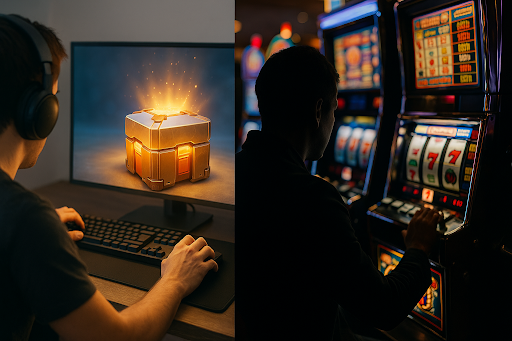
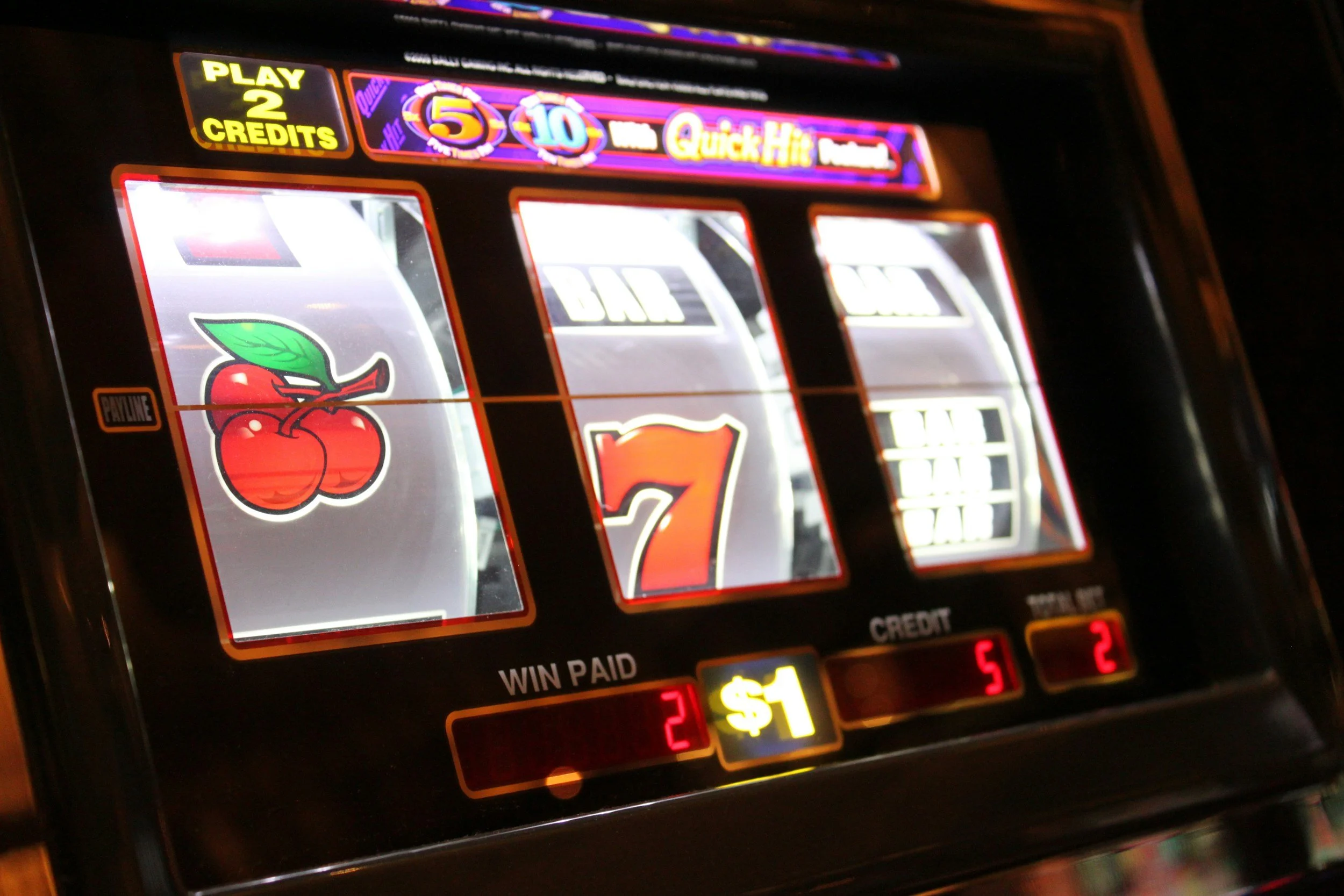
There’s a moment - subtle, but familiar - when a slot spin feels less like gambling and more like playing a game you already know. Not consciously, maybe. Still, the rhythm is there. Fast feedback, bright cues, that small surge when something almost hits.
In practice, this overlap isn’t accidental. The modern slot experience borrows heavily from arcade design. And if you spend enough time comparing both, the connection becomes obvious - not in theory, but in how these systems behave under pressure, under repetition, under real player interaction.
At the same time, today’s platforms - including environments like casino ecosystems - have refined these mechanics into something smoother, more calculated. Less noise, more intent.
The Arcade Blueprint: Built for Immediate Engagement
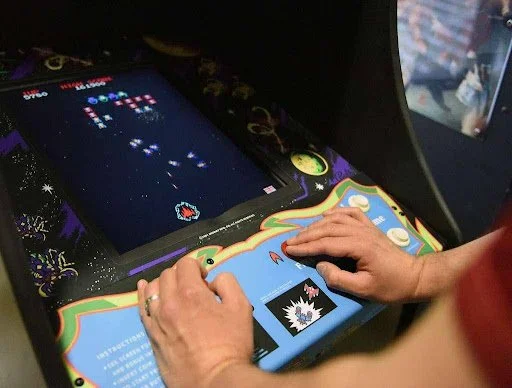
Arcades were never about long explanations. You walked in, inserted a coin, and within seconds, you were playing. No onboarding, no friction. That core idea still holds.
What carried over into slot design:
Instant start mechanics (spin instead of “play”)
Short action loops that reset quickly
Clear visual feedback after every input
Reward anticipation, even on near-misses
Interestingly, the simplicity wasn’t simplistic. It was deliberate. Arcade developers knew that hesitation kills engagement. Slot designers followed the same path - just with different stakes.
For a related angle, Game Tyrant’s “The Evolution of Reward Loops in Games: From Arcades to Social ...” explores how arcade-style reward systems evolved into modern slot and social casino mechanics.
From Coin Drops to RNG: The Shift in Reward Logic
Arcade machines often relied on controlled randomness. Think claw machines or ticket spinners. Outcomes felt unpredictable, but not chaotic. There was always a sense - maybe false, maybe not - that timing or skill mattered.
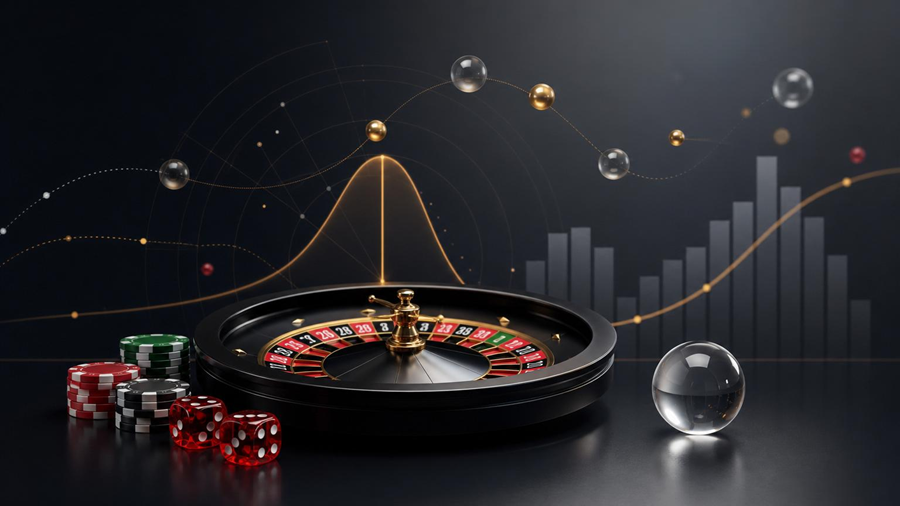
Slots took that structure and formalized it. Instead of mechanical randomness, they introduced Random Number Generators (RNGs). More precise, more scalable. And, importantly, auditable.
The transition looks like this:
Arcade Mechanic
Slot Equivalent
Physical randomness
Digital RNG systems
Ticket rewards
Cash payouts/bonuses
Skill illusion
Controlled probability
Replay for better odds
Replay for variance cycles
In our experience, players don’t necessarily distinguish between the two. What they react to is the feeling of possibility - and that hasn’t changed much over time.
Sensory Design: Why Slots Still Feel Like Arcades
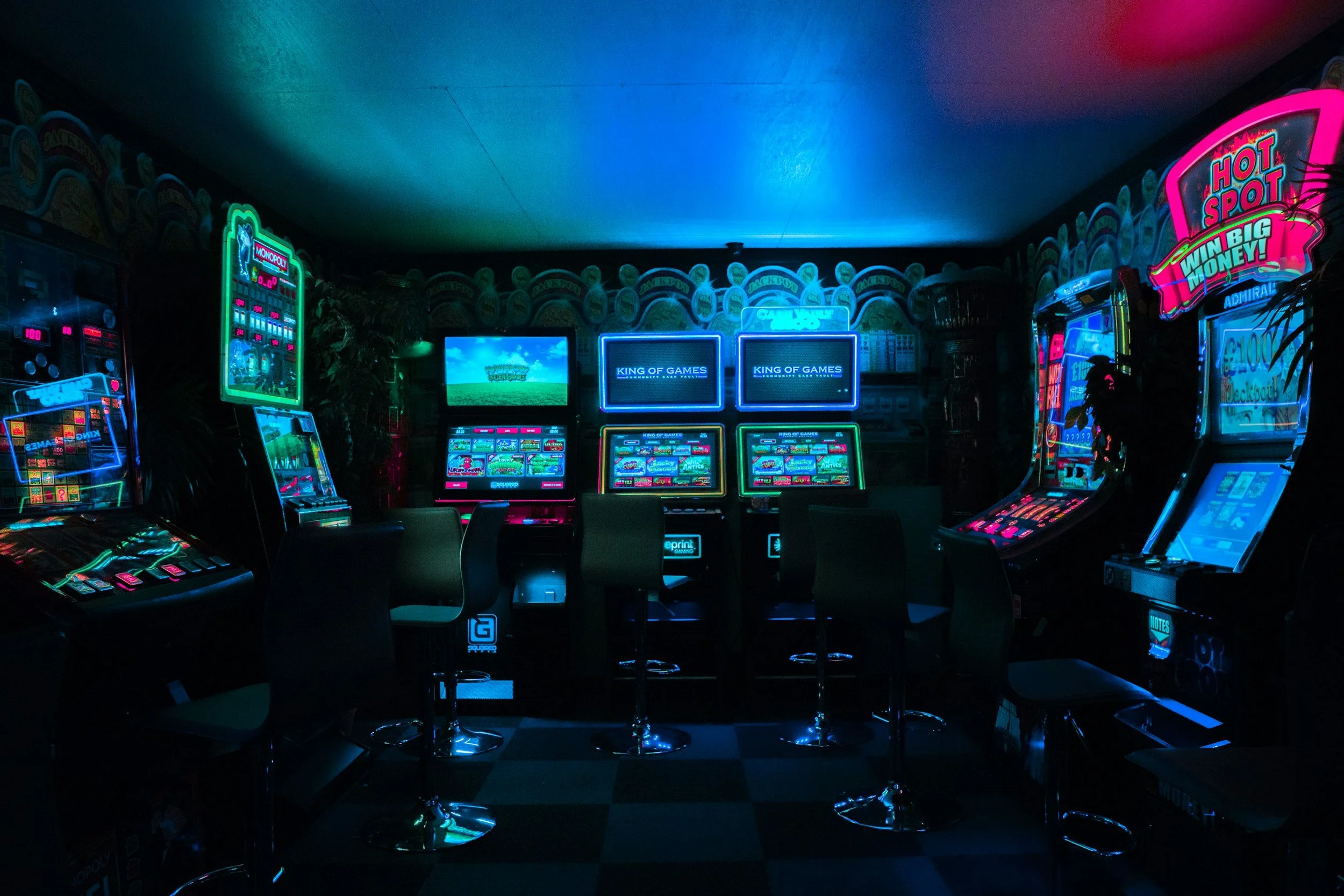
Walk into an old arcade, and you’d notice it immediately. Sounds overlapping, lights flickering, machines competing for attention. It wasn’t subtle. Slots, even online ones, replicate that - just in a more contained format.
Shared sensory triggers:
Audio cues tied to wins (or near-wins)
Visual escalation during bonus phases
Rhythmic repetition that builds tension
That last point matters more than it seems. Repetition creates familiarity. Familiarity lowers resistance. And once that happens, engagement becomes almost automatic.
Progression Systems: Borrowed, Then Refined
Arcades relied on progression to keep players invested. High scores, unlocked levels, hidden stages. You kept playing not just to win, but to advance. Slots adapted this - though in a more abstract way.
Modern slot progression includes:
Free spin sequences that build momentum
Tiered bonus rounds
Expanding features triggered over time
In reality, there’s no “level” in the traditional sense. Still, the structure creates a perception of forward movement. That’s enough.
Skill vs Chance: Where the Lines Blur
Here’s where things get slightly uneven. Arcade games were, fundamentally, skill-driven. Reaction time, pattern recognition, timing - all mattered. Slots, on the other hand, operate on chance. Purely. Yet modern slot design has started to blur that distinction.
Examples of hybrid mechanics:
Interactive bonus rounds
Pick-and-click reward features
Timed mini-games embedded within spins
Does this change the outcome? Not really. But it changes how the player perceives control - and that’s often what counts.
Gamification: The Arcade Legacy Lives On
If there’s one concept that moved almost intact from arcades to slots, it’s gamification. Not in name - that came later. But in structure.
Today’s slot environments include:
Daily login rewards
Achievement-style milestones
Limited-time events
Competitive leaderboards
None of this existed in early slot machines. All of it existed, in some form, in arcades. And players respond to it. Consistently.
A useful UK reference here is The Sun’s “How do online slots work? RNG, RTP & fairness explained”, which helps frame how modern slot mechanics combine randomness, reward pacing, and player engagement.
Why This Still Matters Today
It would be easy to frame this as nostalgia. Old mechanics adapted into new formats. But that’s not really the point. What matters is that these systems still work. Not because they’re old, but because they’re aligned with how players engage - quickly, repeatedly, often without overthinking the process.
From what we’ve seen, the most successful slot games don’t try to reinvent interaction. They refine it. Strip friction. Adjust pacing. Add layers without complicating the core loop.
The Next Step: Slots Moving Closer to Games
Looking ahead, the direction seems clear - even if timelines vary.
Emerging trends include:
VR-based slot environments
Story-driven gameplay sequences
Multiplayer slot formats
Skill-influenced bonus mechanics
At some point, the distinction between “slot” and “game” becomes less defined. Maybe not entirely gone, but thinner. And in a way, that brings things full circle.
Final Thoughts
Arcade design didn’t just influence slot games - it shaped their foundation. The pacing, the feedback loops, the reward structures. All of it traces back to those early coin-op machines.
What changed is the context. The scale. The technology behind it.
But the core idea remains surprisingly intact: keep the player engaged, reduce friction, and create a loop that feels natural enough to repeat.
In the end, modern slots aren’t a departure from arcade logic. They’re a continuation - just adapted to a different environment, with different stakes, and a much wider reach.