The satisfying rush of a win, the flashing lights, the dopamine hit—these sensations are no accident. From the clinking coins of '80s arcade cabinets to the hypnotic animations of modern slot reels, reward loops have become one of the most powerful mechanics in video game design. Over time, this loop has evolved into a finely tuned science that now bridges everything from AAA games to social slot games.
What Are Reward Loops in Gaming?
At their core, reward loops are systems designed to reinforce specific player behavior through positive feedback. Classic examples include leveling up, unlocking a new item, or winning coins after a victory. These rewards keep players engaged, triggering anticipation and pleasure, and motivating continued play.
The most iconic early example? Arcade machines. Designed to maximize coin drop per minute, games like Pac-Man, Galaga, and Donkey Kong offered escalating challenges and quick feedback to keep players playing—and paying.
From Arcades to Consoles: How Reward Systems Evolved
As games moved from arcades into homes, the reward structure changed dramatically. Without the need to earn more quarters, game developers focused on long-term engagement. Think experience points, story progression, collectible items, and achievements.
Games like Final Fantasy and Zelda introduced layered rewards—story arcs, weapon upgrades, and secret items—that built emotional investment alongside mechanical progression. The loop was no longer just about instant gratification—it became about mastery, completion, and exploration.
Over time, dopamine-driven mechanics were refined to serve both casual players and hardcore gamers. Call of Duty’s unlockable skins and World of Warcraft’s loot drops are sophisticated extensions of the simple win/loss arcades pioneered.
The Rise of Social Slots and Casual Game Feedback Loops
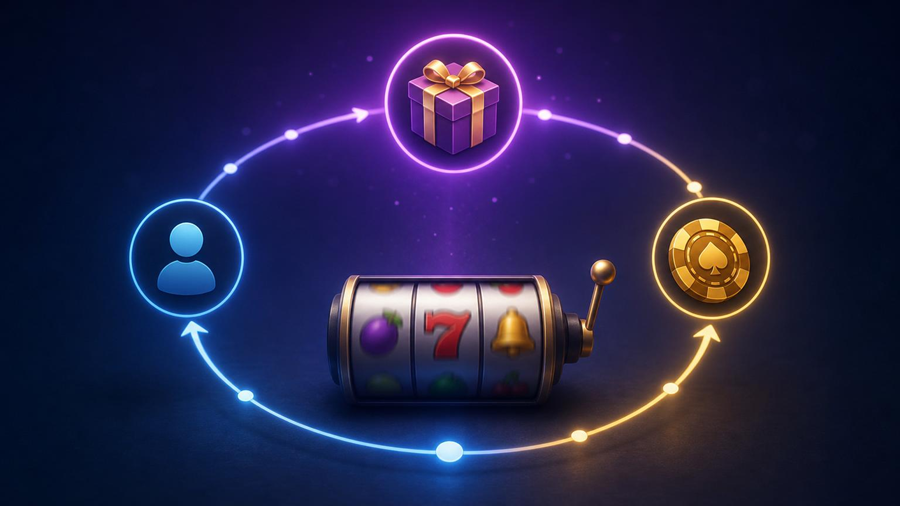
As mobile and browser-based gaming exploded, a new form of reward loop emerged: the social slot game. These games blend the satisfying mechanics of traditional slot machines with modern user engagement strategies like missions, leaderboards, and visual feedback.
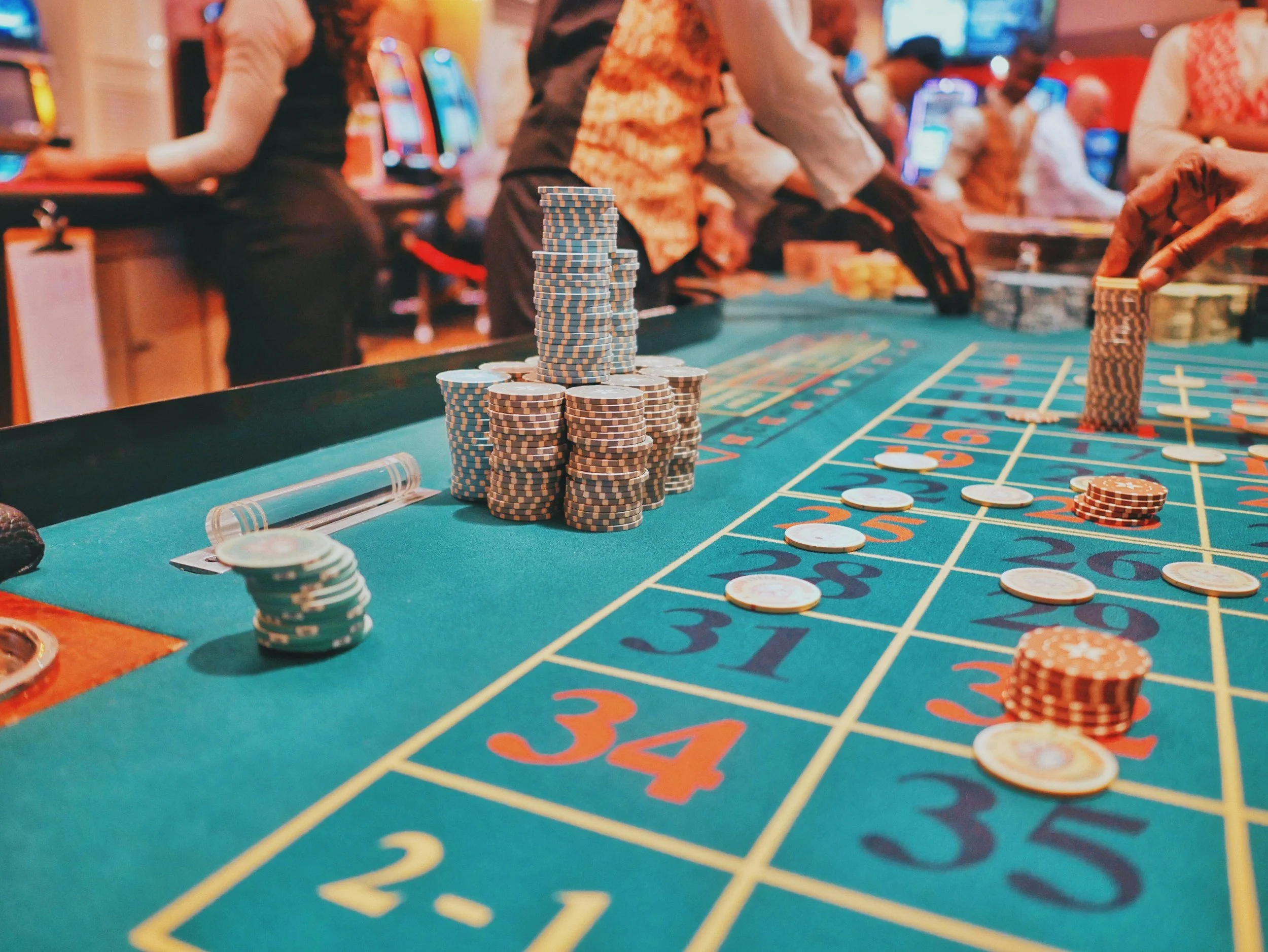
While social slot games don't involve real-world winnings, they deliver an almost identical thrill by simulating high-stakes rewards through coin awards, free spins, and interactive features. For example, platforms offering High Roller's online real money casino games and slots have adapted this model for players looking for that layered blend of entertainment and gamified excitement.
These games often use visual and audio feedback—flashing animations, exciting music, and real-time coin tallies—to recreate the same reward loop that made arcades addictive. The mechanics are designed not just to reward players, but to celebrate every win, no matter how small.
The Psychology Behind Reward Loops
Why are reward loops so effective? It all comes down to psychology.
Variable reward schedules, a concept long studied in behavioral psychology, explain why slot-style games and loot-based video games are so compelling. When players receive rewards at unpredictable intervals, it increases engagement. You never know when the next big win—or rare item—is coming.
This principle is used across many game genres, from Destiny’s randomized engrams to Candy Crush’s power-up drops. Even social media platforms borrow this mechanic—think of the random nature of likes or follows showing up after a post.
According to a study published in the journal Current Opinion in Behavioral Sciences, variable reward systems activate the brain’s dopamine pathways more powerfully than fixed rewards, reinforcing behavior and extending session length. You can read the full paper here.
Social Features and Community-Based Feedback
Another key evolution is the addition of social rewards. Modern games integrate leaderboards, friend challenges, and achievements that are visible to others. This adds a layer of social motivation that enhances the reward loop even further.
Social slots often include in-game gifting, clan missions, and friend challenges. These features build community and create a shared sense of progression, which is particularly effective in increasing long-term engagement.
The evolution of reward loops from basic coin wins to community-driven feedback shows how far game mechanics have come in terms of psychology, tech, and design.
Why This Matters to the Future of Gaming
Understanding the evolution of reward loops is crucial for predicting where game design is headed. Whether you're grinding in an RPG, unlocking crates in a shooter, or spinning reels in a social slot, the psychological principles behind these systems are the same.
Game developers are now blending genres, borrowing successful mechanics across platforms. As a result, the lines between entertainment, engagement, and behavioral design continue to blur. Reward loops aren't just a design trick—they're at the heart of what makes games feel good to play.