Over 40% of people gamble at least once a year. In the USA, even more, yet most have no idea how dramatically casino payments have changed over the past decade. Gone are the days when you waited three to five business days for your winnings to clear through traditional banking channels. This is because the online gambling industry has grown exponentially. It is fueled by technology shifts and what players now demand from their gaming experience.
Digital wallets, cryptocurrencies, and instant bank transfers have become the new standard for casino transactions. Moreover, players today refuse to wait days for their winnings. They want their money now and fast. With all that, the current landscape bears little resemblance to what most players think they know about casino payments. Here's why 2025 might surprise you more than you expect.
Traditional vs. Modern Payment Methods
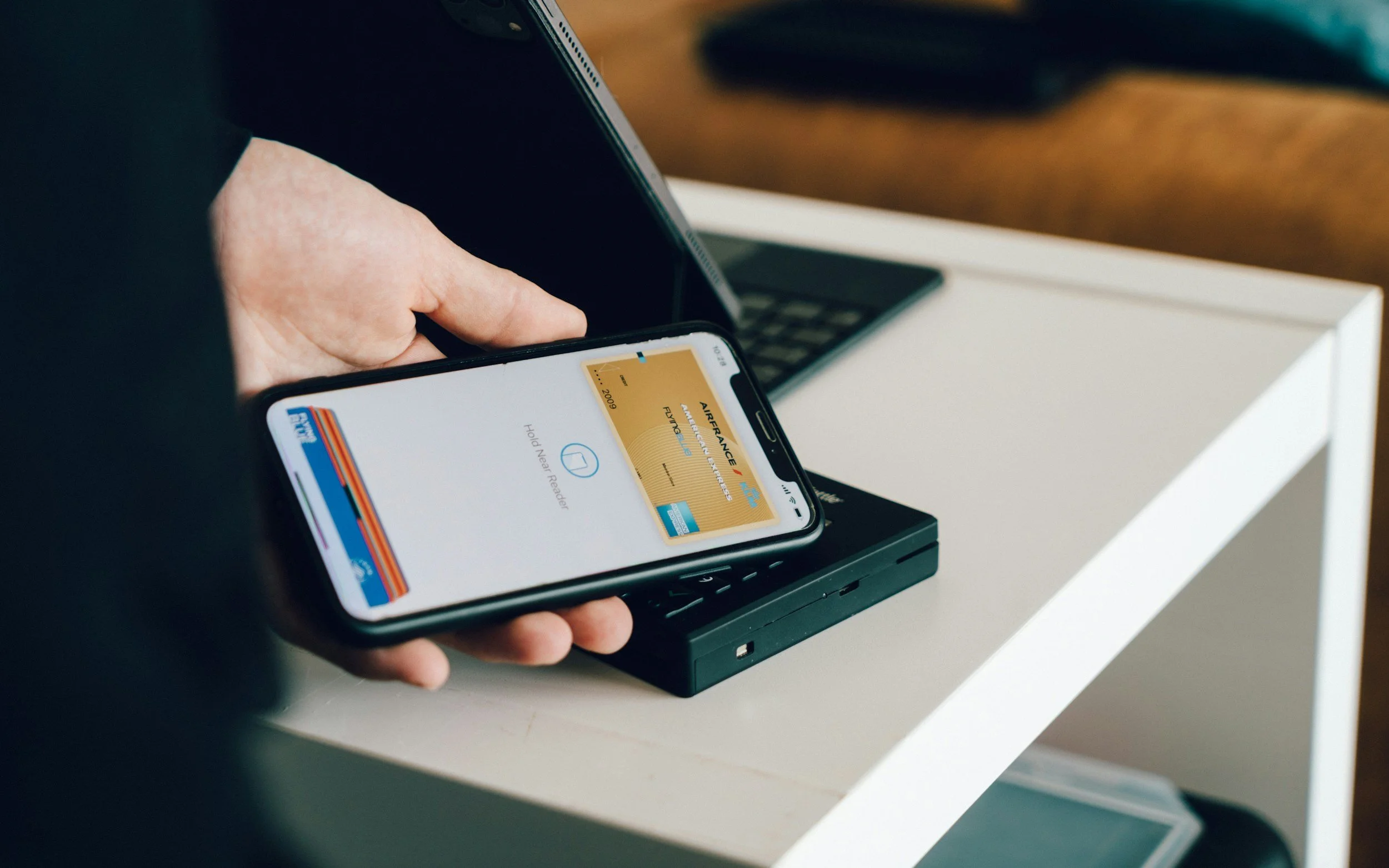
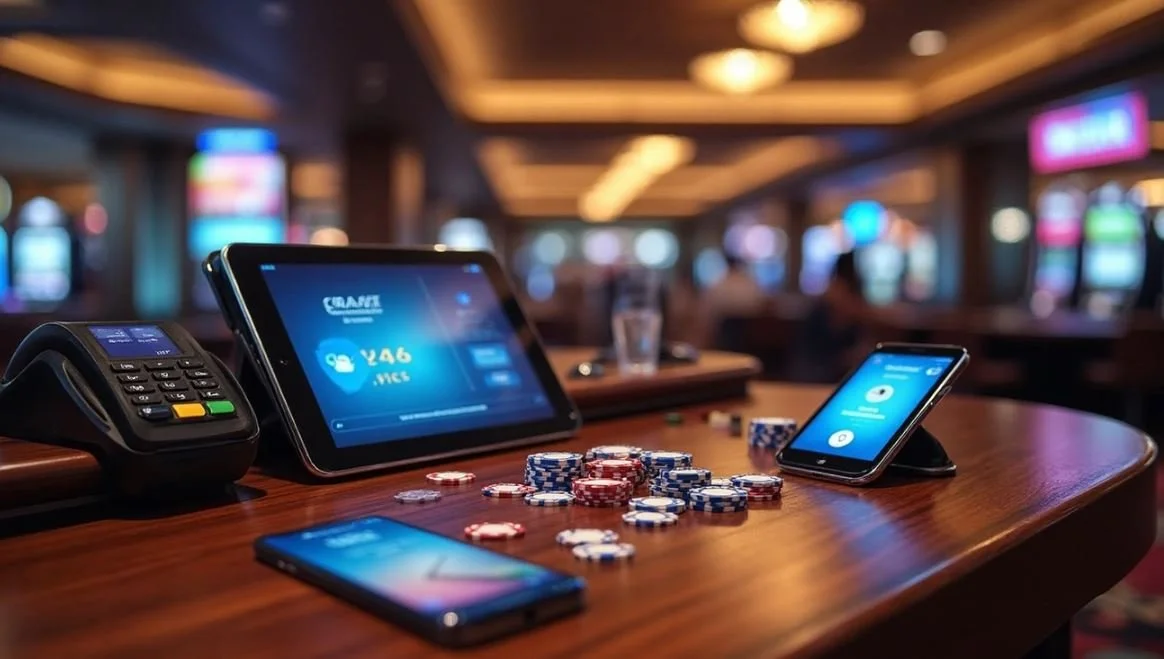
Today's payment channels have brought conveniences or better services that cash can't simply deliver. For example, E-wallets like Skrill and Neteller are popular for instant deposits and withdrawals with added security layers. More so, cryptocurrencies offer anonymity, faster transactions, and lower fees. Mobile payments also allow gamblers to deposit funds directly from their phones.
Transaction speed is highly important or crucial in gambling. It makes the difference between frustration and satisfaction. Unfortunately, bank transfers can take several days, and credit cards often require verification delays. But e-wallets and cryptocurrencies complete transactions almost instantly. That efficiency creates the smooth gaming experience players now expect as standard.
Security also drives much of this change. Modern payment systems use encryption, multi-factor authentication, and biometric verification. The traditional model of carrying cash around simply cannot match this protection. Amazingly, blockchain technology also adds transparency by offering immutable transaction records.
Alternative Payment Methods Take Center Stage
Payment diversity has become the name of the game for online casinos, with operators scrambling to offer every option players might want. E-wallets have claimed the top spot in this payment race. This is because they process withdrawals in minutes instead of the days required by traditional banking methods.
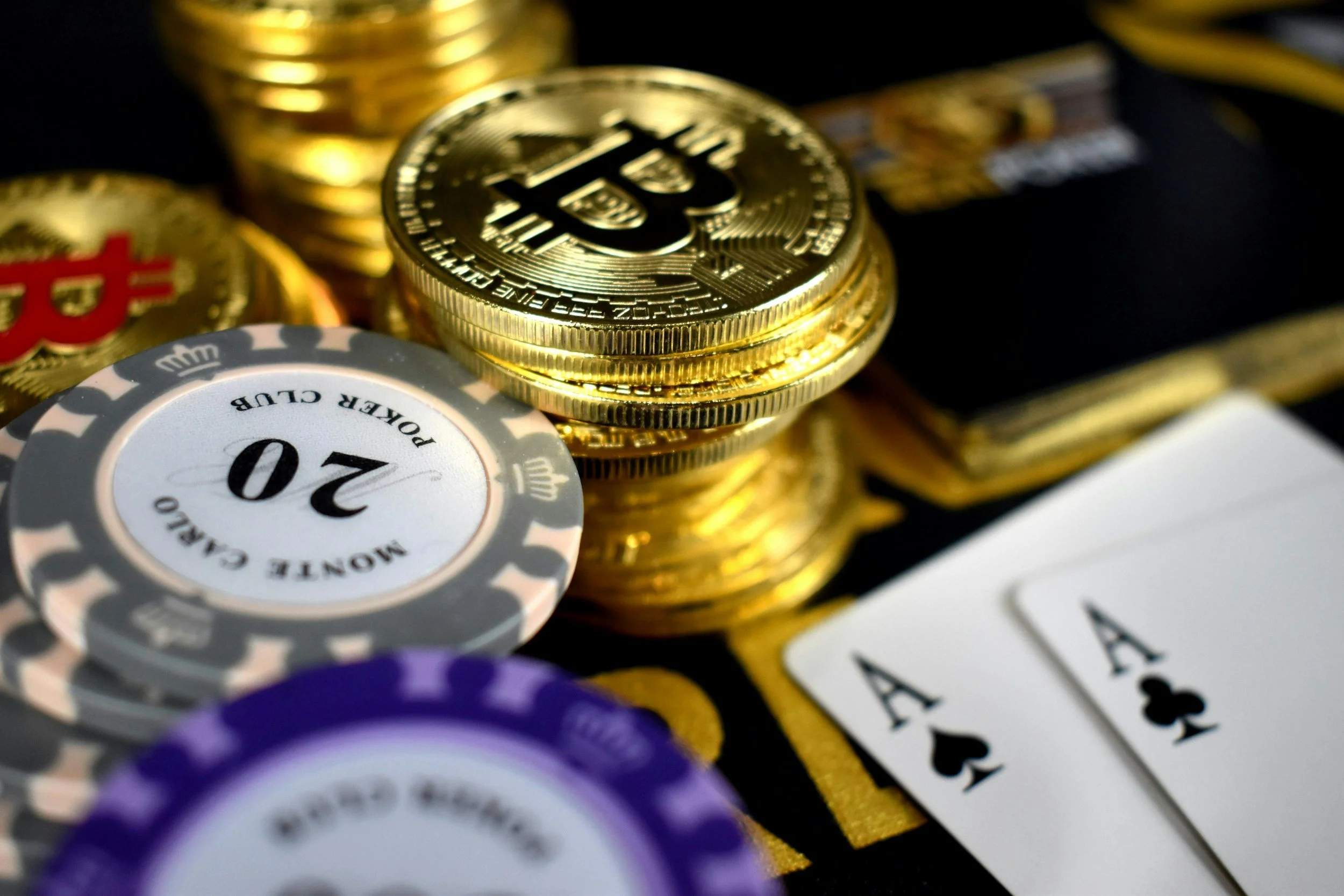
Cryptocurrency has also moved beyond the experimental phase into mainstream adoption. More casinos are rolling out blockchain-based payment gateways because of their many advantages. In fact, cryptocurrencies like Bitcoin and Ethereum are widely accepted in several online casinos.
Furthermore, mobile payment solutions have carved out their own space in this crowded field. Apple Pay and Google allow gamblers to transact on their smartphones. Also, open banking innovations like Trustly, Zimpler, and Brite offer another approach entirely. They connect bank accounts directly to casinos without the usual bureaucratic delays.
Payment Security Gets Serious in 2025
The global online gambling market is closing in on USD 100 billion, and that kind of money draws the attention of cybercriminals. With that threat, security has shifted from nice-to-have features to deal-breakers for any serious gambling operation.
Payment security has evolved rapidly through several key developments. They include advanced encryption and tokenization for all transactions and biometric authentication. AI-powered transaction monitoring that spots suspicious patterns in real-time and blockchain technology also provides permanent transaction records.
Casino payment security now depends on a combined effort of gambling operators, regulatory bodies, and cybersecurity firms. They're developing standardized security protocols and sharing threat intelligence to protect both players and platforms.
What Players Really Want From Casino Payments
Payment methods now make or break the entire gaming experience. Gamblers today need security, speed, flexibility, and convenience for smooth experiences.
Luckily, biometric authentication has moved beyond the novelty stage. Fingerprint scanning, facial recognition, and voice identification now protect players while speeding up every transaction. No more forgotten passwords or stolen credit card numbers. The systems create what's essentially a fraud-proof environment that players and regulators demand.
Also, many casino players now access games through their smartphones. They start a session on their laptop at home and continue on their phone during lunch break. Everything needs to work seamlessly across devices, especially when money is moving in and out of accounts.
Speed still matters most because gamblers expect payment methods to deliver their deposits and winnings within minutes. Interestingly, players who get their money fast report much higher satisfaction levels.
What This All Means for Players
Cashless gaming has reached a tipping point that most players still haven't recognized. Digital wallets, cryptocurrencies, and mobile payment solutions haven't just changed how gamblers fund their accounts. They've reshaped or changed what they expect from the entire gaming experience.
Security concerns that once held back digital adoption have largely been solved. Biometric authentication and AI-powered monitoring now protect players better than traditional methods ever could.
Traditional payment methods aren't disappearing overnight. But their days as the dominant option are numbered. The future belongs to integrated payment systems built around speed, security, and personalization. It mirrors what's happening across all consumer spending, not just gambling.