Sports venues are expected to do much more than host competitions. Today's stadiums, community sports parks, training centers, swimming complexes, and outdoor recreation areas are designed to provide safe, enjoyable, and visually engaging experiences for athletes, spectators, and visitors alike.
Lighting plays a critical role in achieving these objectives. While high-power floodlights illuminate playing surfaces, they are only one part of a complete lighting system. Walkways, seating areas, entrances, concourses, architectural features, scoreboards, and landscape areas all rely on auxiliary lighting to improve safety and enhance the overall appearance of the venue.
Because many of these installations operate outdoors throughout the year, choosing a dependable Waterproof LED strip lights supplier has become an important consideration for sports facility developers, contractors, and distributors.
Outdoor Sports Facilities Face Challenging Conditions
Unlike indoor arenas, outdoor venues must perform under constantly changing environmental conditions.
Lighting systems may be exposed to:
Heavy rain
High humidity
Dust and dirt
UV radiation
Wind
Temperature fluctuations
In addition, sports facilities often operate for long hours during tournaments, training sessions, and evening events.
These conditions demand lighting products that combine durability with consistent performance.
When selecting outdoor LED strip solutions, environmental protection is often just as important as brightness or energy efficiency.
More Than Just Lighting the Playing Field
Many people associate sports lighting exclusively with stadium floodlights.
However, visitors interact with many different areas before reaching the competition itself.
Modern sports venues frequently use LED strip lighting for:
Stadium entrances
Ticket offices
Pedestrian walkways
Grandstand stairs
Handrails
Hospitality lounges
Outdoor terraces
Landscape features
These applications improve navigation while contributing to a more welcoming environment.
Linear LED lighting is especially valuable because it creates continuous illumination without requiring bulky fixtures that may interrupt architectural design.
As sports venues become increasingly focused on visitor experience, these supporting lighting systems continue to grow in importance.
Choosing the Right Waterproof Protection
One of the first specifications buyers examine is the waterproof rating.
However, selecting the highest rating available is not always the best solution.
Instead, lighting should be matched to the actual installation environment.
For example, IP65-rated LED strips are commonly used for applications exposed to rain, dust, and routine outdoor conditions.
Typical examples include:
Stadium facades
Entrance canopies
Outdoor seating
Building outlines
Sports park pathways
In environments where lighting may experience more demanding water exposure, IP68-rated solutions provide an additional level of protection.
Examples include decorative lighting near fountains, aquatic centers, or water-themed recreational facilities.
Choosing the appropriate waterproof rating helps balance project cost with long-term reliability.
Why Long-Term Reliability Matters
Sports facilities often welcome thousands of visitors during a single event.
Unexpected lighting failures can create inconvenience, increase maintenance costs, and negatively affect the visitor experience.
Unlike indoor commercial spaces, many outdoor lighting installations are difficult to access once construction is complete.
Replacing failed products may require:
Lift equipment
Temporary area closures
Maintenance scheduling
Additional labor
These indirect expenses frequently exceed the original purchase cost of the lighting itself.
For this reason, experienced project managers increasingly evaluate suppliers based on manufacturing quality, production consistency, and technical support rather than focusing solely on product pricing.
A dependable lighting system reduces maintenance while improving long-term operational efficiency.
Architectural Lighting Supports Venue Branding
Professional sports organizations invest heavily in creating memorable visual identities.
Lighting has become one of the most effective tools for strengthening that identity.
LED strip systems are commonly integrated into:
Team entrances
Exterior walls
Club lounges
VIP hospitality areas
Retail stores
Sponsor displays
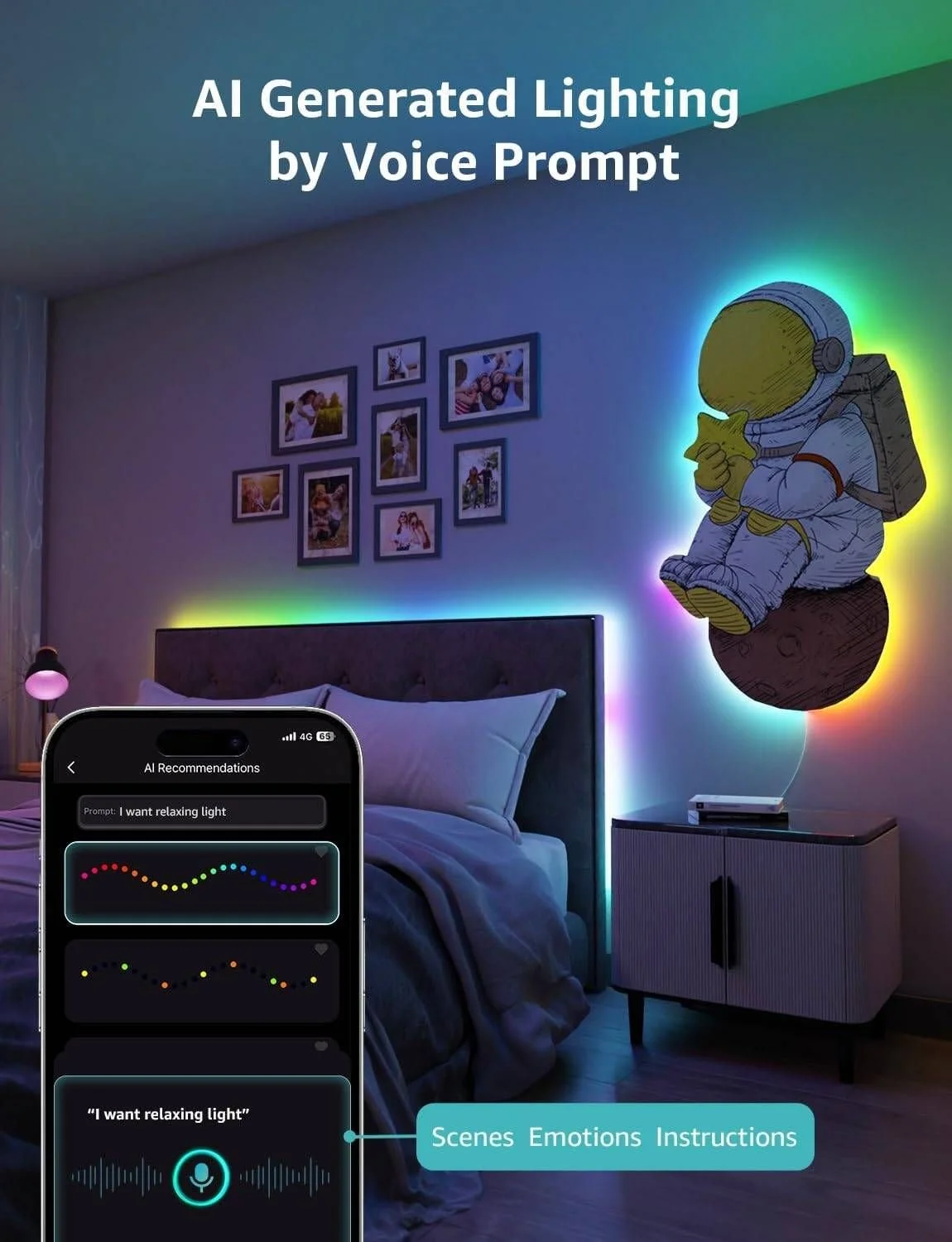
Many venues also use RGB or RGBW lighting to illuminate structures in team colors during matches, celebrations, or community events.
This flexibility allows facilities to create dynamic nighttime appearances while reinforcing branding throughout the venue.
As sports organizations compete to improve fan engagement, architectural lighting has become an increasingly valuable design element.
Installation Efficiency Saves Time and Budget
Large sports developments often involve extensive lighting installations.
Contractors may install hundreds or even thousands of meters of LED strip lighting throughout a facility.
Products that simplify installation help reduce labor costs while keeping construction schedules on track.
Flexible LED strip systems can be installed along curved structures, staircases, handrails, and architectural features without requiring extensive modification.
Some modern solutions also offer free-cutting COB technology, allowing installers to cut the strip at virtually any point rather than being restricted to fixed cutting intervals. This is particularly useful when fitting lighting into curved seating areas, custom signage, or irregular architectural details commonly found in sports venues.
Reducing material waste while improving installation accuracy creates measurable value for both contractors and project owners.
Technical Support Is an Important Part of Every Project
Outdoor sports lighting projects often require more than simply selecting a product from a catalog.
Project teams frequently need assistance with:
Power supply selection
Waterproof connectors
Installation accessories
Voltage planning
Controller compatibility
Maintenance recommendations
A knowledgeable LED strip OEM manufacturer can provide technical guidance throughout the project lifecycle, helping designers and contractors avoid common installation problems.
For distributors serving multiple sports construction projects, responsive engineering support often becomes a significant competitive advantage.
Lighting That Supports the Future of Sports Venues
Modern sports facilities are designed to deliver much more than athletic competition. They serve as community gathering places, entertainment destinations, and powerful representations of local identity. Outdoor lighting plays a vital role in creating safe, attractive, and memorable environments for athletes and spectators alike.
As the demand for high-performance outdoor lighting continues to grow, partnering with an experienced Waterproof LED strip lights supplier helps project teams achieve reliable performance, efficient installation, and long-term value. From stadium entrances to training facilities and recreational parks, durable LED strip lighting is helping shape the next generation of sports infrastructure while enhancing the experience both on and off the field.