A few years ago, online slots and lottery pages felt like a separate corner of the internet. Gaming had its own world: releases, patches, handhelds, esports, launchers, controllers, frame rates, and long arguments about design. Slot and lottery platforms sat somewhere else, closer to quick browser sessions and number draws. Now those lines are softer. People do not change the way they read a screen just because the category changes. A player still opens the page, checks the first screen, tests the menu with their thumb, and decides whether the visit feels worth staying for.
The first few seconds do a lot of work
Game players are impatient in a very specific way. They will forgive a simple idea if it runs well, but they usually notice a clumsy menu before they notice anything clever underneath it. The same thing happens with slot and lottery platforms. The screen does not have much time to settle.
A short mobile session might move through a game update, a lottery result, and som777.news before the user returns to chats, videos, or another browser tab. That sentence says more about modern entertainment than any big trend claim. People move quickly. A platform has to fit into that movement without making every tap feel like a chore.
Slot design is still about feel, even when the result is chance
Slots are built around random outcomes, but the experience around the result has a texture. A player notices how the game opens, how the reels move, how the stake controls read, whether the balance is easy to see, and whether the rules sit close enough to check before starting. None of that changes luck. It does change whether the session feels comfortable.
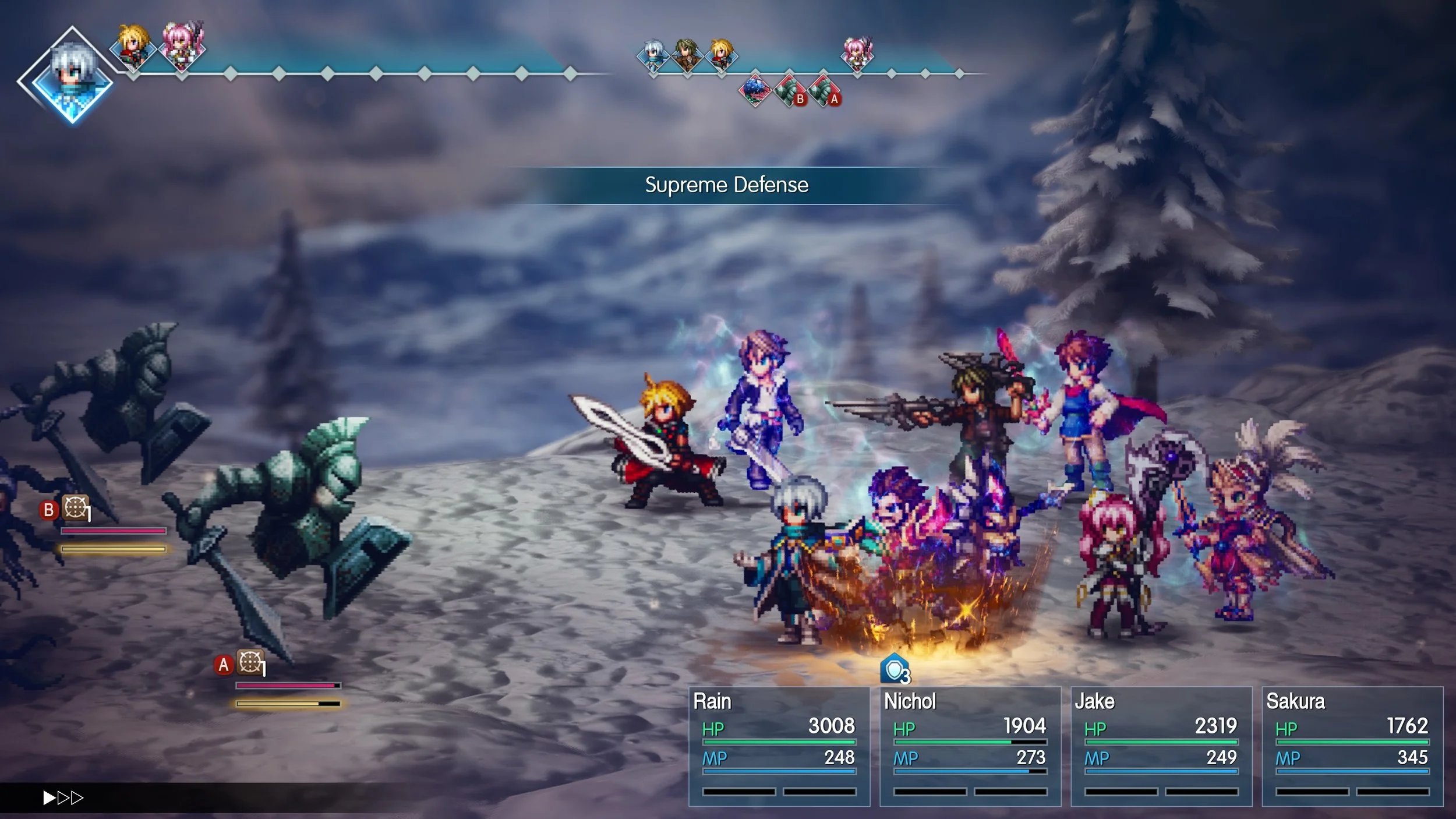
That is familiar territory for anyone who plays games. A racing title can have great cars and still feel wrong if the handling is floaty. A mobile RPG can have strong art and still lose people if every menu takes too long to open. Slot pages have their own version of that problem. If the interface gets in the way, the player starts fighting the page instead of reading the game.
The better approach is usually quieter. Let the theme give the game flavor. Let the controls stay plain. Let rules and balance remain visible. A slot page does not need to pretend it is a console title to borrow one useful gaming lesson: the player should understand what is happening without being forced to slow down for the wrong reasons.
Lottery pages live on anticipation
Lottery entertainment has a different tempo. It does not ask for constant reaction. The user chooses numbers, checks draw information, waits, and comes back later. That slower rhythm can work well on mobile because it fits into the day without demanding a long session.
No guide should sell control over luck
Slot and lottery guides can become silly when they promise too much. Players know when advice starts sounding like a trick. There is no magic hour, pattern, or sequence that turns a random result into a planned one. A useful guide is much more grounded. It explains how the game works, where the rules are, what costs are attached, and why a limit should be decided before the session starts.
That may sound less exciting, but it is the kind of writing gaming readers tend to respect. They are used to mechanics. They know the difference between a system and a sales pitch. If an article talks about chance-based entertainment, it should be clear about where choice ends and randomness begins.
Rewards can make a page feel alive or cheap
Game players are used to rewards. Daily claims, timed events, progress bars, unlocks, and rotating offers are part of modern game design. Slot and lottery platforms often use a similar energy through promotions and bonus areas. That can make the page feel active, but it can also make it feel pushy if every section asks for attention at once.
The problem is not the reward itself. The problem is bad timing. A promotion makes more sense after the user understands the page. A bonus is easier to judge when the terms are close enough to read. A message about an offer should not cover the basic controls or blur the difference between casual browsing and account activity.
Gaming audiences notice this quickly because they have seen it in ordinary games too. A reward loop that respects the player feels satisfying. A reward loop that keeps interrupting feels desperate.
The better direction is simpler than it looks
Slot and lottery platforms do not need to imitate video games completely. They do not need story modes, fake quests, or dramatic language to feel modern. They need to understand the same things good games already understand: pacing, clear feedback, readable menus, and respect for the player’s time.
Chance will always sit at the center of slots and lottery. No design layer should hide that. What design can do is make the rest of the session easier to understand. The player should know what they are opening, where the rules are, what action they are taking, and when to stop. That is where the overlap with the game industry becomes real. It is not about turning every entertainment platform into a game. It is about building pages for people who already think, tap, scan, and leave like players.