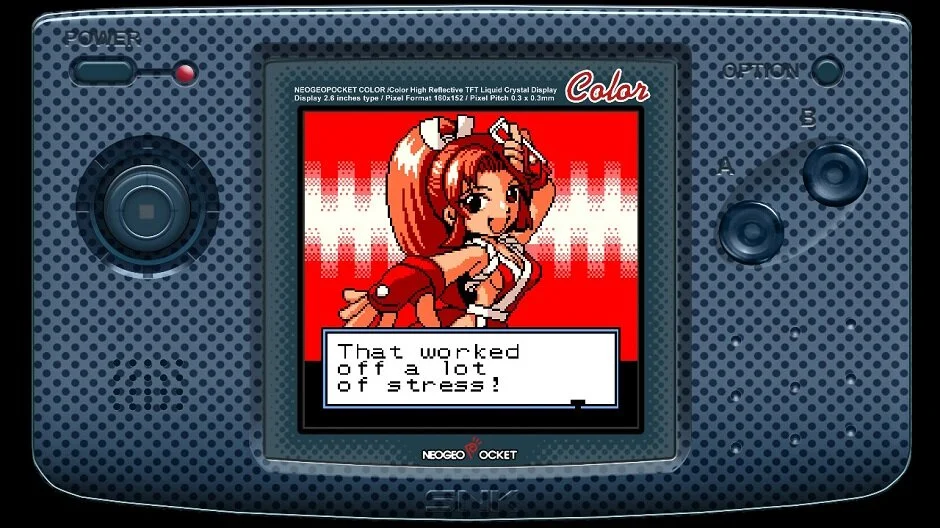
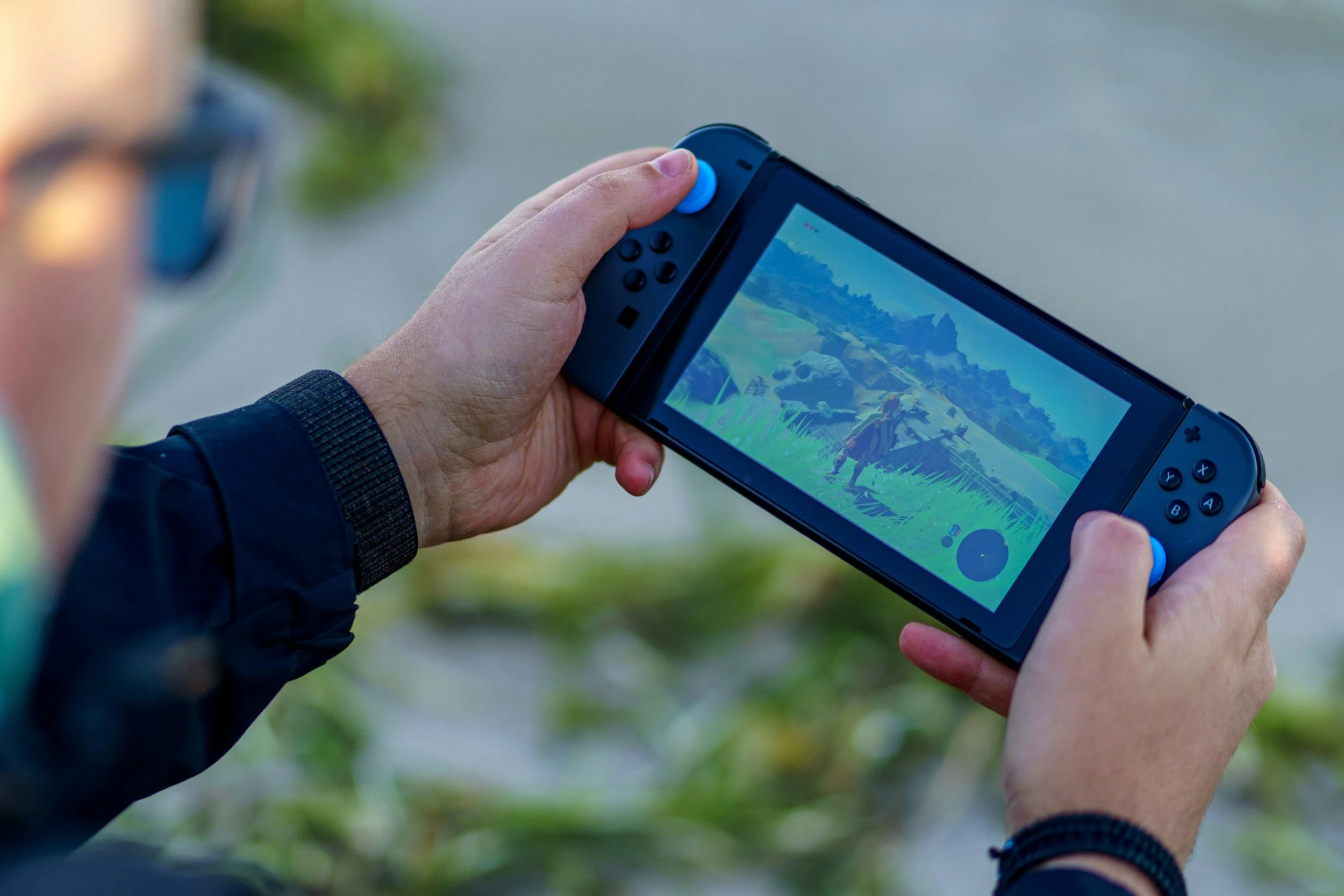
Portable play taught us a simple idea: Entertainment can live in the gaps of a day. A bus ride, a lunch break, a waiting room, a quiet corner of a family visit. People who grew up with Nintendo’s Game Boy learned to value short sessions that still feel complete, with clear goals and fast feedback. That habit still fits adult life, which explains why phone titles feel natural rather than new.
The original unit launched in Japan on April 21, 1989, and then reached North America on July 31, 1989. Nintendo’s own sales data puts Game Boy hardware at 118.69 million units across the line, which shows how widely that pattern spread.
In 2026, the same instincts show up in apps, plus the side markets that sit next to them. Casino comparison pages sometimes frame choices around speed, variety, and screen feel, and Casino.org even curates explainers on the best casino games alongside operator reviews, which mirrors how handheld culture taught people to pick the right format for a short window of time.
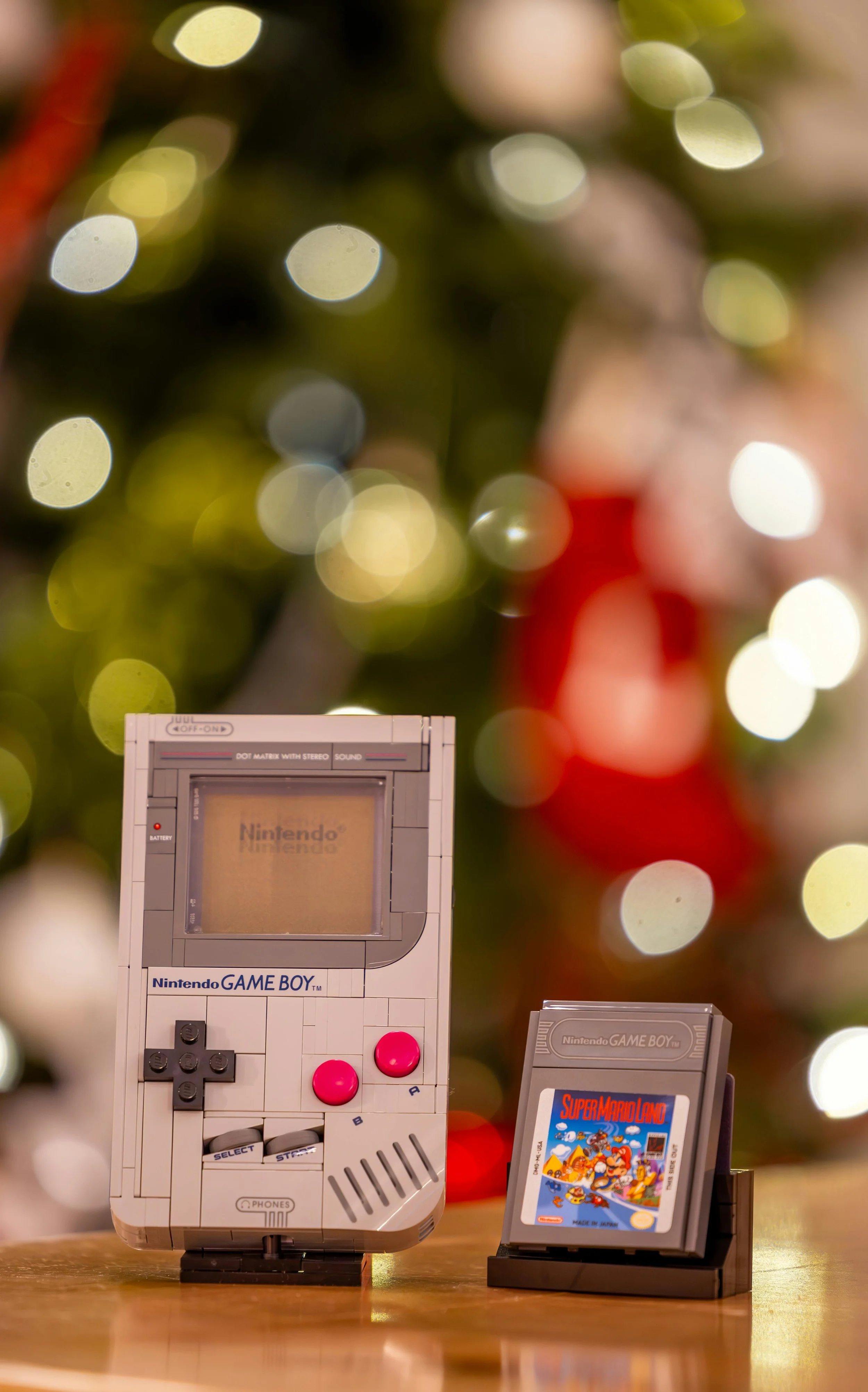
Game Boy worked because it made portability normal at scale, with interchangeable cartridges and a price point that supported mass adoption. It also arrived with a cultural cheat code: Tetris bundling in key markets, which turned a single puzzle into a shared language you could watch over someone’s shoulder.
That era trained a particular kind of focus. You learned to scan a small screen, parse simple UI, and accept hardware limits as part of the charm. The joy came from tight rules and repetition that built skill, like learning a riff until fingers land in the right place. That pattern maps cleanly onto today’s phone hits, which still reward habit, timing, and quick decision loops.
The social layer mattered too. Link Cable play made portability feel shared rather than solitary, and later handheld titles turned trading, battling, and co-op into routine. You still chase that feeling today, only the meet-up happens through a push alert and a friend's list.
Phones removed friction, then scale did the rest
Smartphones made portable play the default because the device already lives in a pocket. The Entertainment Software Association reported in 2024 that 78% of players use a mobile device and noted significant growth in the number of people playing on phones over the last decade. That stat matters because it frames phone play as mainstream infrastructure rather than a niche pastime. Money followed attention. Sensor Tower reported $150 billion in global in-app purchase revenue across iOS and Google Play during 2024, which includes spending on apps and games. Even if you treat that as a broad number across categories, it signals how effectively phone platforms capture small payments at huge scale.
Millennials often sit at the centre of this shift because early media habits already mixed scarcity with convenience. A cartridge library felt finite, and battery life forced choices. Phone platforms keep convenience high while still delivering collecting, progression, and status, the same loop that made Pokémon trading feel like a social economy rather than a side feature.
That rhythm also fits adult schedules. You can finish a round in the time it takes a kettle to boil, then put the phone down without losing the thread, the way Lord of the Rings chapters let you pause at a natural beat while the story still feels intact.
Why the format still clicks
Phone titles excel at micro pacing. A session can start in ten seconds, reach a peak, then end cleanly before the kettle boils. That echoes the handheld years, when you learned to squeeze meaning from a small slice of time. It also explains why “one more run” mechanics land so well, since the cost of another round feels tiny.
Controls also evolved in a way that suits that generation’s expectations. The D-pad era taught clarity, and touch screens can deliver clarity when designers keep inputs simple and readable. Many top apps are built around taps, swipes, and short combos, which keeps the skill ceiling open while making entry easy for anyone picking up a phone on a train. The business model changed the culture of choice. Free to start means you can sample widely, then commit to what fits your taste, attention span, and budget.
That sampling habit resembles browsing a rack of cartridges in a shop, except the rack sits on your home screen, and the feedback loop feels immediate.
A practical guide for keeping it healthy and fun
Pick two apps for weekdays and one for weekends, then rotate monthly. Variety keeps casino novelty high, and rotation stops any single loop from swallowing every spare minute.
Use in-app timers or platform screen time tools, then set a hard stop that matches your day, like after dinner or before bed. Structure keeps the hobby light.
Spend with a rule, such as a fixed monthly cap that covers every app, then track it in notes. A cap protects your impulse control while still allowing you to support creators.
Keep one offline option in reach, like a paperback or a puzzle, so your evening has a backup when your brain wants quiet rather than stimulation.
The Game Boy generation loves phone and casino play because the behaviour pattern arrived early and stayed useful. Portable sessions fit adult schedules, and the medium has continued to improve to support that fit. The device changed, the habit remained, and the best apps still honour the same promise: a small window of time can hold a complete experience.