A poker-themed game made by a single anonymous developer won Game of the Year in 2024. A game about Russian Roulette that costs less than a cup of coffee has sold over eight million copies. Something unusual is happening in the world of indie gaming.
Over the past two years, a wave of titles built around gambling mechanics has quietly reshaped what a successful indie game can look like. These aren't casino apps or mobile cash-grabs where you can win actual money. They are genuinely inventive video games that borrow the structure and psychology of gambling and channel it into experiences with no real money on the line whatsoever.
The Game That Started the Conversation
The clearest starting point is Balatro. Developed entirely by a solo creator operating under the alias LocalThunk and published by Playstack, it launched in February 2024 and sold 3.5 million copies within its first ten months. It won the PC Game of the Year award by PC Gamer in 2024. At the 2025 Game Developers' Choice Awards, it took home four trophies: Game of the Year, Best Debut, Best Design, and the Innovation Award. It’s a sweep that would be remarkable for any studio, let alone a single developer's first release.
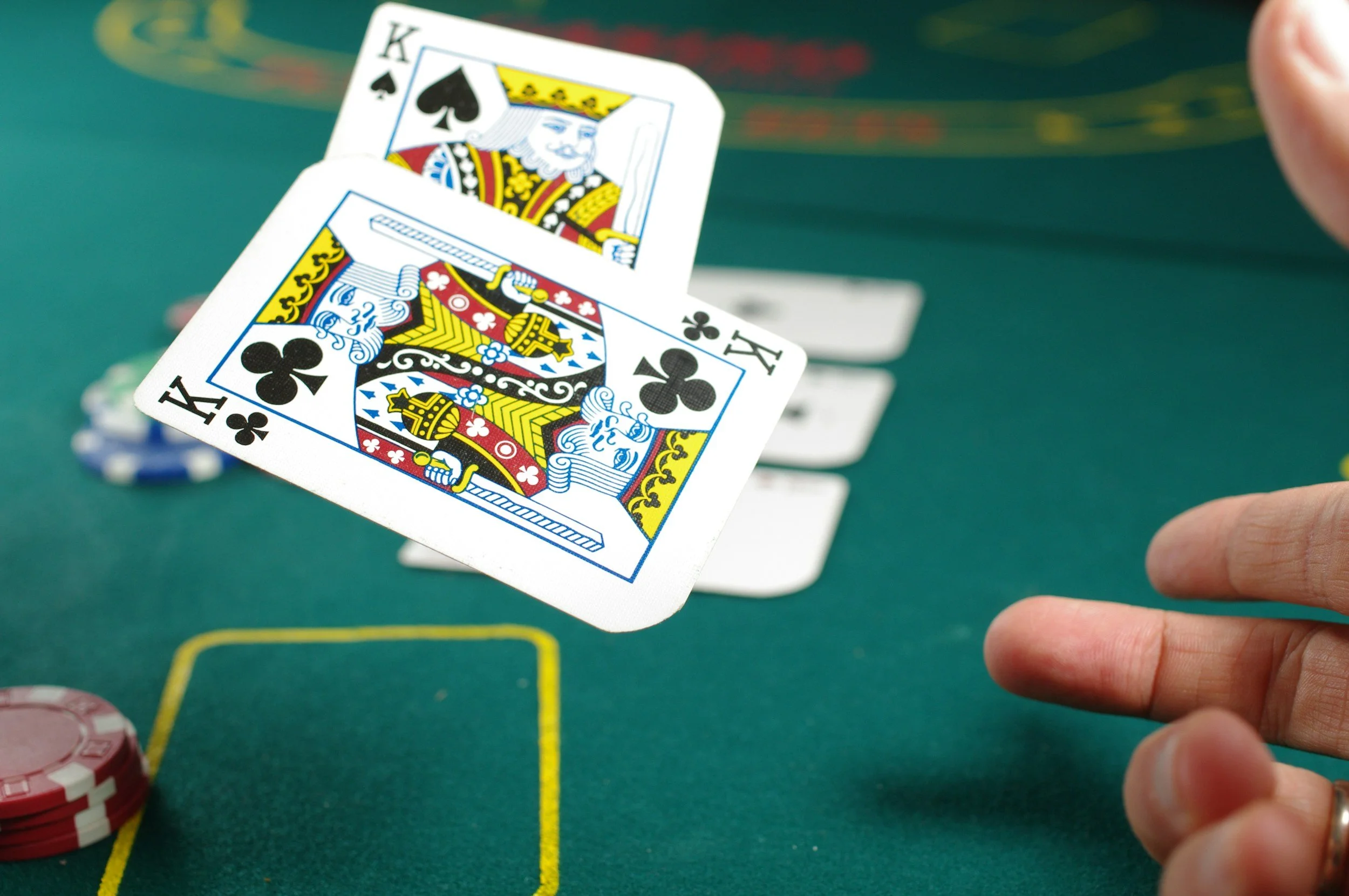
The game's premise sounds deceptively simple. You play poker hands against escalating score targets, modifying your deck with joker cards that warp the rules in increasingly strange ways. A hand that scores 200 points on round one might score 40,000 by round five, if you've built the right synergies. The gambling iconography with the suits, the chips, and the green felt aesthetic is almost cosmetic. The actual game beneath it is closer to mathematics than luck, which cuts the ties to gambling.
That gap between appearance and reality is much of the point. Balatro looks like a card game you might find in an Irish EU casino online, like those found here. It plays like a puzzle about probability and exponential growth.
Slots as a Design Tool
An interesting strand of the genre takes the simple slot machine, which is the most passive and least strategic of casino games, and rebuilds it as a combinatorial engine where you can increase your luck.
Luck Be a Landlord is the biggest success in this niche. You spin reels to earn money, but the real game is choosing which symbols to add to your pool after each round, gradually engineering a machine where a single spin sets off a chain reaction across dozens of interacting icons. If this were possible at an actual online casino, a lot of players would be millionaires by now.
The financial pressure of paying rent each round keeps the stakes emotionally real, even if nothing of actual value is at stake. The slot machine format is just a vehicle for increasingly complex systems thinking, and because everyone already understands how a reel works, the game can skip straight to the interesting decisions.
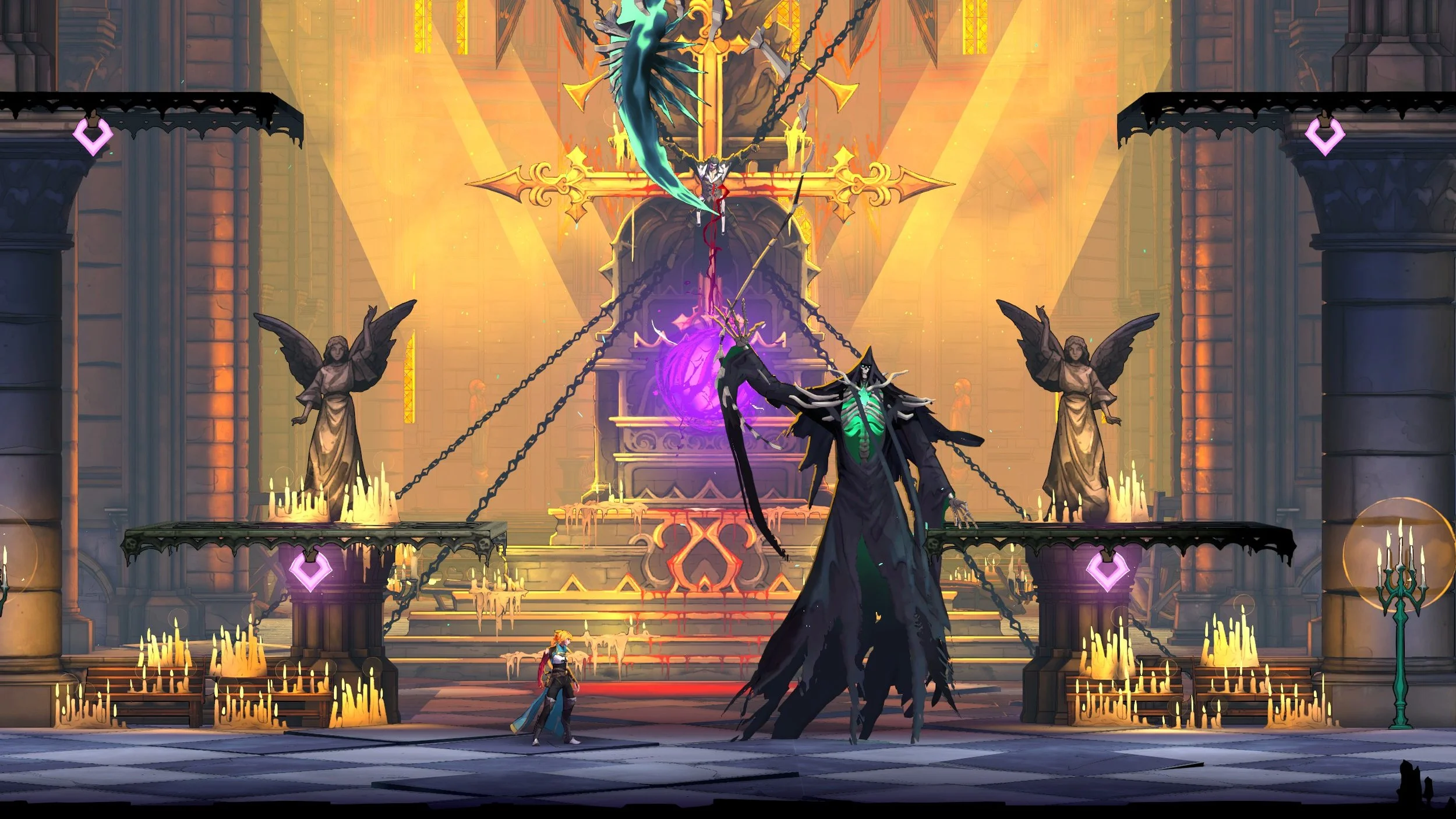
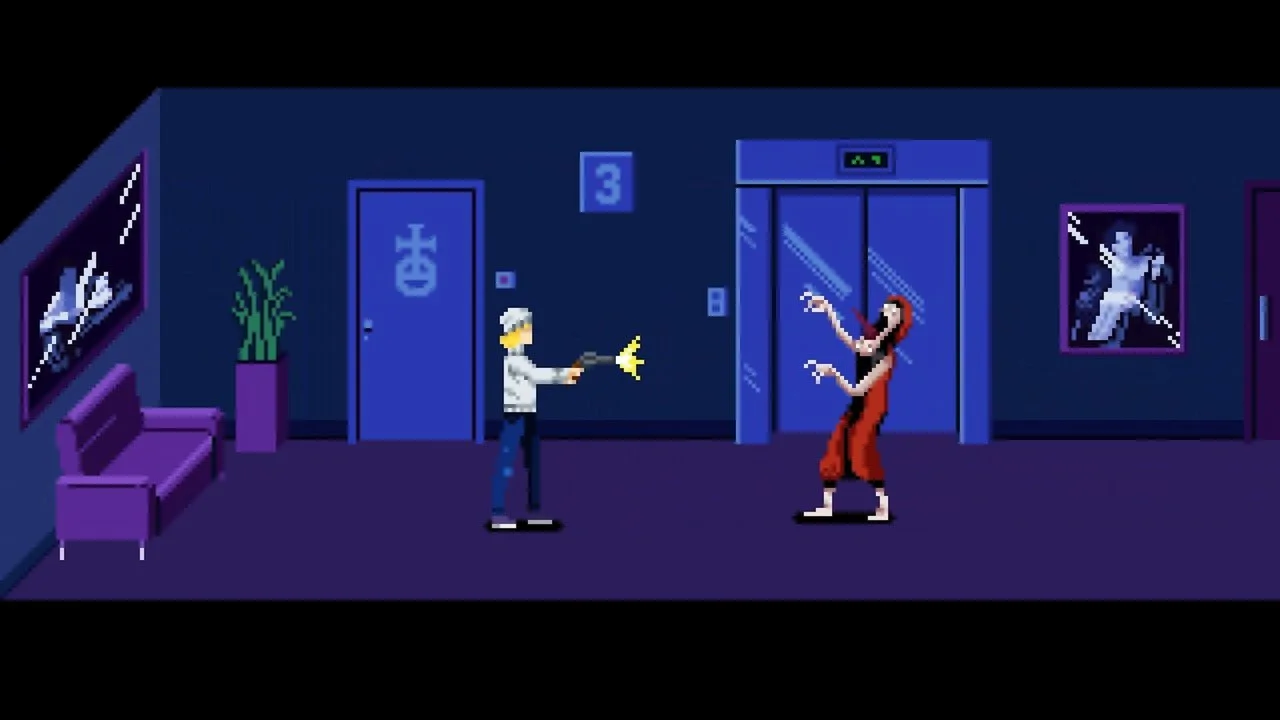
Slots & Daggers is another interesting take that blends a slot with a fantasy RPG game in a story-filled game. Another interesting option is Clover Pit, which is a more horror-themed game where you ned to play a slot to pay off your debt, and hopefully live to see another day. Throughout, you can buy a range of trinkets that will increase your luck in specific ways.
The Russian Roulette Niche
While the above games were demonstrating that gambling mechanics could anchor a cerebral strategy game, Buckshot Roulette was proving they could do something entirely different: generate pure, visceral dread.
Developed by the Estonian solo developer Mike Klubnika, the game places you across a table from a masked dealer in a dingy nightclub. Between you sits a loaded shotgun. Each round, you and the dealer take turns deciding who gets shot, drawing on a known shell count but an unknown loading order. Items are used to complicate the math, like a magnifying glass that reveals the next shell or handcuffs that skip the dealer's turn. All this turns each decision into a rapid-fire exercise in probability under pressure.
The Steam release reportedly sold a million copies in two weeks, and by December 2024 the game had reached four million copies sold. More recently, that figure has surpassed eight million according to App2top. That's an extraordinary trajectory for a game that retails for under three dollars.
Its success on Twitch and TikTok was central to that growth: watching someone reason through a life-or-death decision (at least in the game) in real time, then spectacularly succeed or fail, is almost perfectly engineered for streaming.
As always with large successes, it doesn’t take long before other studios make their own versions based on the success. Since Bucksot Roulette’s release, there have been loads of games that build on the same Russian roulette theme—some with a bigger success than others.
Side Effects is one such option, where the roulette wheel is swapped with pills, but the goal is to be the last one standing and hopefully avoid the poison pill. Bonesaw is another similar, but different, game where you gamble your fingers against the Devil.
Not Every Hit Needs a Twist
Although wacky themes and obscure mechanical combinations always increase the chances of standing out, it doesn't always have to be that complicated. Take Scritchy Scratchy, for example, where all you do is buy scratch cards, unlock upgrades, and chase the jackpot. It's about as stripped back as games get, but that's precisely the point. It replicates the compulsive rhythm of a real scratch card with enough progression layered on top to keep players engaged.
Poker Night at the Inventory is another reminder that the classic formats still have life in them. Originally developed by Telltale Games and released in 2010, the game puts players at a Texas Hold'em table opposite four characters from different franchises: Tycho from Penny Arcade, Max from Sam & Max, the Heavy from Team Fortress 2, and Strong Bad from Homestar Runner.
The poker itself was always secondary to the spectacle of watching these characters trade insults and tell stories across the felt. After being delisted in 2019 when licensing deals expired, a remaster by Skunkape Games launched in March 2026 with improved graphics, overhauled AI, and gamepad support. Its return to Steam with "Overwhelmingly Positive" reviews suggests the appetite for social, character-driven card games never really went away.
Liar's Bar takes a different approach entirely, turning bluffing into a multiplayer survival game. Players sit at a table of four and take turns playing cards face down, declaring a value that may or may not be true. Anyone who suspects a lie can call it, and if the bluff is exposed, the caught player faces a round of Russian Roulette. What makes it work is the same thing that made Buckshot Roulette compelling: the threat of elimination makes every small decision feel enormous, even when the underlying game is familiar. Calling someone a liar in a card game is mundane. Calling them a liar when a loaded gun is on the table is not.
Needless to say, the gambling genre is here to stay. It has produced some of the most inventive and commercially successful indie games in years, which is about as good a sign as any that it still has somewhere interesting to go.