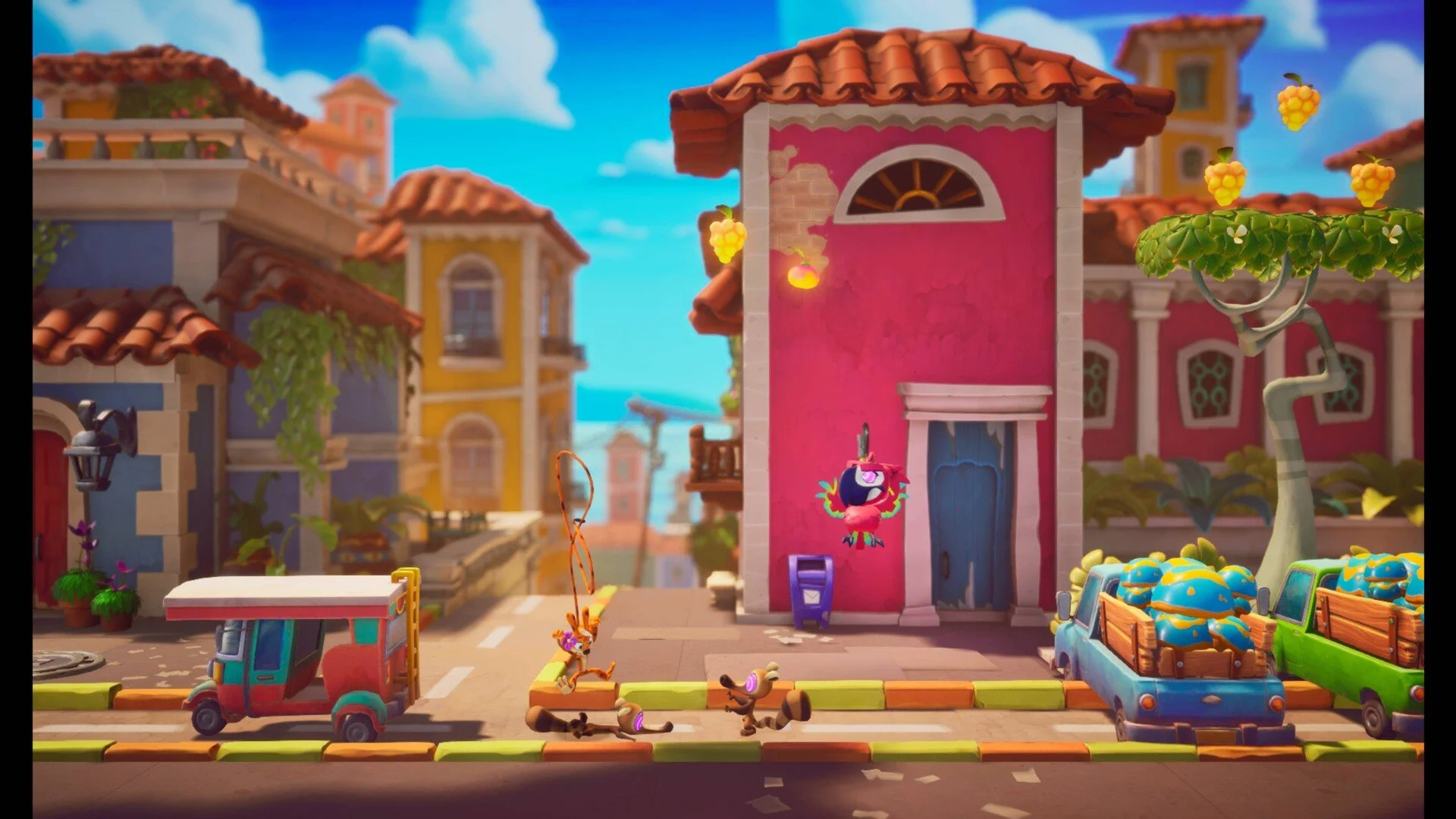
Marsupilami: Hoobadventure was a legitimate surprise back when it launched. I’d never heard of the franchise, but it was a very well-made Donkey Kong Country clone for kids. However, it was as short as it was ridiculously easy. Developer Ocellus Studio apparently heard both of these complaints, so Marsupilami 2: Salsa Polombia is a large improvement that 2D platformer fans are all but certain to get a kick out of.
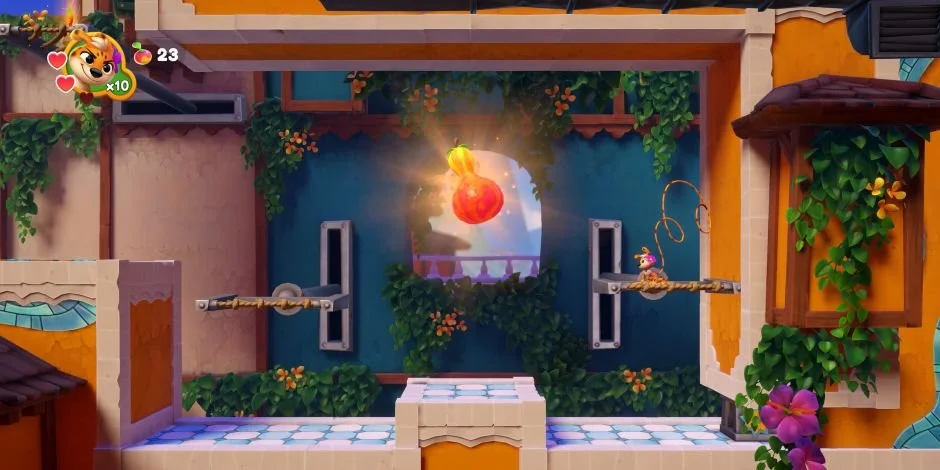
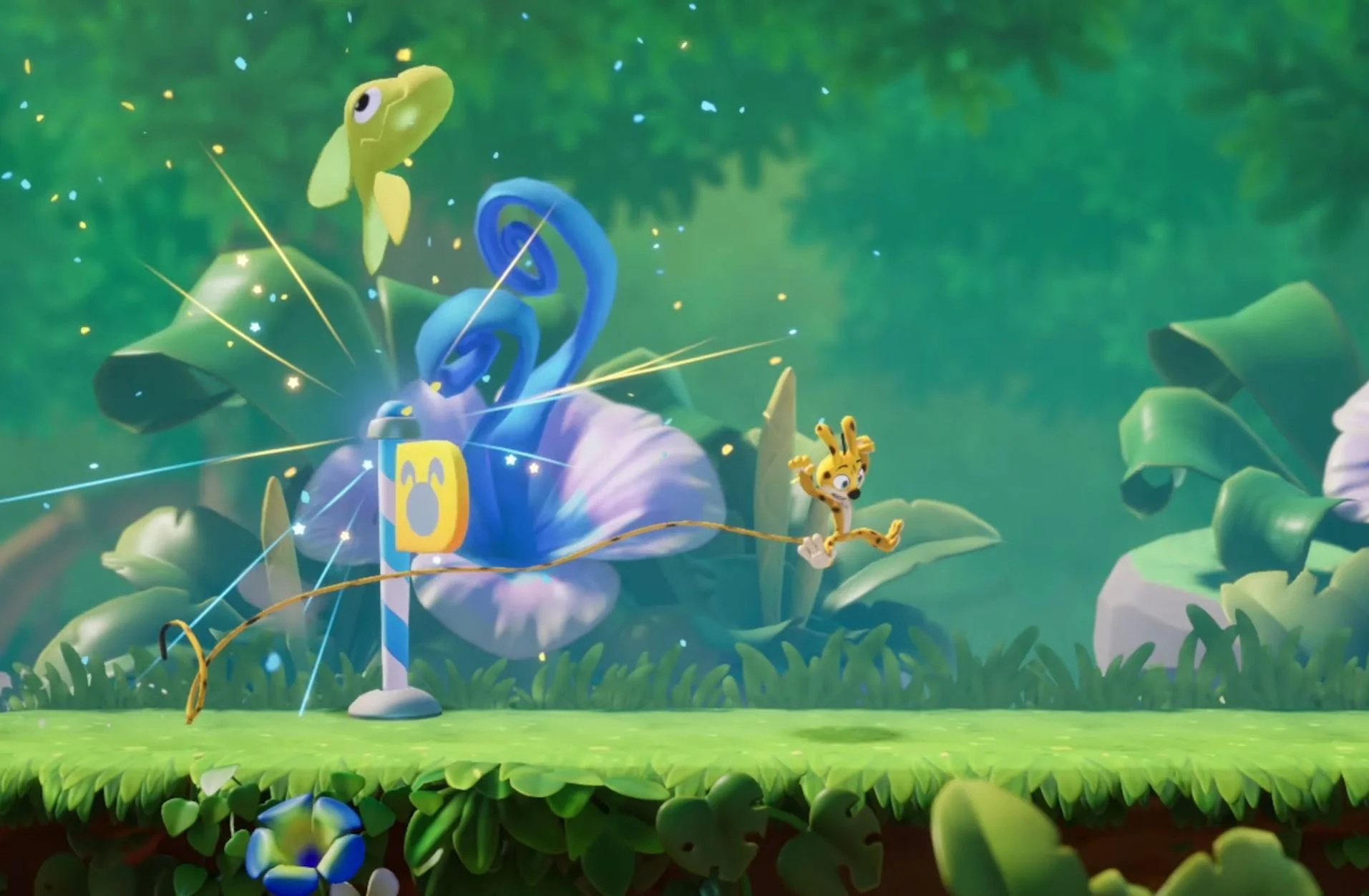
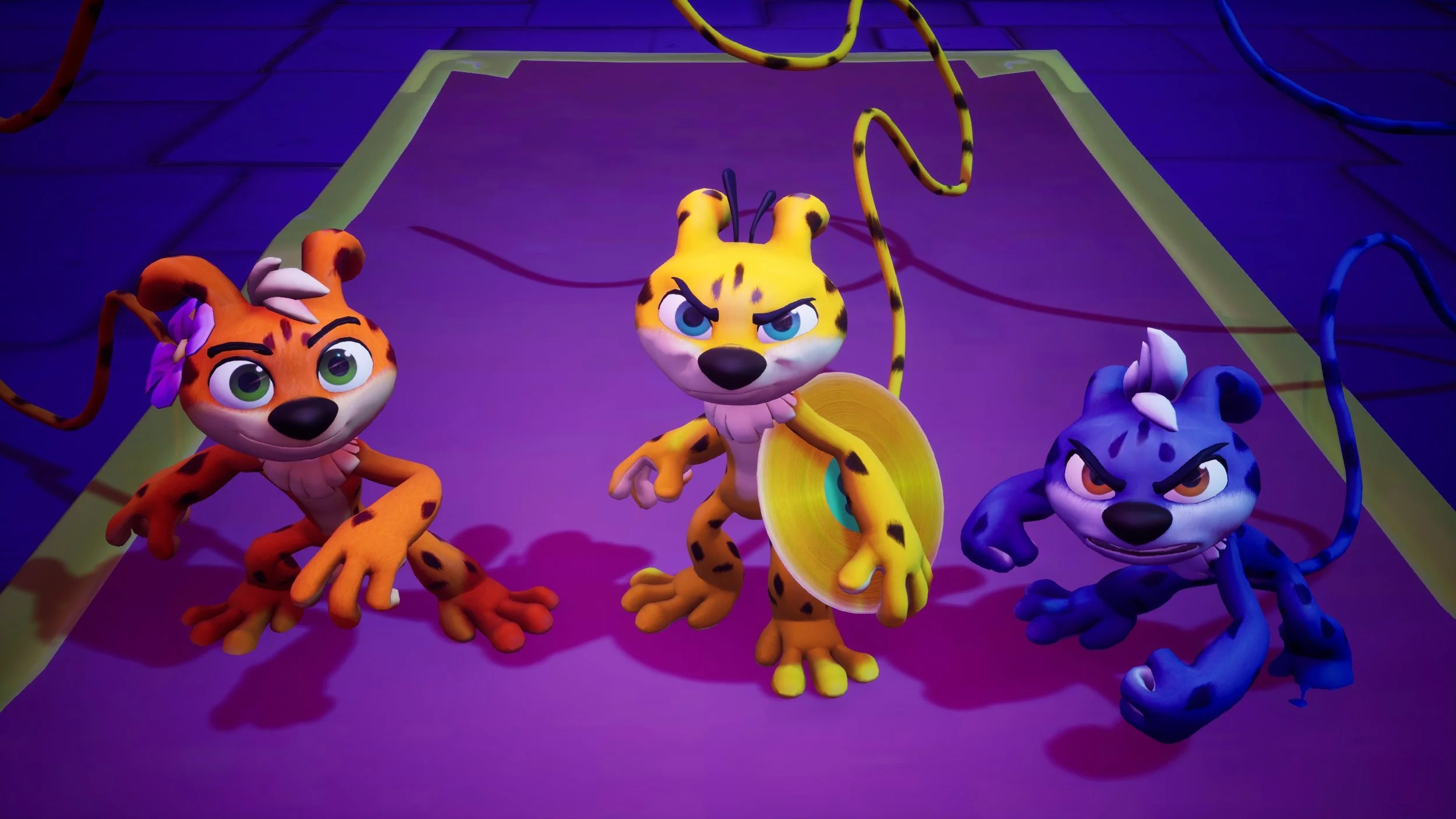
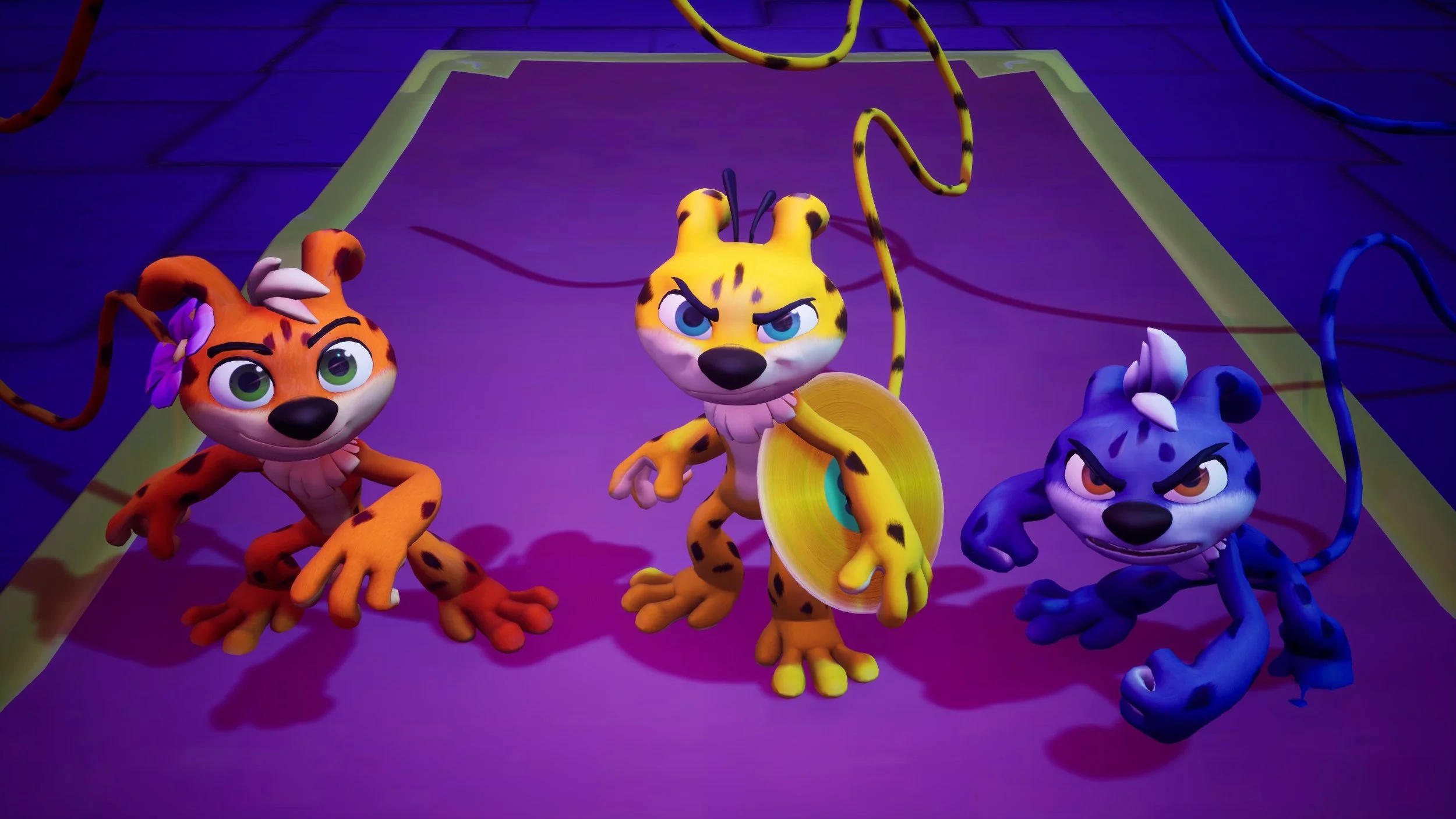
In case you’re not familiar with the franchise, it’s based on an old Belgian comic about cute animal characters with very long tails. While the first game had just a single character, this one has three, each with their own ability. Twister can spin himself forward in the air and then hover; Hope can double jump and bounce on invincible enemies; and Punch can turn into a ball, which lets him bounce up walls and on top of spiked surfaces.
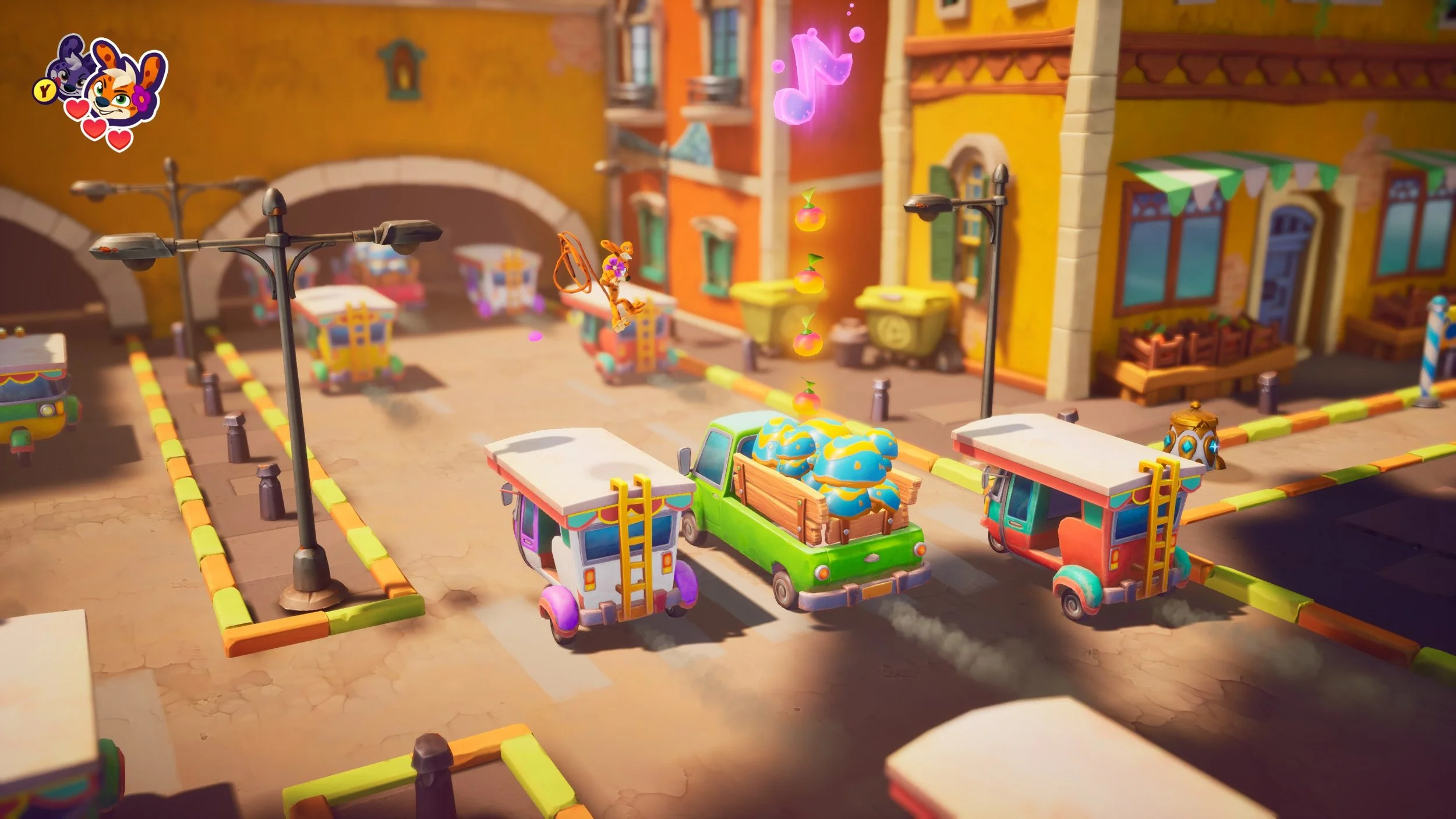
Each level has two characters that you can freely swap between (or play in co-op) and these levels contain hazards and challenges that require a character’s specific ability. This adds so much variety to the gameplay, while also kicking up the skill ceiling. You can swap to the other character at any time alongside a useful slowmo effect that gives you more of a window to react.
Aside from their unique abilities, all characters share the same kit, which mostly return from the previous game. They can roll forward and then maintain a dash, jump, do a downward slam, attack with their tails, and wall jump. The gameplay feels terrific and intuitive here, just as it did last time, although the default walking speed is honestly more than a bit too slow.
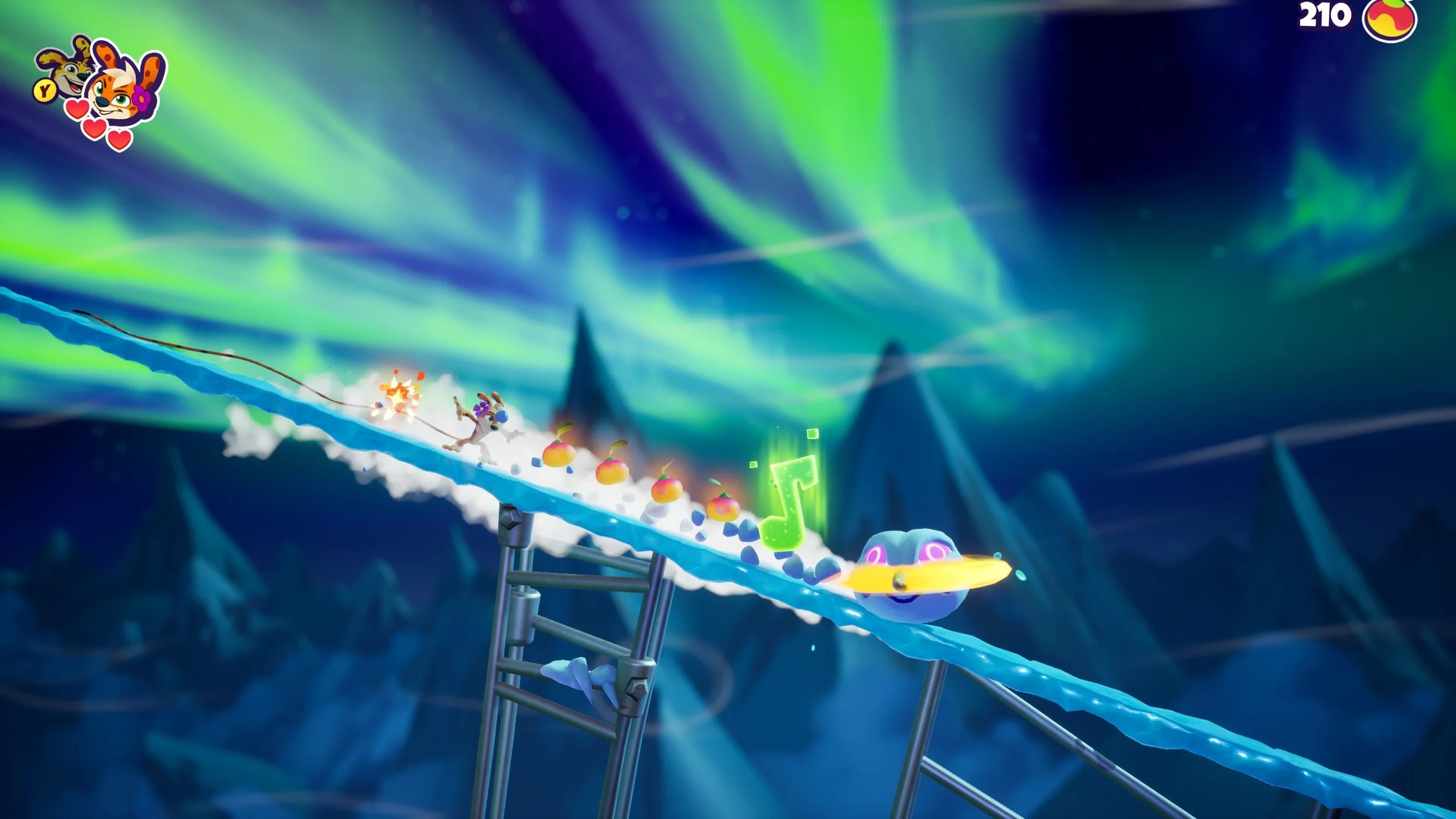
Marsupilami 2: Salsa Polombia is divided into four worlds, each with six or seven levels each. Levels are mostly what you’d expect from the genre; go in, grab collectibles, and then make it to the end. Your main goal, though, is to collect musical notes to unlock the game’s boss fights. Each level has 13 notes to find and you can’t even access the last world until you find at least 60 of each note type (each world has their own).
Levels are broken into Adventure and Salsa modes too. Adventure has 10 notes per level; 5 found in the levels themselves, two obtained by finding and completing a dojo challenge, and three for finding enough fruits. Salsa mode, however, has you collecting fruits in a chain to keep a multiplier up. If you don’t collect another fruit fast enough or get hit, your multiplier gets broken.
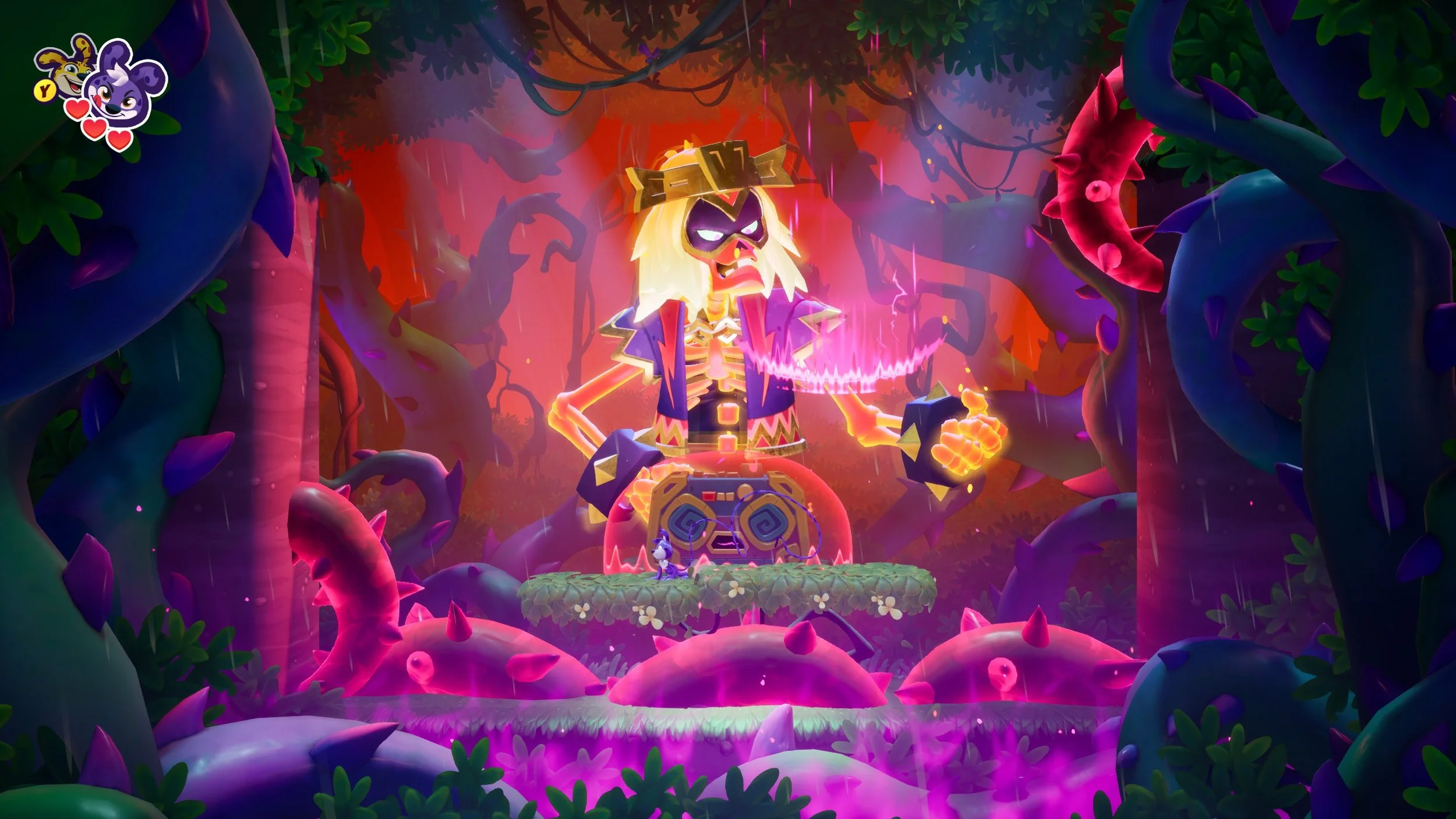
The game isn’t terribly punishing, but it features a fair amount of challenging sections. The real difficulty comes from getting a high enough fruit score in Salsa mode to get all three notes, which often requires you to perform very well. This typically needs careful memorization of the levels and lots of practice, so this game will actually take a lot of effort to 100%.
On top of that, there are extra dojo challenges in each world, so the game will almost certainly take well over a dozen hours to fully complete, even if you can get to the end by going through each level once in just five hours or so.
Verdict
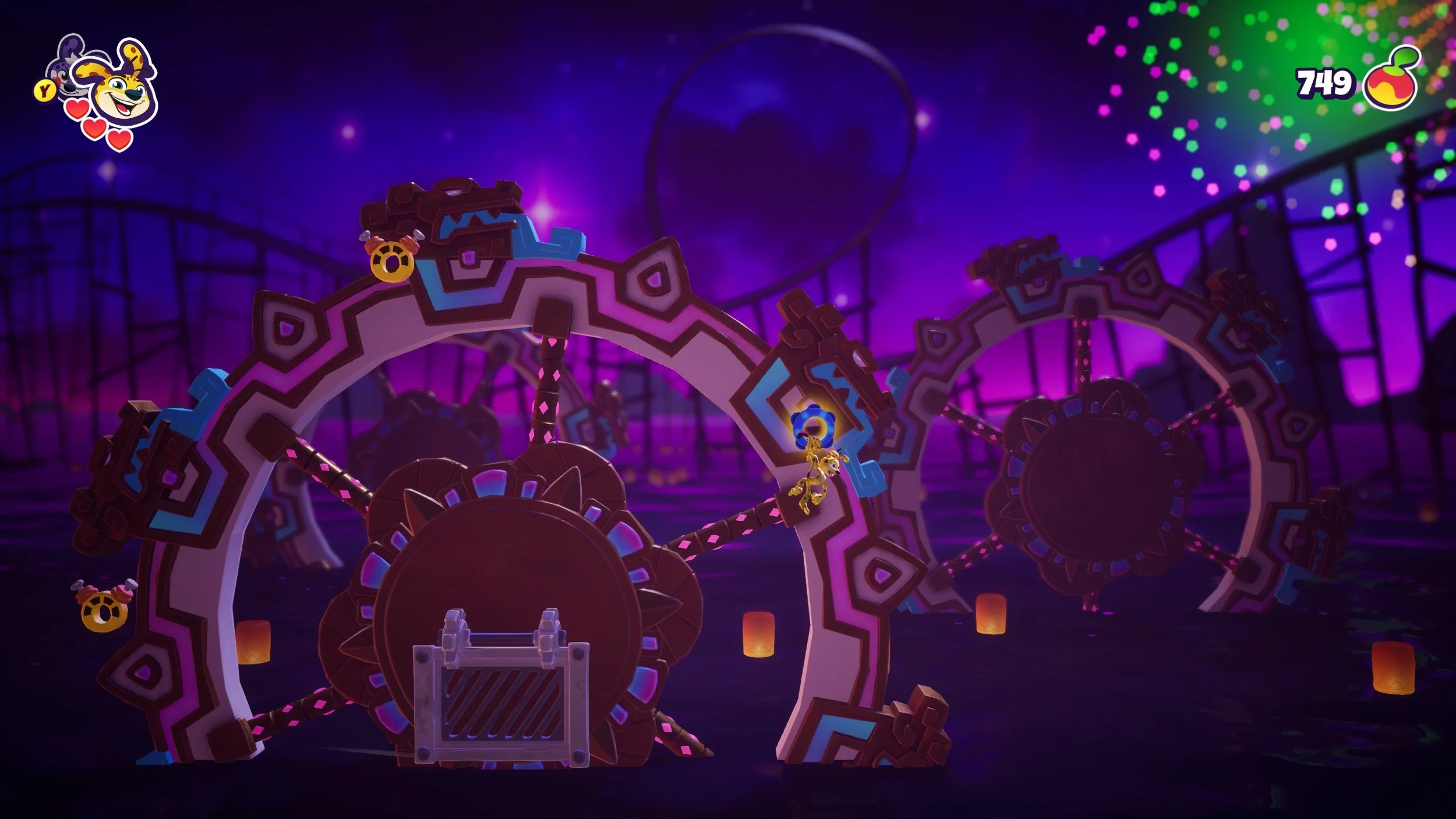
The level design in Marsupilami 2: Salsa Polombia is terrific and variable; the graphics have tons of personality; the controls are excellent; and the game is just plain fun. If you’re in the market for a great 2D platformer, you really can’t go wrong with this one.