Reviewed on: PC
Code provided by the publisher.
With Resident Evil Requiem and PRAGMATA also releasing this year, CAPCOM is currently enjoying a serious streak of greatness. I’ve been playing previews and demos for Onimusha: Way of the Sword since September of last year, so I was excited to finally sink my teeth into the complete experience and discover whether it could follow in the footsteps of CAPCOM’s other recent successes.
Thankfully, Onimusha: Way of the Sword proves that CAPCOM’s streak is far from over.
Onimusha: Way of the Sword is a new installment in the long-running Onimusha franchise, but it doesn’t continue the story of the previous games. Instead, it offers a completely standalone adventure that requires no prior knowledge of the series. Considering how long it has been since we received a new Onimusha game, this approachable starting point works heavily in its favor.
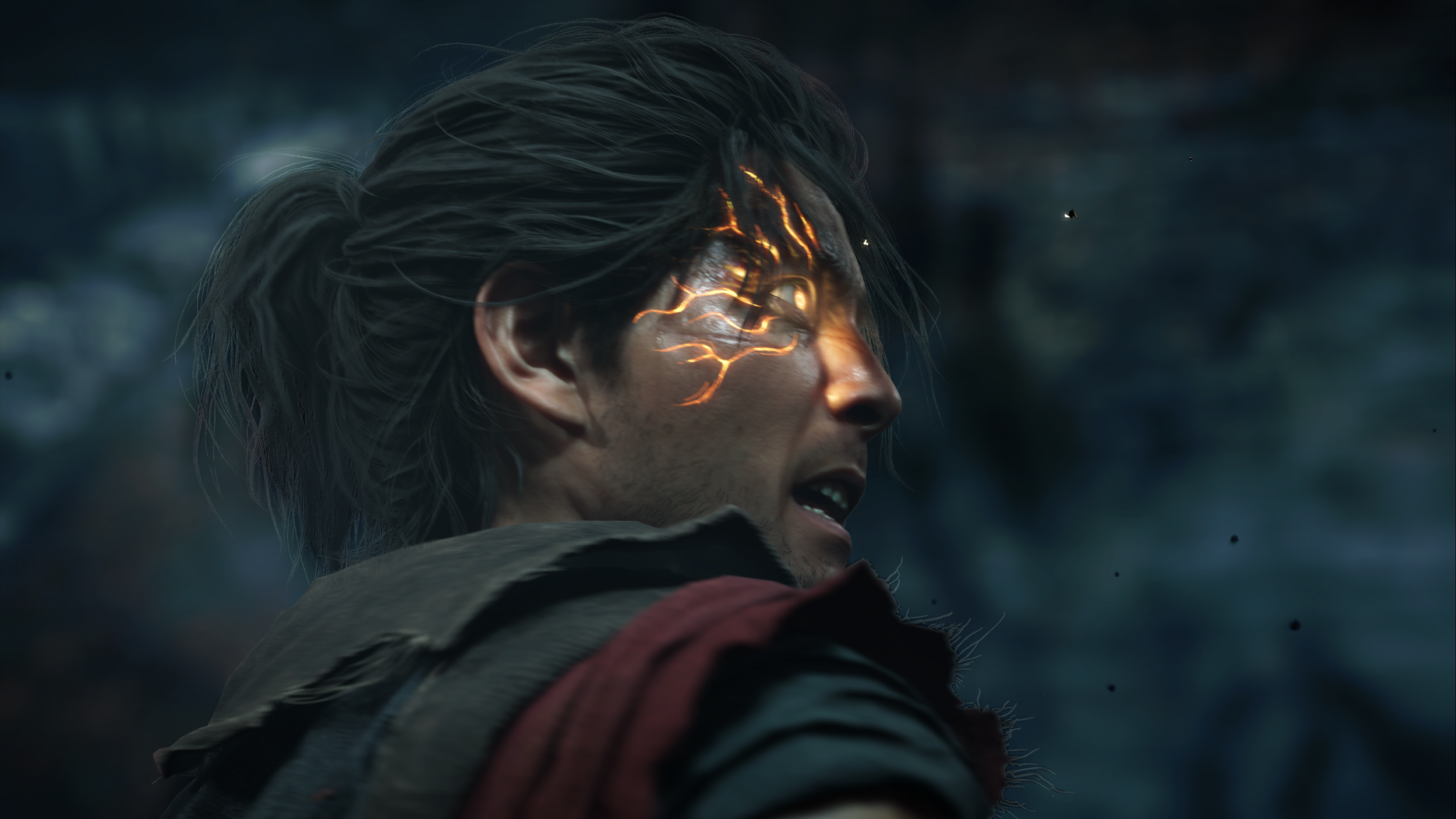
The game follows Musashi through an Edo-era Kyoto at the end of his mortal life. Musashi and his counterpart, Ganryu, meet similar demises around the same time. While on their way to Hell, they are told that their deaths were a waste and are each given an Oni Gauntlet. These gauntlets grant them otherworldly strength and the ability to absorb souls.
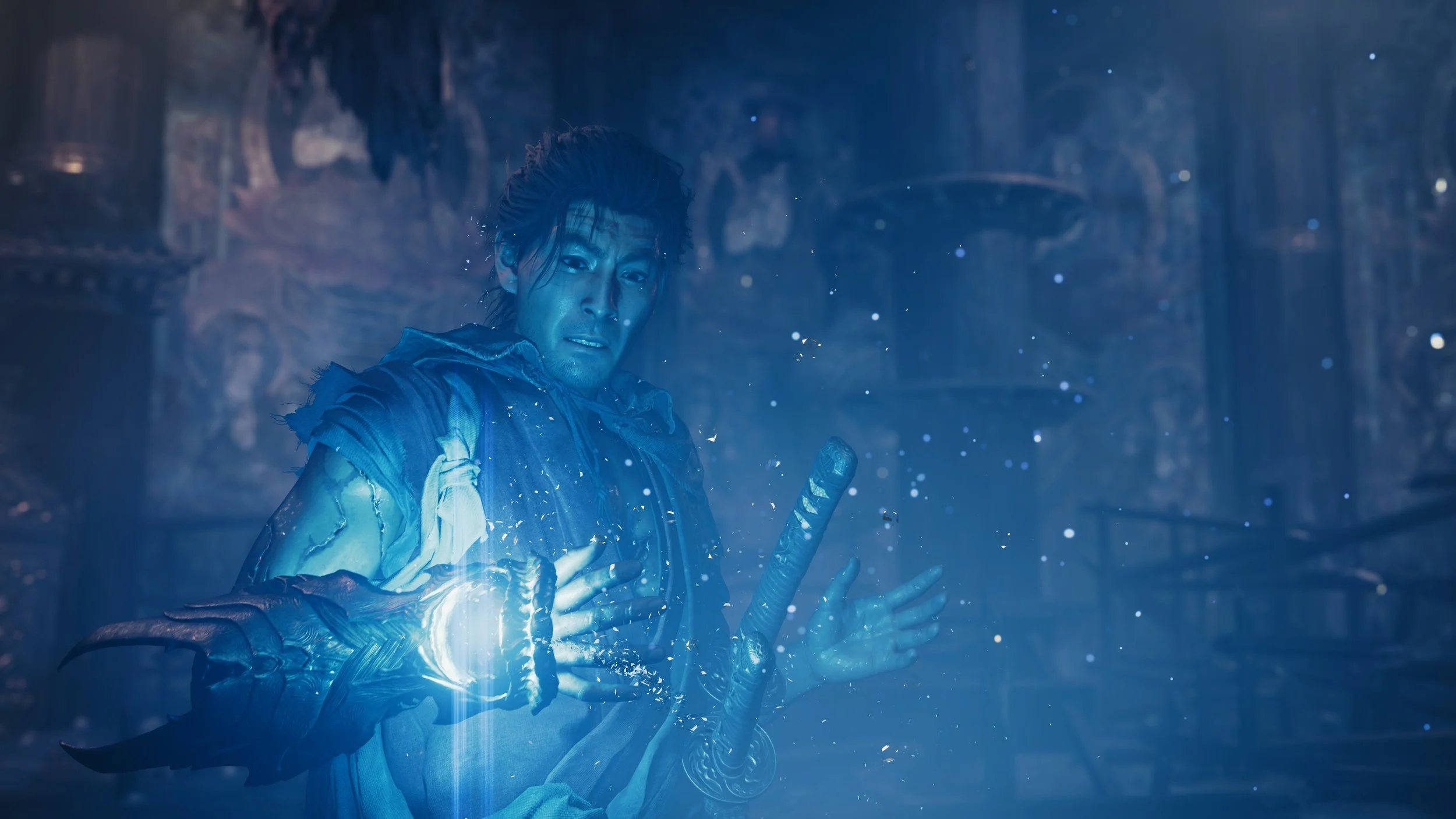
Ganryu happily embraces the gauntlet’s power and begins absorbing human souls. Musashi may not have been a particularly good person during his life, but even he draws the line at taking innocent lives. Instead, he uses the Oni Gauntlet to fight the Genma and purify the Malice spreading throughout Kyoto.
This region of Japan has become consumed by Malice, allowing the Genma to escape the Underworld and enter the mortal world. Musashi initially wants nothing more than to remove the Oni Gauntlet and accept his death, but he agrees to help purify the Malice in the hope of eventually freeing himself from it.
The story is fairly simple, but it remains enjoyable throughout the adventure. More than anything, however, it acts as a serving platter for the gameplay and that is where Onimusha: Way of the Sword truly shines.
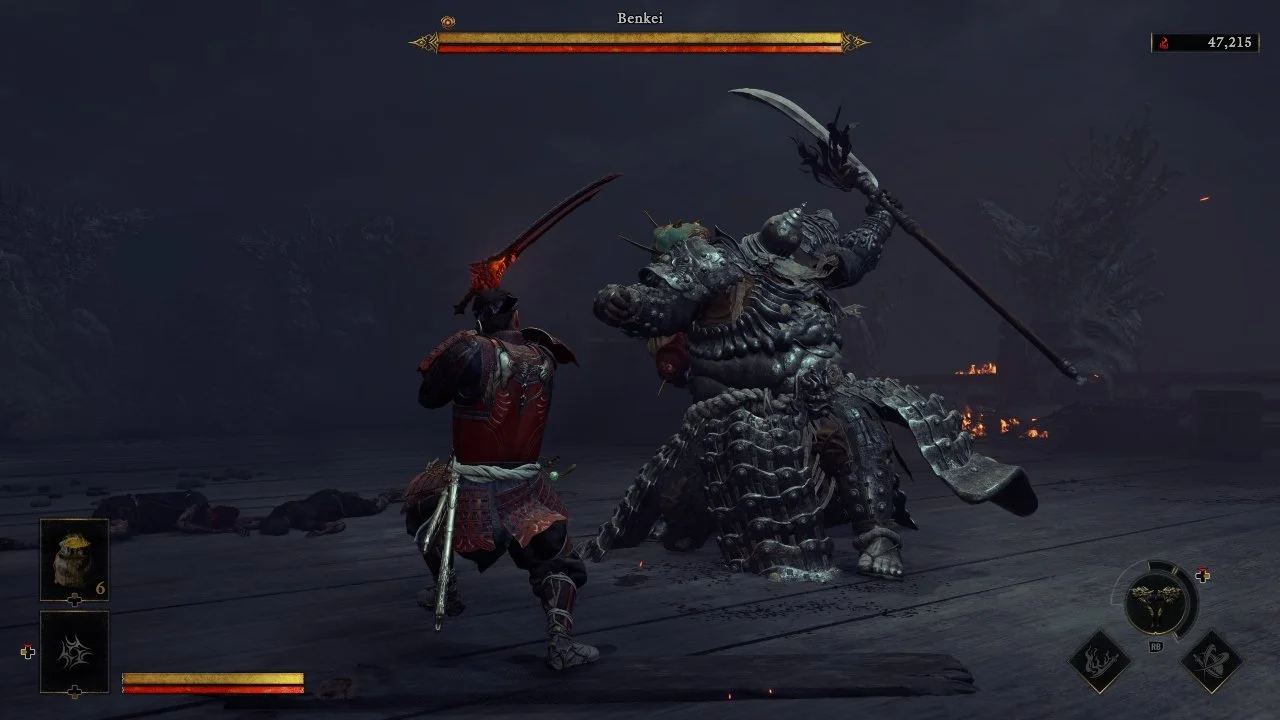
Combat is built around carefully timed attacks, blocks, parries, and deflections, but it never felt brutally difficult during regular encounters. I’m not the best at timing-based combat found in games such as Soulslikes, so I appreciated how Onimusha serves as a bridge between a traditional action game and something more demanding.
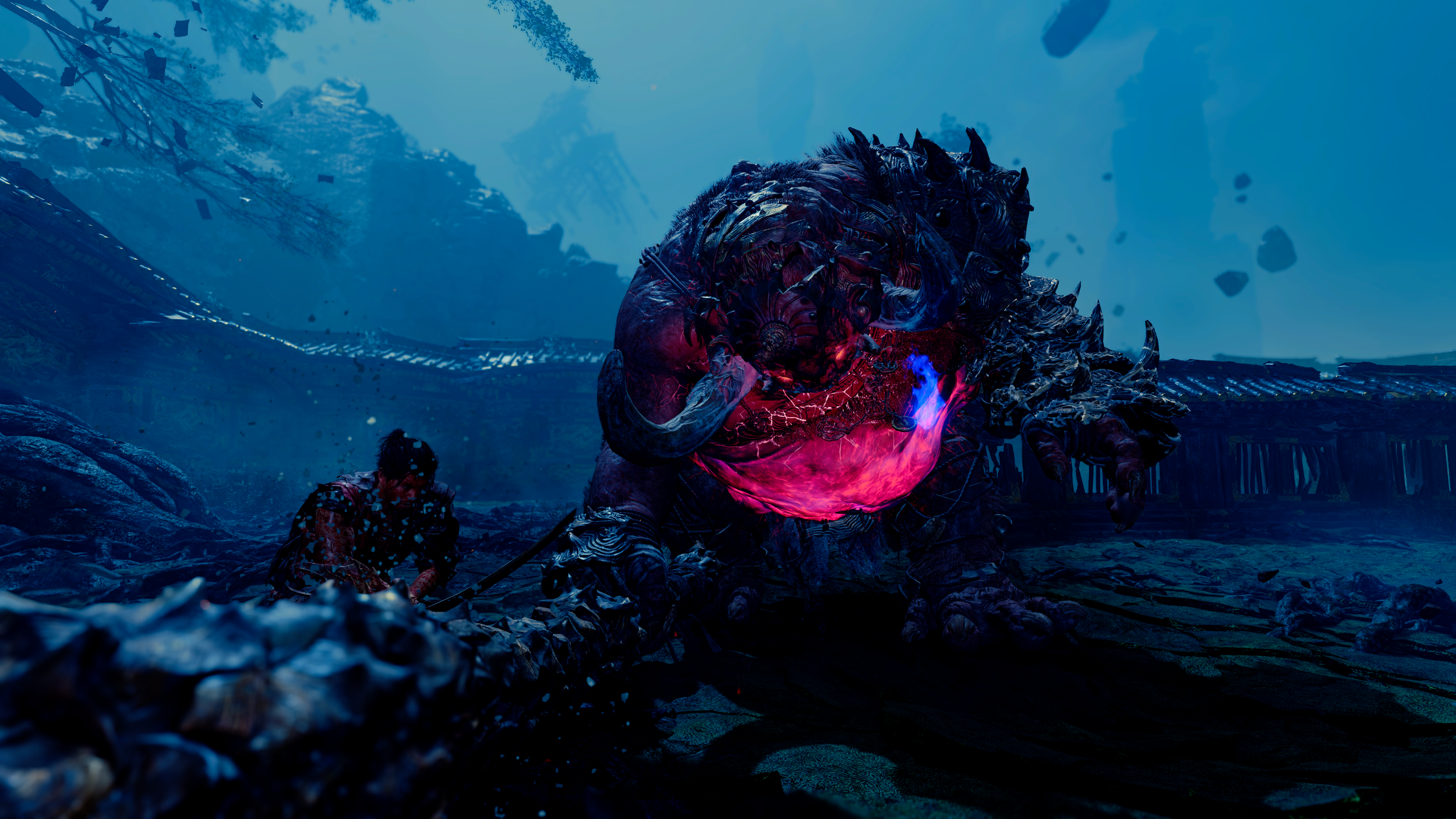
Most standard Genma become fairly easy to handle, especially once you begin upgrading your equipment. The boss fights are a completely different story. They can be genuinely challenging and occasionally frustrating, but they are also among the most entertaining boss battles I’ve ever encountered. Each one tests your understanding of the combat system without making victory feel impossible.
Even when I was struggling, I still wanted to jump back into the fight and try again. That balance between challenge and accessibility is one of the game’s greatest strengths.
Onimusha: Way of the Sword is at its most visually impressive whenever Musashi enters the Dark Realm. These areas allow the game’s colors, lighting, and supernatural imagery to fully shine.

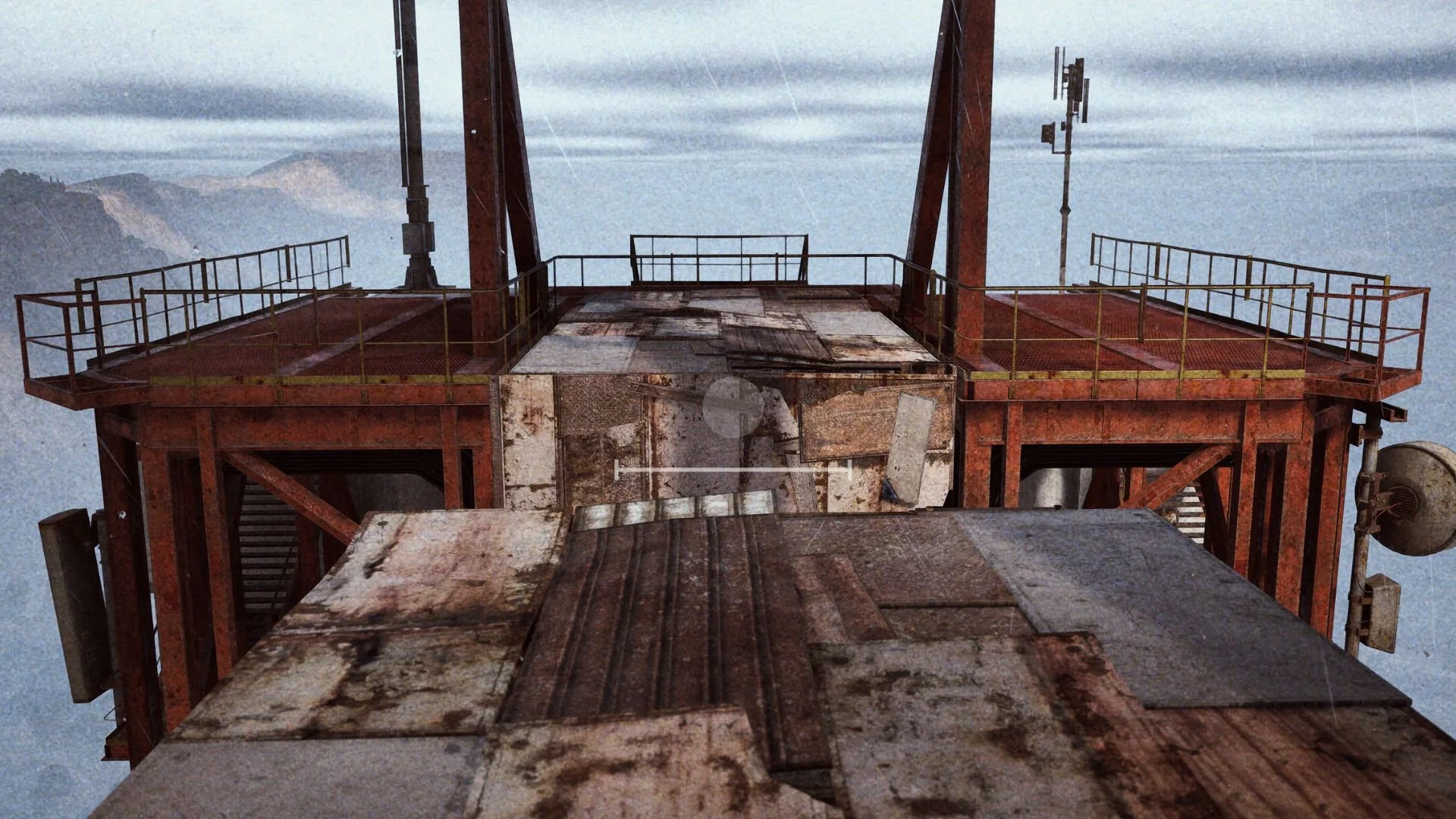
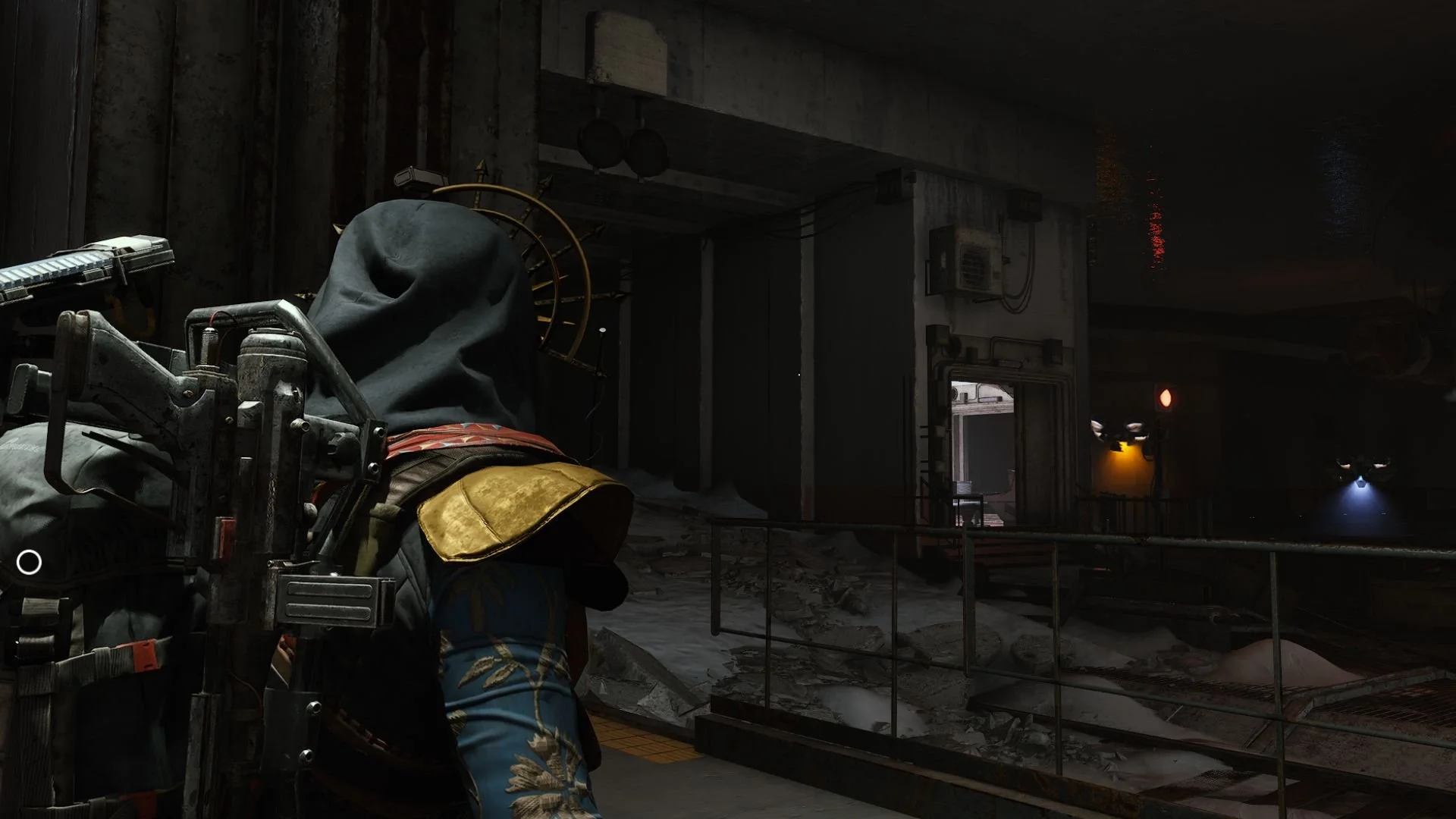
By comparison, much of Kyoto is intentionally grim, gray, and devoid of color. The environment can occasionally feel a little drab, but that muted presentation creates a striking contrast with the Dark Realm. There are also moments when a false veil is placed over the world and its color temporarily returns. These sequences are beautiful and provide a glimpse of what Kyoto may have looked like before Malice consumed it.
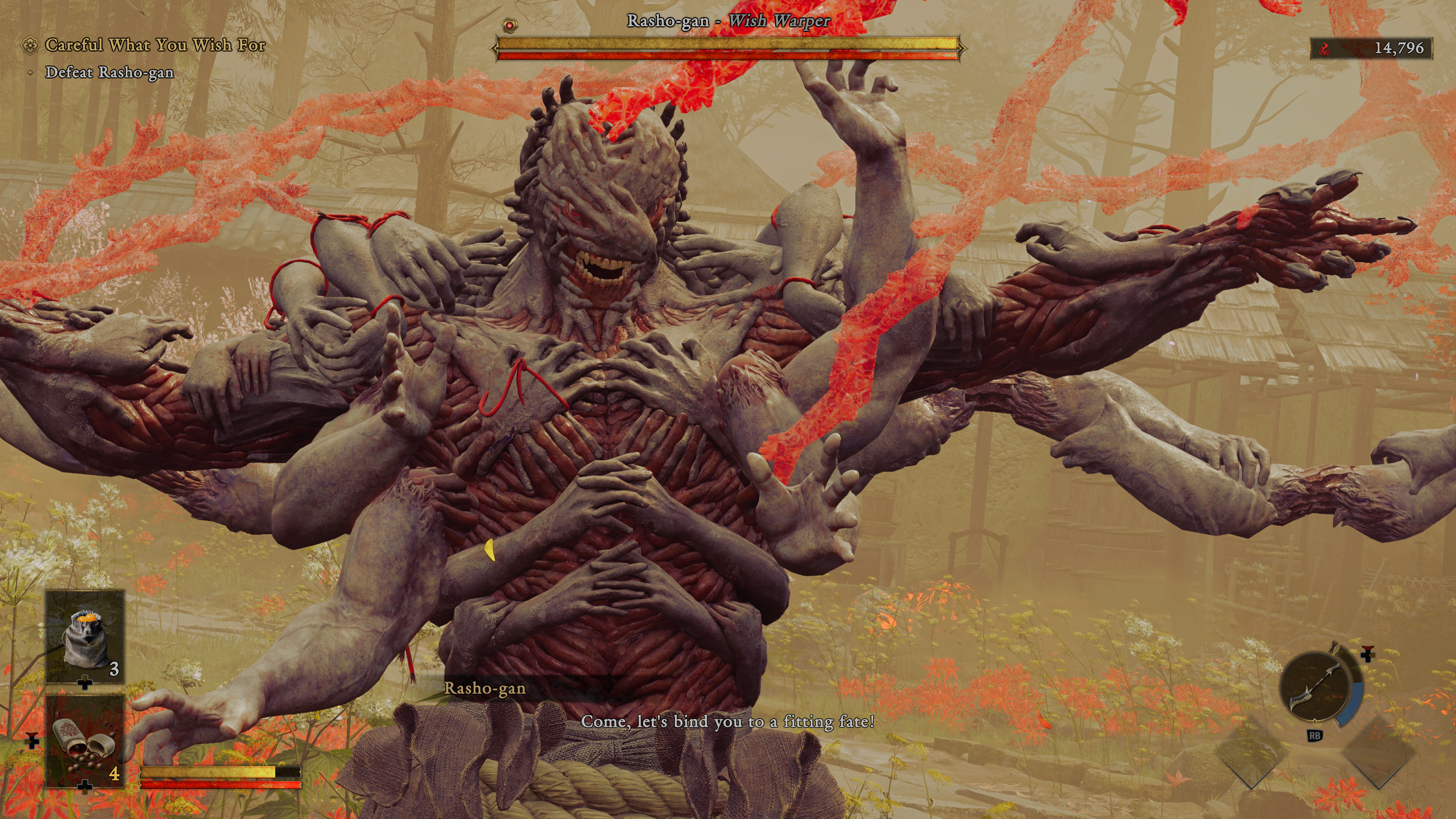
The enemy designs are, quite simply, so freaking cool.
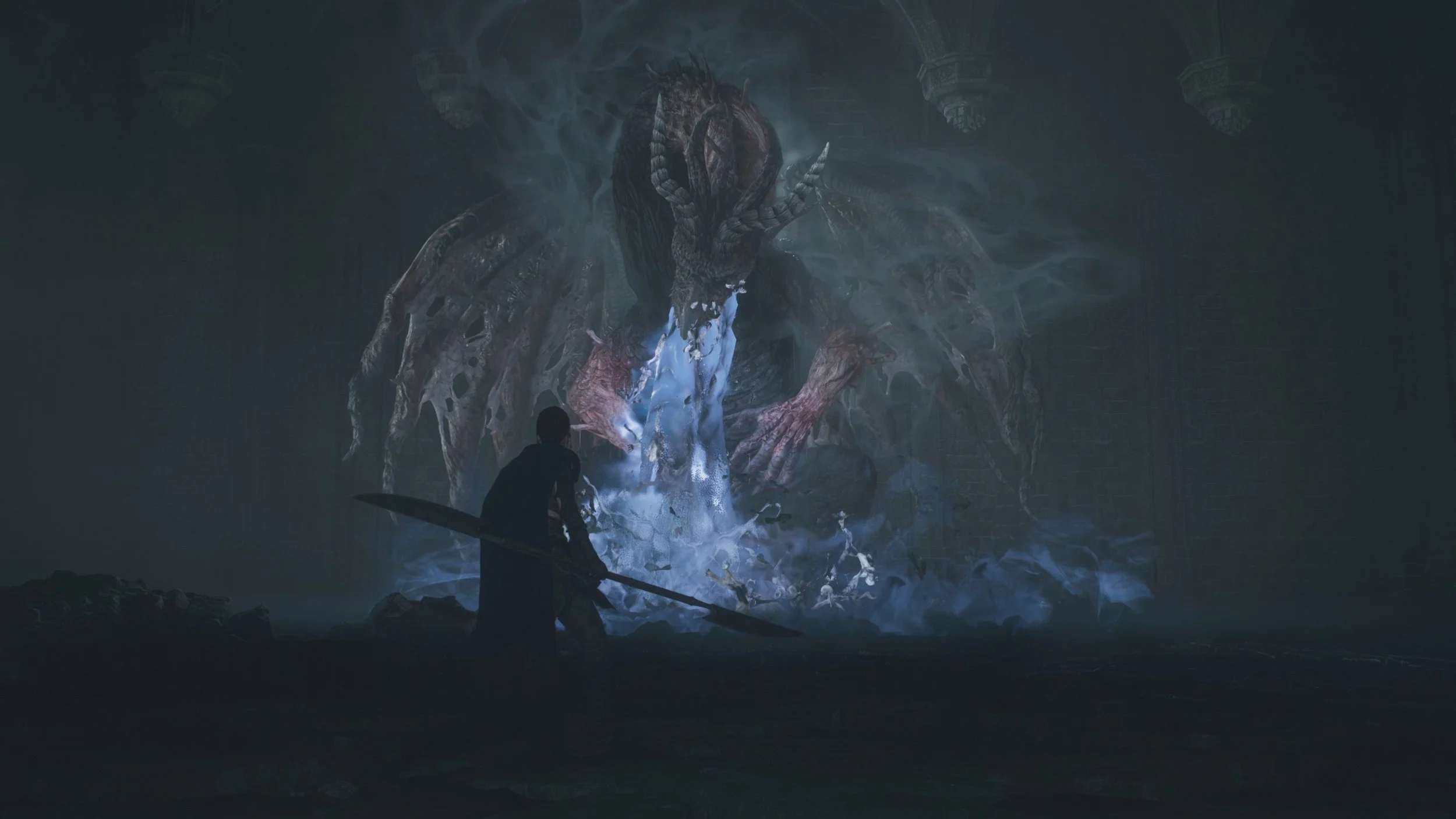
CAPCOM completely outdid itself with the Genma, especially when it comes to the game’s bosses. These creatures are grotesque, intimidating, and packed with intricate details. If they weren’t constantly trying to kill me, I would have happily stopped fighting just to stare at them. Their designs give every major encounter a distinct identity and make discovering the next boss nearly as exciting as fighting it.
Feedback
There are portions of the game that begin to feel like a series of fetch quests. Fortunately, Onimusha: Way of the Sword usually recognizes when that repetition is starting to set in and reels the experience back with an exciting boss fight, meaningful reward, or visually memorable sequence.
My larger issue is with the Story difficulty. It doesn’t simply make combat easier; it removes too much of what makes the combat satisfying.
While playing on Story, it often felt like my button choices didn’t matter. Combos became unnecessary, and there were even moments when blocking seemed practically irrelevant. That may help players who only want to experience the narrative, but it also strips away many of the mechanics that make the game special.
I ultimately spent most of my time on Combat difficulty because it provided a much more engaging experience. Unfortunately, players who find Combat too frustrating—or simply prefer an easier difficulty—may receive a lesser version of the game. A better middle ground could have preserved the importance of combos, blocking, and timing while making enemies more forgiving.
Verdict
Onimusha: Way of the Sword successfully revives the franchise while remaining completely approachable for newcomers. Its story may be relatively simple, but it provides a strong foundation for an adventure carried by outstanding combat, phenomenal creature designs, and some of the most enjoyable boss fights I’ve experienced.
Kyoto’s muted presentation and a few repetitive objectives occasionally slow the game down, while Story difficulty removes too much of the combat system’s depth. Neither issue, however, prevented me from having an incredible time.
CAPCOM has once again delivered an action game that feels polished, confident, and incredibly fun to play. After following Onimusha: Way of the Sword through previews and demos for nearly a year, the complete game still managed to meet—and frequently exceed—my expectations.
The CAPCOM streak continues.
Onimusha: Way of the Sword is available September 4th on PC via Steam, Xbox Series X|S, PlayStation 5, and Nintendo Switch 2.