Reviewed on: PC
Code provided by the publisher.
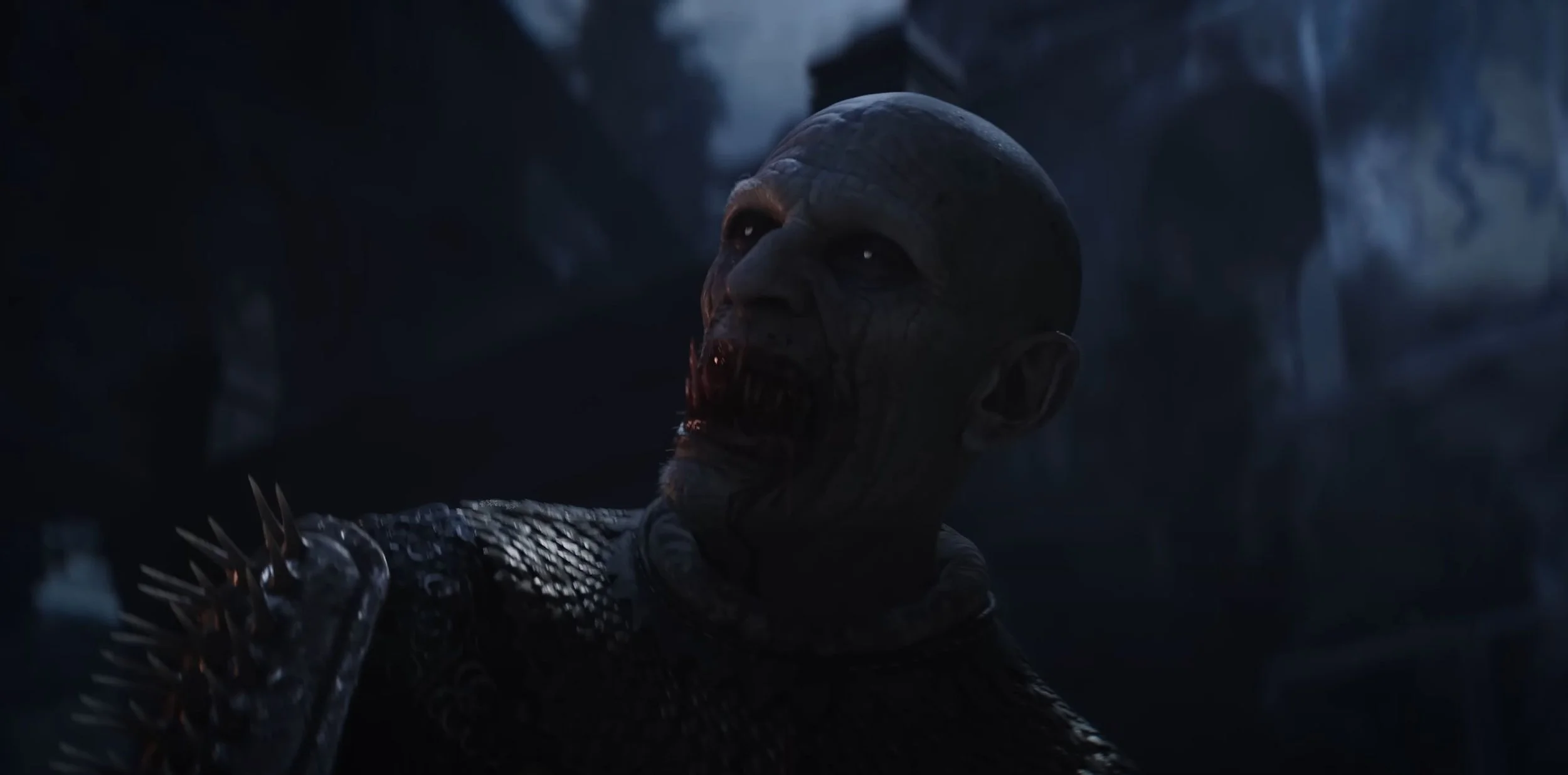
Bandai Namco’s library of games is truly all over the place and that’s a good thing! Their willingness to explore different genres shows just how much range the publisher has. Their latest release, The Blood of Dawnwalker, delivers a brutal and relentlessly dark interpretation of vampires as true creatures of horror.
The game received a massive marketing push, creating some lofty expectations ahead of its release. The question is: Does The Blood of Dawnwalker live up to them?
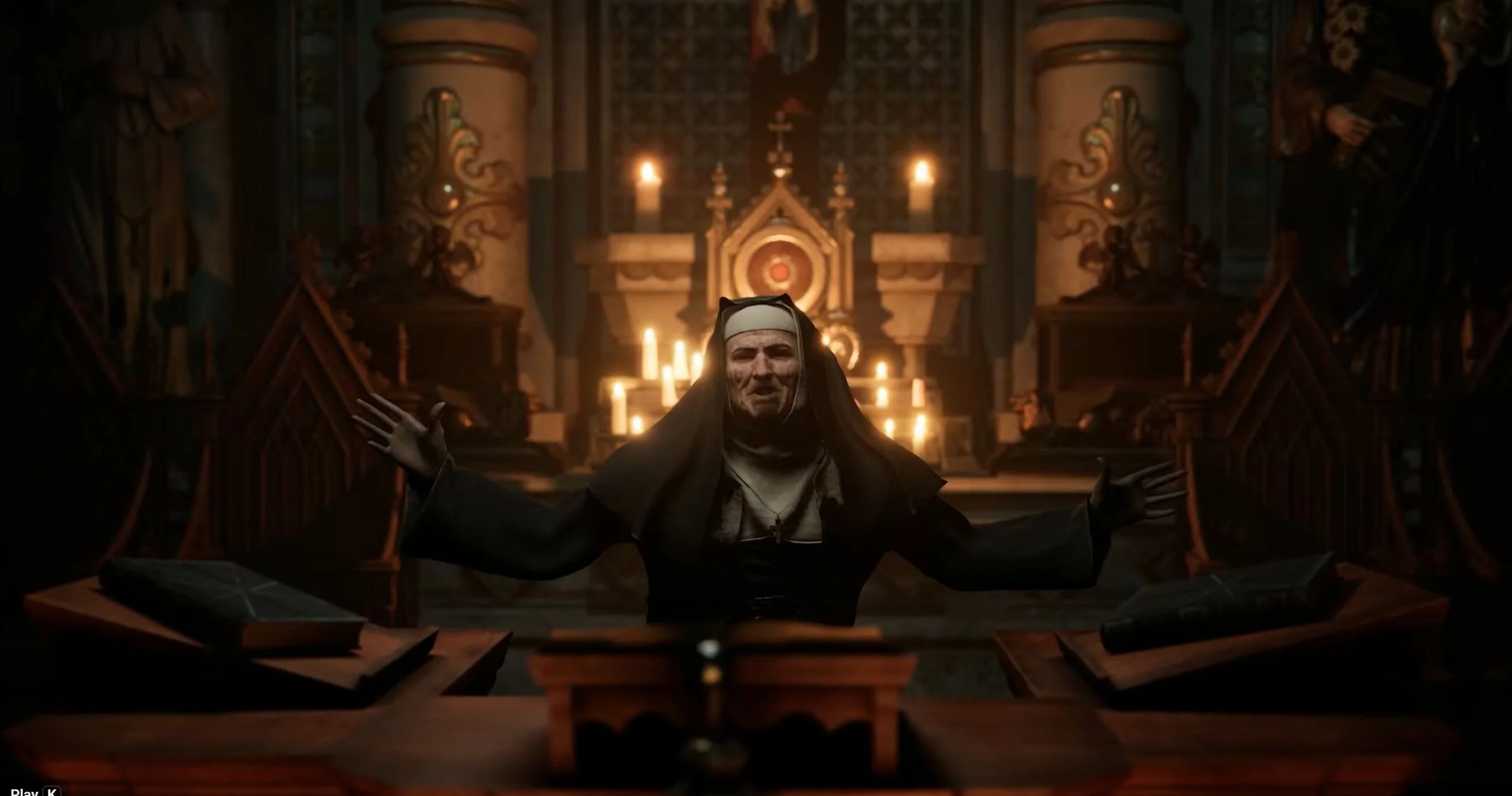
The Blood of Dawnwalker tells a grim and brutal story. You play as Coen, a young man with a sick mother and a strong moral compass. Coen’s small town has fallen under the control of a powerful vampire named Brencis. Despite his cruelty, Brencis considers himself an honorable ruler. He demands no taxes, labor, or many of the other burdens normally imposed on the villagers. Instead, every adult must surrender a pint of blood during a monthly event known as Mass.
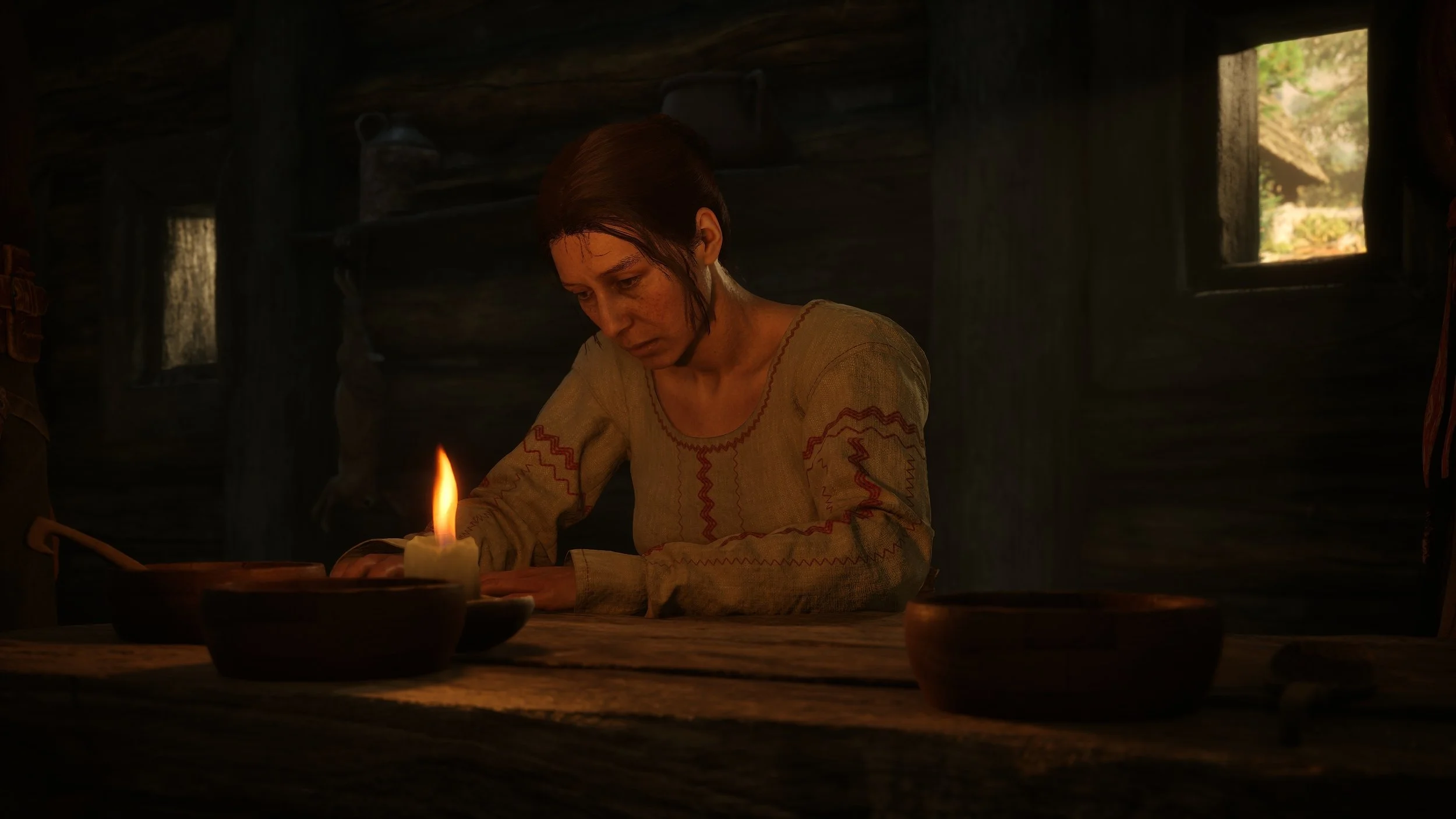
The very first mission in the game leads up to the first Mass you (the player) bear witness to, and Coen’s mother is clearly too sick to provide blood. Brencis is not known for showing mercy, however, and still expects her contribution. She’s seen as weak and therefore treated poorly and tossed down the steps as Brencis calls her “weak-blooded” and Coen has a deep care for his people so he speaks out and calls Brencis for what he truly is… a Monster.
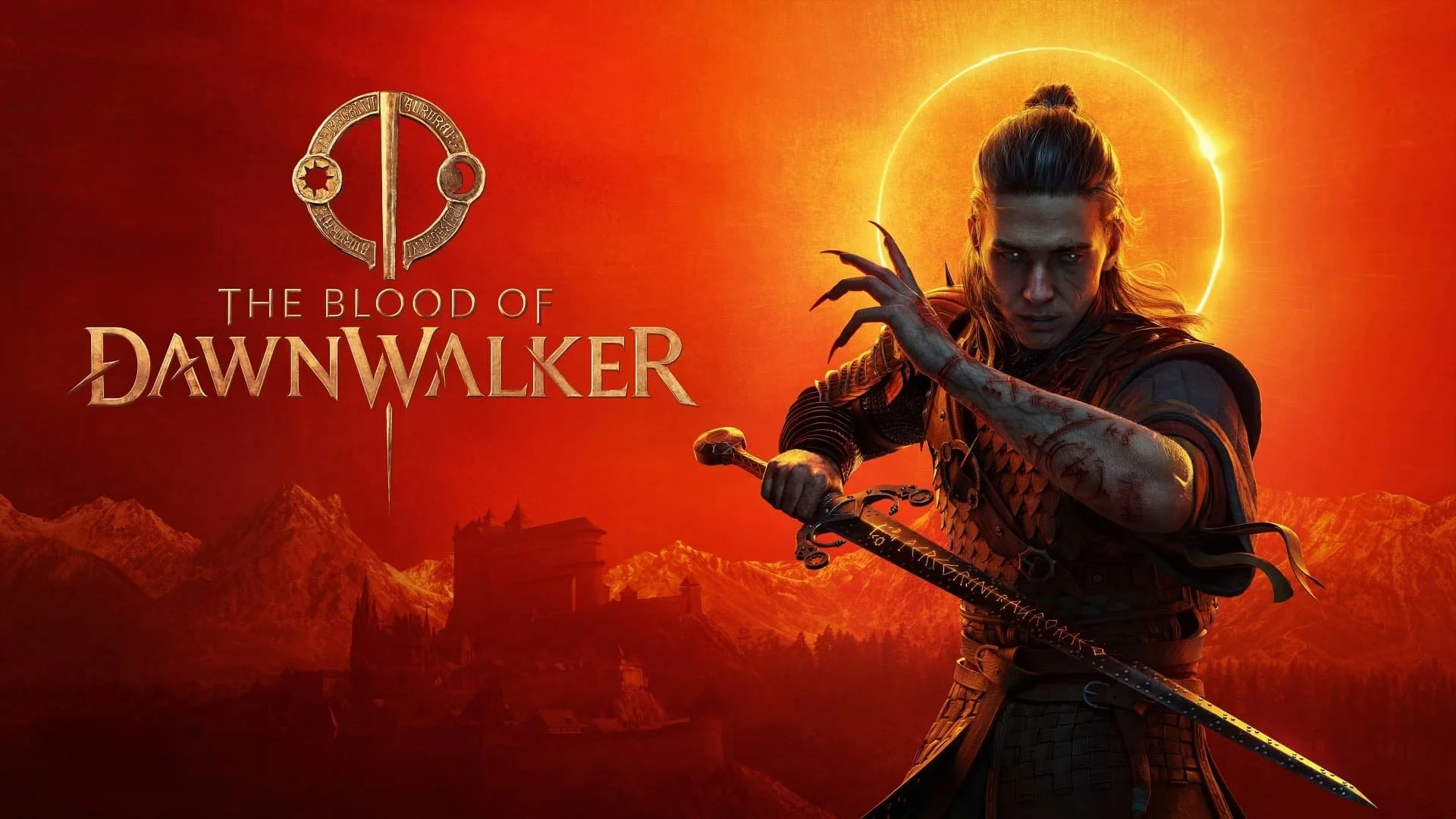
This becomes the breaking point for everyone involved, the villagers decide it is time to rebel, while the Vrakhiri determine that it is time to cull the weak. What follows is a bloody confrontation that ultimately results in Coen being turned. However, Coen is no ordinary Vrakhiri and he does not immediately become a monster like the others. With his morality still intact, he becomes a Dawnwalker: a Vrakhiri by night and a human by day.
From here, the game truly opens up.
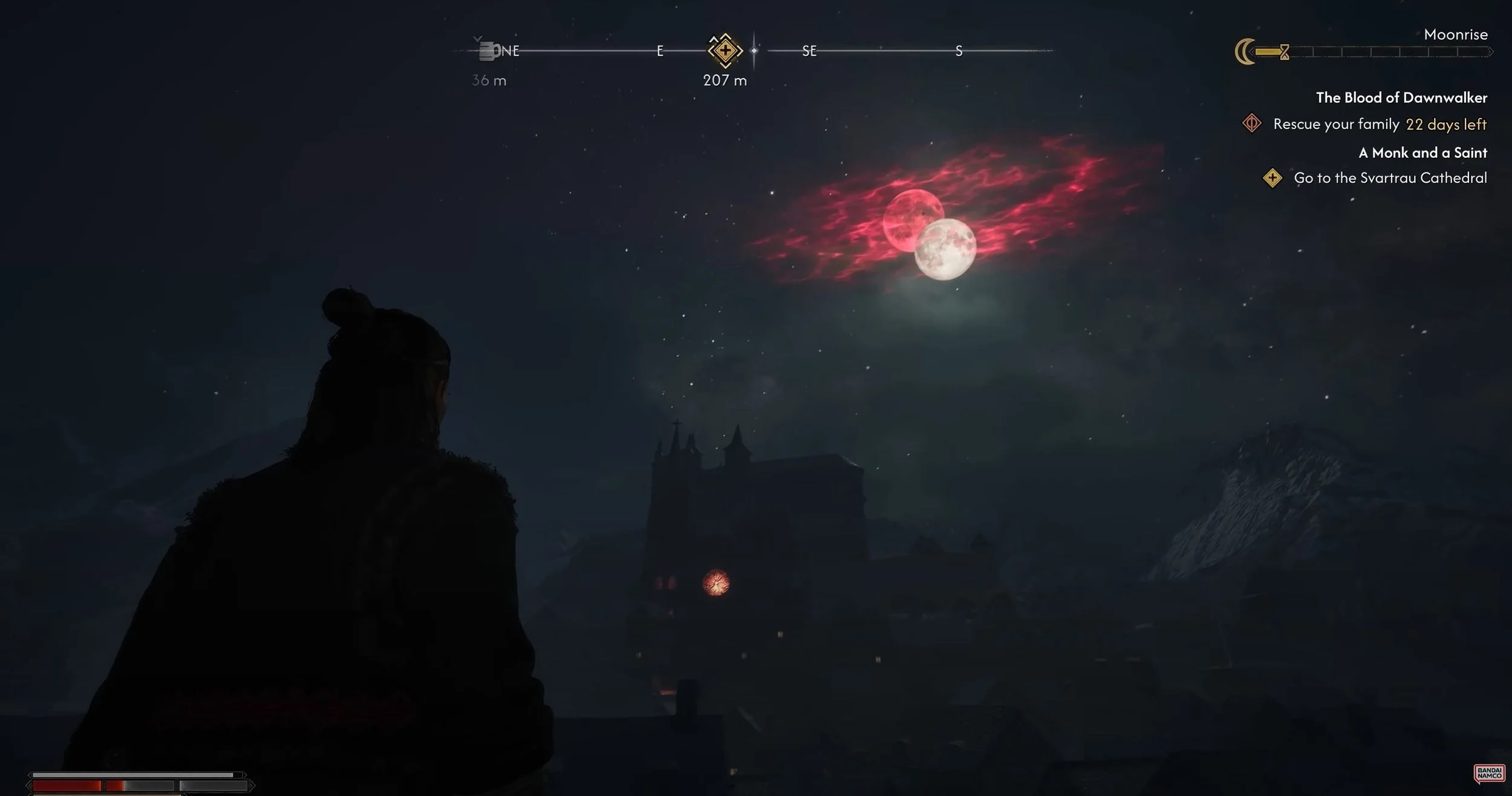
The Blood of Dawnwalker describes itself as a “narrative sandbox,” and that is an excellent way to explain its structure. The introduction may be the same for every player, but the direction the story takes afterward is largely up to you. You are given 30 days and 30 nights to complete the main story. Will you hold on to your humanity and do everything possible to save your family, or will you embrace your monstrous side and seek revenge against your sire? It is a deeply tragic story punctuated by moments of absolute violence. The game never shies away from blood or brutality, using both to make its most important story beats hit even harder.
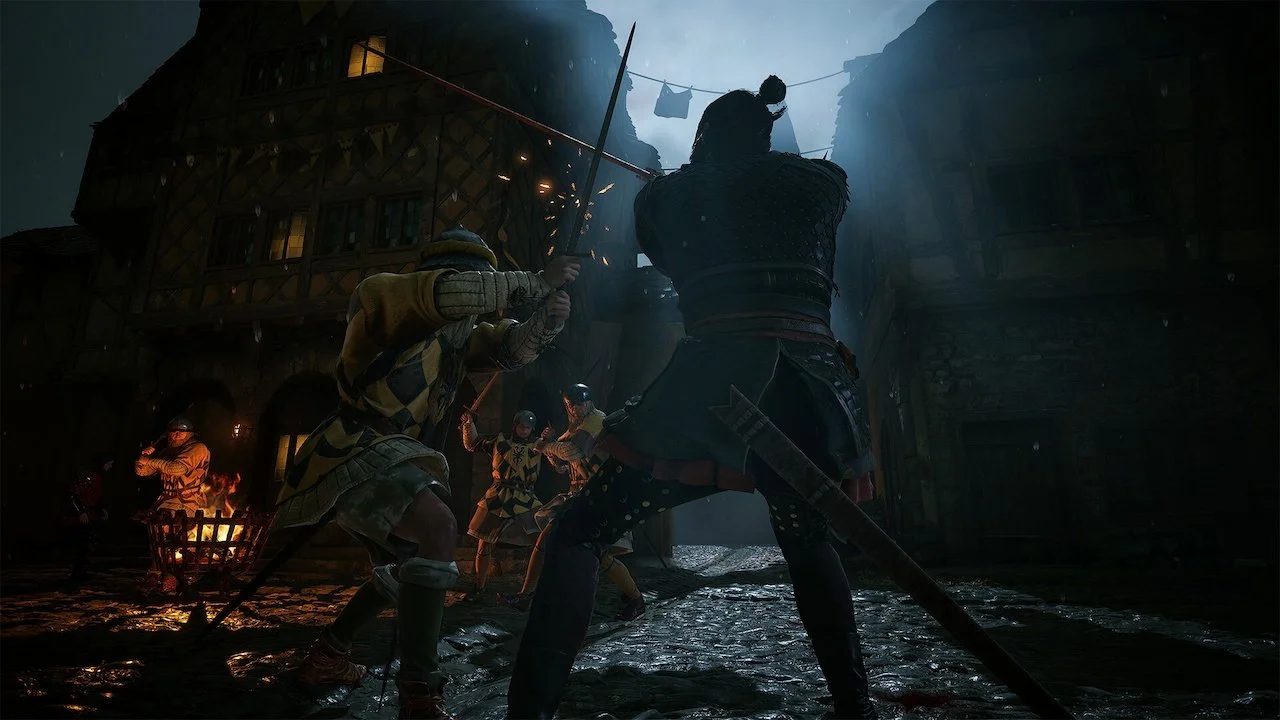
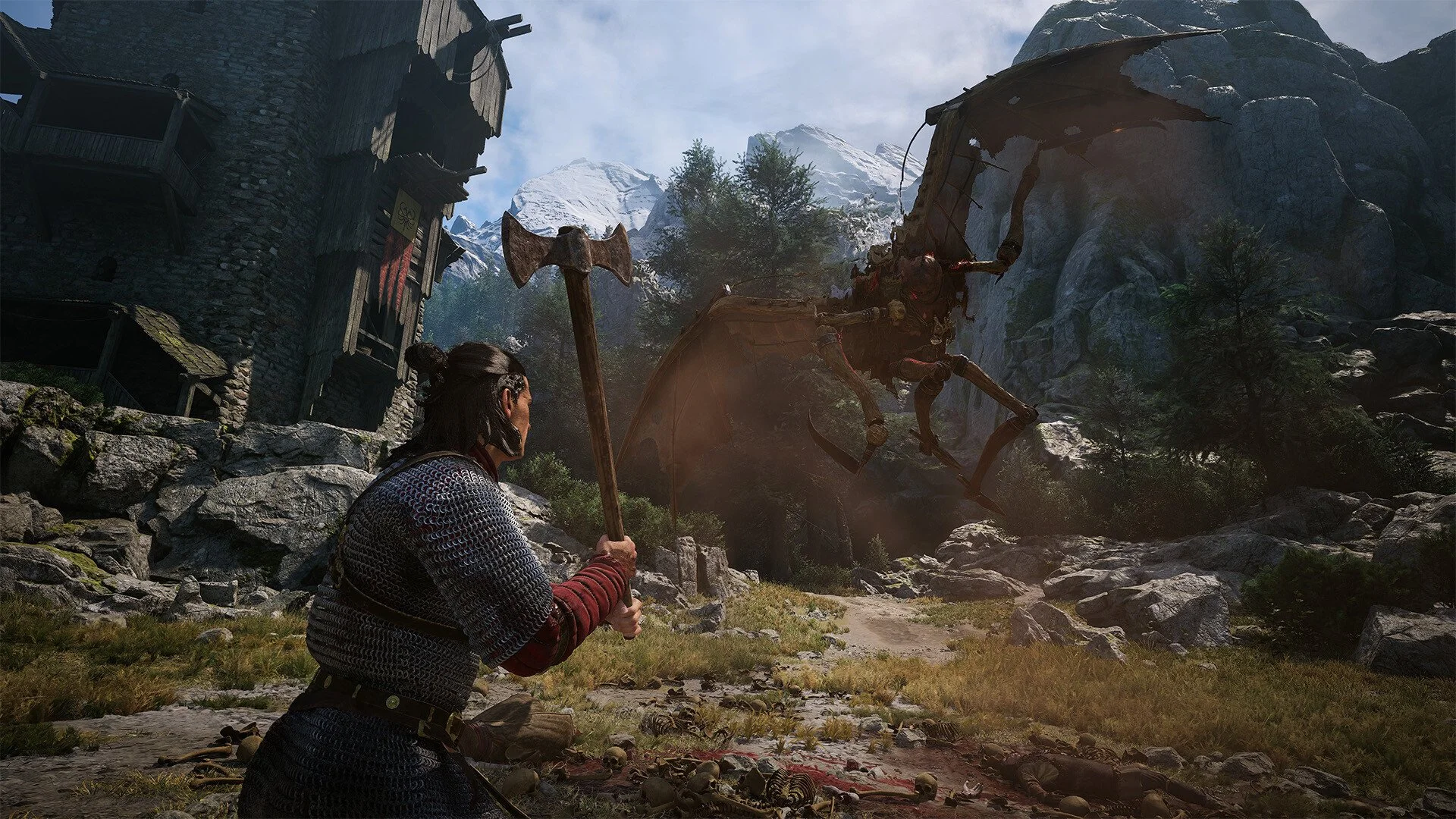
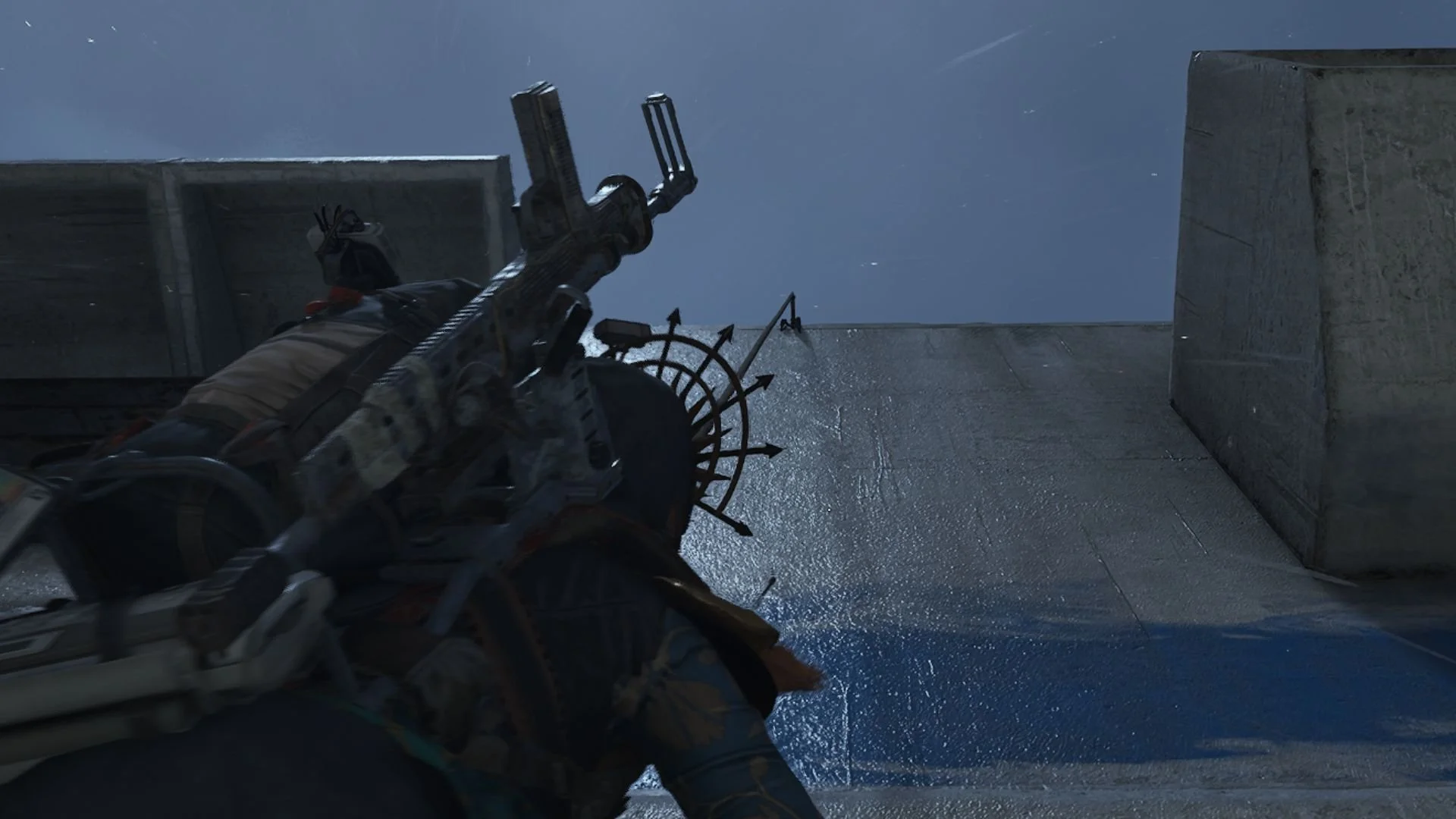
Combat is as complex as you choose to make it. The systems take some getting used to, but you can approach early encounters rather simply while learning the basics. Once you become comfortable with the directional combat, however, it begins to feel like an entirely different game. Learning how to properly read enemies, attack from different directions, and defend yourself makes each battle far more engaging.
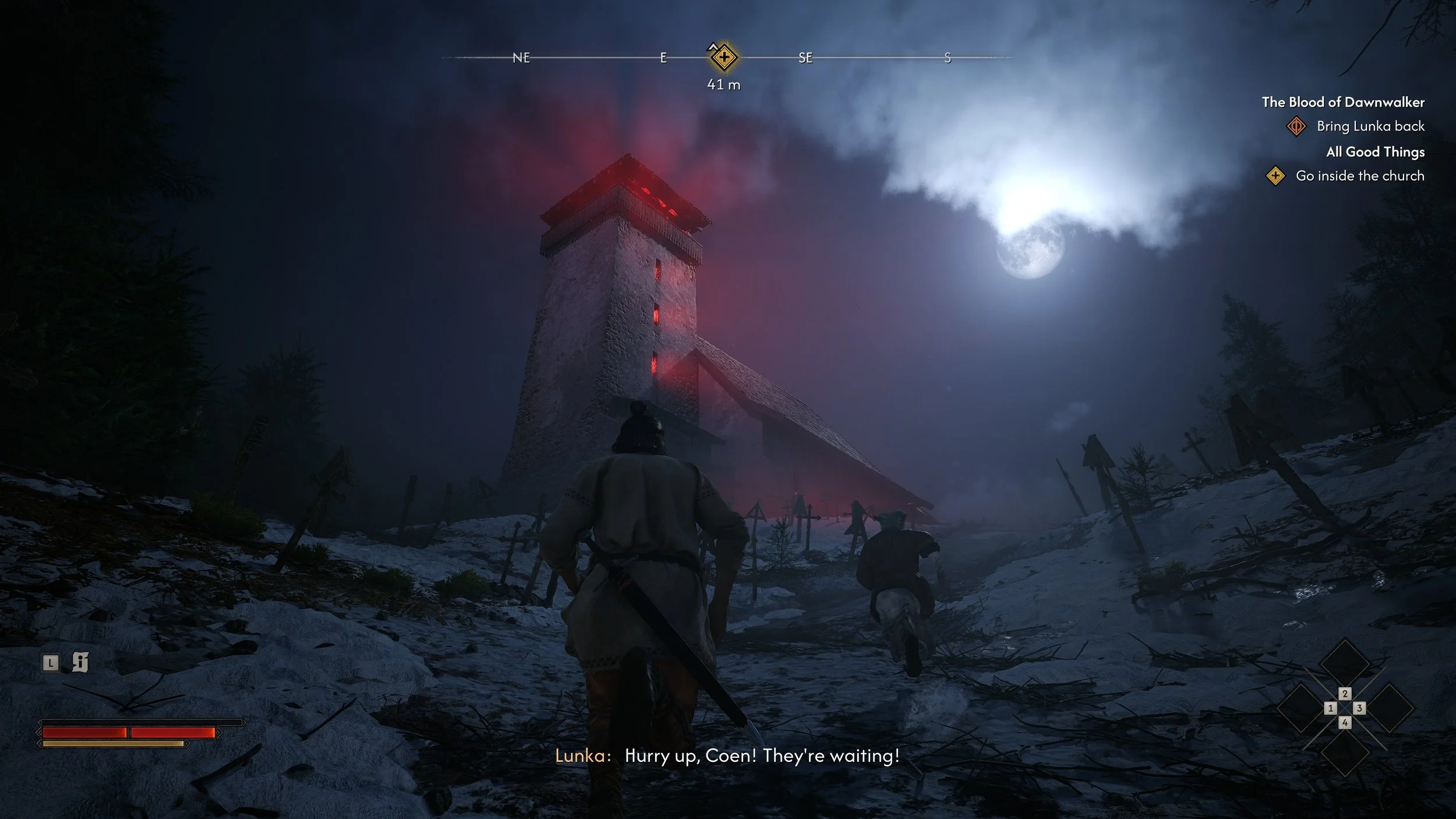
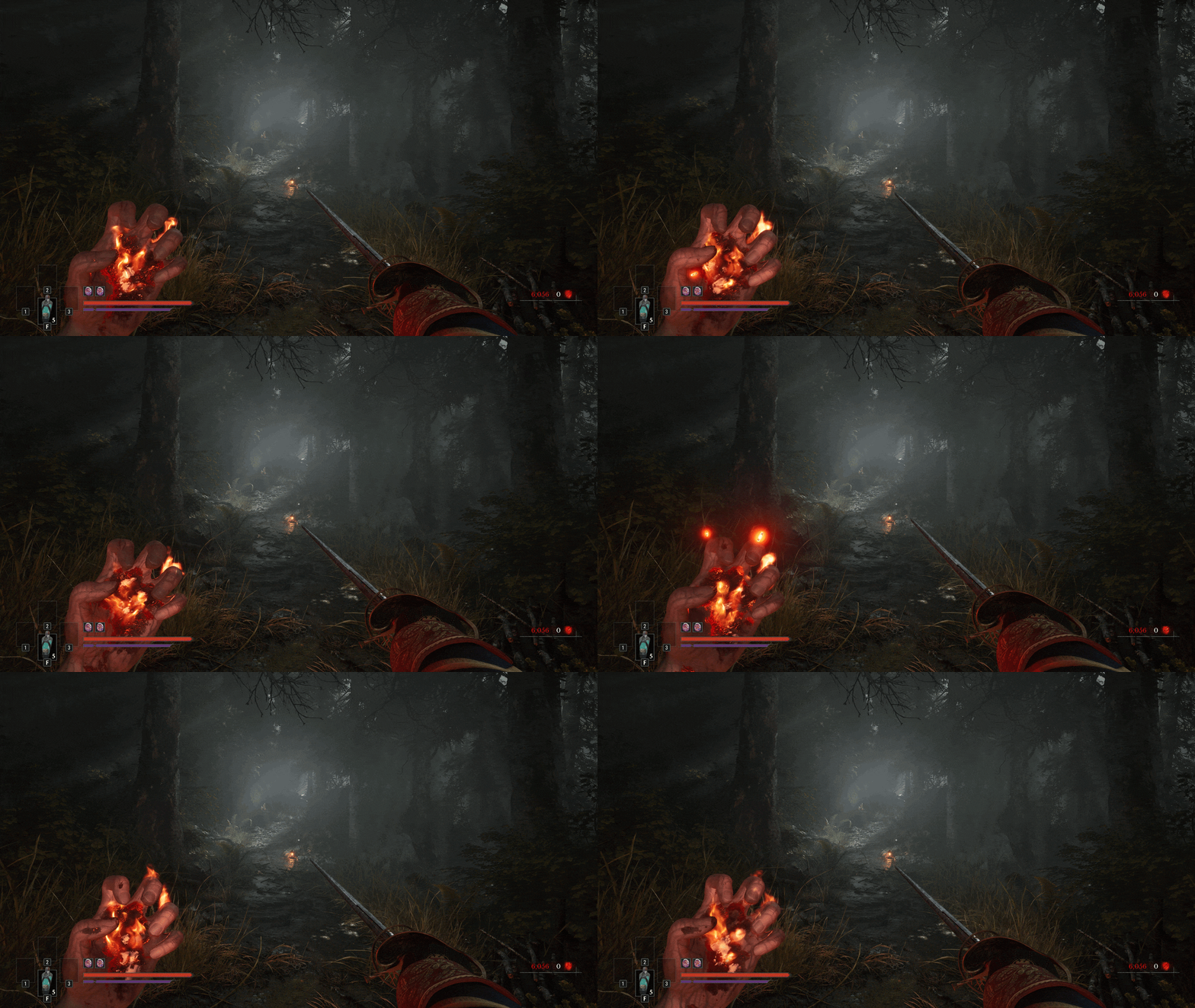
The game’s abilities also support its sandbox philosophy. Coen can unlock supernatural powers that make him a much more dangerous Vrakhiri, but you are not forced to rely on them. You can remain connected to his human side and refuse to use those abilities, or surrender to the bloodlust and become as powerful as you desire.
One of my biggest concerns going into the game was its time limit. Games with built-in timers like Dead Rising, tend to push me away because the constant pressure can make exploration feel more limited. Thankfully, the 30-day and 30-night limit in The Blood of Dawnwalker is far less restrictive than it initially sounds. Only major quests advance the clock, giving you plenty of freedom to explore and complete other activities without constantly worrying about wasting time. The limit still adds weight to your decisions, but it never felt like the game was rushing me through its world.
Overall, The Blood of Dawnwalker feels incredibly fresh. Its story gives you characters and motivations worth caring about, but its greatest strength is how that story changes based on the way you play. I chose to keep Coen connected to his morality, but I am already curious about what would happen if I selected more of the “Give in to the Hunger” dialogue options.
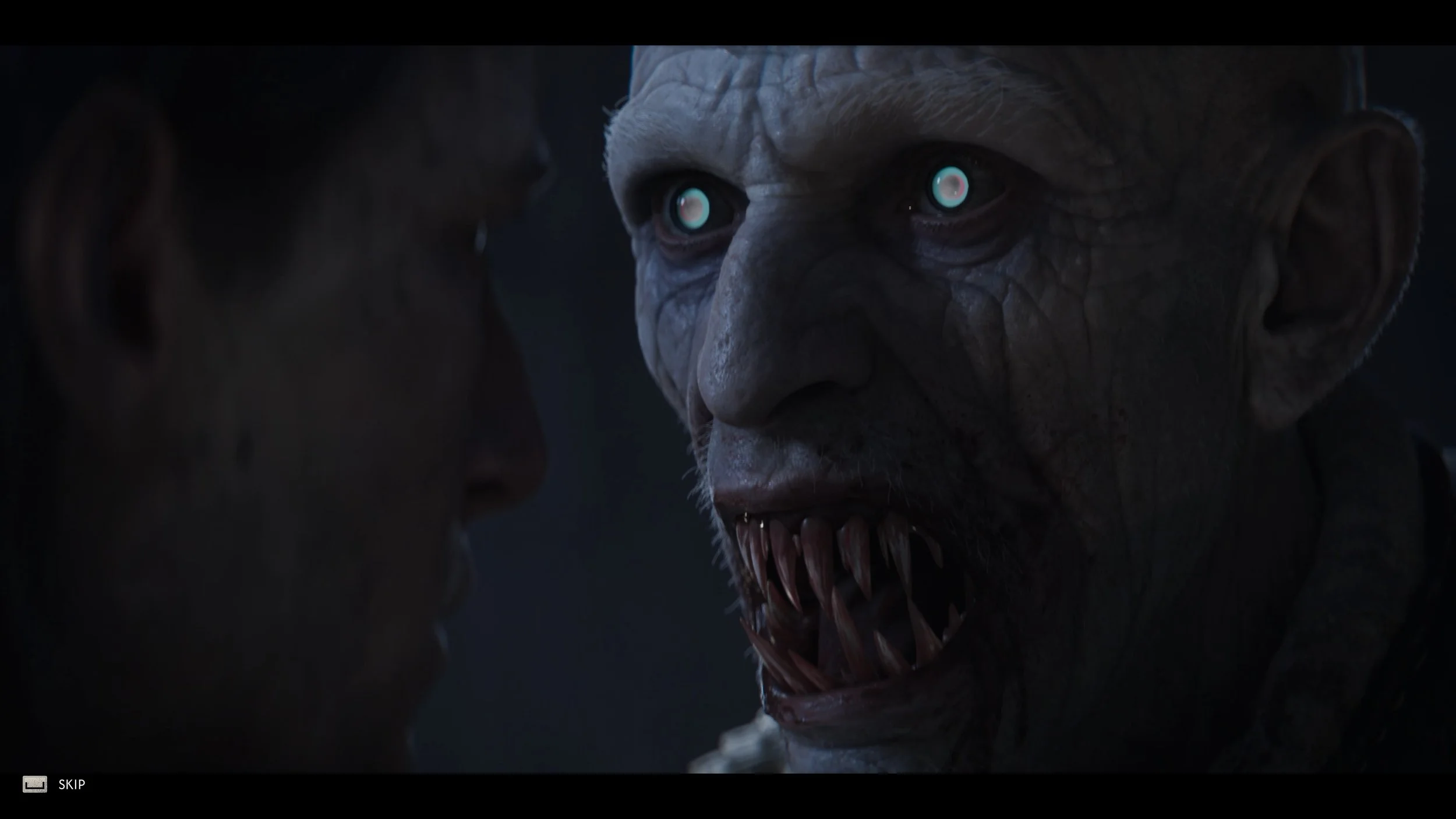
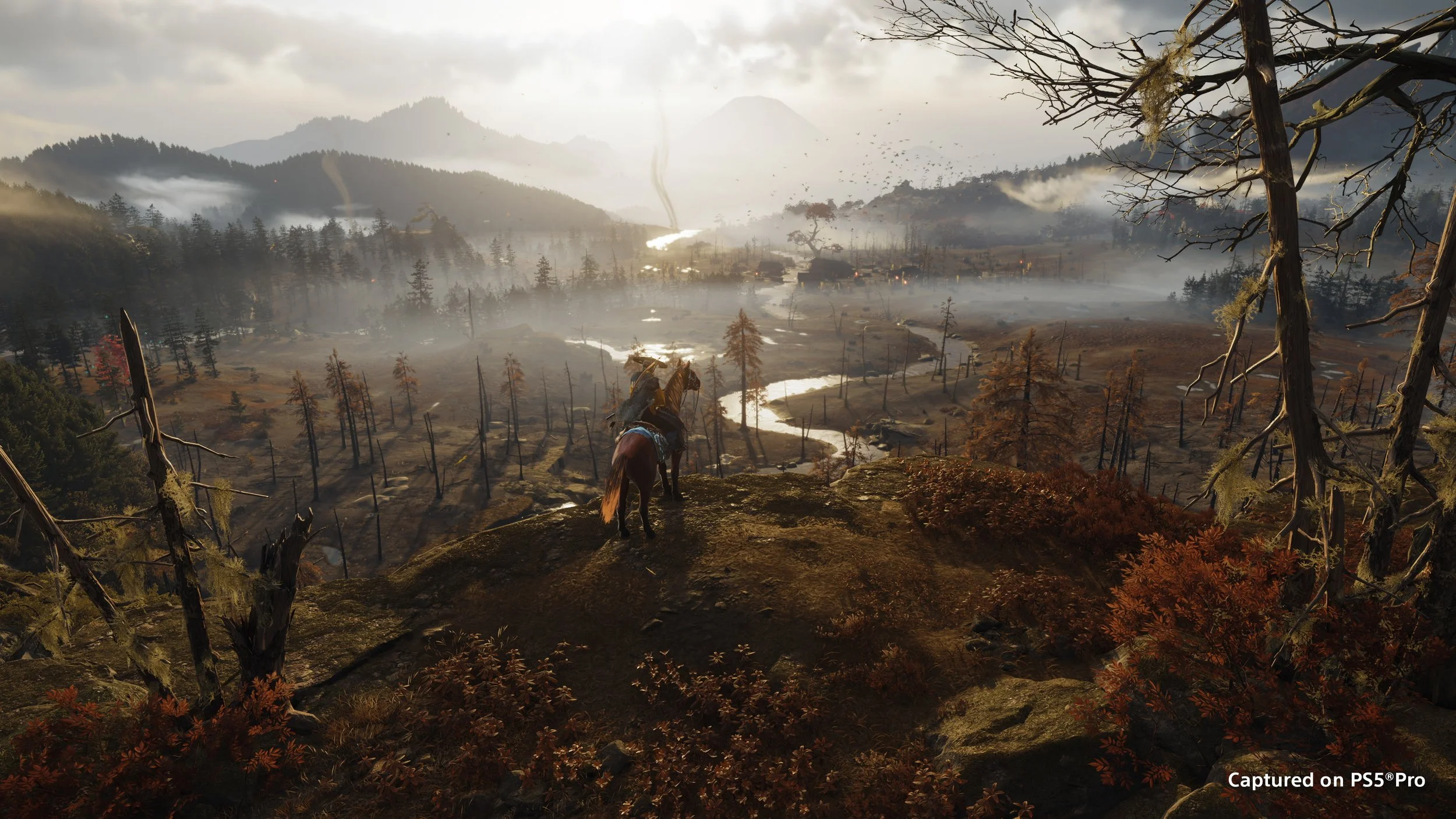
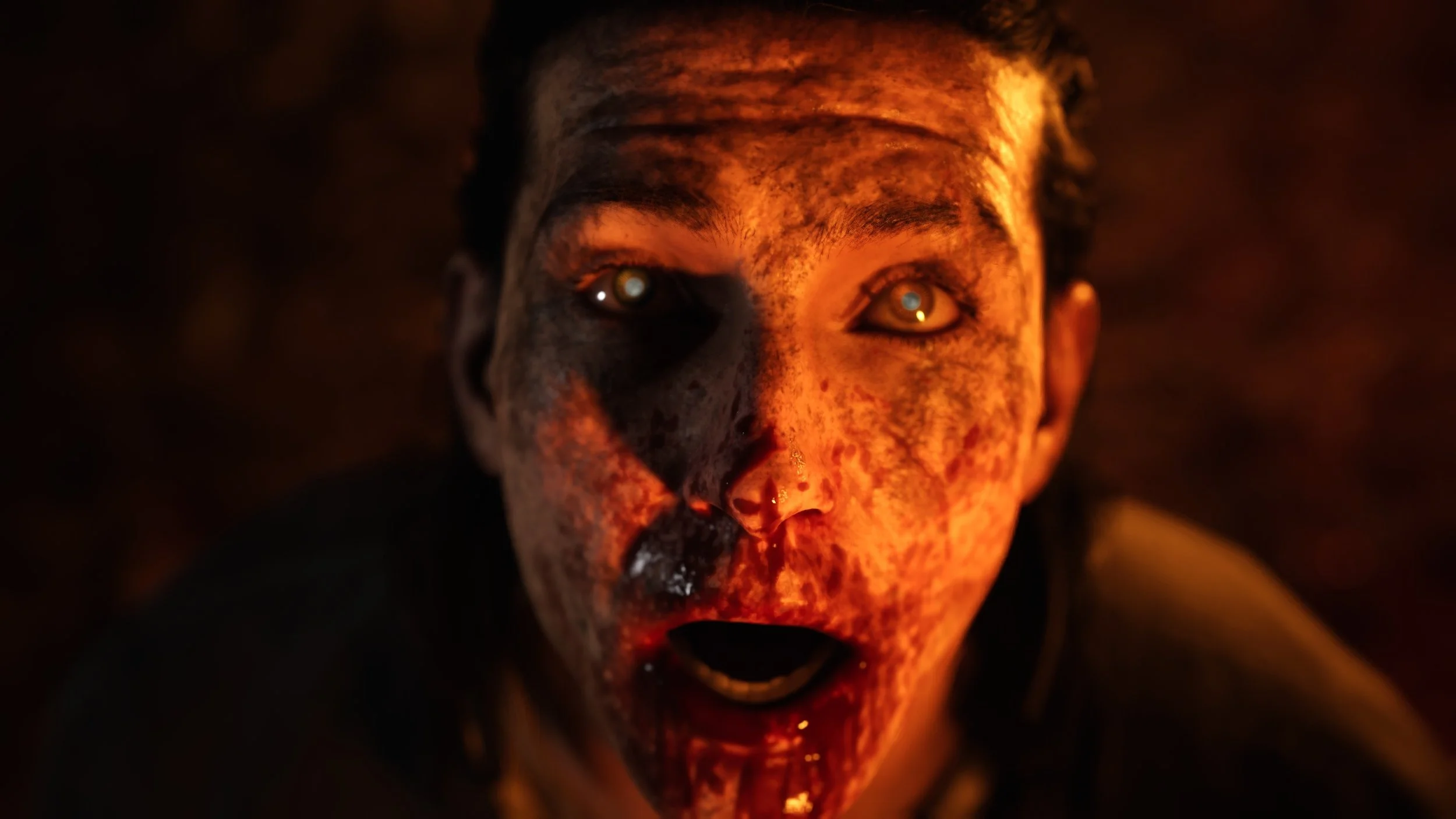
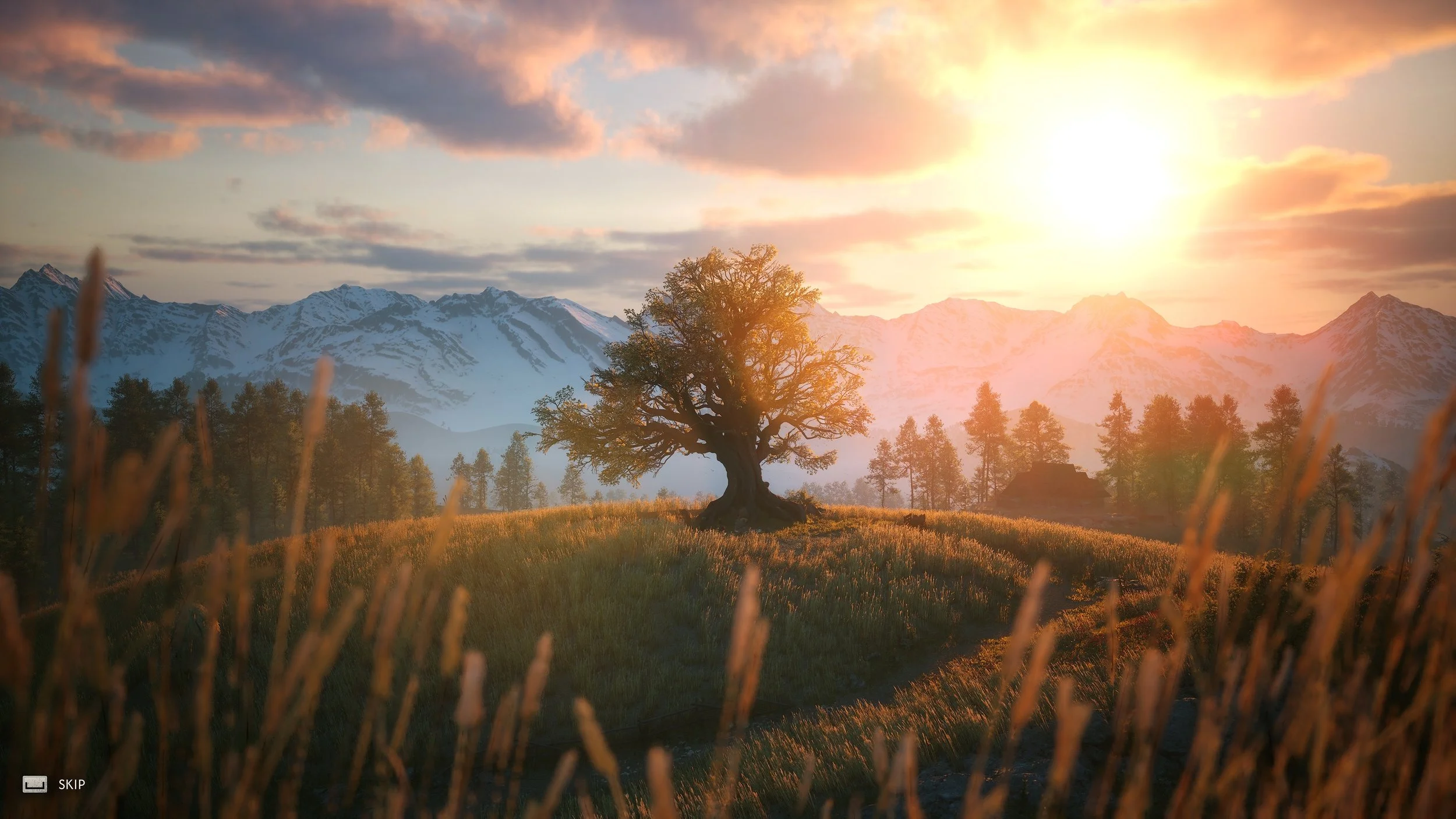
The Blood of Dawnwalker is beautiful, but it is also extremely dark. Its version of horror is gruesome and oppressive, which makes the moments of beauty throughout its world stand out even more.
The contrast also reinforces the game’s central theme: the duality within Coen. He is caught between humanity and monstrosity, and the world around him constantly reflects that struggle. The difference between day and night is more than a visual transformation, it changes how Coen moves through the world and what he is capable of accomplishing.
The “narrative sandbox” structure is perfect for a game like this. It is not quite a fully open-world RPG, but it provides enough freedom to let players chart their own course through a semi-linear story filled with branching decisions. It is a smart design choice that gives your actions genuine weight while also making the game highly replayable.
At the time of this review, The Blood of Dawnwalker suffered from serious frame-rate issues during cutscenes. Strangely, I did not encounter the same problems during its larger combat sequences. The game generally remained stable while I was fighting, but cutscenes frequently stuttered or briefly reloaded textures.
These performance problems are listed among the game’s known issues, and a fix is already planned. Because of that, I am not allowing them to significantly affect my final score. They are still worth mentioning, though, as they occasionally disrupted some otherwise powerful story moments.
The combat may also not appeal to everyone. Its directional system requires you to pay close attention to enemy movements, choose the correct attack angle, and react carefully to incoming strikes. That can make fights feel deliberate and rewarding once everything clicks, but players looking for faster, more straightforward action may find the system slow or difficult to adjust to. It takes some patience to learn, and the early encounters can feel awkward until you become comfortable with its timing and controls.
Verdict
The Blood of Dawnwalker succeeds because it understands that vampires should be terrifying. The Vrakhiri are not simply attractive immortals with sharp teeth; they are cruel, violent monsters who have taken advantage of humanity at its weakest.
At the same time, Coen’s transformation gives the game an engaging internal conflict. Every supernatural ability and hunger-driven decision raises the question of whether you are using the monster to protect your humanity or slowly becoming the very thing you are fighting.
My first playthrough kept Coen close to his humanity, but the temptation to return and fully embrace the Hunger is already there. In a game built around the monster lurking beneath the surface, that temptation may be its greatest accomplishment.