What does it take to turn a strange idea into a finished game? I recently sent written interview questions to three USC Games students behind Aftertaste, Sisyphus’s Worst Day (Again), and Masterworks of Horror: Lovecraft’s Gambit. I wanted to hear more about the games they made, what USC Games taught them, and where they hope to go next.
These projects couldn’t be more different. One follows a sentient tongue through the body of an overworked chef. Another asks you to stop Sisyphus from reaching the top of a mountain. The third turns horror literature into a competitive card game. But all three developers talked about a similar challenge: figuring out how to make an ambitious idea work with a team.
Aftertaste
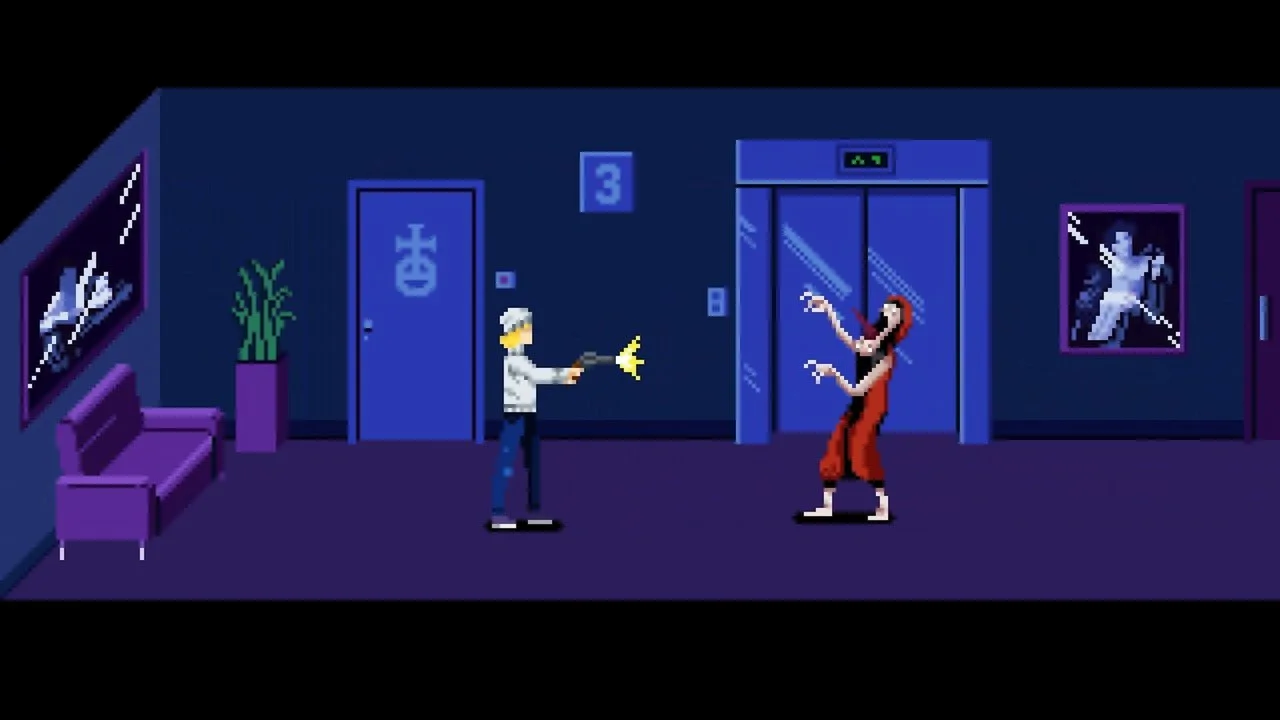
In Aftertaste, players control Tami, a sentient tongue traveling through the body of a chef dealing with burnout. It’s a wonderfully strange premise, but Baozee Wu spoke about how the game also grew out of childhood experiences around a traditional Chinese medicine pharmacy and an interest in the connection between emotional and physical health.
“The initial inspiration came from my childhood memories of growing up around a traditional Chinese medicine pharmacy. In traditional Chinese medicine, there is a practice of examining the tongue and its coating to understand the overall balance of the body and the condition of different internal organs. I was always fascinated by that idea. At the same time, the tongue is one of the most flexible muscles in the human body, so I started wondering what it would be like to build a game around it.”
Making Tami move and feel right became one of the team’s biggest production challenges. Looking back, Wu said the experience taught them to think more carefully about where a team spends its time and resources. USC Games also gave them the chance to work through production, leadership, and collaboration on a scale they might not have experienced before entering the industry.
That process helped clarify the kind of work they want to make next:
“During the development of Aftertaste, I became much more certain about the kind of games I want to create in the future. I hope every game I make can build an emotional connection with its audience while also encouraging people to look inward and explore something about themselves.
But Aftertaste also taught me something beyond creative direction. I realized how meaningful it is to make something with a group of people you genuinely trust. Creating with friends who believe in each other is a very special experience, and I think a team built around that kind of care can produce creativity that you could never fully plan for.
Wherever I go next, that is something I want to carry with me: making personal work that connects with people, alongside people I love and trust.”
They also see potential for Tami beyond Aftertaste, even if they don’t know yet what that might look like. For now, the character represents one of the project’s most memorable ideas: a strange, playful way to explore the connection between the body, creativity, and burnout. Whether Tami returns in another game or remains part of this one, the team hopes players will remember her journey and the questions behind it.
“My art director and I both feel that Tami has a lot of potential beyond this one game. She has a very recognizable personality and visual identity, so we have talked about exploring other creative projects around her and potentially developing her further as an IP. I’m not sure yet what form that will take, but I definitely don’t think this has to be the end of Tami.”
In Wu’s case, USC Games seems to have fostered an environment where they could grow and build confidence. They were given the tools they needed to bring Aftertaste to life. When I asked Wu how their experience at USC Games helped shape the project, they described an open, hands-on environment that let them learn by doing.
“USC gave us an incredible platform to experience game development at this scale in a professional production environment. There are very few places where students are given the opportunity and resources to go through something like this before entering the industry.
Throughout development, the faculty were not only helping us finish Aftertaste. They were teaching us what it actually means to make a game: all the different stages of production, communication, iteration, leadership, and collaboration that come with it. Some parts of that process may not immediately feel useful when you are focused entirely on finishing the game, but looking back, I don’t think any part of it was unnecessary.
I learned a lot about game development, but also about working with people, handling responsibility, and navigating complicated team dynamics. For that, I especially want to thank my professor and AGP Director David White for his guidance throughout the process.”
Sisyphus’s Worst Day (Again)
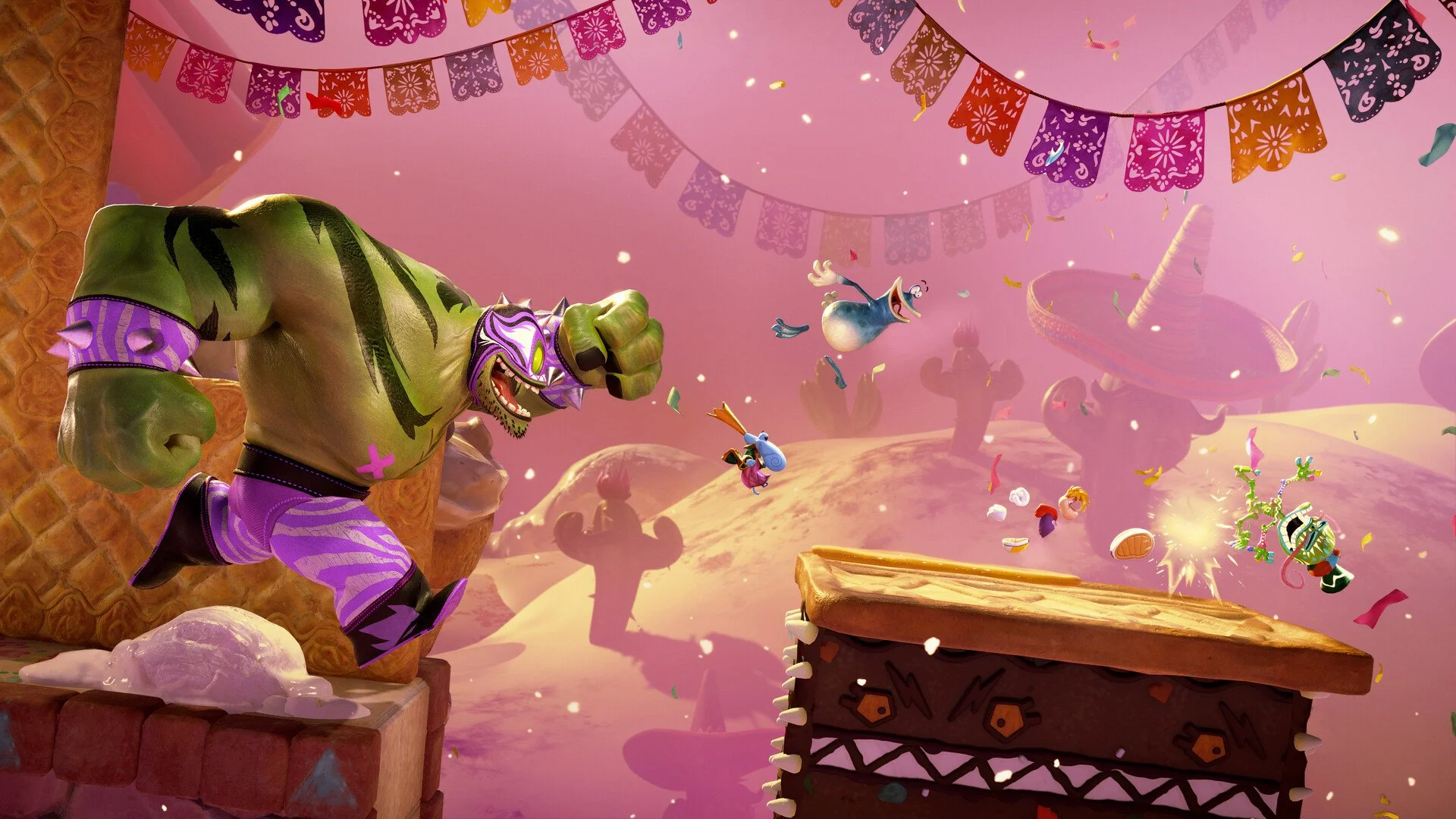
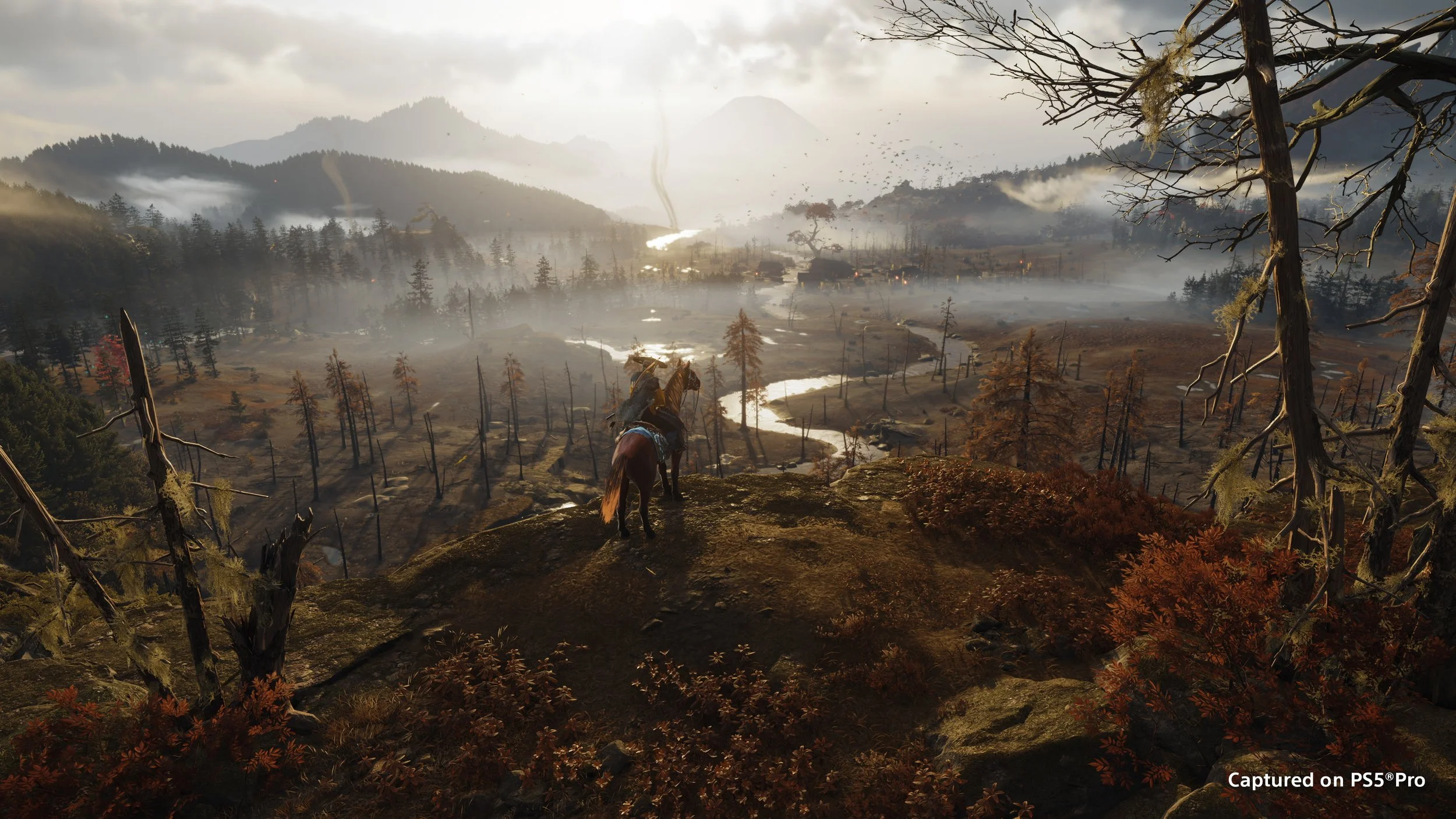
Sisyphus’s Worst Day (Again) takes the familiar myth and turns it into a puzzle game about stopping Sisyphus from reaching the summit. Its traps, endless loops, and modern workplace satire make repeated failure part of the fun.
“A lot of our initial exploration of mixing “ancient Greek mythology” with a “modern workplace” revolved around visual development, and our art team was very excited to brainstorm styles and ideas that could merge the two. We knew we wanted to emphasize the modern side of the setting because we wanted to break away from conventional retellings of the Sisyphus story. Because of that, we put a lot of effort into incorporating iconic elements of Greek mythology into an otherwise ordinary office environment. In the process, one question we constantly asked ourselves during visual development was: “What would a modern Olympian company that has existed for thousands of years look like?””
For Jia-Sheng Lin, developing the game at USC meant working with students from game art, design, computer science, narrative, music, and sound. Bringing all those perspectives together created new ideas, but it also showed them how much work goes into leading a team toward one shared vision.
The project seems to have shaped how they think about their future as a developer:
“This project has taught me much more than how to optimize production schedules or solve difficult technical problems. Game development is often a team sport, and it’s important to learn how to work with people from different backgrounds, cultures, and perspectives to deliver a game that everyone on the team believes in.”
They hope to keep making games that push beyond familiar ideas while bringing people together. Lin talked about USC games really shining in the collaboration department. He talked about how there were so many different people that came together to do what they were best at to bring their project to life.
“This game is our capstone project for the Advanced Game Project course at USC. The USC Games program brought together students from three different majors—Game Art, Interactive Media and Game Design, and Computer Science Games—to work as a team and develop a game from ideation all the way through publication. The team isn’t limited to these three majors. We also have narrative designers from the School of Dramatic Arts and composers from the USC Thornton School of Music, as well as sound designers from the Berklee College of Music.
Having students from different backgrounds created an incredibly resourceful environment, but it also introduced production challenges that taught me a lot about leading a multidisciplinary team. Our approach was to give our department leads as much autonomy as possible when it came to creative decisions and technical implementation. Giving our team that creative autonomy helped nurture a proactive environment where new concepts were constantly being proposed and tested. At the same time, when we needed to converge around a shared vision, our leads established clear pillars and goals that served as our top priorities. This helped us move forward through difficult decisions while keeping the game consistent and giving it a clear identity.”
Masterworks of Horror: Lovecraft’s Gambit
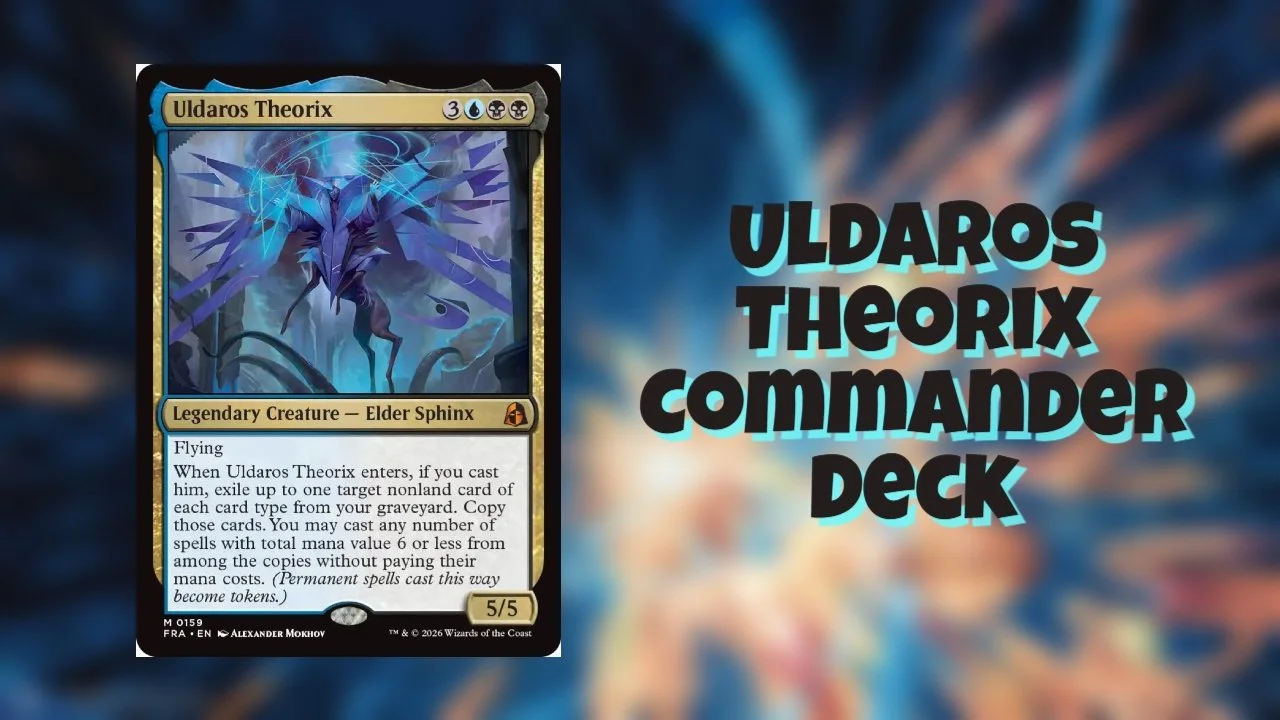
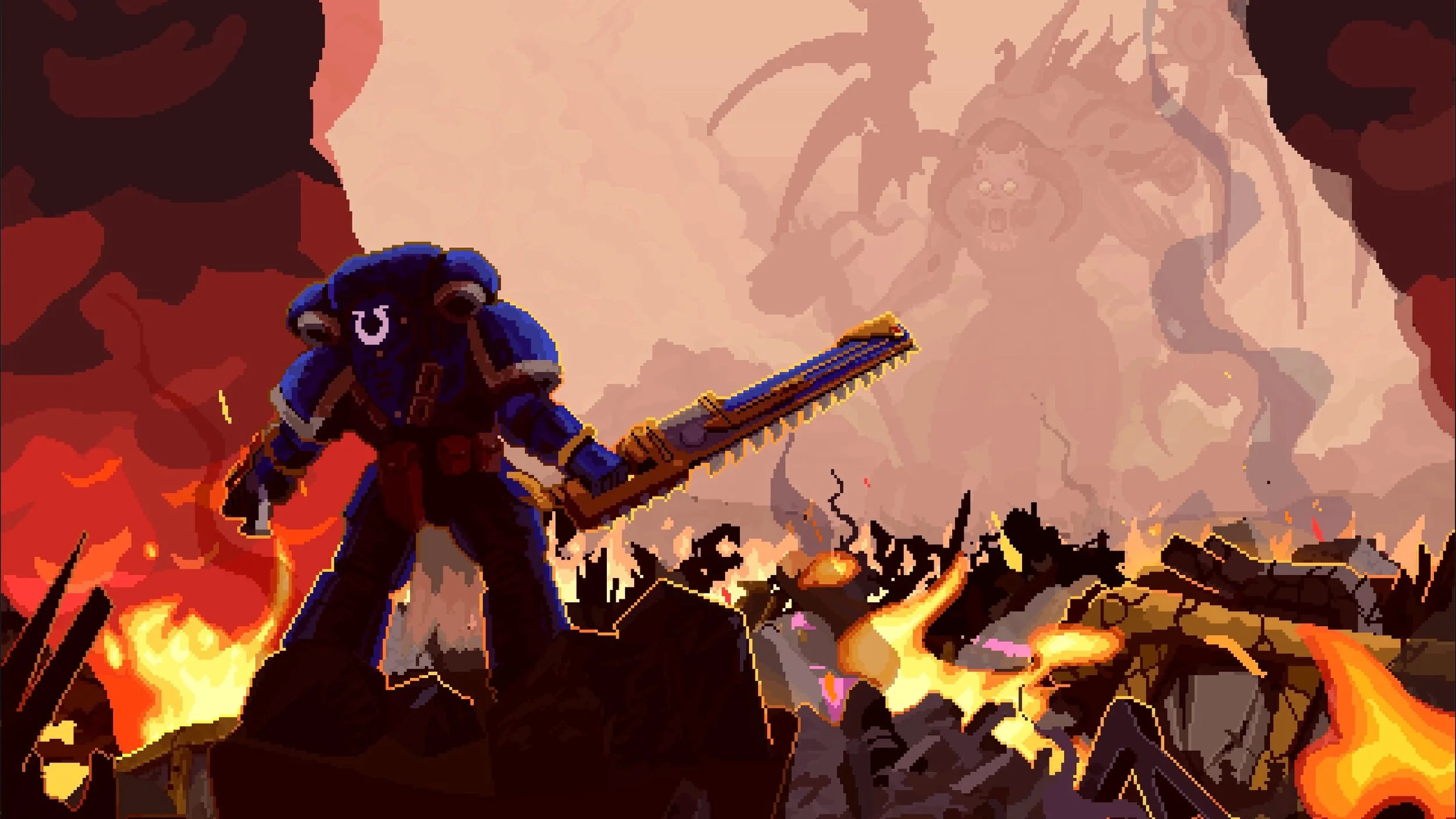
With Masterworks of Horror: Lovecraft’s Gambit, Anthony Alvarez drew on a love of horror literature and competitive card games. They wanted to capture some of the complexity they enjoy in games like Magic: The Gathering and Yu-Gi-Oh! while keeping the experience much shorter.
“So I grew up with my mother as a thriller/ detective story writer which inherently gave me a love for the greats. I was more interested in reading Poe and Lovecraft growing up due to this than, say, playing outside. I also grew up as an extremely competitive card game player. As I have gotten older and have had further responsibilities I realized I don’t really have the time to commit 40+ minutes to a singular card game match and doing that countless times in a day to maintain a high level of competition no longer seemed feasible, so I really wanted to take that competitive aspect I grew up loving in TCG’s and isolate that into a 5 minute experience without losing a lot of the complexity found in a Magic the Gathering, or Yu-Gi-Oh game. When pitching this concept I knew it had to be about writing and it had to be a card game in some way shape or form as those are two things I knew well, and the concept just further evolved from there.”
They told me USC Games gave them a community of faculty and peers who helped turn that concept into a real game. Leading more than 50 collaborators also taught them a great deal about guiding a large team while keeping a clear creative vision. Now, they hope the project leads to more work in card game and systems design:
“I hope MoH or Masterworks as a brand is a decent showcase of concepts, content, and work ethic myself and the team as a whole put in. I really loved designing and leading this amazing team and feel within a years time and no real budget we made something wildly impressive and I just hope that players can find some of what we did engaging and exciting. I would love to keep working within card game design, and systems moving forward as well as just collaborating with people who love this stuff as much as I do!”
They also raised a practical question for student teams after graduation: how to pitch a game, find funding, and decide whether a school project can continue as a commercial release.
“USC Games allowed for this immense community of extremely talented people to learn from, learn with, and create with. This is both faculty, and my fellow peers. Being slightly older then most grad students at 31 entering the program I was not sure how my experience would go, I just knew if I was going back to school it had to be USC.
While classes were immensely fun and helpful I think the two greatest things about USC was: 1. The one on one time I could have with most professors who were always extremely welcoming to me asking for advice, pitching ideas, and in general guiding myself as both a director and as a student in general. 2. My peers, who really turned my kinda neat premise into reality. I’m not a great engineer, can’t draw a stick figure to save my life, and only really excel at getting people to see potential in basic concepts, without my peers Masterworks would just be a cool concept and I would likely still be working QA within the industry. I will say it was a wild ride figuring out how to lead a team of 50+ collaborators and keep a distinct vision in mind but people at USC just want to create cool things and help facilitate that made me learn an immense amount which I don’t think would have been possible anywhere else.”
Talking with these three students gave me a better sense of what USC Games can offer beyond a finished game. Each student came away with new production skills, but they also learned more about the kind of developer they want to become. Whether these projects grow further or lead to entirely new games, I’m excited to see where these teams go next.