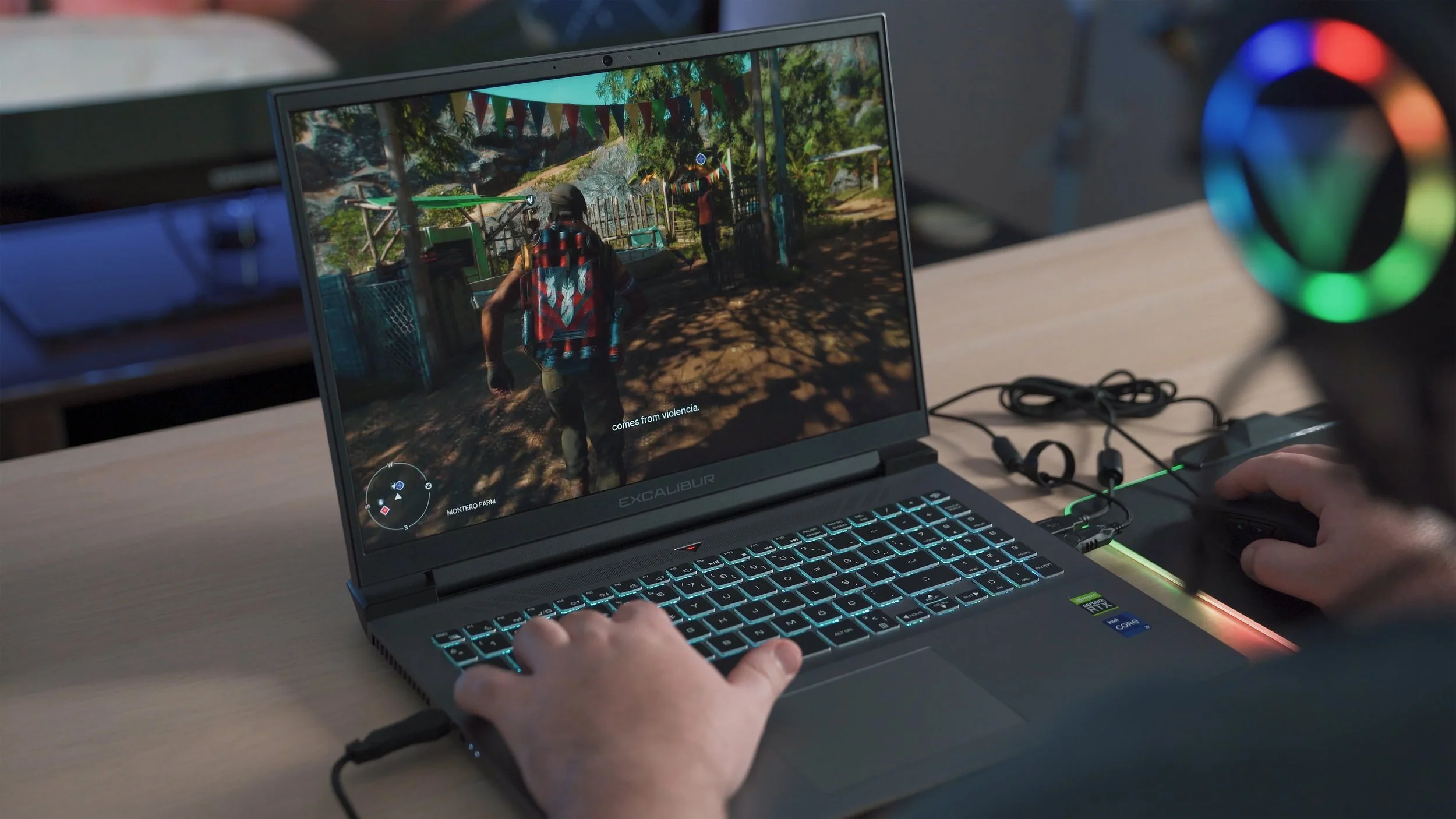
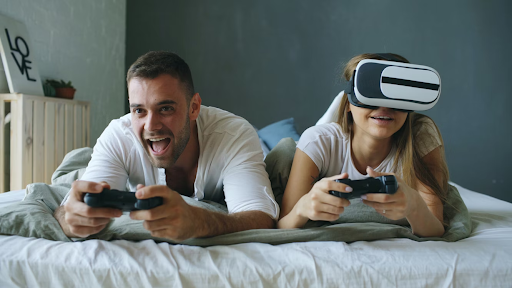
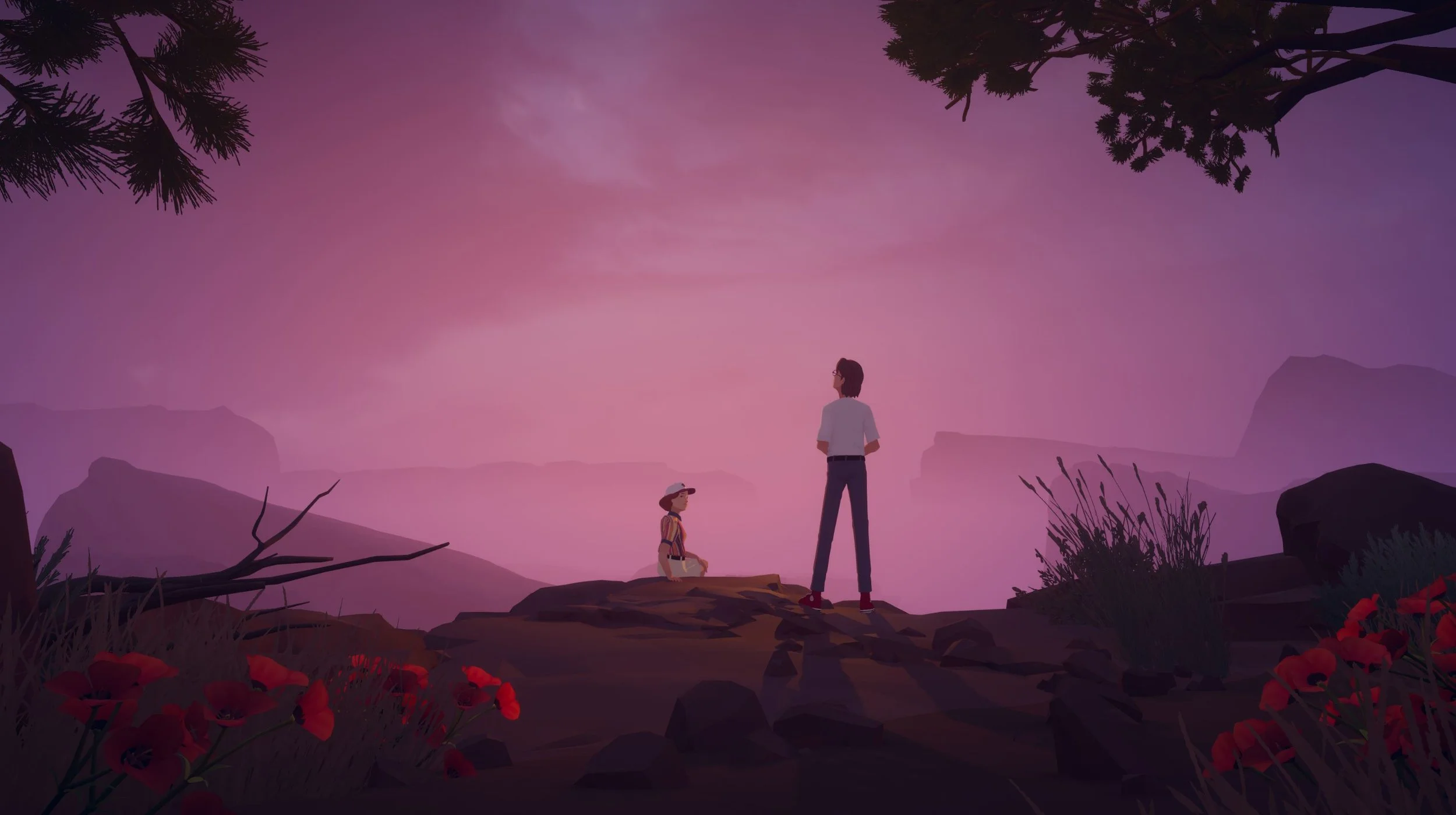
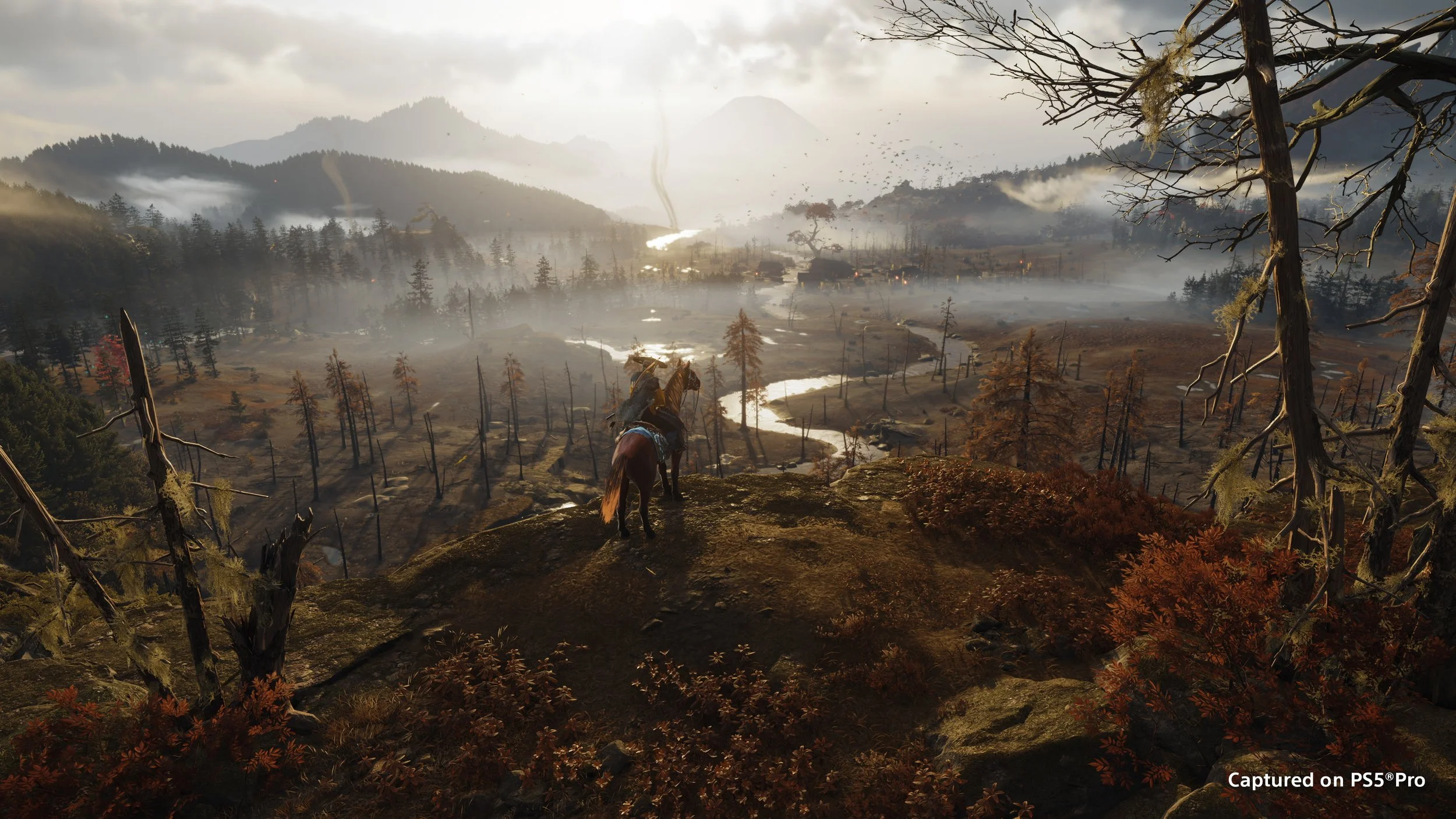
Gaming cultures are changing worldwide. What used to be pure entertainment is now bigger, something that’s integrated into the way people socialise, create and earn. Virtual worlds are more realistic, players are more engaged than ever, and the boundaries between games, work, and community are disappearing.
Real and Virtual Are Beginning to Feel the Same
The reason why digital games are becoming so popular is that they are becoming less like fiction and more like real life. What was once a clear distinction (screen vs. street) is starting to overlap.
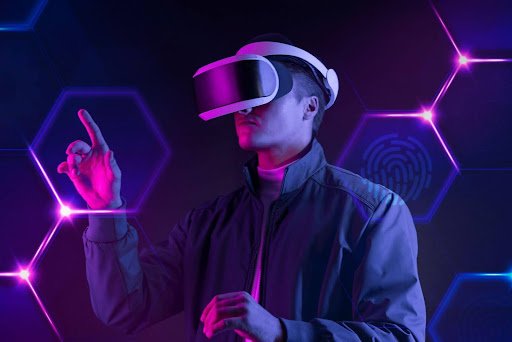
VR is a good example. Headsets are more comfortable, sleeker and easier to wear. Some games allow you to roam through cityscapes that change with the time of day or walk through a forest where the wind responds to the speed at which you walk.
That same trend is taking place in other areas of gaming as well. Realism is becoming a main attraction of online casinos. Players interested in online casino Australia real money games will find that the best sites are now streaming live dealer options with real croupiers. You see them shuffle cards, deal, and socialize with players.
From Gameplay to Paydays
Games that pay players to play them are transitioning from experiment to everyday reality. Blockchain-based systems convert in-game activities into assets that can be traded.
What began as a few small projects has evolved into an organized means for people to make money while playing. Newer platforms are rewarding skill, creativity, and contribution rather than endless grinding.
Players are now cultivating virtual farms, creating avatar outfits, or building virtual cities that can be used by others. Every crop harvested or blueprint sold has a provable record of ownership. These worlds also become communities, with players sharing tips, discussing strategies, and collaborating to shape the direction of the games. Done right, the system allows the gameplay to remain fun while still providing people a way to make money.
Streaming That Works Like a Show
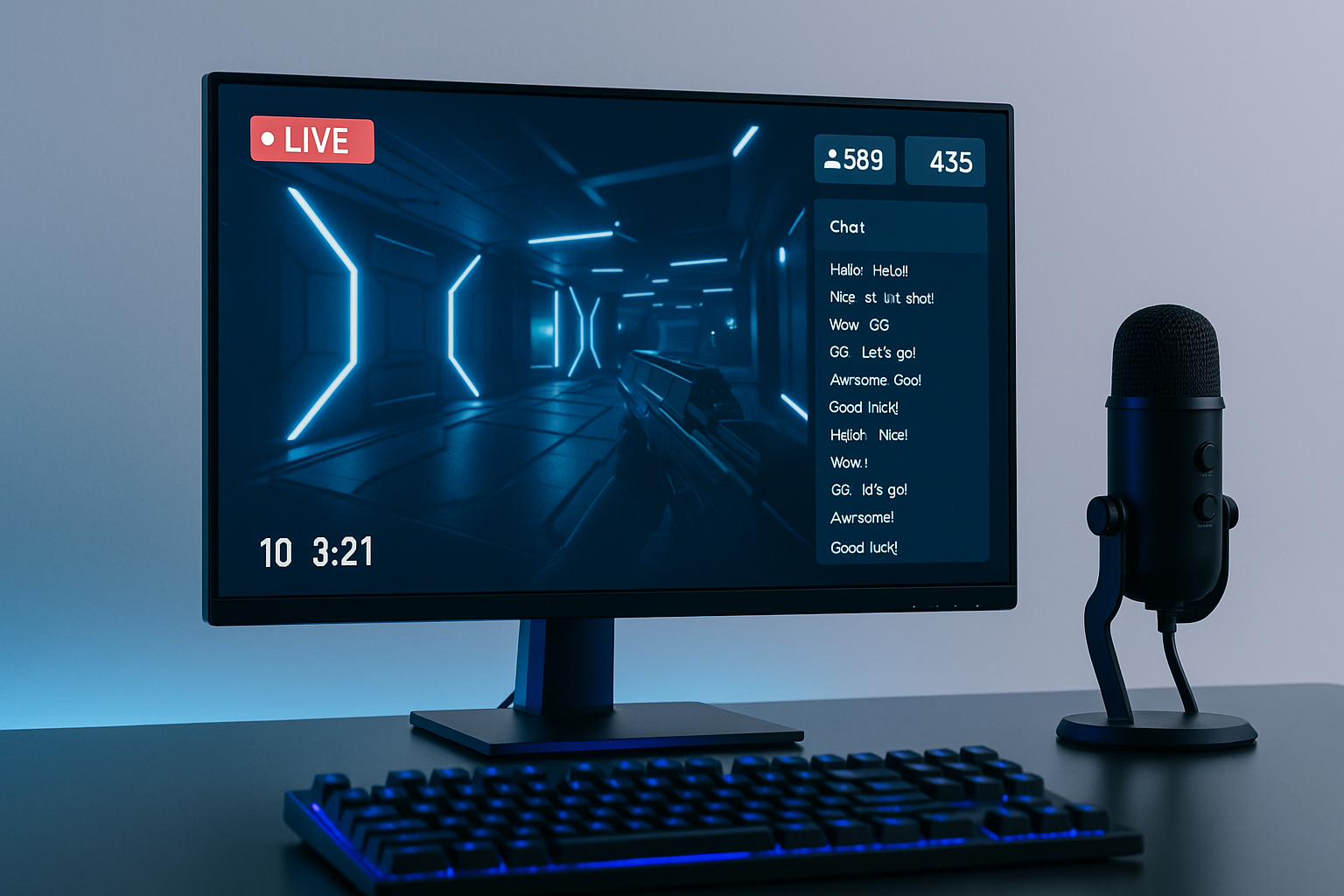
Live streaming is no longer limited to one camera. Today's best gaming streams are like full productions, with real-time stats, slick graphics, and interactive layers drawing viewers into the action.
This interactivity captures viewers' attention for hours, and esports has turned it into entertainment. Tournaments fill hybrid spaces, where on-site audiences cheer while the online viewers set off light shows or sound effects in real time.
The scene is also more diverse now. There are new voices emerging, ranging from detailed strategy analysts to storytellers who examine games from different perspectives.
Gaming Experiences Reflect Cultural Diversity
Cultural diversity is also increasing. Storylines are now based on traditions, urban legends, and common experiences from across the world.
Games that do this well keep players around longer, because players see themselves in the worlds they explore. This inclusiveness introduces new mechanics and richer narratives, enriching the gaming culture and making it more resilient.
Gaming Is No Longer a Different World
By now, it’s hard to separate gaming from everyday life. It now determines how we wind down, how we bond, how we think creatively, and in many cases, how people make money. What was at the periphery of culture is now in the center, and we kind of like it!