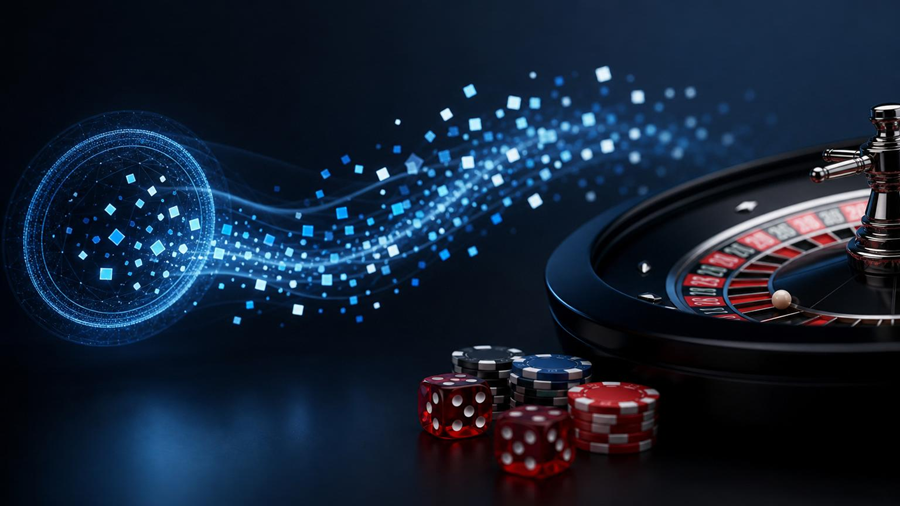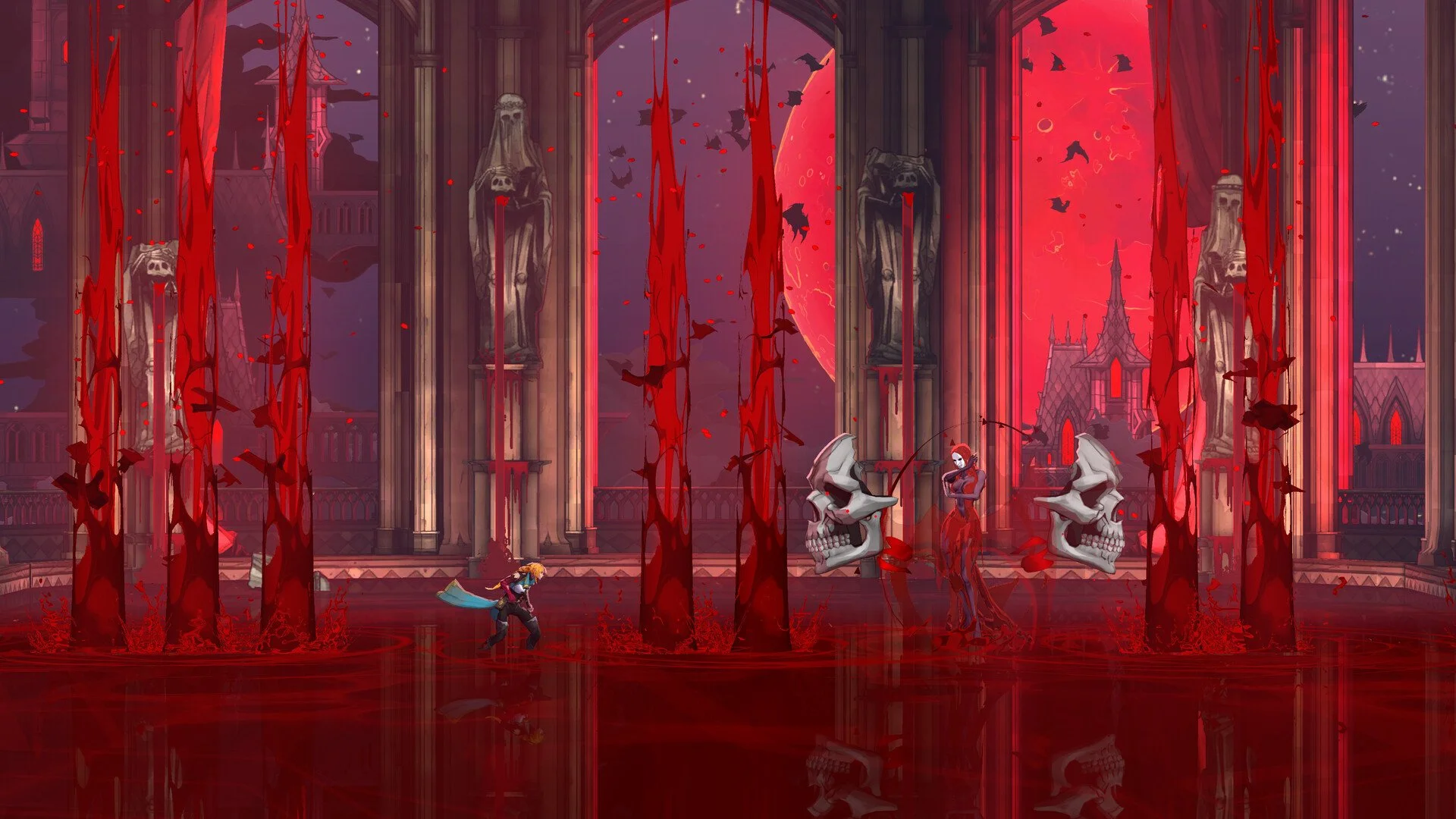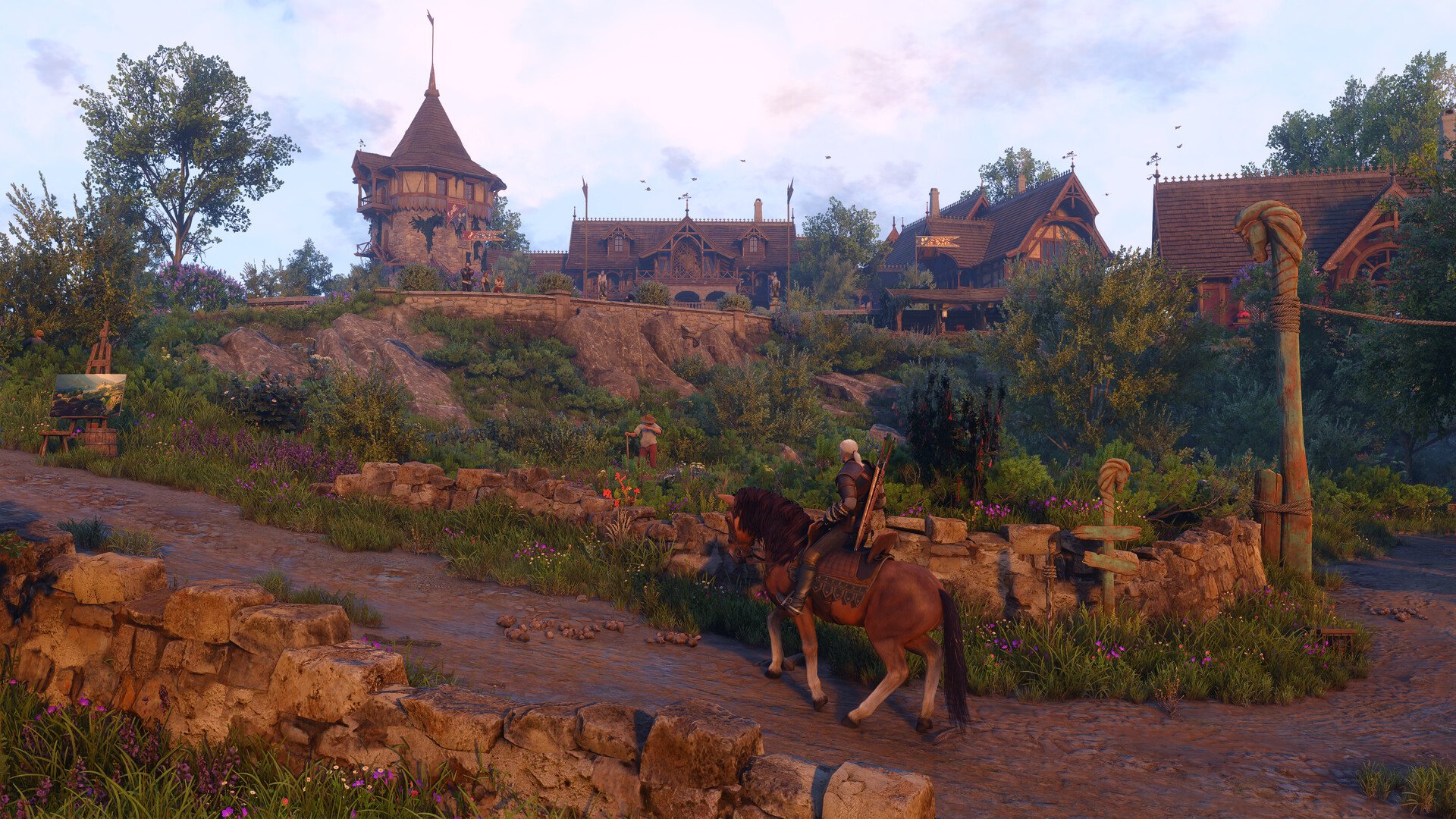
Games have always included a sense of uncertainty. Rolling dice thousands of years ago felt exciting because no one knew what would happen next. Today, video games use random rewards in much the same way, players get items or prizes they did not expect, and this makes each play session feel fresh. These surprises grab attention in ways planned rewards do not.
Video games have increasingly applied this psychology of unpredictability. Developers carefully design random reward systems that balance frustration and satisfaction, creating that "just one more try" feeling that keeps players engaged. Examples include rare loot drops in RPGs, random card packs in collectible games, and surprise bonuses in mobile titles, all of which tap into our natural response to uncertainty.
The overlap of skill and luck creates a distinctive tension in gaming. While mastery remains important, chance elements add excitement and uncertainty that pure skill-based challenges often lack. This careful balance has become essential to modern game design across virtually all platforms and genres.
The Psychology Behind Random Rewards in Games
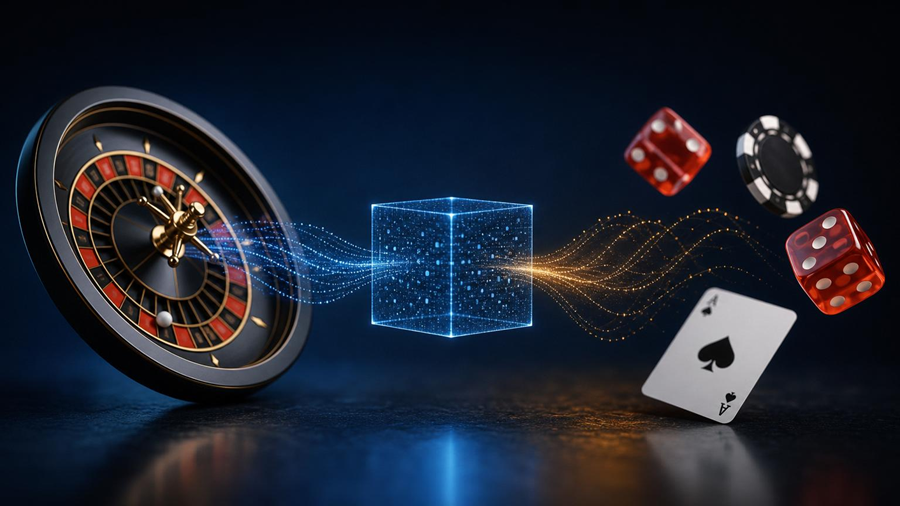
A closer look at how the human brain responds to unpredictability helps explain why these surprises feel so powerful. Random rewards trigger a release of dopamine, creating a pleasurable sensation that reinforces certain actions. Scientists refer to this process as variable ratio reinforcement. This occurs when rewards come at unpredictable intervals.
The unpredictability keeps the mind focused, watching for signs that a reward is near. When the next prize could appear at any time, players stay motivated and attentive. Game designers use this principle to create systems where the chance of a reward remains uncertain, driving repeated play.
To apply this successfully, designers provide intermittent rewards instead of fixed ones. They monitor player fatigue and offer small consolation prizes to maintain enjoyable experiences. Games that balance variable rewards with achievable goals tend to keep their audiences interested.
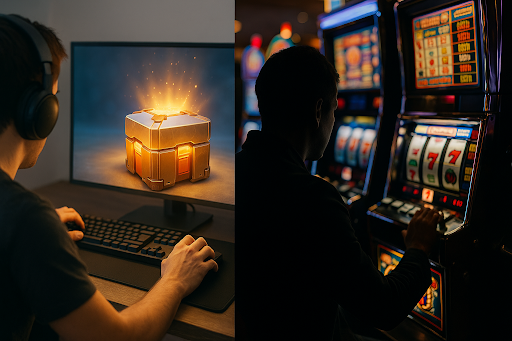
This same unpredictability lies behind the popularity of slot machines and loot boxes. Studies have shown that variable outcomes in these systems lead to higher engagement. Random reward mechanics in games have been linked to increased risk of compulsive behaviours, showing that unpredictable rewards can activate similar psychological pathways as gambling devices.
Evolution of Random Mechanics in Video Games
The simplest forms of random mechanics appeared as early as the 1980s. Arcade classics like Galaga used random number generation systems to control enemy movement patterns. In Galaga, unpredictable paths from enemy ships forced players to adjust strategies rather than relying on memorisation.
Game designers turned to these methods because predictable patterns quickly lost appeal. Ever-shifting obstacles kept players alert and eager for another try. As technology improved, random loot drops in RPGs like Diablo in 1996 and Final Fantasy VII in 1997 changed how players approached progression.
Diablo offered a system where defeating enemies might produce anything from common potions to legendary weapons. This uncertainty kept players returning to previously cleared areas, always hoping for that rare drop. The influence of these randomized reward systems is mentioned in studies of RPG design.
Final Fantasy VII featured randomised item and enemy encounters. Players who wanted rare items had to fight the same battles repeatedly, never sure when their target reward would appear. These types of mechanics kept player interest high without requiring constant new levels.
When Gambling Mechanics Meet Gaming Design
The boundary separating video games and gambling has grown less distinct as features migrate between both industries. For example, players can experience various implementations at Golden Panda Casino, where gaming principles apply to casino experiences. Modern titles often use random reward structures familiar from slot machines, such as digital spin wheels, card packs, and loot boxes.
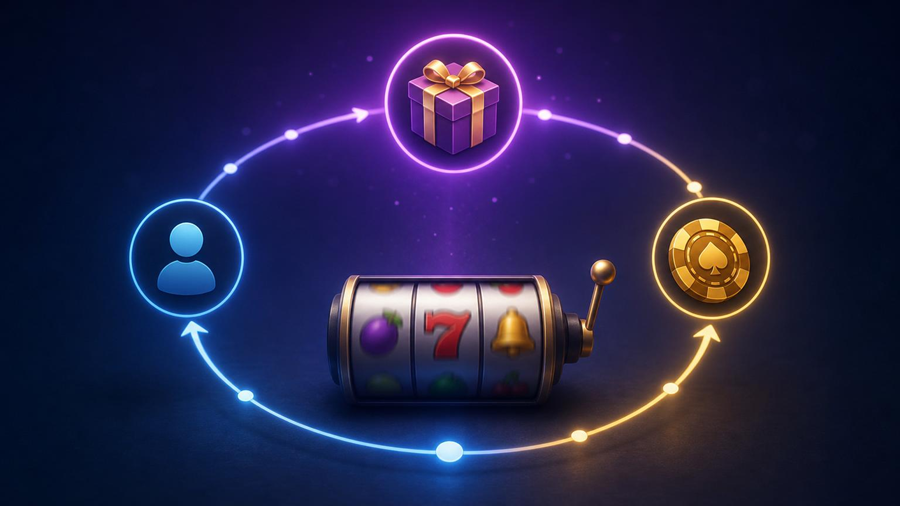
Online casinos increasingly mirror video games by introducing levelling systems, progress bars, and achievement-based adventures. This transforms what once felt like a simple wager into a more immersive, game-like journey. These systems use ideas drawn from casino design, maintaining suspense while offering opportunities for memorable outcomes.
For those comparing digital casino platforms, elements such as bonus milestones echo engagement loops built into popular multiplayer experiences. Real-world regulations also surface as a key factor, with authorities now scrutinising randomised virtual rewards in many regions.
Developers and operators who meet these standards in both loot boxes and bonus-based casino play will create experiences that satisfy both regulatory bodies and player expectations for fairness and transparency.
Player Reactions to Random Systems
Reactions to randomised systems often reflect differences in age and player priorities. Younger players commonly welcome the excitement that chance-based mechanics add to gameplay. They enjoy the sense of discovery that unpredictable outcomes bring. As player demographics shift, older gamers usually approach these systems with more caution.
This divide becomes most visible during debates around paid opportunities that offer randomly selected power-ups or items. Games that allow multiple paid attempts at obtaining strong rewards can frustrate those who cannot spend money. This leads to concerns about fairness and balance.
Many studios now respond by creating systems that balance guaranteed rewards and elements of chance along a visible progression path. Battle pass models give all participants a mix of certain and random prizes as milestones are reached. Some titles add player-driven marketplaces for trading duplicate items.
For continued player engagement, transparency about the chances of receiving specific rewards has become important. Games that display odds for rarer items generally receive more positive feedback. This openness builds trust and helps players make informed choices about participation.
Future Trends in Random Reward Design
Looking ahead, random rewards in games continue to change through advances in technology and game design practice. Some major publishers have announced the development of artificial intelligence systems aimed at real-time personalisation of reward structures. There is currently limited evidence that AI actively manages individual reward timing in commercial releases.
The future may include more adaptive reward systems tailored to player actions and preferences. Rather than all players facing identical systems, upcoming designs may encourage more tailored experiences. These could customise when or how surprises are delivered to suit individual playing styles and session lengths.
Keeping this in check requires careful oversight. Developers must avoid making rewards feel manipulated, which can erode trust. Industry trends suggest that interesting future systems will use AI not only for balancing odds. They may also introduce new types of surprise bonuses and limited events.
Ethical design is coming into sharper focus as concerns around responsible play increase. Developers paying attention to players' well-being may introduce limits on spending. They might develop paths for earning prizes through both skill and luck. Finding this balance can help both brands and users by maintaining a sense of achievement.
The Future of Luck and Engagement
Random rewards have become a defining feature of modern gaming, bridging the psychological appeal of uncertainty with evolving design innovation. From early arcade unpredictability to today’s AI-driven loot systems, developers continually refine how they deliver surprise and excitement.
As players grow more aware of the mechanics behind these rewards, trust and transparency will play an ever-larger role. The next generation of randomised gaming experiences, whether enhanced by AI, blockchain, or immersive technologies, must strike a careful balance between thrill and responsibility. Done right, these systems won’t just entertain; they’ll keep players coming back with anticipation, wonder, and a genuine sense of agency.