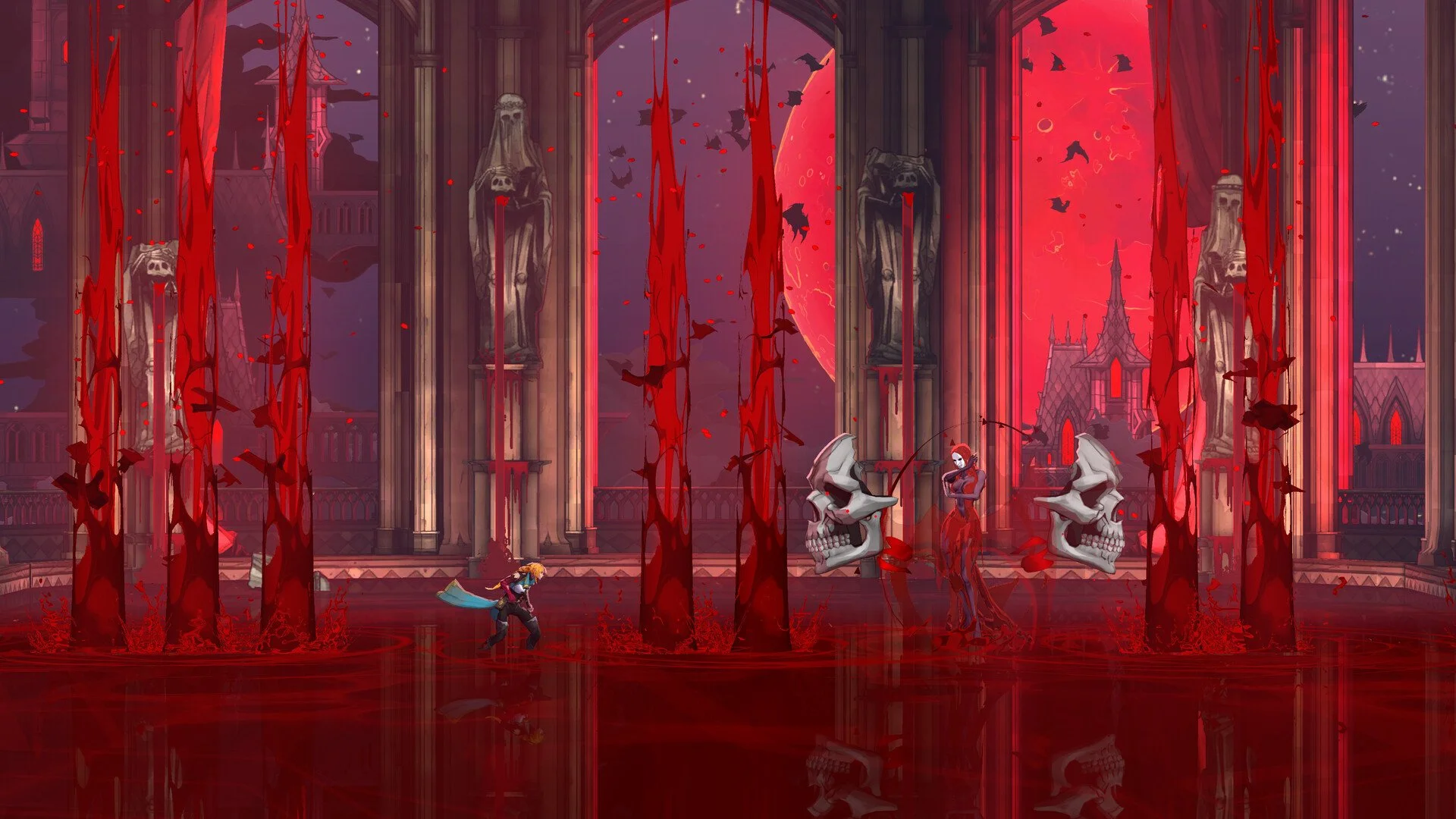
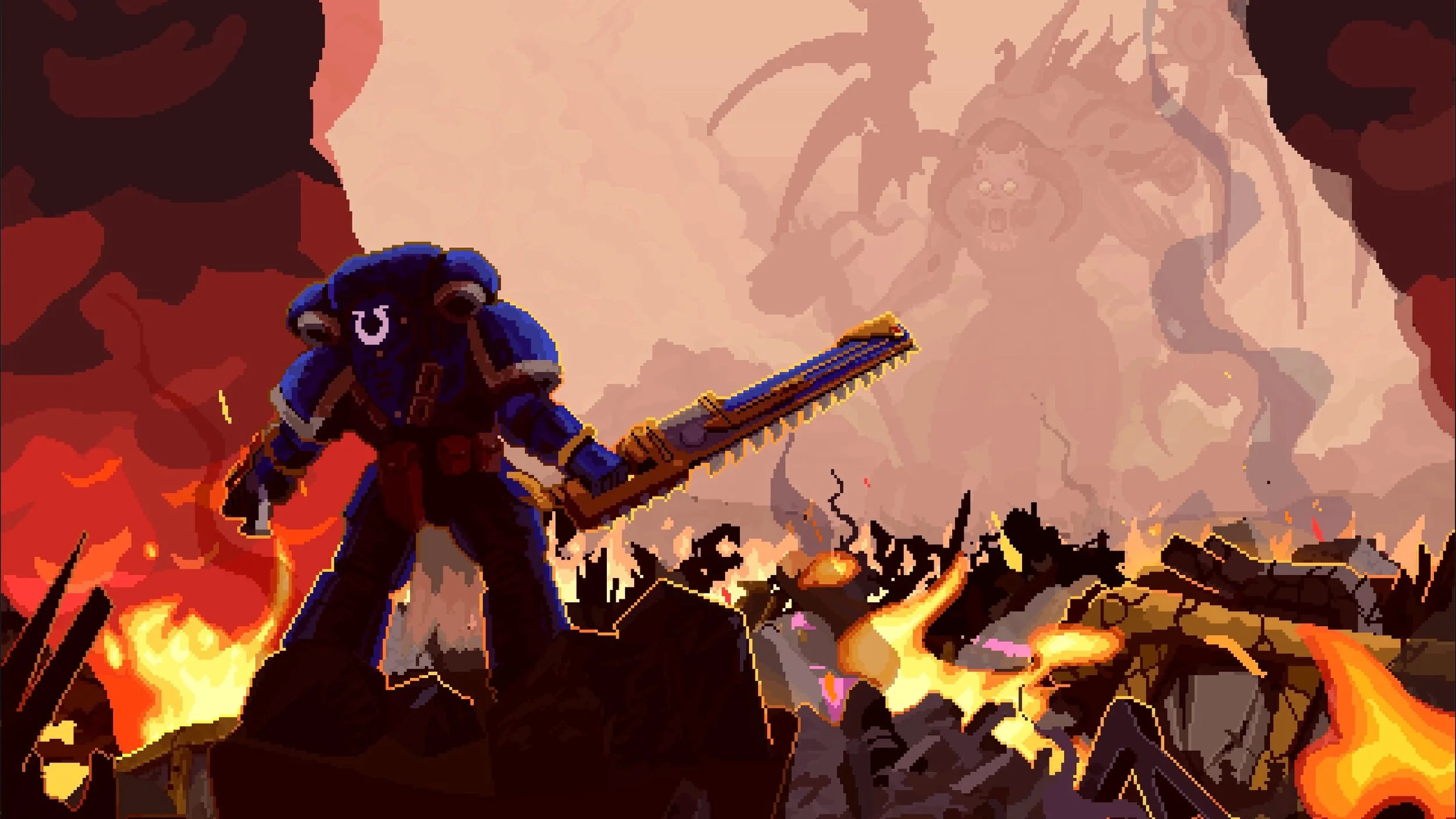
After the big Summer Game Fest live stream, the weekend comes alive with Play Days—an invite-only event packed with demos, reveals, and hands-on time for media and creators. This year, I had the chance to spend a full day at Play Days, and it was an absolute blast. So much so that I’m already planning to carve out more time next year. But enough about how much fun I had, let’s get into what I actually played. My top highlights were: Blumhouse Games, Magic: The Gathering, and CAPCOM, but let’s start at the beginning.
Razer Blade Laptops



My first appointment of the day was with Razer to check out their upcoming lineup of Blade series laptops—models 14, 16, and 18. And wow, these things are sleek. Razor thin (no pun intended) but packed with power. The 14-inch goes up to a 5070 GPU, while the 16 and 18-inch models scale all the way up to a 5090. Performance-wise, they all felt buttery smooth.
Out of the three, the Blade 16 stood out the most to me. It strikes that perfect balance between portability and raw power, making it ideal for gaming, editing, or anything in between. It’s the kind of laptop that would make travel feel effortless.
One thing worth noting: they do get hot near the screen, which isn’t surprising for gaming laptops these days. Just something to keep in mind if you’re planning on using it in your lap for extended play sessions.
Blumhouse Games
I’ve been excited about Blumhouse Games since they were first announced. Fear the Spotlight, their debut release, already had me hooked, it felt like a lost PS1 horror gem I couldn’t stop playing. So naturally, I was stoked to see what they had in store next.
I was able to demo two upcoming titles: Crisol: Theater of Idols and Grave Seasons, both wildly different, but equally fascinating.
Crisol: Theater of Idols
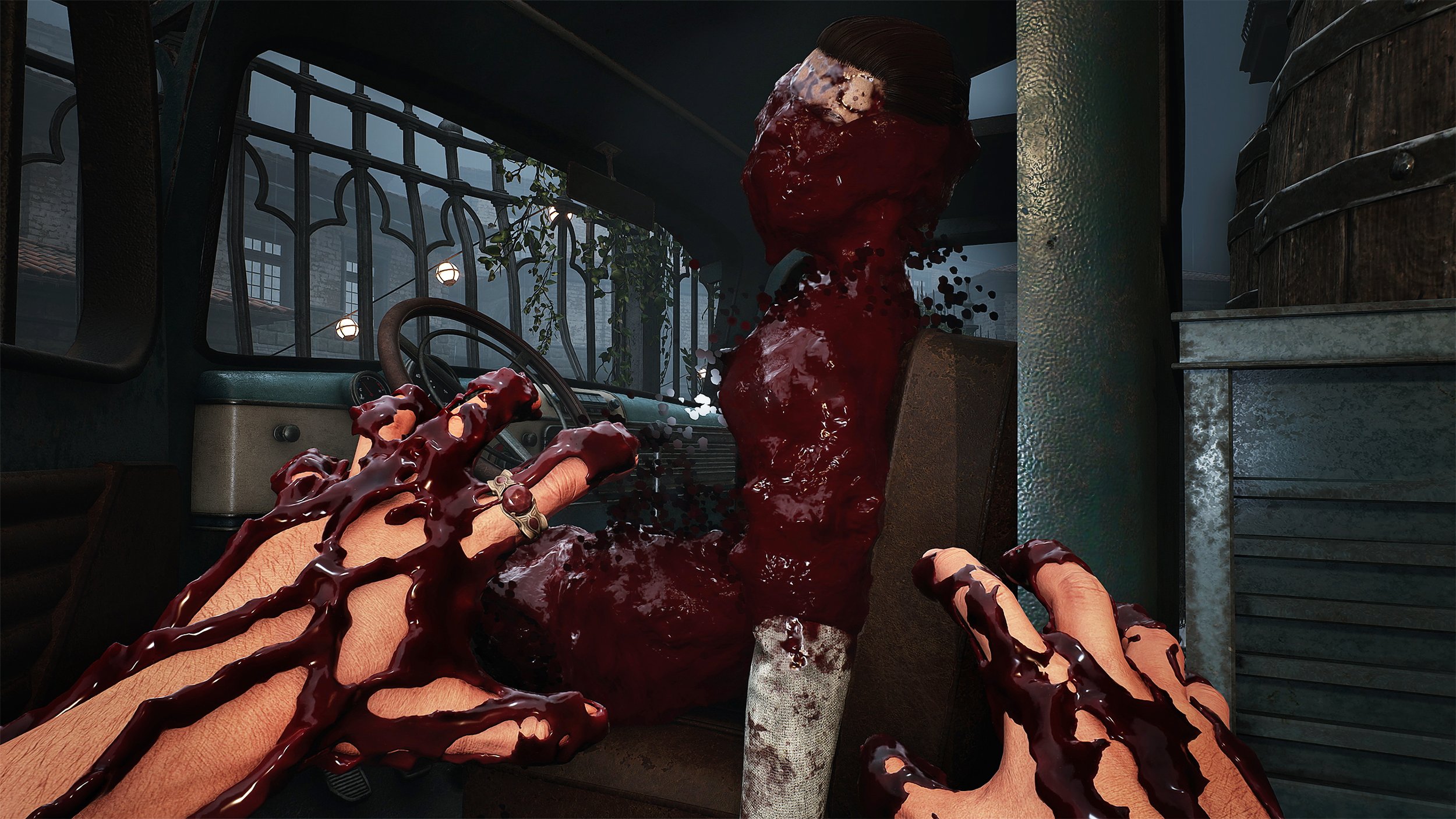
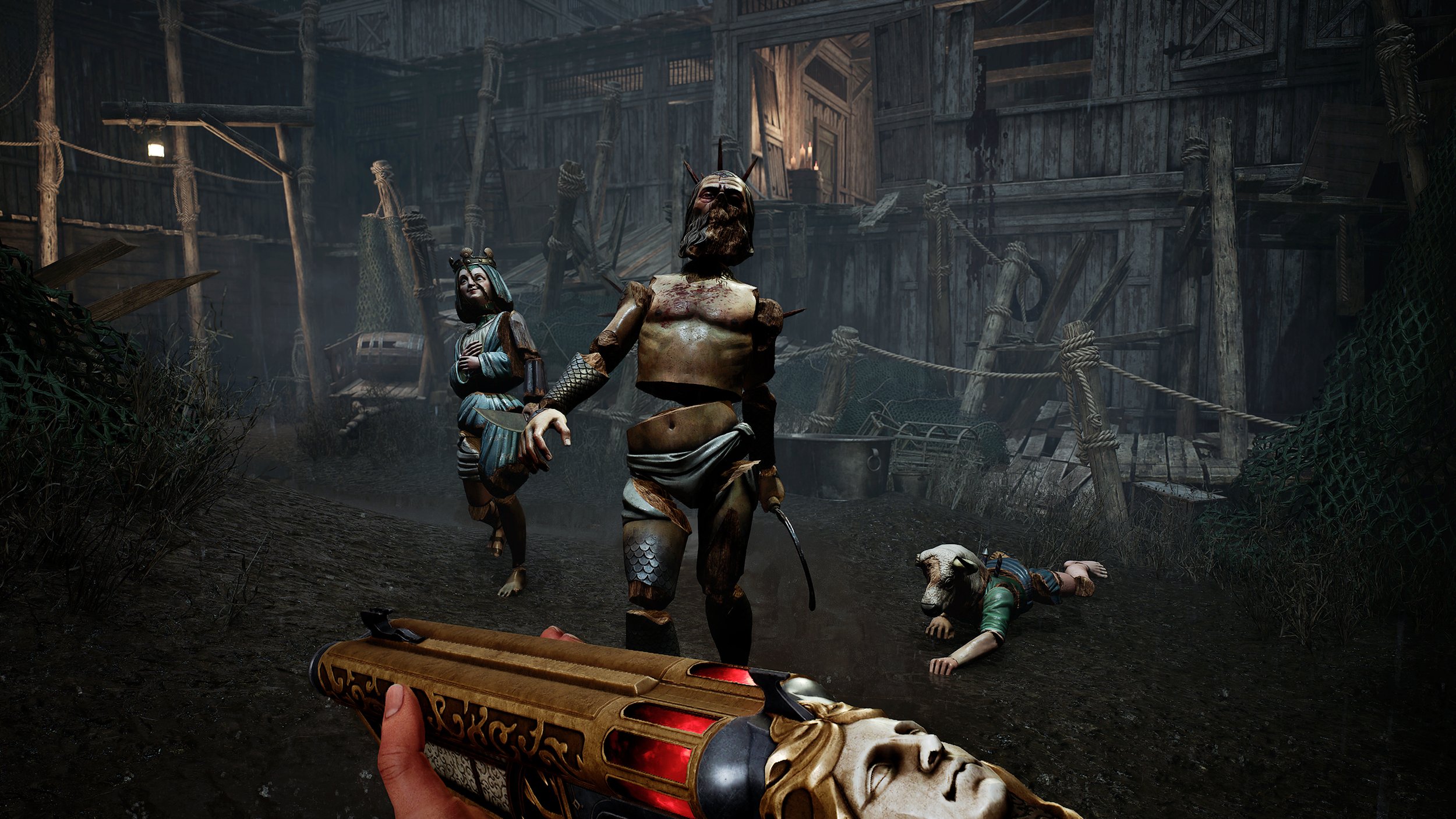
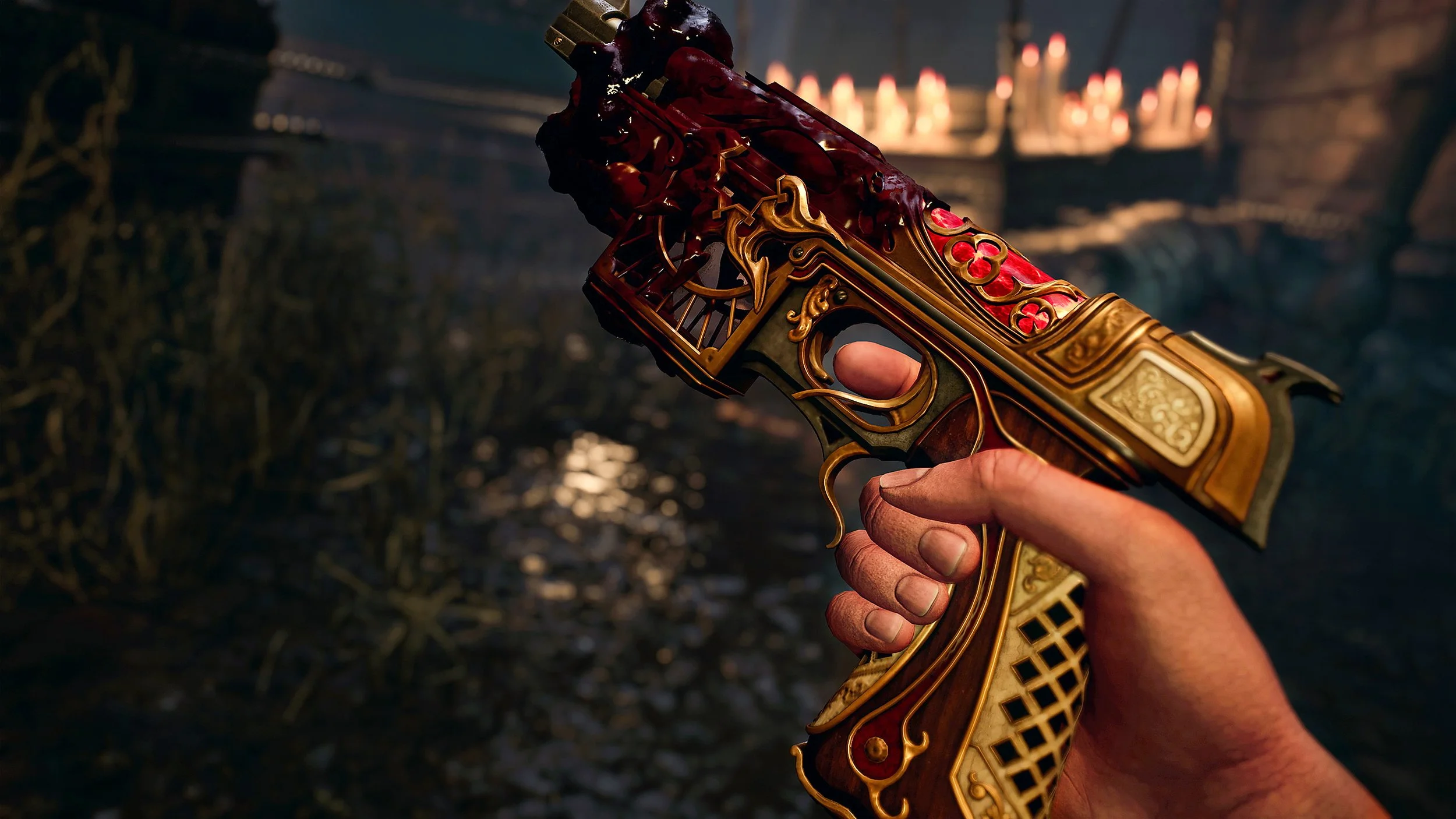
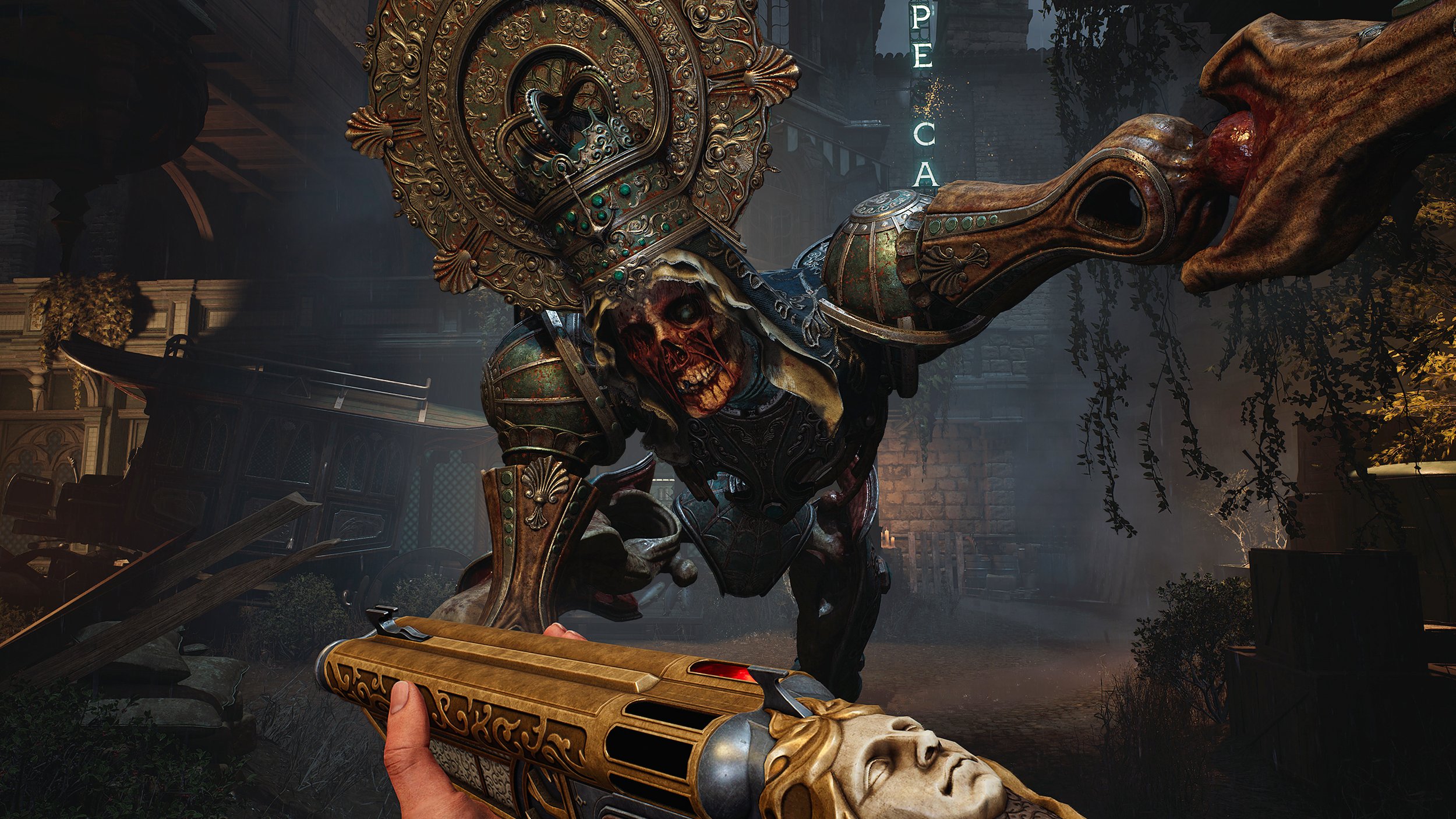
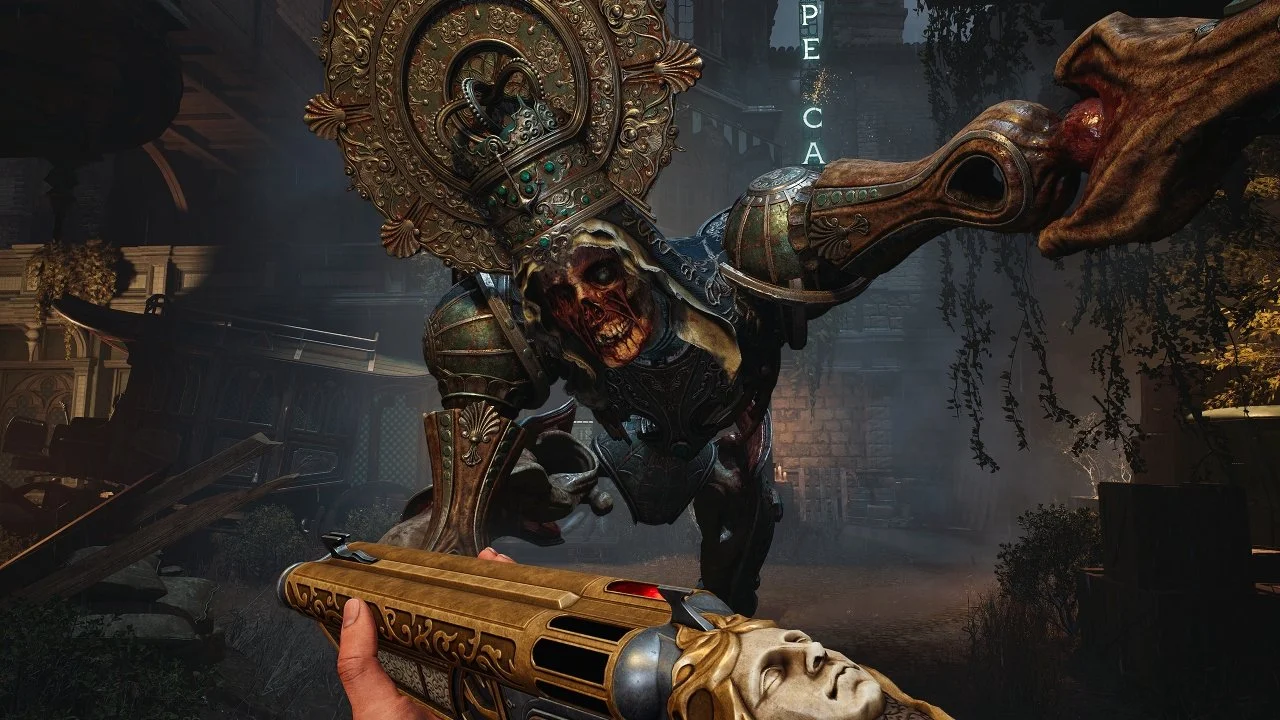
On announcement this was probably the one that I had the least excitement for, but right away I was proven wrong. Mark my words now, this game is going to be a hit. Crisol has everything, body horror, creepy puppets, a great setting, and some brand new mechanics we haven’t really seen before.
At first, this was the title I was least excited for. But within minutes of playing, I realized how wrong I was—this game is going to be a hit.
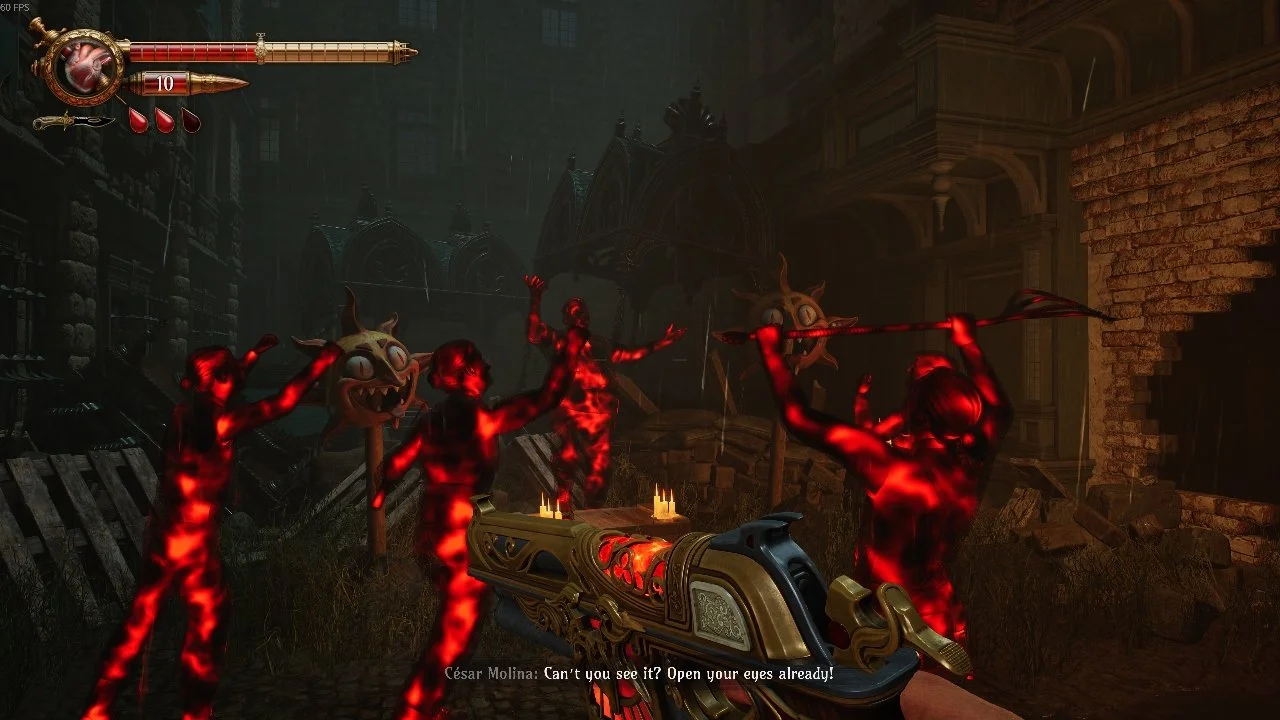
Crisol oozes atmosphere and body horror. One of the most striking mechanics? Your blood is your ammo. Reloading literally drains your health. It’s a mechanic that constantly forces you to weigh your options: Do I heal now? Can I risk reloading with enemies nearby? It’s survival horror at its most tactical and brutal.
The enemies are mechanical puppets, and they don’t go down easily. Shooting off a limb doesn’t stop them—it just changes how they come at you. One moment that stood out? I used a shotgun to blast a puppet’s stomach, splitting it in half—only for the torso and legs to keep attacking me separately. It was gross, hilarious, and so much fun.
After the demo, I got to chat with one of the developers, and—like many horror creators—he was the nicest guy ever. He talked about the inspirations behind Crisol, citing BioShock and Resident Evil. And once he said that, I could totally see those influences—but the game still has its own unique identity. I walked away from Crisol fully sold. Keep your eyes on this one—it drops later this year, and I can’t wait.
Grave Seasons
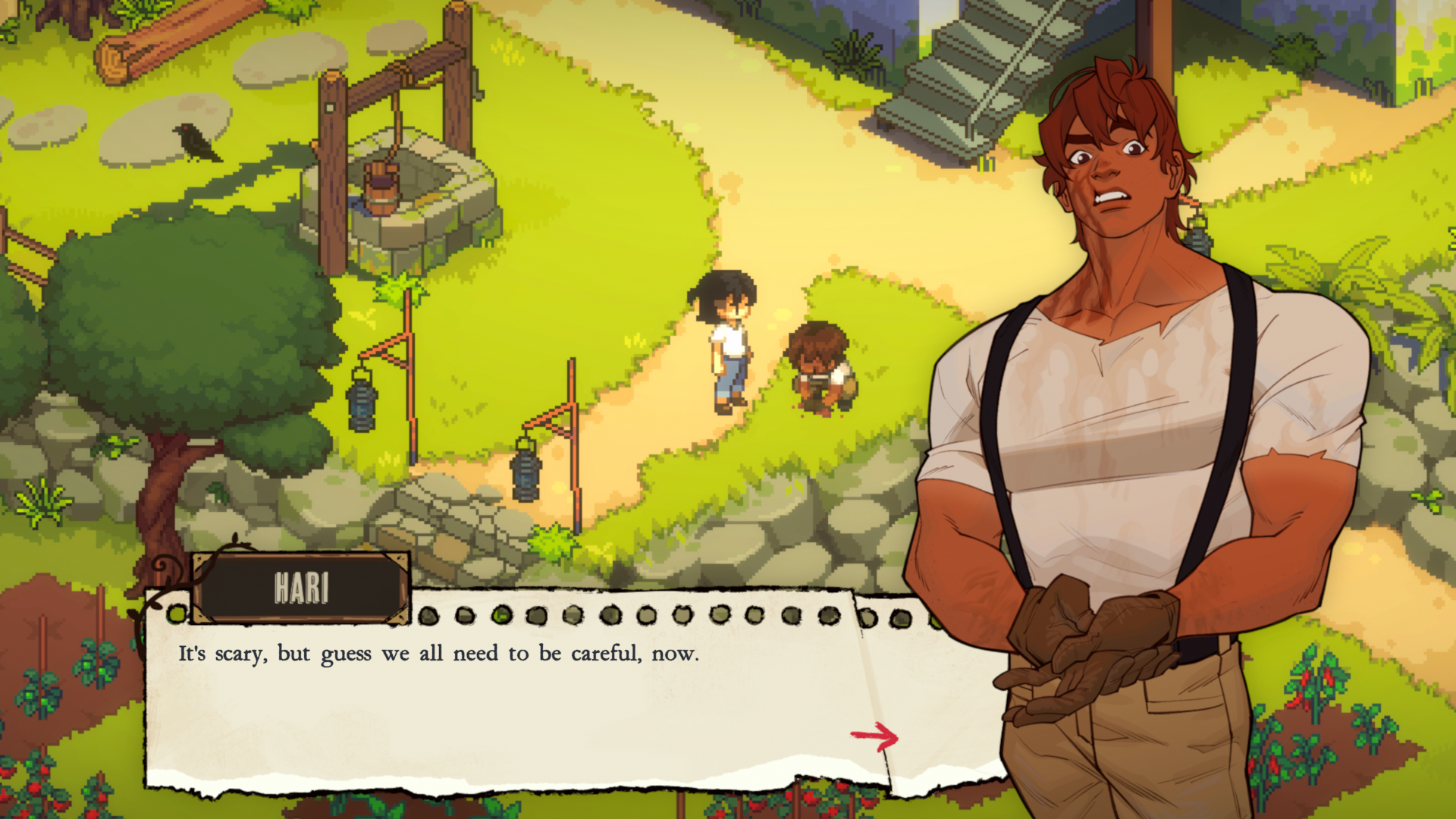
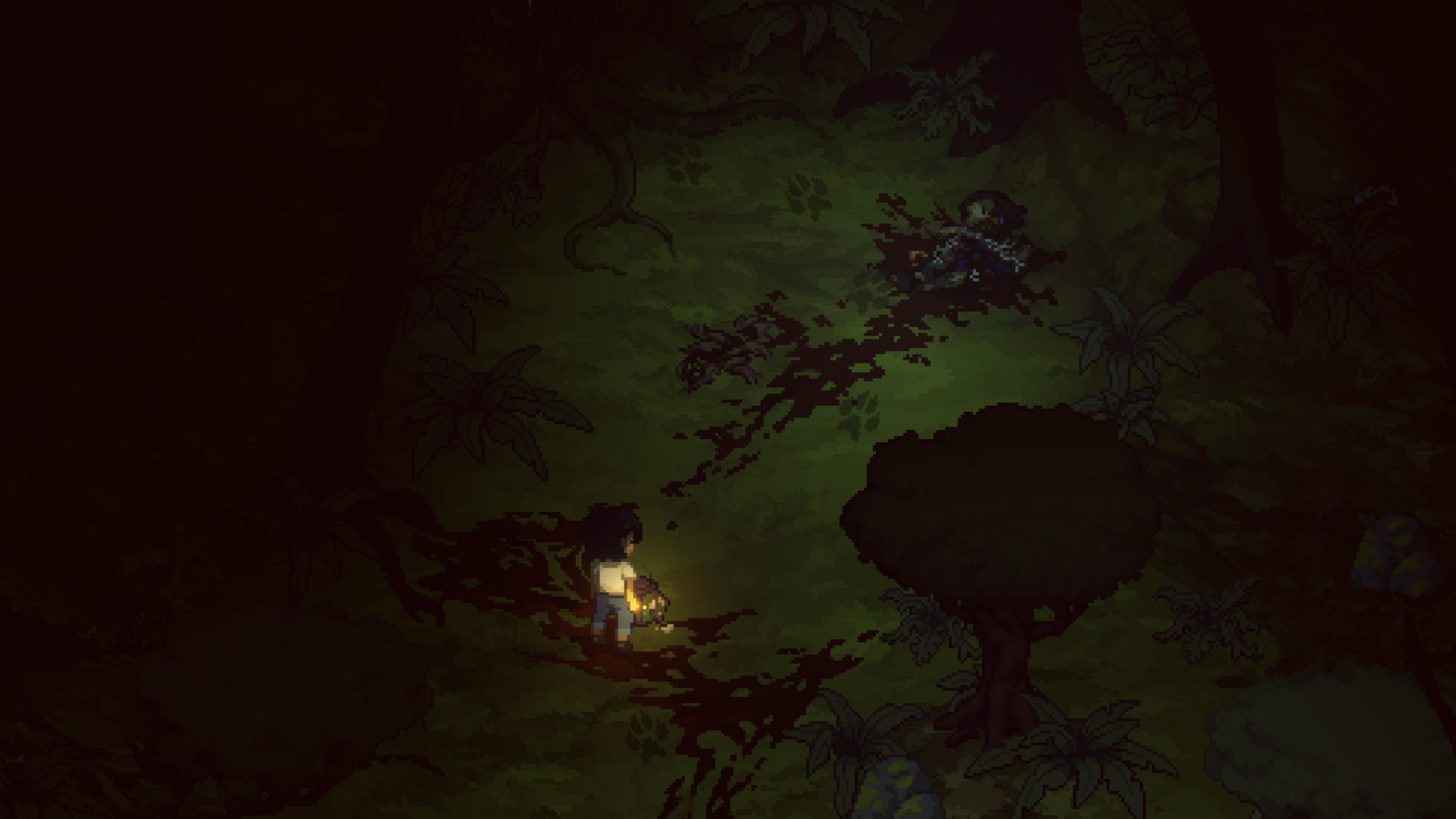
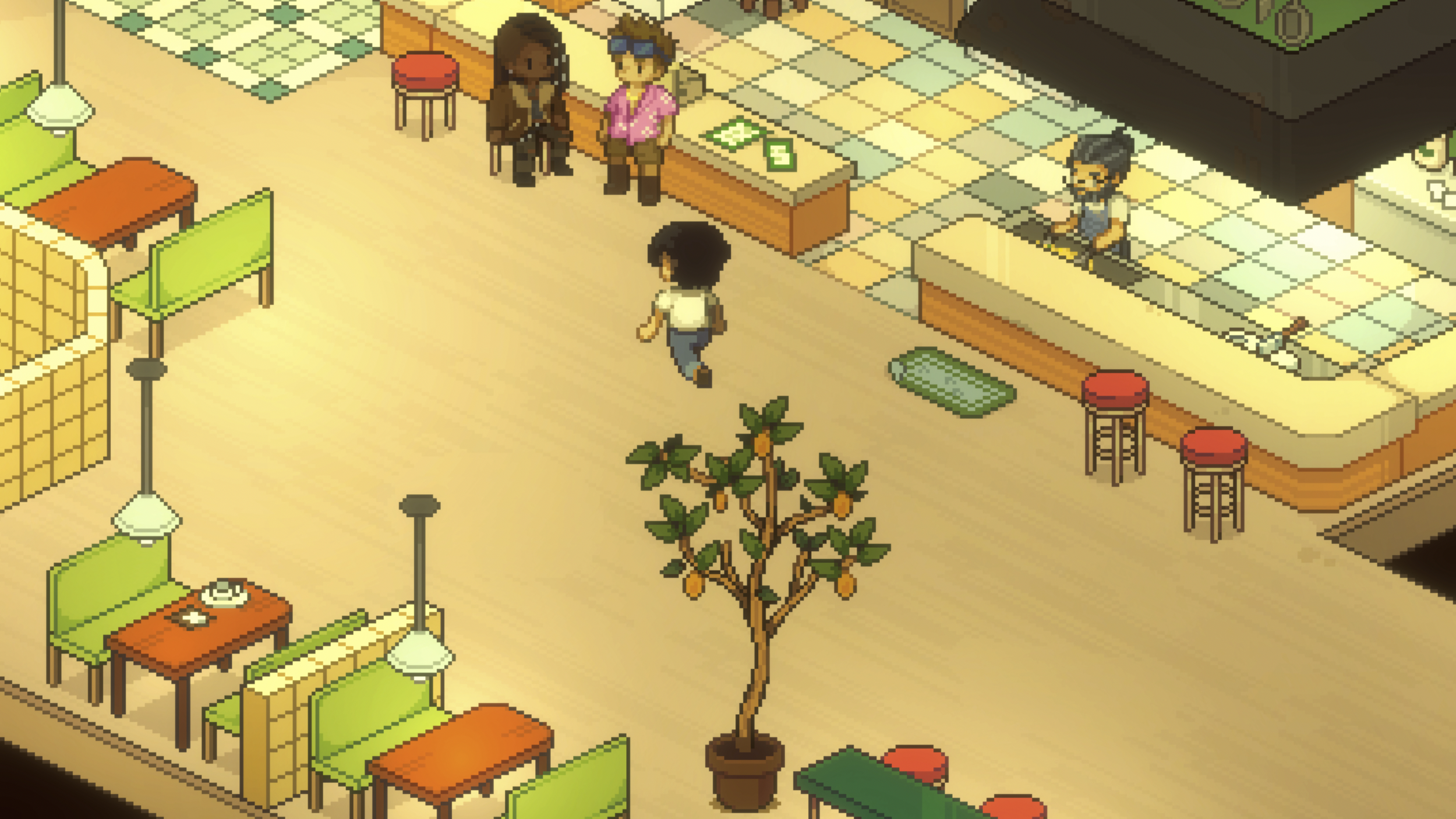
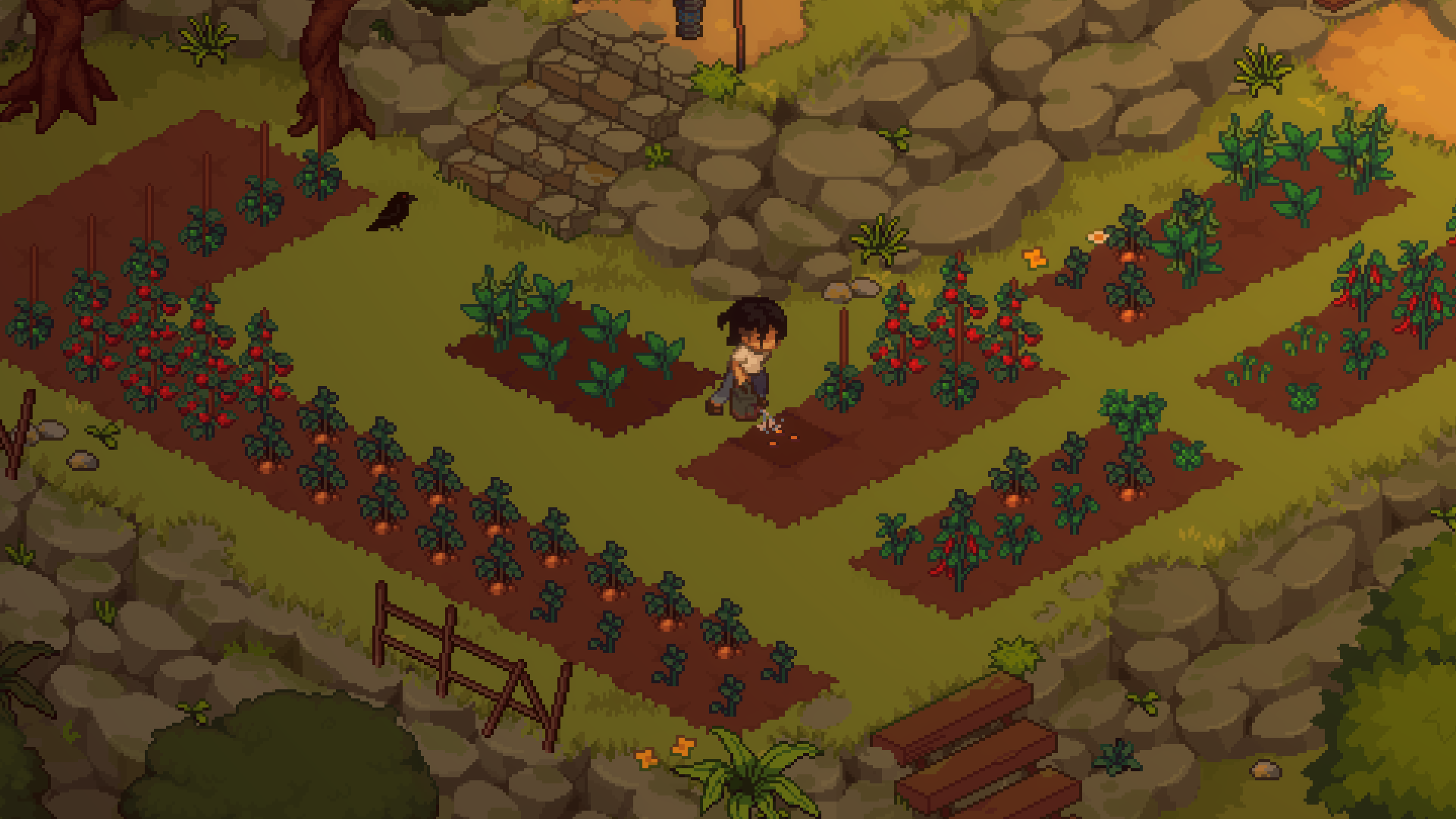
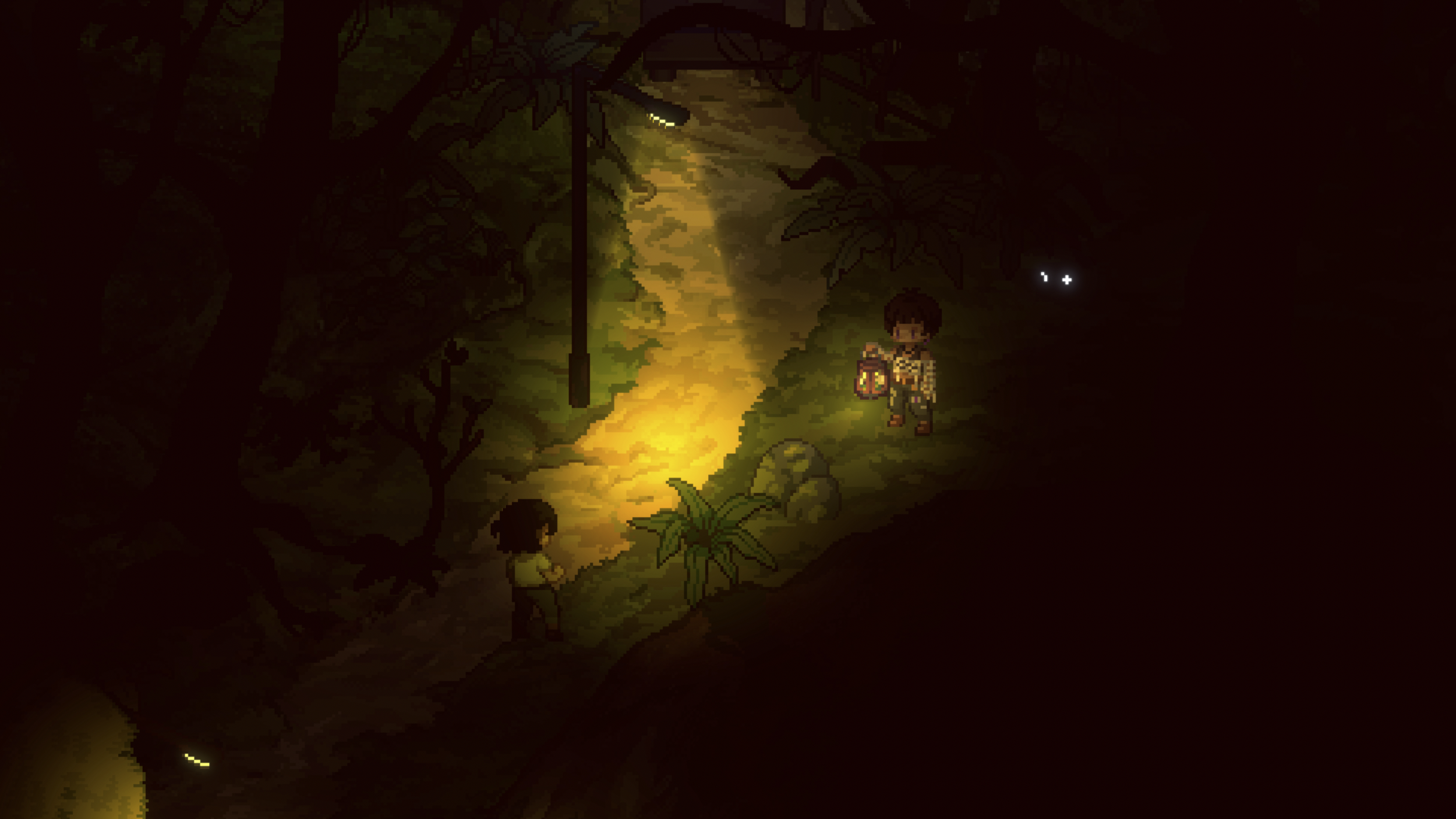
Next up was Grave Seasons, Blumhouse’s murder mystery farming sim—and the game I was most excited about going in. It’s a wild concept: cozy farming mechanics meet psychological horror. As someone with way too many hours in Stardew Valley, I was all in.
The demo gave me just a taste—about one in-game day. You meet some townsfolk, do a bit of farming and cleaning, and eventually get invited into the woods by a mysterious new character. What starts as a peaceful sim quickly turns...unhinged.
When night falls and you meet her in the forest—BAM! The vibe does a complete 180. The adorable sim music fades into grotesque squelches and unsettling ambience. It caught me completely off guard in the best way. The horror twist hit hard, and the sound design made it feel visceral. I genuinely grinned through the entire scene.
After playing Fear the Spotlight, Crisol, and now Grave Seasons, I think it’s safe to say that Blumhouse is 3-for-3. Each game feels distinct, smartly designed, and surprisingly bold.
CAPCOM
CAPCOM held a behind-closed-doors theater presentation featuring two of their upcoming titles, along with hands-on gameplay for a few others. While I didn’t get a chance to try Pragmata myself, my colleague did, so be sure to check out our impressions on that here. They also had Street Fighter 6 running on the Nintendo Switch 2, which is exciting in its own right. But let’s talk about what I did get to see: Onimusha: Way of the Sword and Resident Evil: Requiem.
Onimusha: Way of the Sword
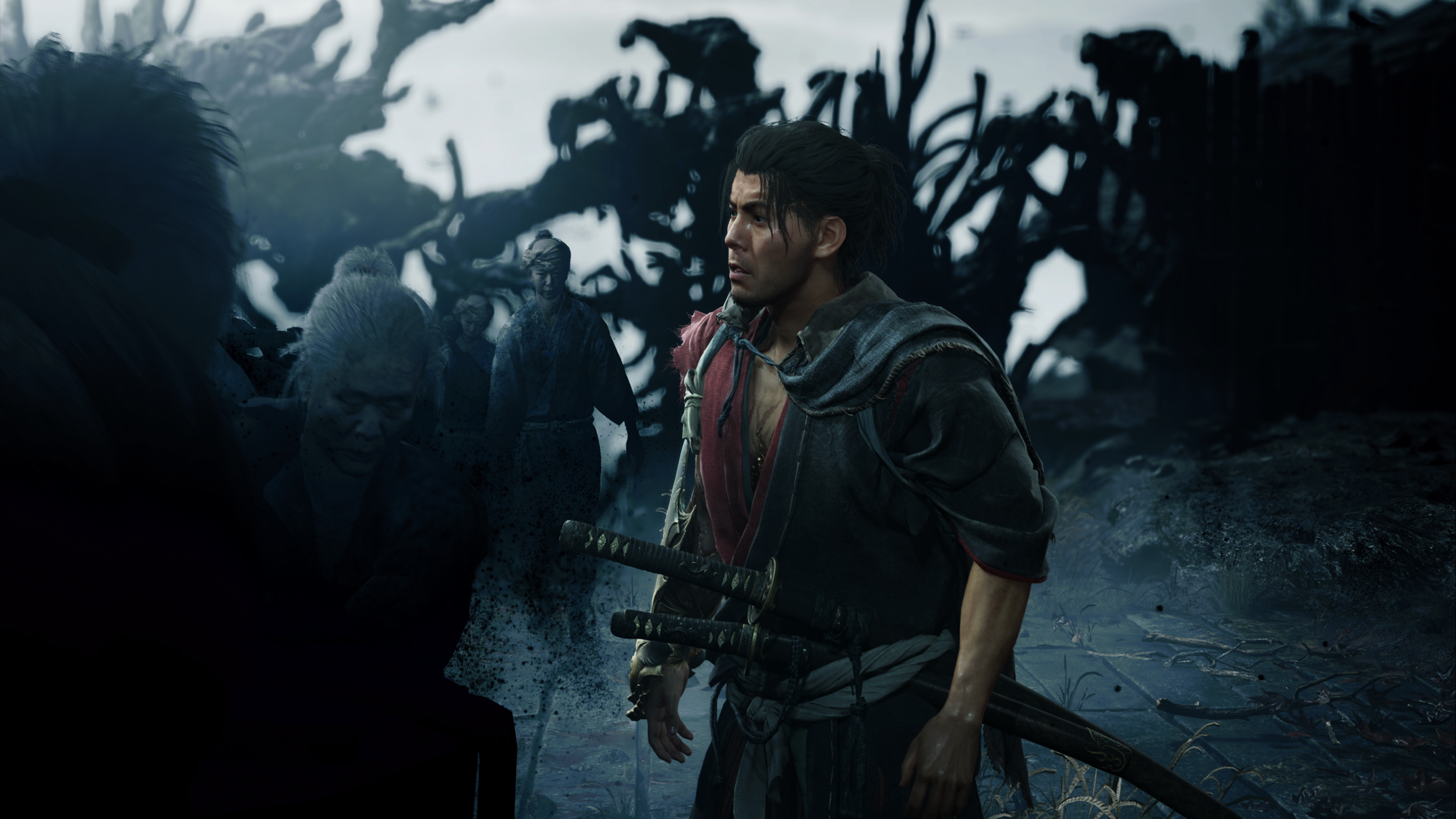
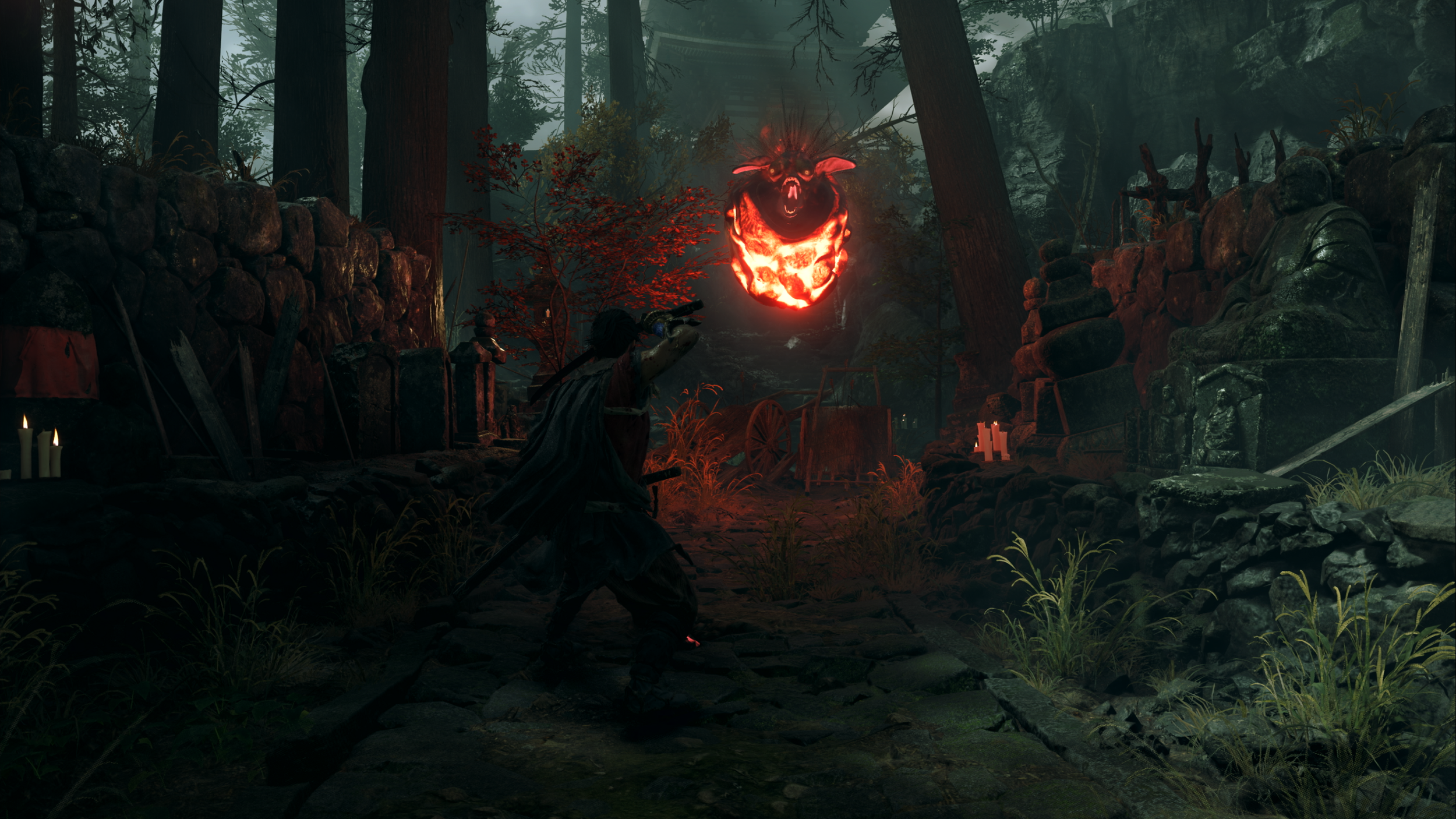
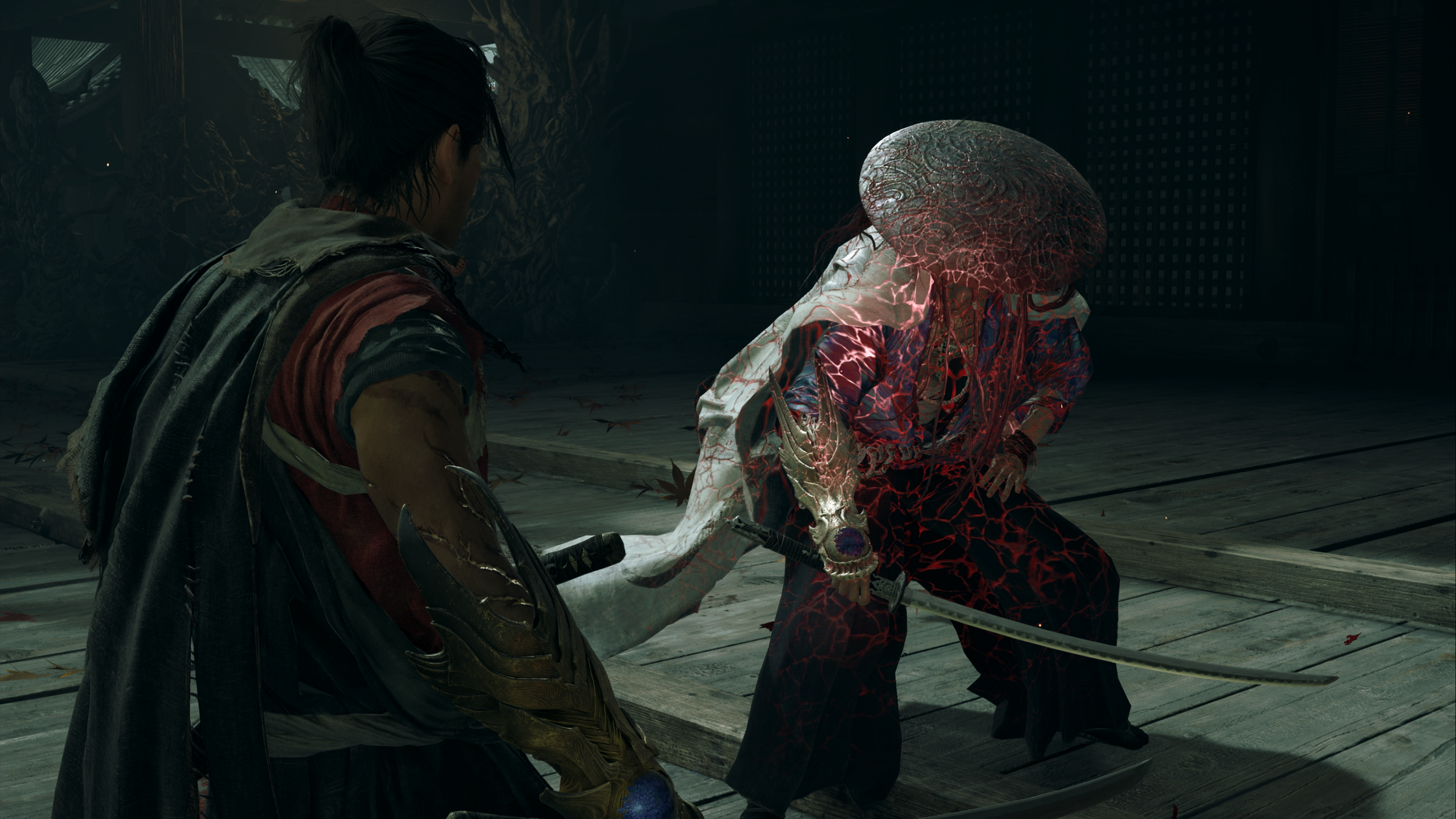
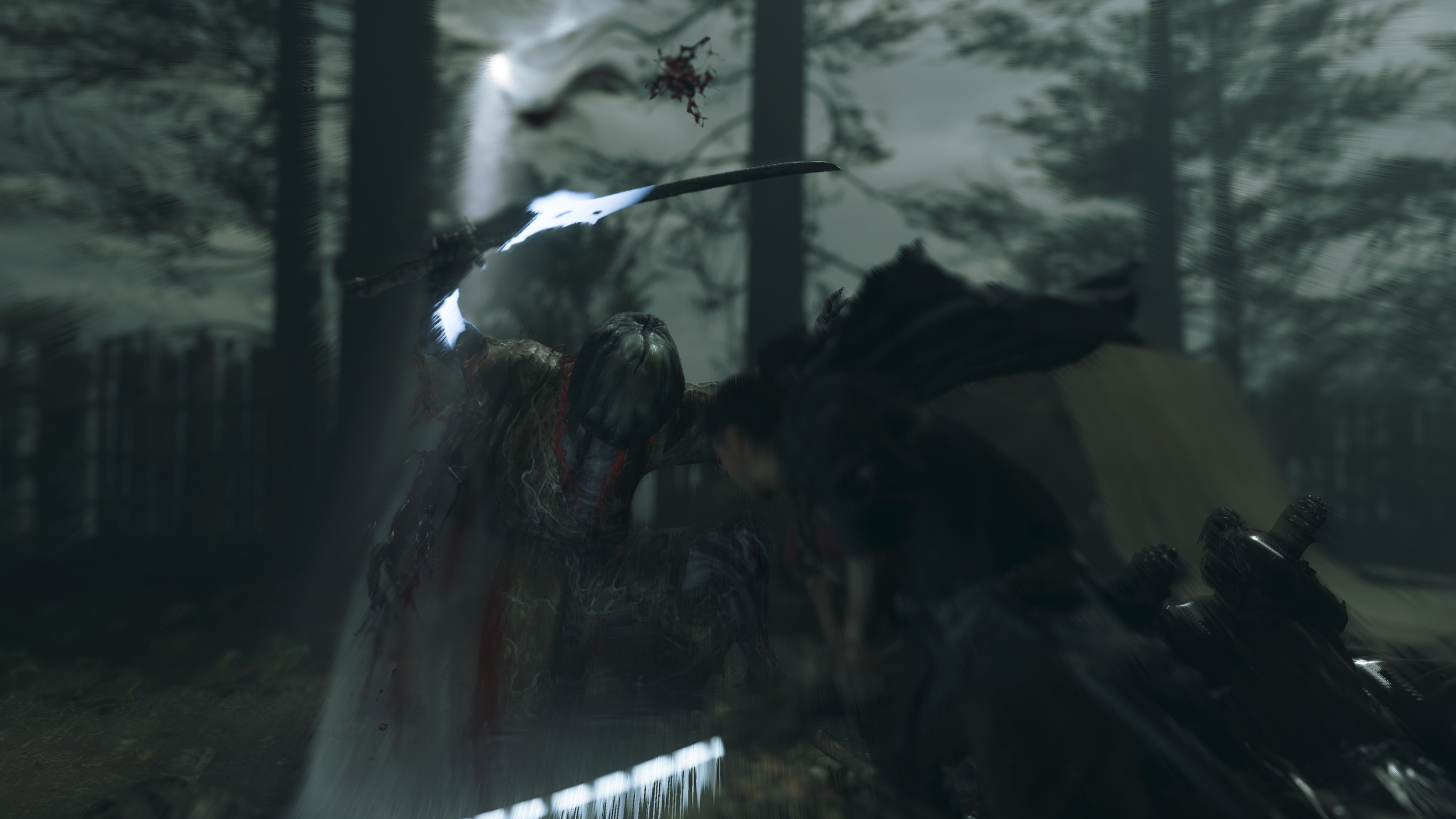
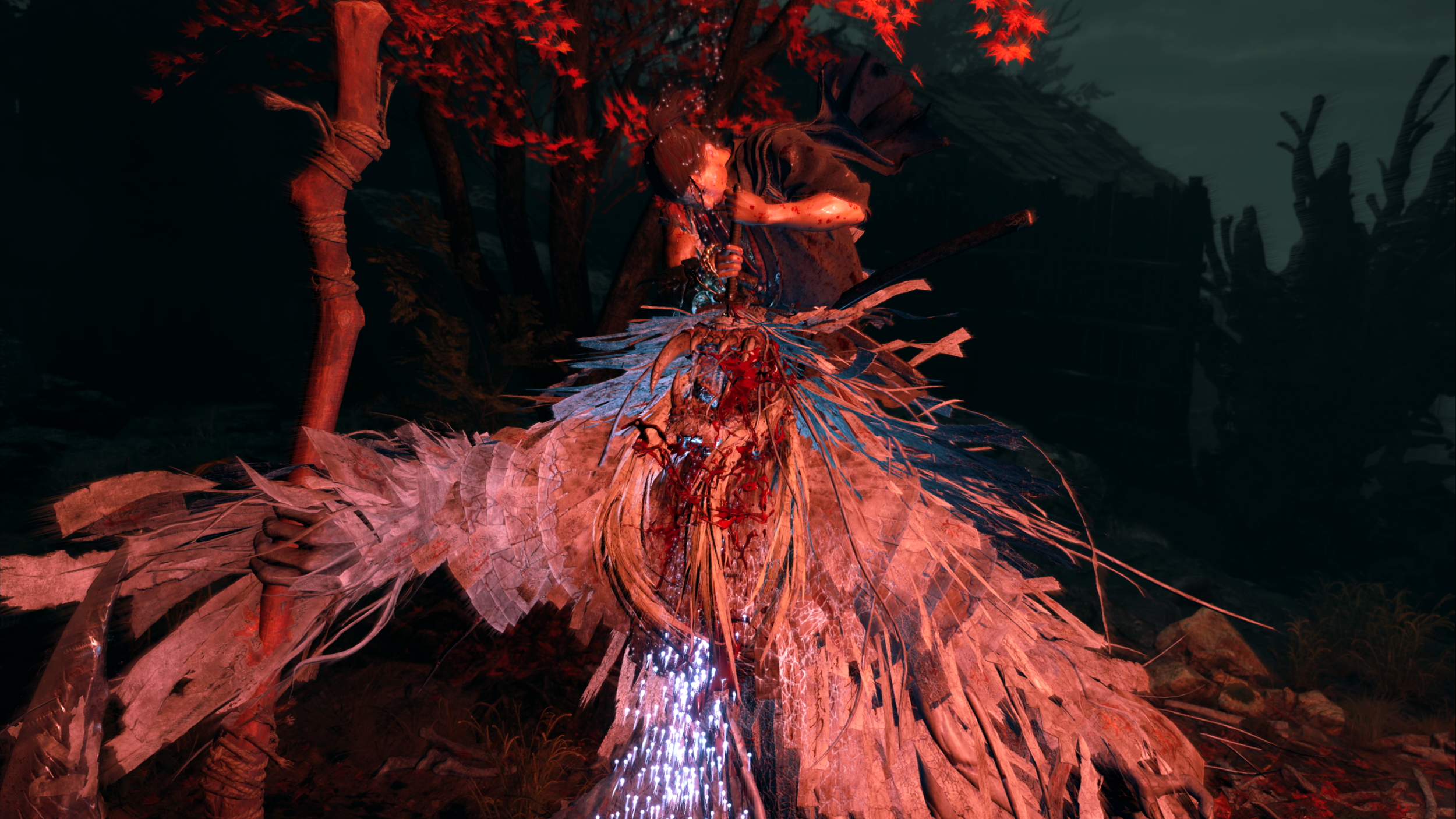
The first game shown was Onimusha: Way of the Sword, and they treated us to a solid 20 minutes of gameplay. It looked stunning, crisp visuals, a rich feudal Japan setting, and intense parry-centric combat that included not one but two boss fights.
If you’re into games that emphasize parrying, this one’s going to feel like home. Parrying is woven deeply into the gameplay, with several layers of interaction:
You can guard from any direction, which is a blessing—no more cheap hits from off-screen enemies.
Redirecting enemies mid-parry lets you slam them into walls or environmental hazards.
Deflecting is especially useful against ranged attacks and can stagger enemies.
And, of course, there’s the return of the Issen,the iconic Onimusha move that turns a well-timed parry into a devastating (and sometimes fatal) counterattack.
The mix of mechanical depth and beautiful presentation made this demo a standout. As someone who’s always had a soft spot for the Onimusha series, this feels like a true evolution of the franchise, modern but unmistakably rooted in what made the originals special.
Resident Evil: Requiem
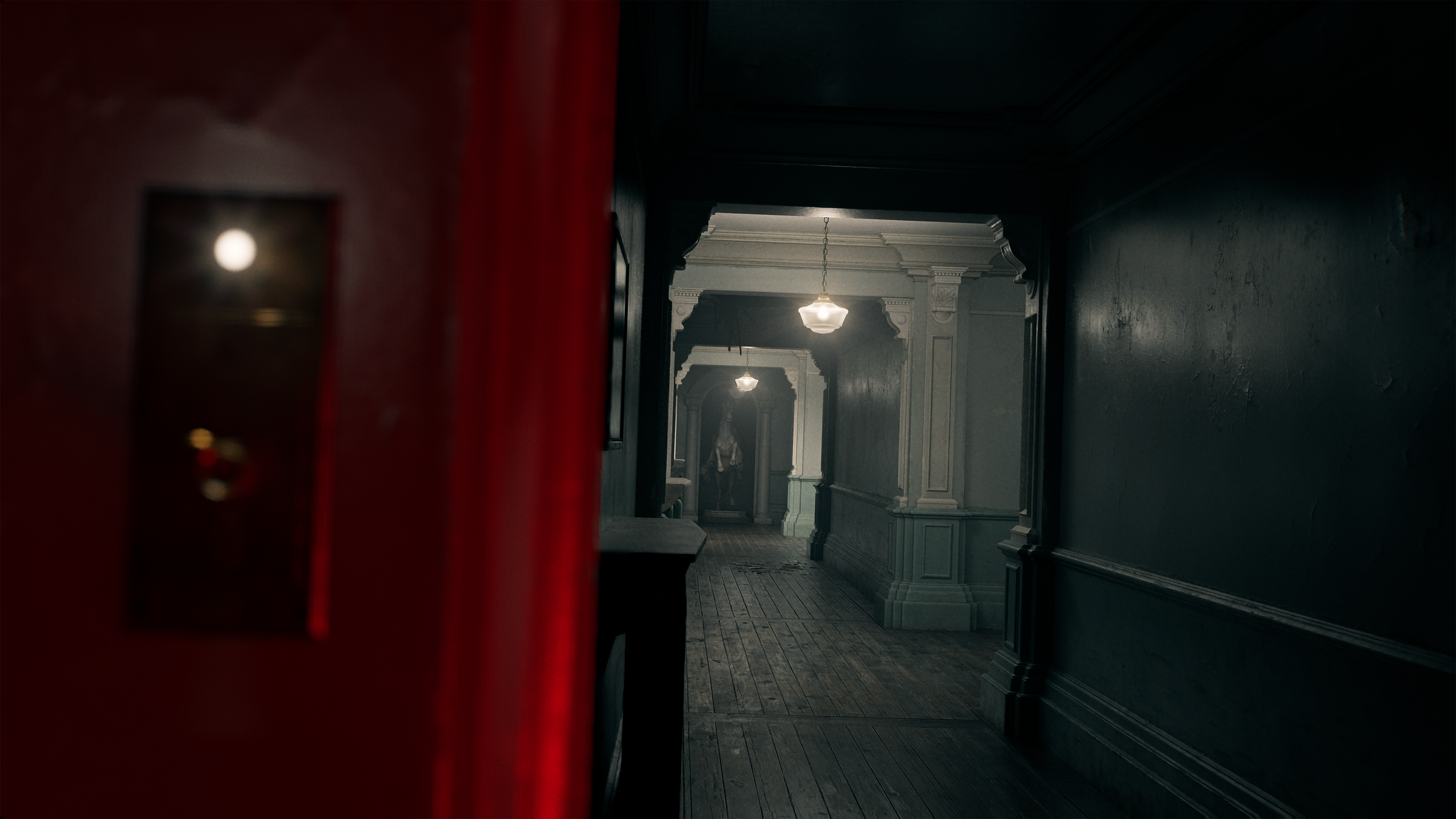
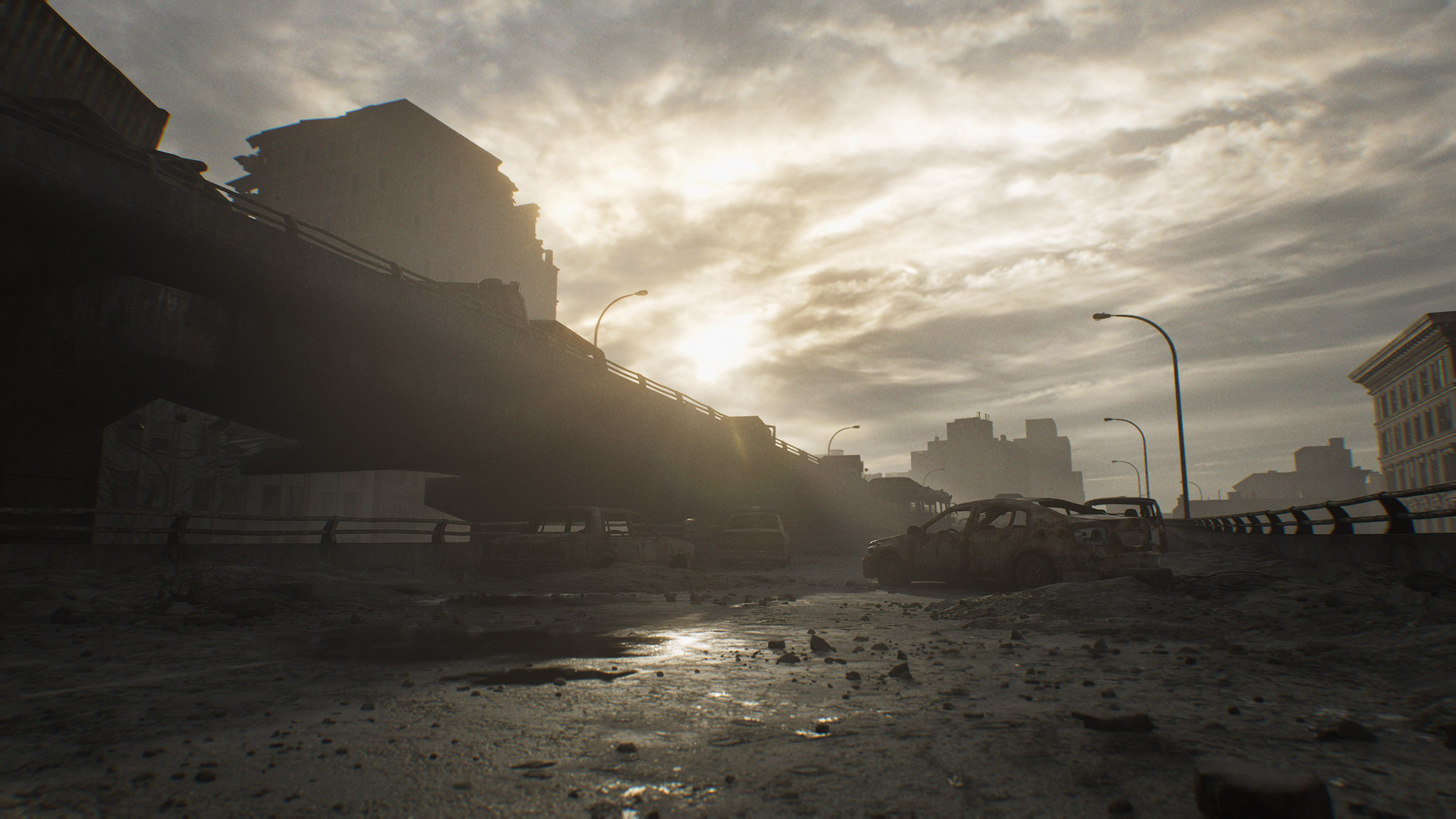
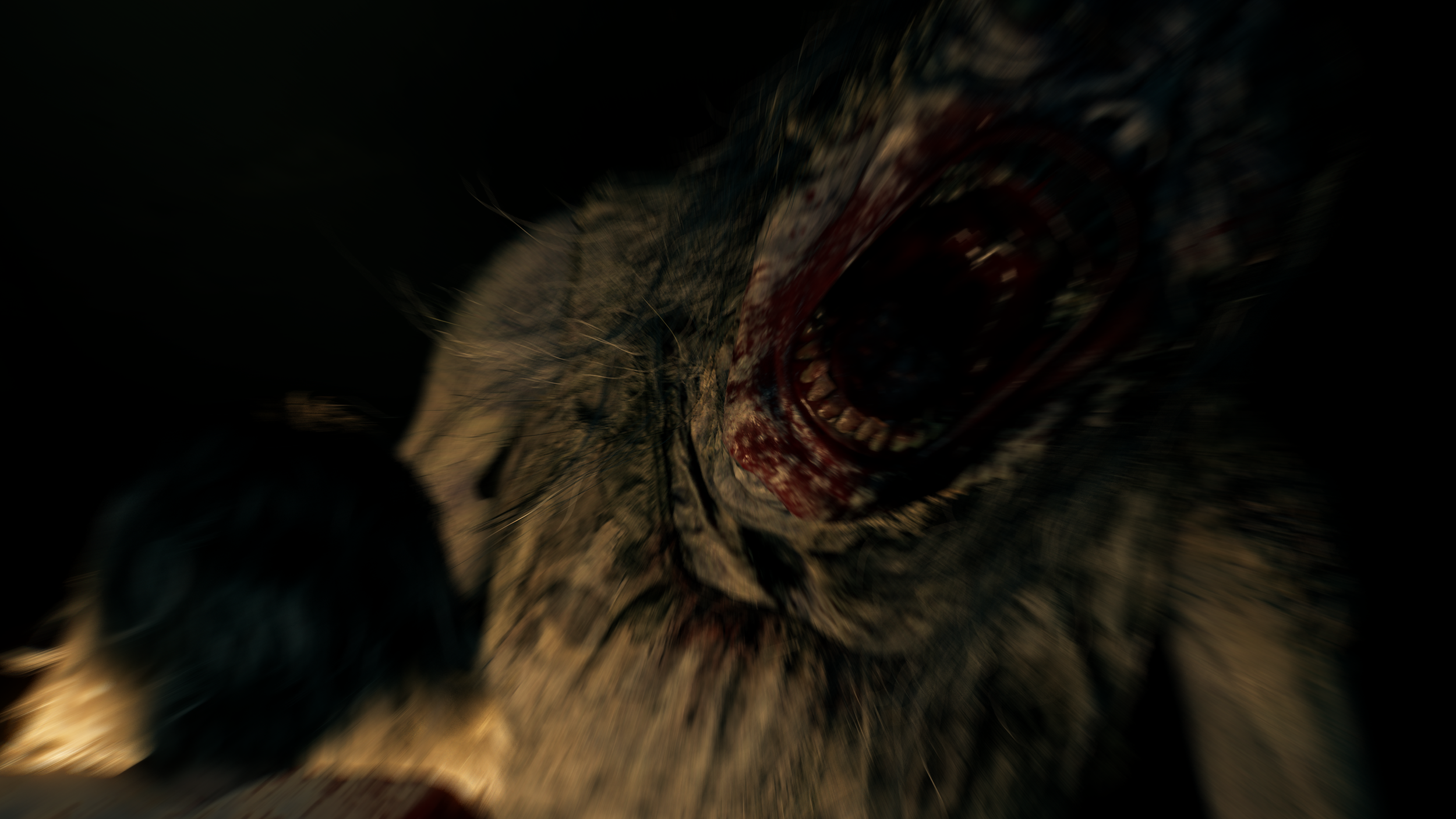
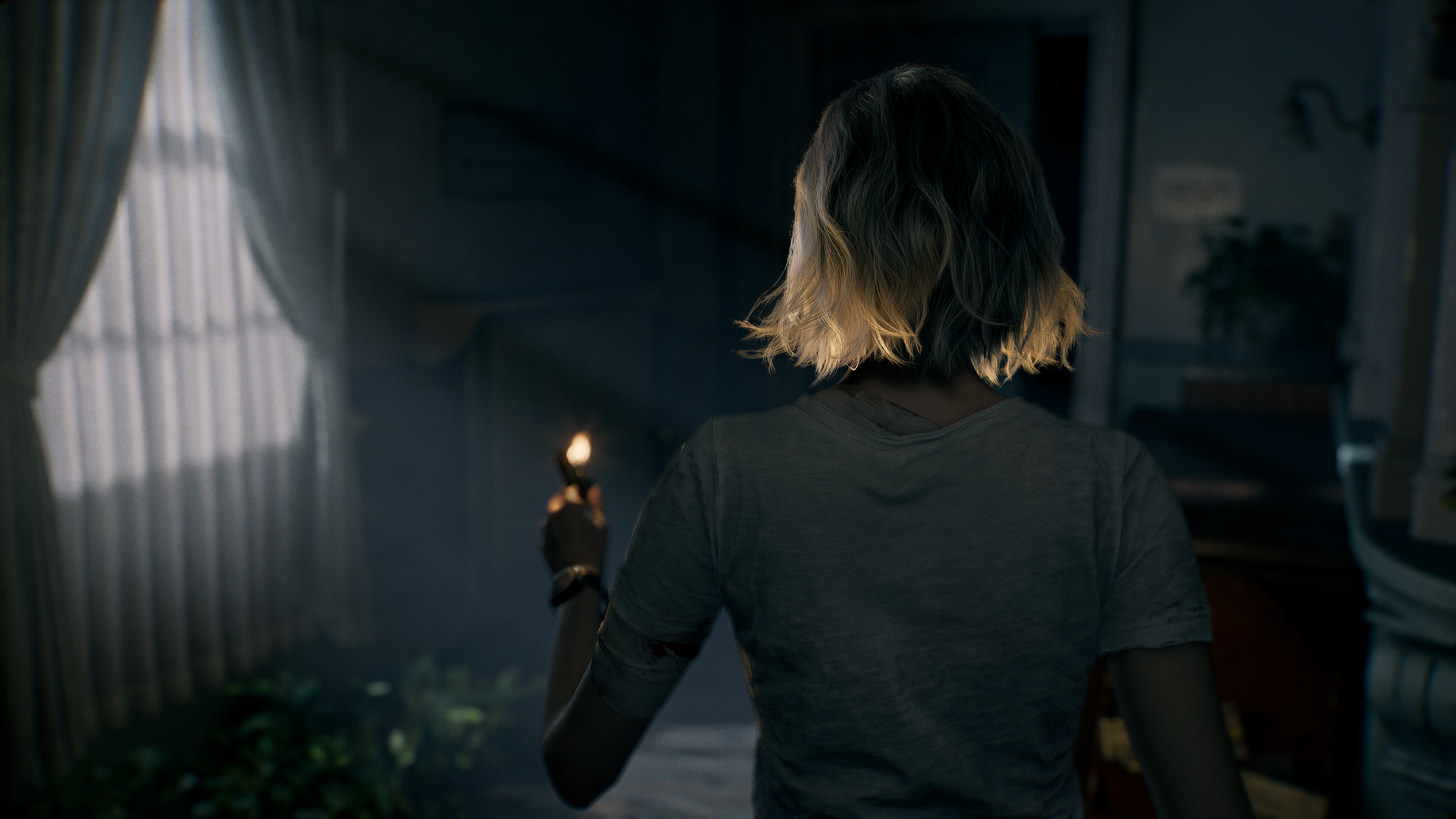
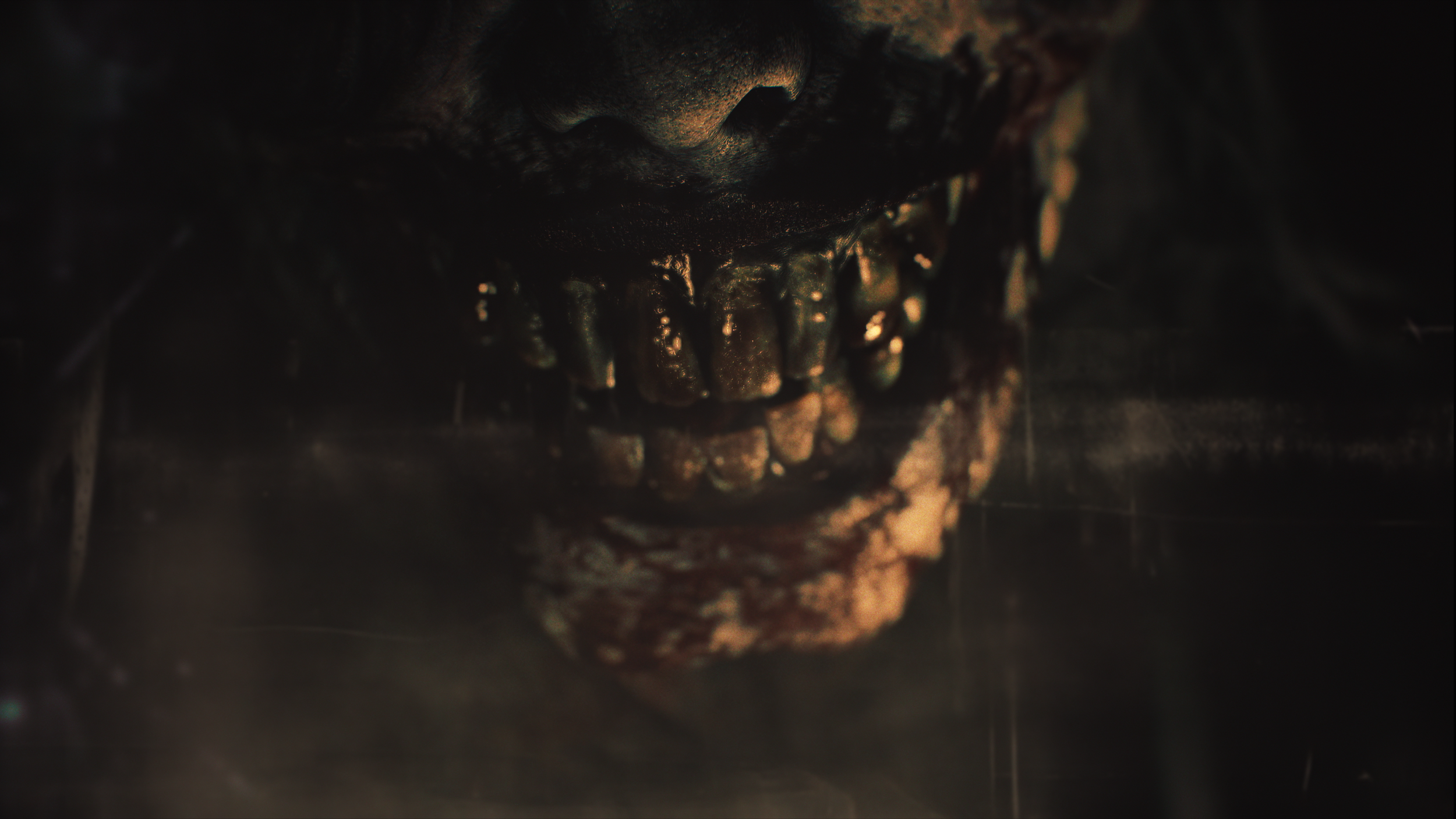
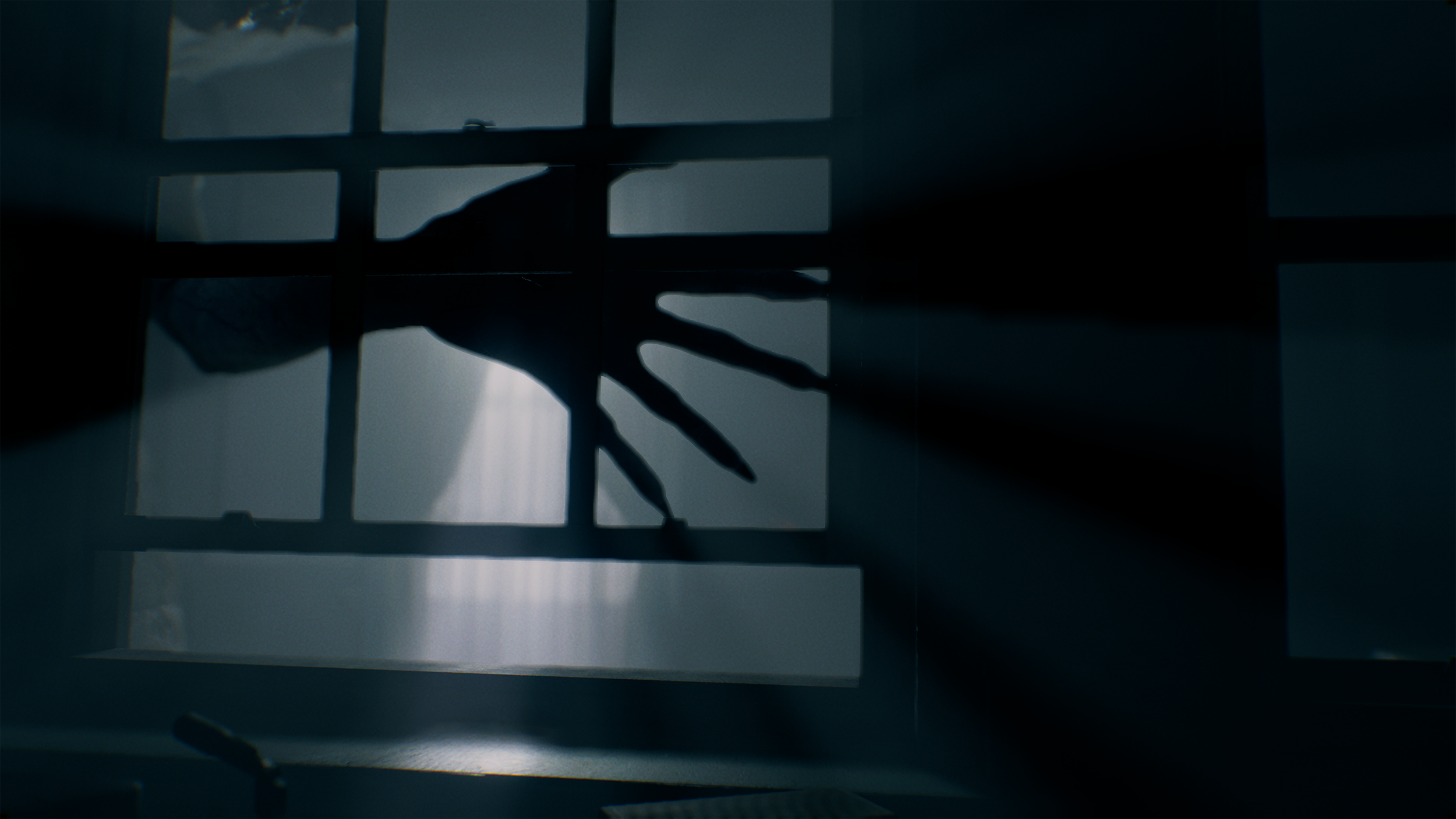
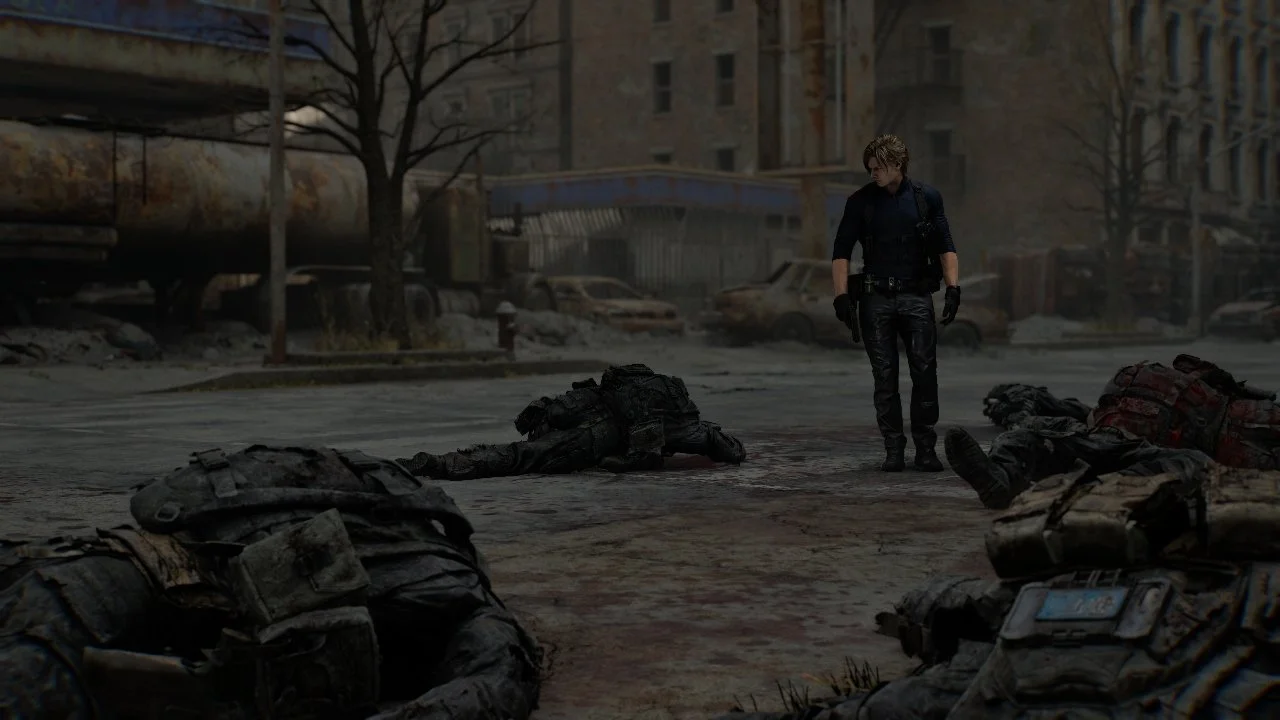
When I signed up for CAPCOM’s theater presentation, it was listed as two 30-minute blocks: one for Onimusha and one for a mystery title. That mystery was revealed during the SGF livestream as Resident Evil: Requiem. So when we were told we’d be seeing never-before-seen gameplay, I was all in—instant highlight for me. I’m a huge Resident Evil fan, and the idea of waiting until February felt unbearable after what I saw.
Requiem immediately brought Resident Evil 7: Biohazard vibes—it’s tightly focused, localized, and leans heavily into atmospheric horror over action. And honestly, that’s my favorite flavor of Resident Evil—true survival horror.
The gameplay segment delivered all the series staples: layered puzzles (you’ll need a key to open a box that has an item to open a door), moody lighting, and yes, a few perfectly timed jump scares. But the standout moment? The reveal of the new Big Bad Lady.
Let me tell you—she is TERRIFYING. The moment she stepped out from the shadows, the entire theater reacted with a unified, horrified “OHHHHHH.” She’s an instant classic in the RE villain pantheon—creepy, elegant, and unforgettable. I already know she’s going to be a fan favorite
If this first glimpse is anything to go by, Requiem is on track to become one of my favorite Resident Evil games. February can’t come soon enough.
SPINE
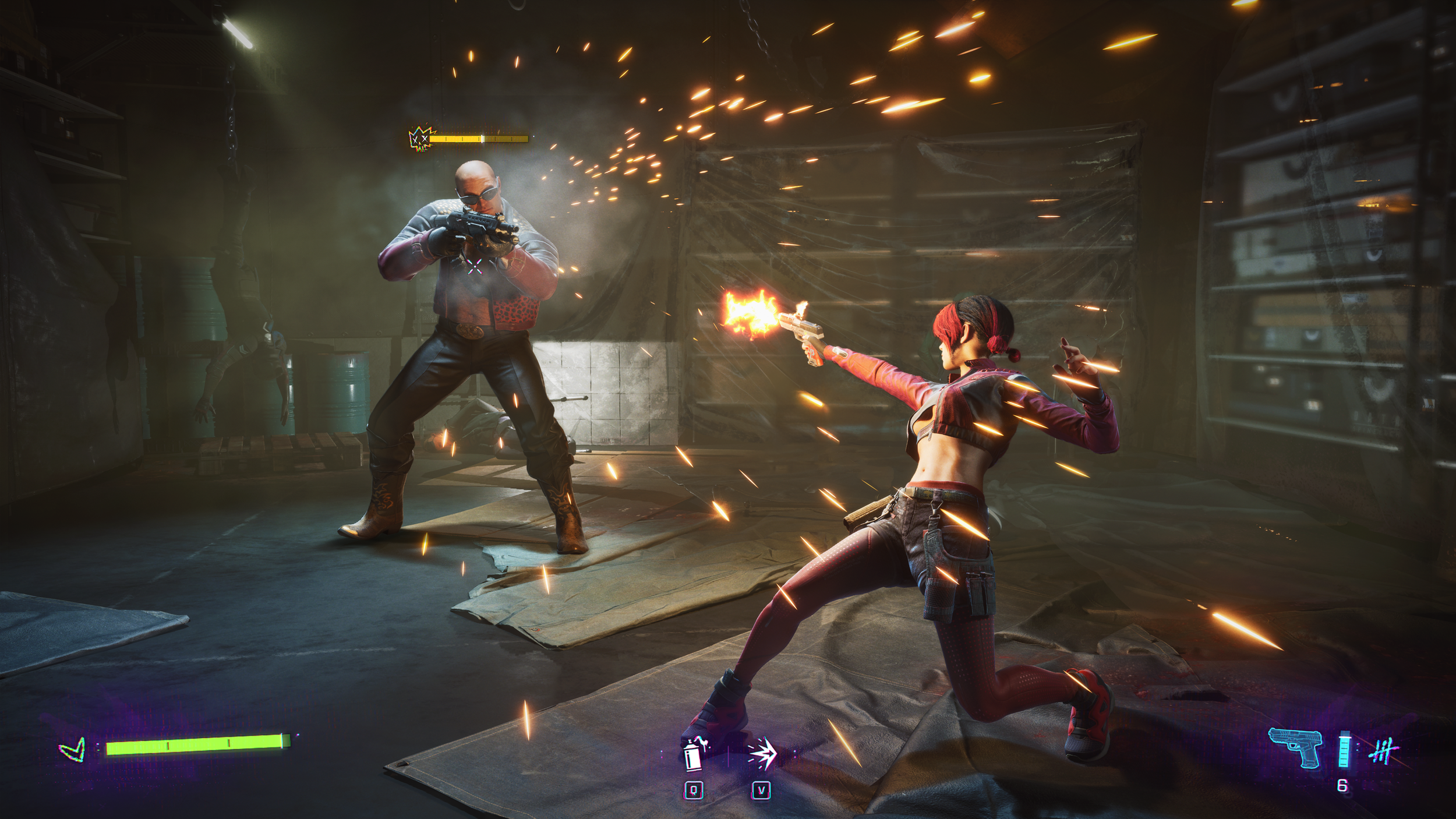

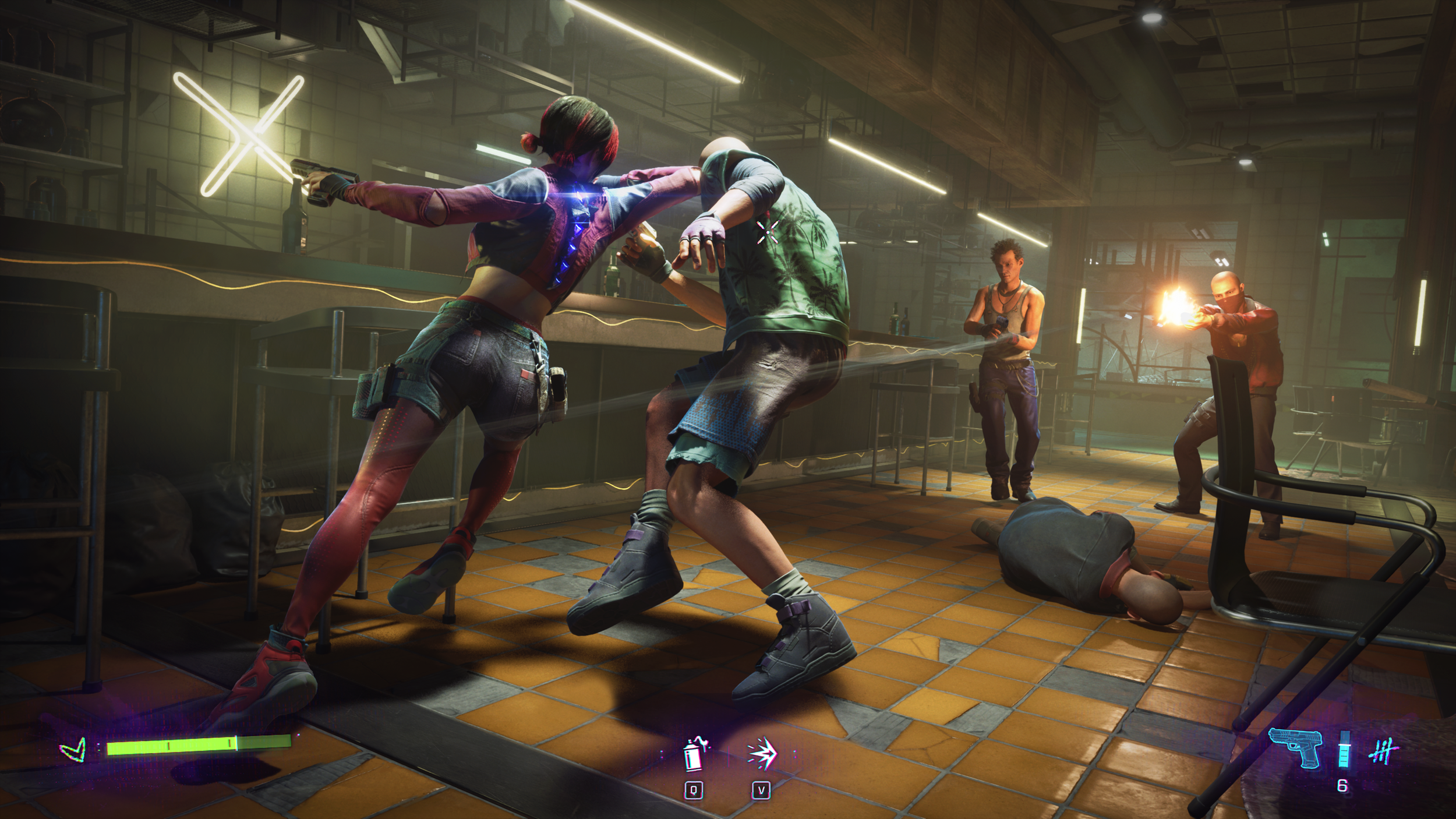
SPINE wasn’t originally on my list to check out at Summer Game Fest, but I found myself with an extra hour after grabbing a quick bite, so I wandered over to the booth. And I’m really glad I did.
Right away, the developers stood out. They were helpful, funny, and refreshingly honest about where the game’s at. They were actively discussing feedback they’d received throughout the weekend, some of which they’d already begun addressing. That kind of openness is always a good sign.
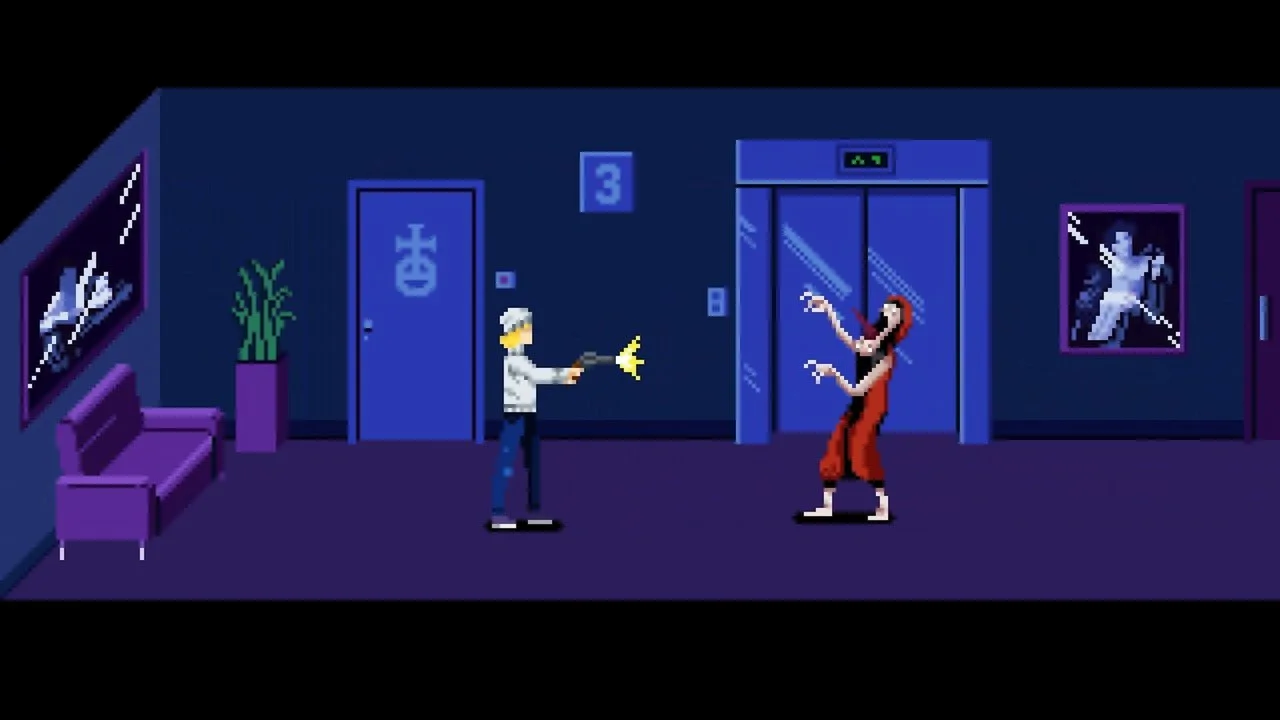
As for the game itself, SPINE is a stylish action beat-’em-up that instantly gave me SIFU vibes, except swap the kung-fu for gun-fu. It’s fast, fluid, and makes you feel like John Wick in full flow. Gun-to-hand combat is the name of the game here, and it nails that cinematic, high-intensity feel.
One of the coolest elements in the game is the dynamic camera work. To keep the experience fresh, certain levels shift to different perspectives, top-down, side-scrolling, fixed angles, and more. It’s a clever way to break up the pacing and make each encounter feel unique without changing the core gameplay.
For an alpha build, SPINE already runs incredibly smooth. Some features, like environmental combat, are currently disabled, but I can already see the potential. Once everything’s in place, this game could get seriously wild in its later stages.
Magic The Gathering: Final Fantasy
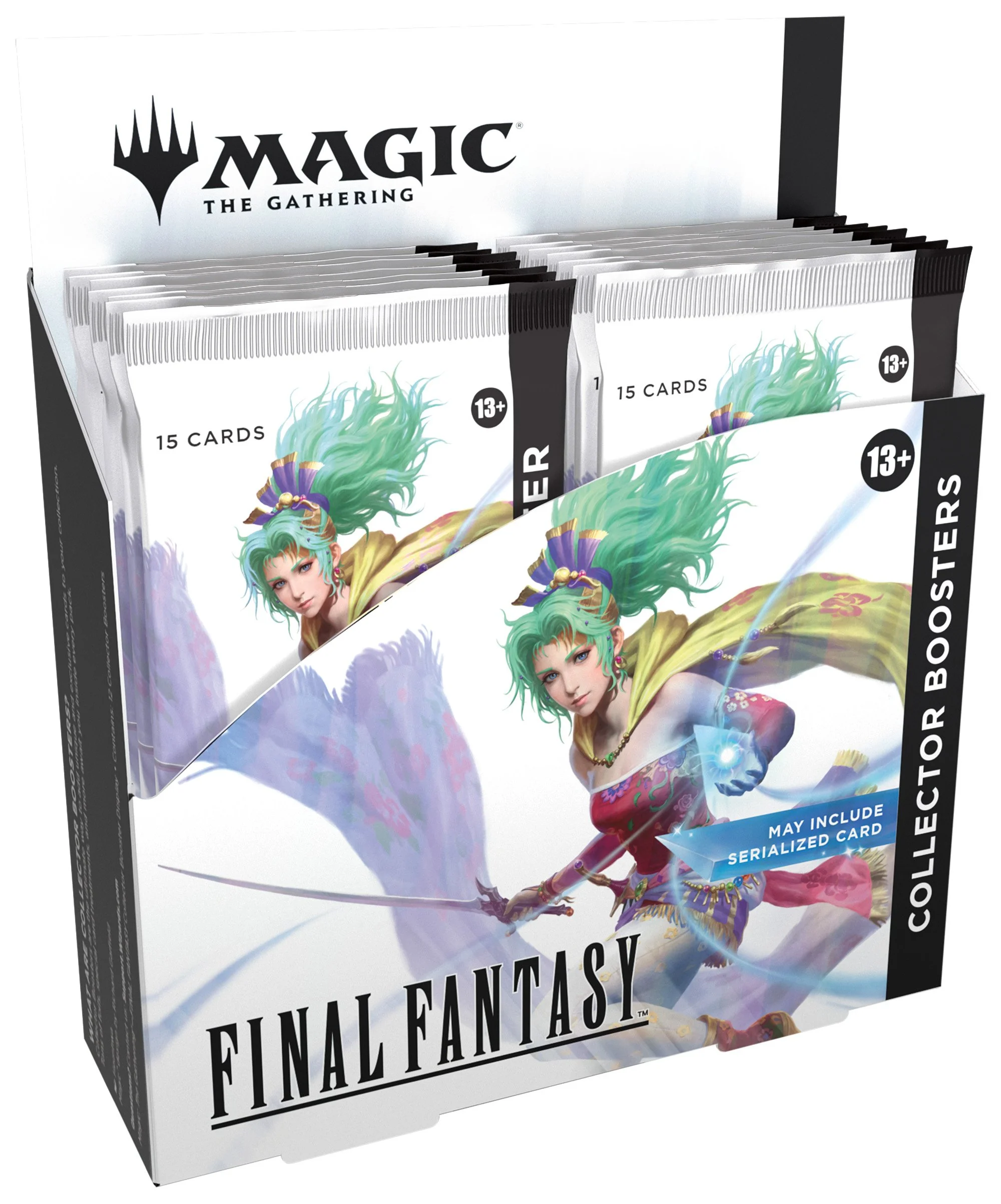

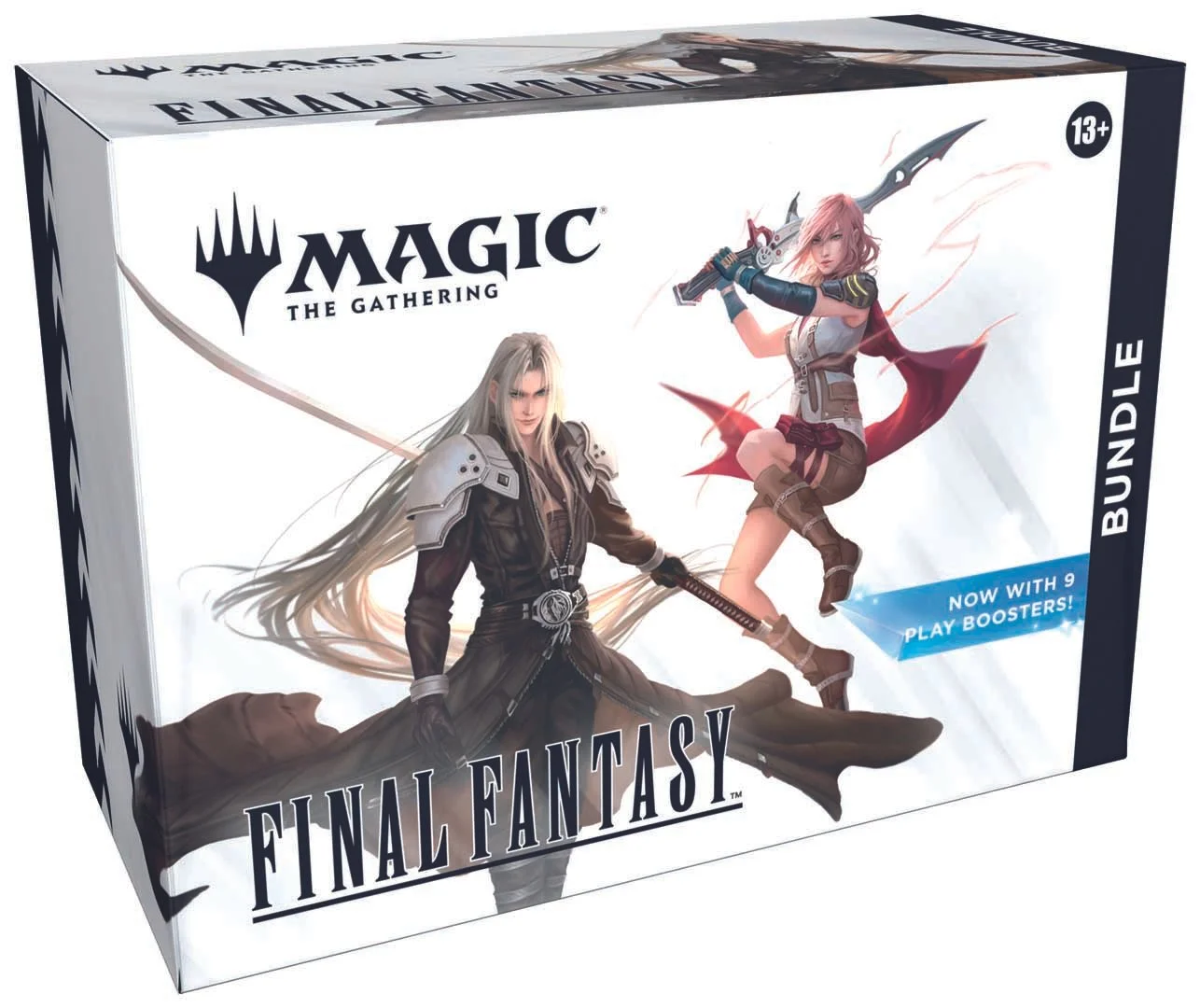
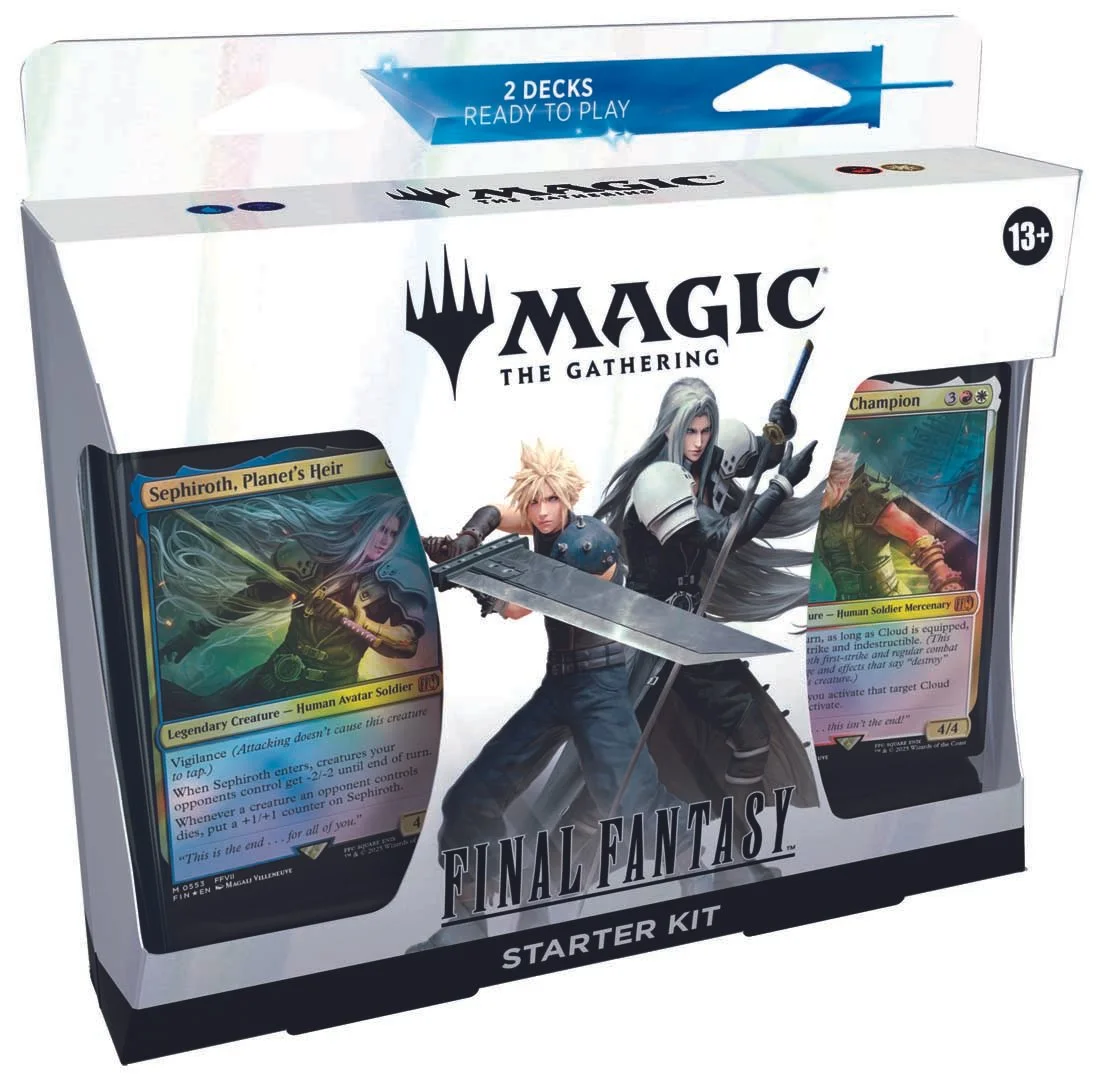
I can’t stress this enough: this set is phenomenal. Every reveal leading up to it somehow managed to top the last, and by the time Play Days rolled around, I could barely wait to get my hands on it. In fact, this was the first appointment I booked.
Right away, the passion behind this set was obvious. At the MTG booth, I had the chance to meet designers Gavin Verhey, Zakeel Gordon, Dillon Deveny, and Daniel Holt. Whether they were walking people through matches, answering questions, or just geeking out over cards, you could tell this wasn’t just another project for them—it was personal.
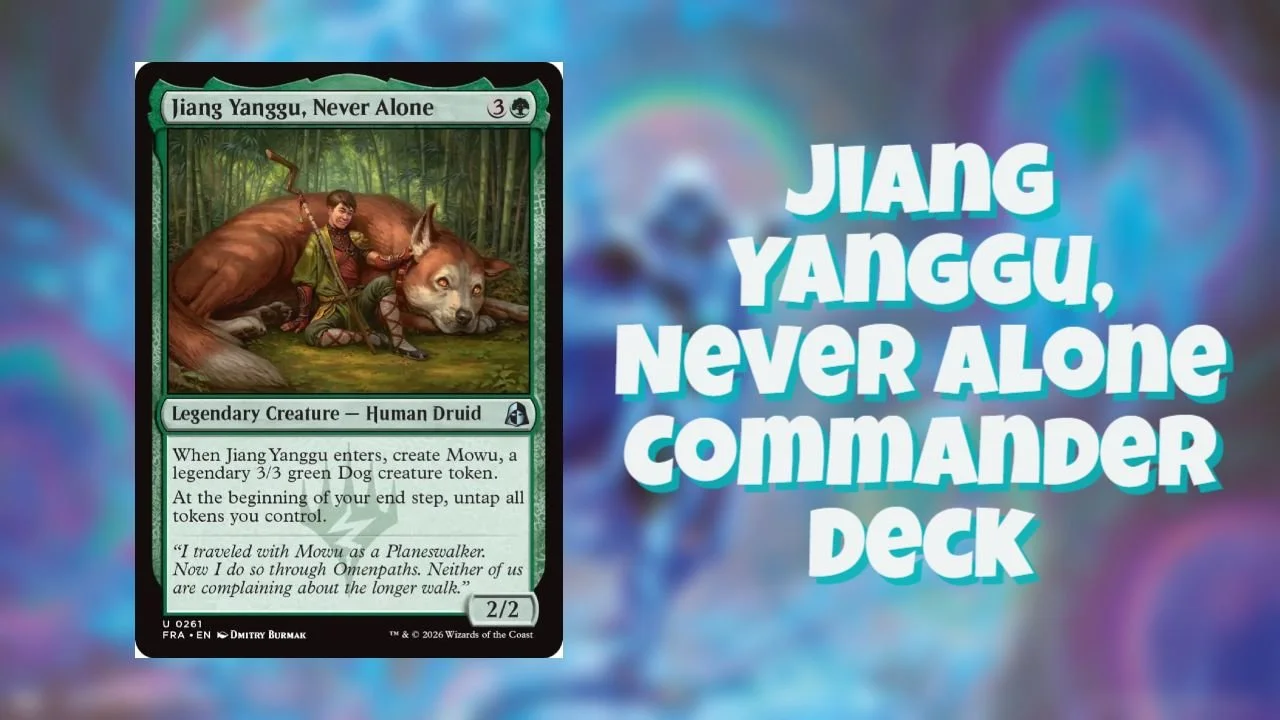
I got to play a game using the Starter Set decks, I used Cloud’s deck, specifically, against Dillon (who I’m pretty sure went easy on me, but I’ll take the win in spirit). What made the match so memorable wasn’t just the gameplay, it was Dillon sharing behind-the-scenes stories about designing each card as we played them. The Cloud deck is designed to hit fast and hit hard, and that’s exactly how it played, aggressive, efficient, and a total blast. At just $20 for two decks, I highly recommend picking one up.
After the match, I chatted with Gavin and Daniel about the design process, mostly to thank them for the insane level of detail and care that went into this set. For so many of us, Final Fantasy was a defining part of our gaming journey, and it’s clear the designers felt the same. This isn’t just a reskin, it feels like a true part of the Magic universe.
When I asked about their biggest inspirations, the answer was unanimous: they’re fans first. The goal from the beginning was to make something that felt equally exciting for both Magic players and Final Fantasy fans. Mission accomplished. This set is polished, reverent, and just plain fun.
And the cherry on top was walking away with a generous goodie bag: two deck boxes, two sets of sleeves, a playmat, and some booster packs, including some from the Final Fantasy set itself. Absolutely spoiled.
Secret Lair
While I was at the booth, I also caught a demo of the Secret Lair collections, both the upcoming Final Fantasy drops and a showcase of past favorites. I’ll admit, I didn’t quite “get” Secret Lair at first. But then I saw the SpongeBob cards... and suddenly it all clicked.
One of the reps explained that Secret Lair is really about personal expression, showing off your personality in how you play. Whether it’s casting Counterspell with a SpongeBob scream, letting people know you’re team cats over dogs, or flexing your love for Hatsune Miku, it’s all about putting your stamp on the game. Every card he showed sparked a reaction, there really is something for everyone.
The new Final Fantasy Secret Lair is just as clever, classic Magic spells like Cyclonic Rift reimagined through the lens of Final Fantasy. It's a beautiful blend of mechanics and fandom, and I’ll definitely be keeping an eye out for future drops.
Between the thoughtful design of the main set and the quirky, customizable fun of Secret Lair, MTG x Final Fantasy ended up being one of my favorite parts of SGF Play Days. Whether you're a Magic player, a Final Fantasy fan, or both there's a lot to be excited about here.
Bandai Namco
Bandai Namco brought the heat at Play Days this year, with everything from the long-awaited return of Digimon to the reveal of their first-ever roguelike. Their booth was stacked, and it was great to see such a variety of games on display.
Code Vein II
The original Code Vein stood out in the soulslike genre thanks to its distinct anime art style, character customization, and the buddy system. Where most soulslike games stick to gritty realism and solitary combat, Code Vein introduced a companion who could draw enemy aggro, heal, or dish out abilities. For newer players, or those who just don’t vibe with the traditional soul-crushing formula, it made the genre more accessible.
I’ll be the first to admit: I’m not great at soulslikes. But Code Vein II honestly looks like something I’d be comfortable jumping into. Between the striking art, the customizable characters, and unique mechanics like the Jails, essentially massive super attacks, it looks like a game with both style and approachability.
I haven’t played the first one yet, but after seeing this demo, I’m seriously considering diving in before the sequel drops.
Towa and the Guardians of the Sacred Tree
Bandai Namco also hit a major milestone this weekend: unveiling their first roguelike game, Towa and the Guardians of the Sacred Tree. It’s a gorgeous, fast-paced action roguelike in the vein of Hades, and its art style immediately caught my eye. One of the playable characters is a humanoid koi fish. Yes, you read that right. A humanoid. Koi. Fish. And it works, it's such a cool and refreshing design choice.
I played a 15-minute demo and had a blast. Each run, you pick two characters—one acts as your main weapon, and the other provides support. It’s a fun twist on typical combat systems and opens up tons of room for experimentation.
While the demo didn’t showcase the full depth of the game (expected at this stage), it still offered a hint at clever mechanics like the dullness system, where your sword gradually weakens, encouraging you to swap weapons mid-run to avoid a debuff. It’s a small mechanic, but one that already sets Towa apart from a crowded genre.
Dying Light: The Beast
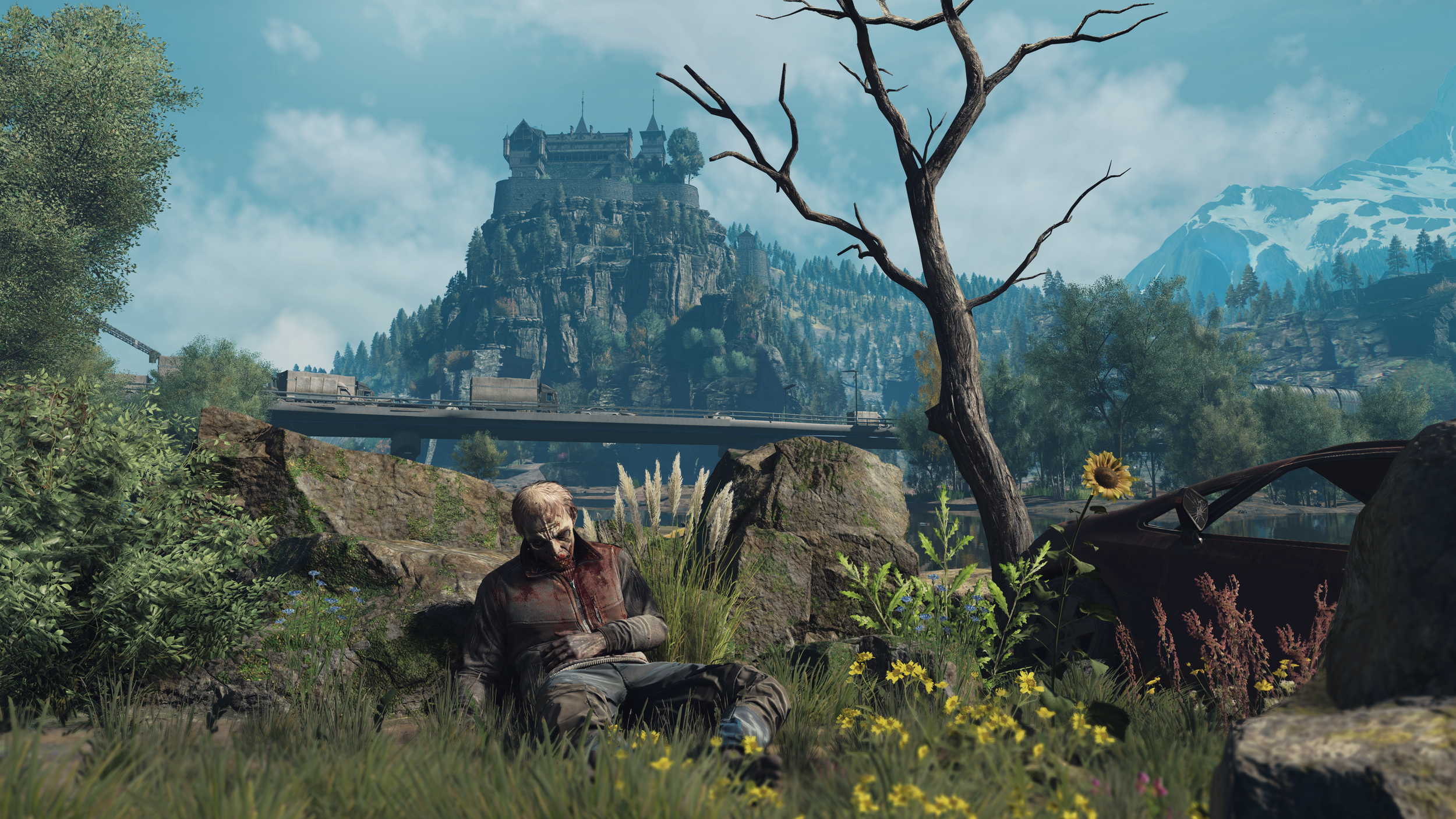
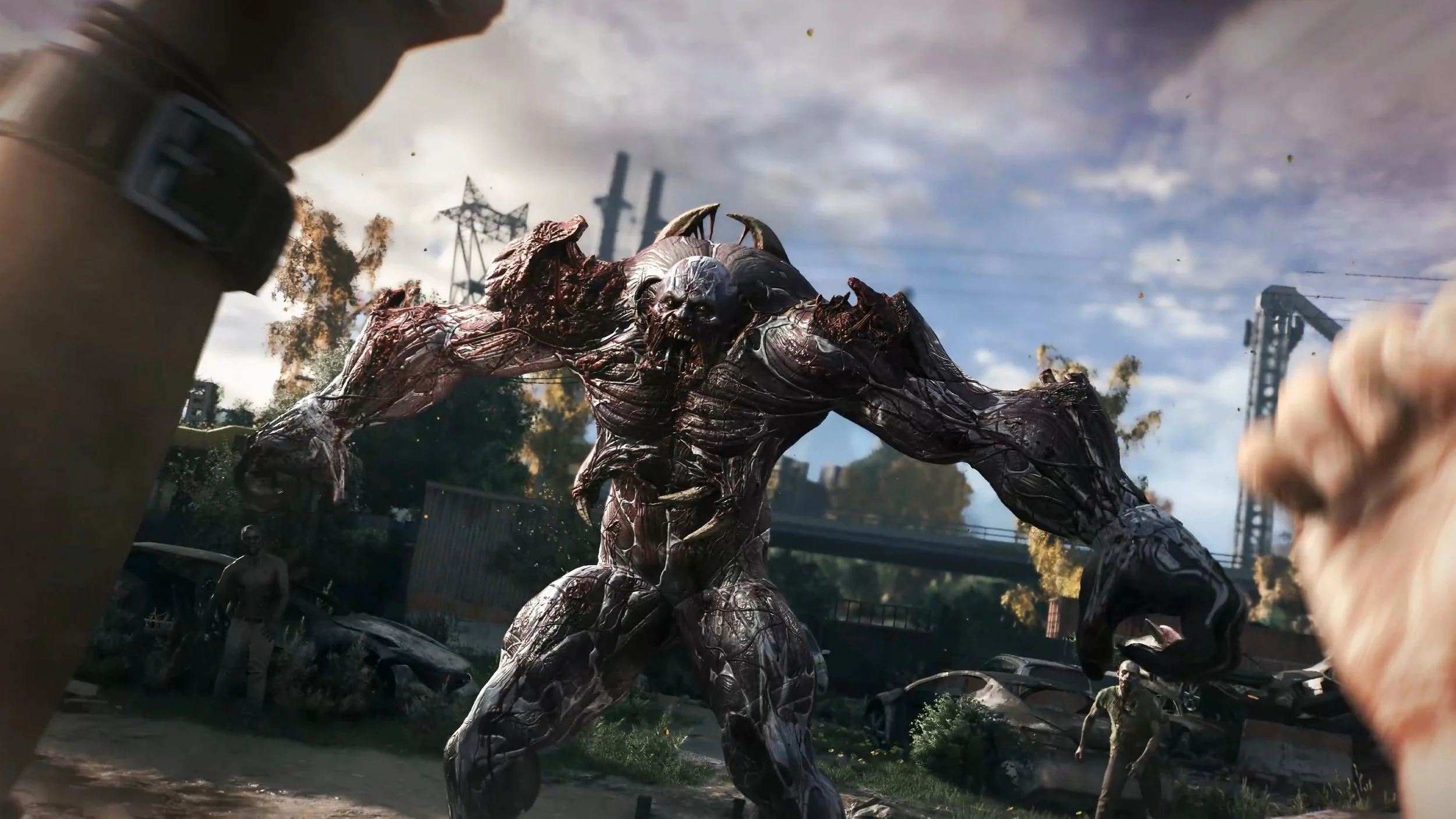
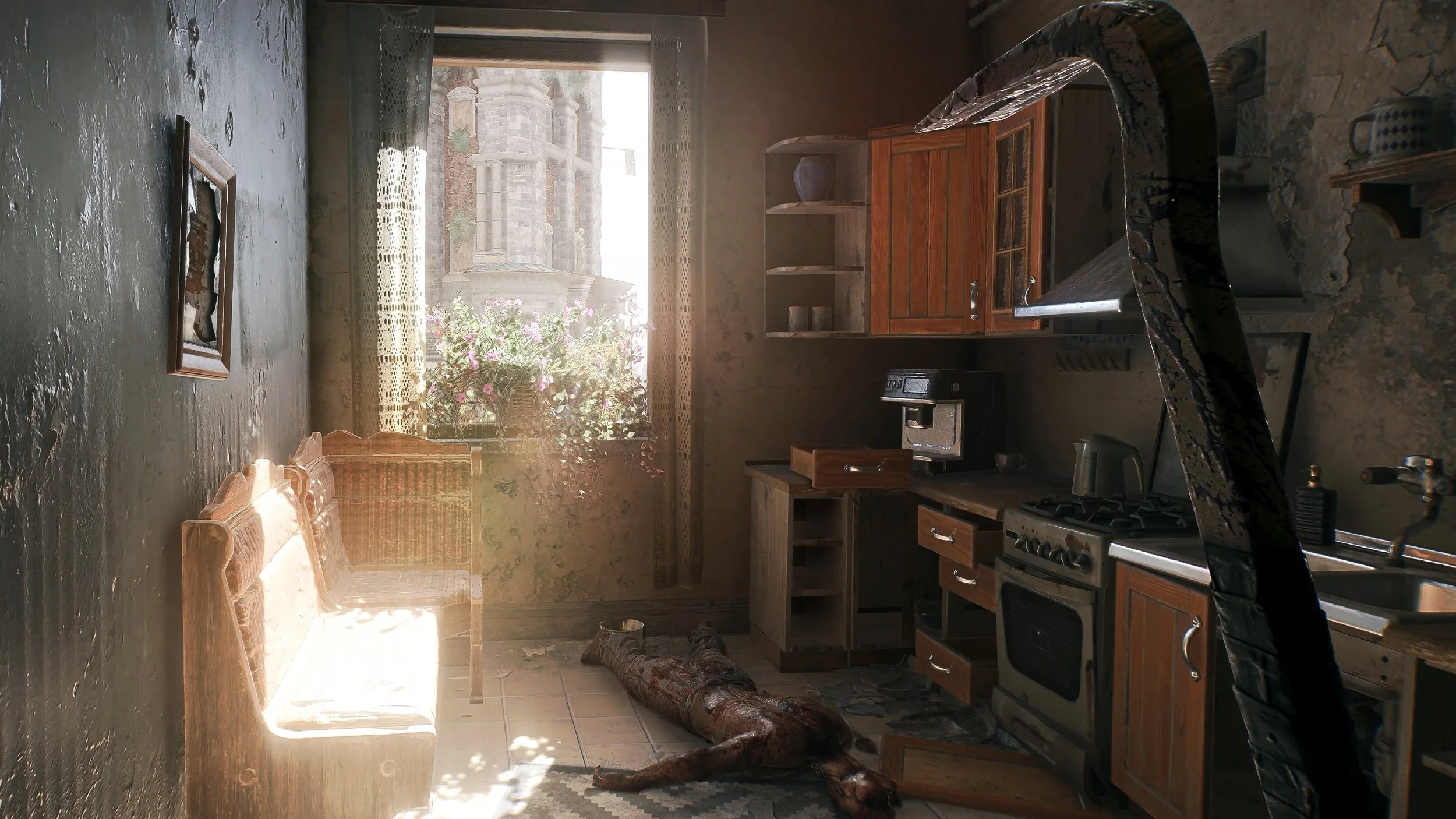

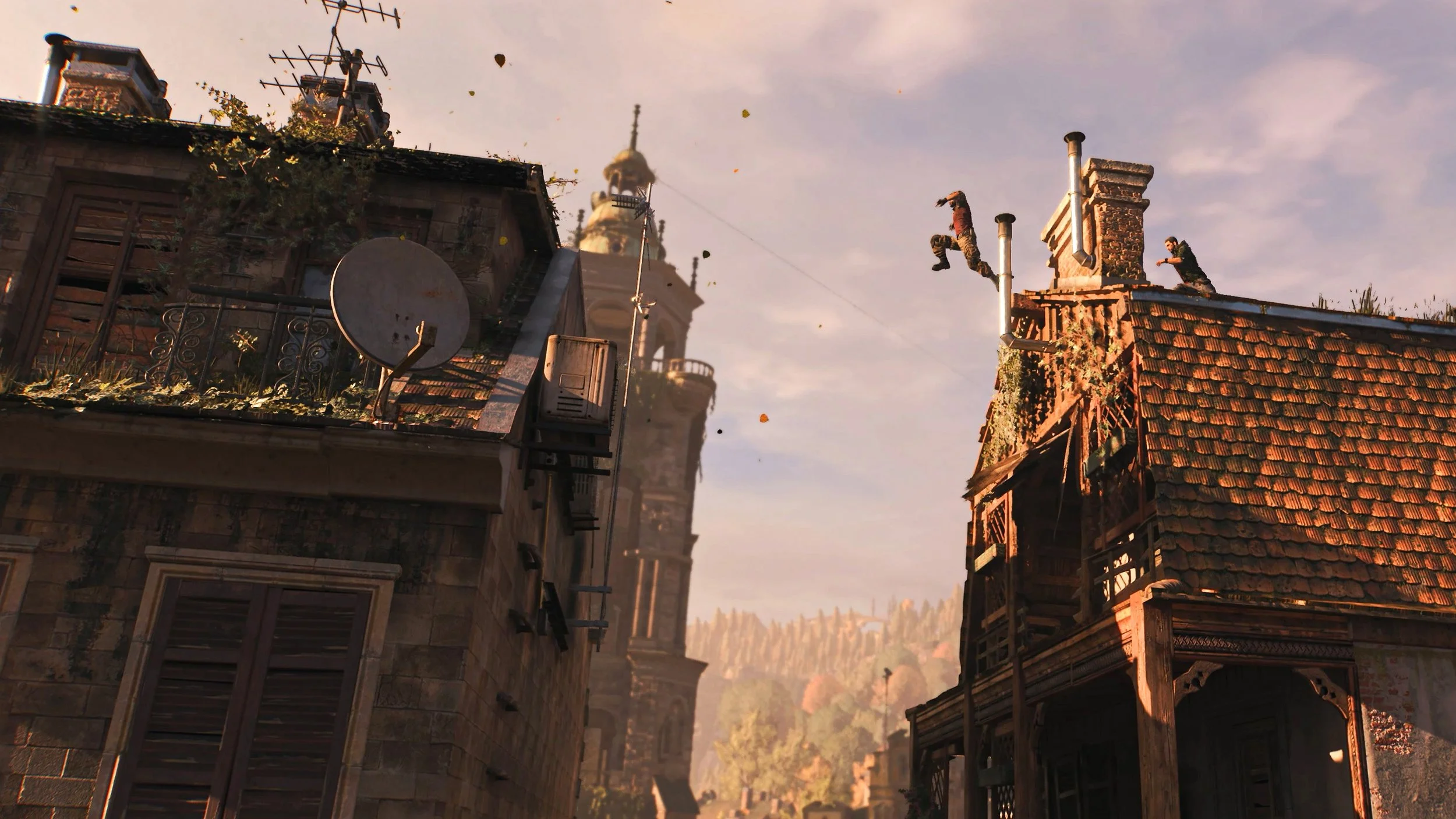
My final stop of the event was over at Techland’s booth, where several demos were on offer—but the one I managed to get my hands on was Dying Light: The Beast. As a fan of the first two Dying Light games, I was especially excited for this one, which serves as a direct sequel to Dying Light 2. That means familiar faces, expanded lore, and all the chaotic parkour/zombie action fans know and love.
And let me tell you: this demo had everything. Parkour? Check. Melee combat (yes, including the legendary flying kick)? Check. Gunplay, driving, stealth, even a boss fight? Check, check, and check.
I always thought the parkour in the series was top-tier, but The Beast takes it to a whole new level. It’s so fluid, it makes butter look clunky. If it looks like you can parkour it—you can. Vaulting over cars, diving through windows, climbing bridges, grabbing onto loose pipes—everything just flows. It’s an absolute joy to move through the world.
The melee combat stays true to its roots—nothing wildly new, but it feels refreshed and satisfying. Where The Beast really surprised me was in its gunplay. The shooting mechanics feel sharper and more refined than some full-blown FPS games I’ve played. What’s great, though, is that gunplay is an option—not a requirement. You can still lean into the stealth and melee-heavy approach that defines Dying Light, and I love that.
The demo mission built up to a climactic encounter with the game’s first chimera boss—and it was honestly one of the best boss fights I’ve ever played in a hands-on demo. It demanded everything: dodging, precision, resource management, and most of all, chaos. The chimera summons waves of zombies, letting you build your rage meter so you can go full brawler mode and punch them into the dirt. Meanwhile, its durability gives you a reason to pull out the firearms and really test out the improved gunplay. It was intense, cinematic, and a perfect showcase of what The Beast has to offer.
Dying Light: The Beast feels like a true step up from an already strong franchise. And the fact that it drops in just two months? That’s wild. If the full game delivers on what the demo teased, this could easily be one of the year’s standout titles. I’ll definitely be trying to get my hands on it early.
Final Thoughts
After a packed weekend of game demos, dev chats, and hands-on chaos, a few standouts rose above the rest. Blumhouse Games impressed with its bold lineup of spooky, stylish titles, proving that the studio’s horror chops translate just as well to games as they do to film. Then there was Magic: The Gathering x Final Fantasy, a dream crossover brought to life with passion and attention to detail. Playing the Cloud deck while chatting with the designers was easily one of the most personal and memorable experiences of the show. And finally, Dying Light: The Beast stole the spotlight with its buttery-smooth parkour, satisfying combat, and an explosive boss fight that left me itching for more.
If this is a sign of where the industry’s headed, we’re in for a wild and wonderful ride.