
Gambling addiction is a serious issue that ruins lives. In 2025 it’s estimated that over 5 million Americans will struggle with this condition. The consequences of compulsive gambling include bankruptcy, divorce, crime and even suicide.
Fortunately, practical and proven techniques based on cognitive behavioral therapy (CBT) and mindfulness can help people overcome this addiction. This article provides key strategies you can start applying to beat gambling and regain control of your finances, relationships and mental health.
Understanding Gambling Addiction
Gambling disorder involves repeated, uncontrolled gambling that disrupts major areas of life. It can happen to anyone, even on legit platforms like Сasino 777 online and others. Common symptoms include:
Preoccupation with gambling
Need to gamble with more money to get the same “high”
Repeated unsuccessful attempts to stop gambling
Restlessness or irritability when not gambling
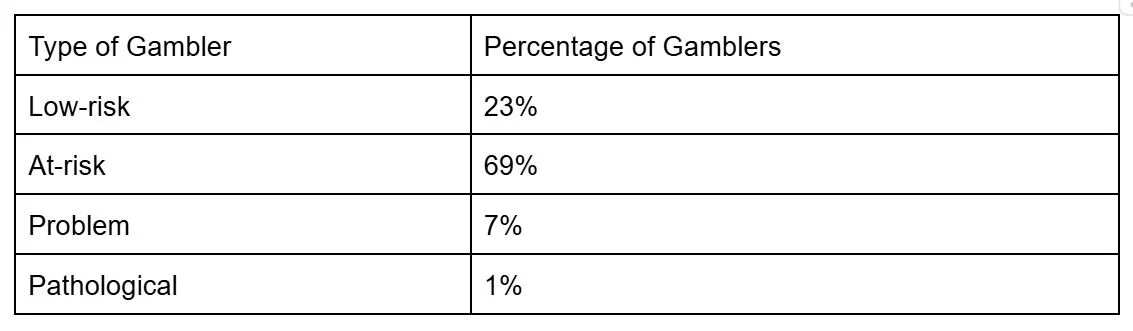
Why Is Gambling So Addictive?
Gambling triggers the brain’s reward system similarly to drugs or alcohol. Winning releases feel-good dopamine, driving the desire to chase that high again. Losses can trigger further gambling to recover them. Eventually, healthy rewards lose impact.
For certain personalities, the escape and adrenaline make gambling hard to resist. Once addicted, people become trapped in the vicious cycle despite the heavy toll.
Overcoming Gambling Addiction in 4 Stages
Conquering addiction is challenging but possible through proven techniques. Progress happens in stages:
Admitting the problem. Facing the reality of the gambling problem and its consequences is an essential first step toward change. Documenting financial losses can underscore the tangible impact.
Removing enablers and triggers. Avoiding exposure limits temptation during early abstinence. Software blocks on gambling sites, casino self-exclusion programs and accountability partners provide external barriers.
Managing cravings and emotions. Cravings still arise during abstinence. CBT and mindfulness tools help sit with urges without reacting. Building healthy rewards and social support networks reduces the risk of relapse.
Relapse prevention. Slips may occur on the road to recovery. Having emergency action plans and analyzing what triggered it helps prevent a full relapse into addiction.
Practical Strategies to Quit Gambling
Evidence-based techniques to stop addictive gambling focus on retraining thought patterns and developing healthy coping strategies.
Target distorted thoughts. Identifying and challenging false beliefs about gambling changes behavior. Common examples include overestimating the odds of winning and remembering wins while minimizing losses.
Cope with unpleasant emotions. Stress or depression can trigger the urge to gamble. Healthy options like exercise, social connection or mindfulness meditation boost mood naturally.
Establish structure. Consistent routines for sleeping, eating and work combat boredom and stress while providing little time for gambling. Hobbies and social networks fill free time.
Practice mindfulness. Being present counteracts impulsiveness. Urge surfing teaches nothing urges without reacting. Guided meditations calm the reward pathway activated by gambling.
Get professional help. Counseling and peer support groups facilitate recovery. Cognitive behavioral therapy changes thought patterns while treating underlying issues. Support groups provide community and accountability.
Overcoming Relapse Through Vigilance
Relapse is common with addiction, given cravings and habitual nature. Slips shouldn’t prompt despair, but should renew commitment. Analyze triggers behind it, adjust strategy and implement preventative measures.
Ongoing recovery means staying vigilant. That includes monitoring emotional states, noting risky thinking, establishing safety nets and considering medication. Your journey to freedom from gambling starts with the first step – keep going.
Final Take
The road to recovery from gambling addiction has its challenges, but many have overcome it through dedication and proven strategies. By facing the reality of the problem, removing exposure to triggers, learning techniques to halt harmful thought patterns and developing healthy coping mechanisms, freedom is possible. Each day in recovery builds resilience against relapse. With support and vigilance, life without the burden of compulsive gambling is attainable. The first step is believing you can take control back.