Game developers have worked tirelessly to perfect techniques to keep their players engaged. Behind every successful game lies careful manipulation of audio and visual elements. This is all cleverly orchestrated, quite literally, to create an experience that players want to keep coming back to.
The Psychology Behind Audio Triggers
Sound designers use audio very deliberately. Every audio cue is designed to capture a player’s attention, as well as create a sound-based reward system. A satisfying noise playing after completing a level or the crescendo of music during a boss fight releases dopamine. This chemical response creates a feedback loop that developers deliberately engineer. Once you’ve heard those same sounds a couple of times, it’s solidified in your mind as a reward.
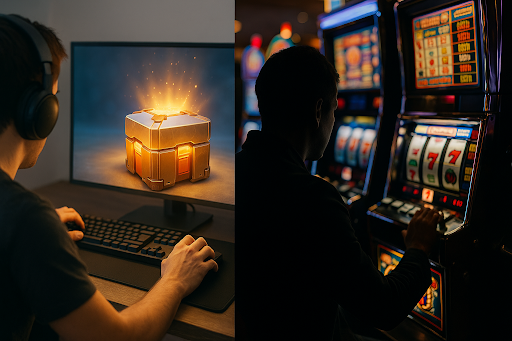
Consider platforms with real money slot games; they don’t only rely on easy payment options, variety of game options, and their cutting-edge technology, to increase their player numbers. They put a lot of work into adding carefully crafted background music, cascading coin sounds, and celebratory jingles. These audio rewards trigger the same neural pathways as actual wins. Horror games use subtle ambient sounds and sudden audio spikes to maintain tension and keep players alert. These are examples of two very different gaming genres, but they both equally rely on their sound development to complete their experience.
Motion Design That Demands Attention
Movement catches the human eye faster than any other visual element. Developers exploit this through strategic animation choices. Particle effects exploding across the screen after achievements aren't just celebration, they're carefully crafted to make players feel accomplished and eager for the next reward.
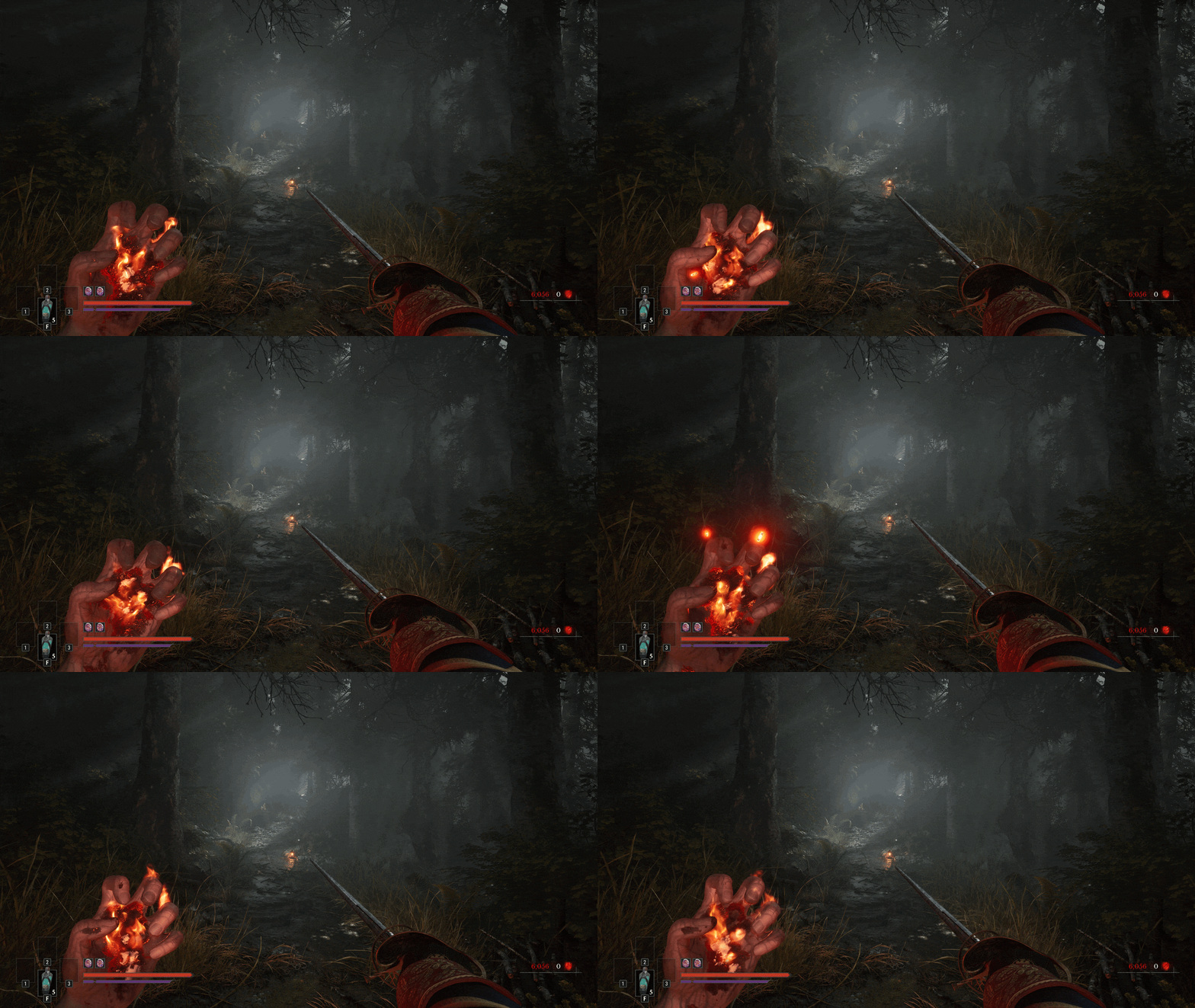
The way characters move also matters more than you would think. Smooth, responsive animations feel satisfying, while deliberately weighted movements in games like Dark Souls create a sense of danger and tension, as though the players themselves are struggling with every movement. Mobile games often use bouncing icons and pulsing buttons to draw attention to specific features or purchases.
Creating the Perfect Feedback Loop
The most addictive games on the market have perfected feedback loops. This is when a players perform an action, and as a response, they receive immediate sensory confirmation in multiple forms. This dual reinforcement strengthens the connection between player input and game response.
The key elements of a feedback loop are:
Escalating rewards - Sounds and animations that grow more impressive as players progress
Variable timing - Unpredictable reward schedules that keep players guessing
Near-miss indicators - Visual and audio cues that suggest players almost succeeded
Milestone celebrations - Elaborate displays for completing objectives
Conclusion
Sound and motion design will always be an underappreciated but vital part of game development. Understanding the techniques that are used can help players enjoy their gameplay more than before. The next time you find yourself unable to quit playing, consider whether you're having fun or just responding to very carefully orchestrated triggers. So much hard work and effort go into our games, whether it’s a hugely expansive open-world role-playing game or a humble slot game.