If you’ve played a video game in the last decade, you’ve probably earned, spent, or bought virtual currency. These digital tokens have worked their way into nearly every part of the gaming experience. Sometimes they unlock outfits. Other times, they let you trade, level up, or skip the grind.
What once felt like a small feature has turned into something much bigger. Virtual currencies are now a major part of how modern games function. The question is whether they are the future of gaming or just a passing phase.
Not Just Points Anymore
Games have always had internal systems: gold coins, credits, XP. But virtual currency today feels different. It’s not just a score, it carries value, you spend it with intent, you earn it with effort, and in many games, you need it if you want to stand out or move forward.
That doesn’t mean everyone is paying real money for pixels. Some players earn everything through time and skill. Others decide to skip ahead with purchases. Either way, the in-game economy has become a space where value is created, spent, and sometimes even traded.
What Keeps Players Engaged
Done right, these systems make the game more rewarding. They offer structure, they create reasons to explore, compete, or come back day after day.
But it’s a delicate balance. Too many currencies, too much pressure to spend, or unclear rewards can turn people off fast. That’s why the best virtual economies keep things simple, fair, and satisfying. You want players to feel in control, not cornered.
There’s also a cultural side to it. Digital currency is tied to how players view ownership and identity. Skins, badges, and upgrades become personal. When you’ve worked for something, it means more.
And where that intersects with real-world trends like online casinos or digital tokens, the lines blur further. If you’re curious how this plays out beyond traditional gaming, check out this detailed BabaCasino review by experts at jaxon.gg.
Problems That Still Need Solving
With every system that mimics real value, you’ll find real challenges. Security is at the very top of that list.
Account theft, item scams, and payment fraud are part of the downside. As more games adopt complex currencies, developers need stronger protections and smarter design.
Another concern is fairness. If paying players always have the upper hand, it drives a wedge between the community. Free-to-play shouldn’t mean pay-to-win. The goal should be giving everyone a path to success, regardless of their wallet.
Add to that the psychological impact. Some currency systems reward compulsive behavior. Flash sales, random packs, countdown timers, these are powerful tools that can become problematic over time and lead to increasingly risky behavior.
Where It’s Headed
Despite the risks, virtual currency isn’t going anywhere. In fact, it is likely to become more important as we head into the future.
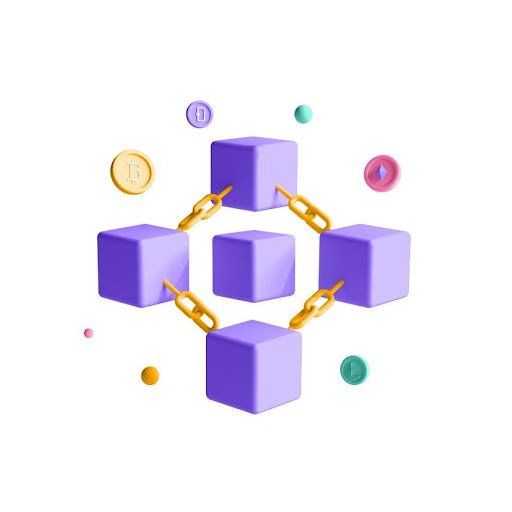
Game studios are exploring ways to make digital currency more flexible. Some are testing systems that work across titles. Others are experimenting with blockchain to allow verified trading and permanent digital ownership. It’s early days, but the potential is real.
Gamers are also shifting their expectations. They want control. They want experiences that last, and they’re willing to invest time or money when it feels worth it.
As long as games keep delivering meaningful ways to earn and spend, these currencies will stick around.
Final Thoughts
Virtual currency may have started as a shortcut or a bonus, but it’s now part of the game’s DNA. When used thoughtfully, it adds value. It helps shape how people play, interact, and connect.
The key going forward is keeping it fair, fun, and transparent. If that happens, there’s a good chance virtual currencies won’t just shape the future of gaming. They might become the foundation of it.