I have been waiting for a proper Avatar: The Last Airbender fighting game for a very long time.
The franchise has everything a fighting game needs: memorable characters, distinct martial arts, four different bending styles, and enough flashy abilities to fill several rosters. Avatar Legends: The Fighting Game takes all that potential and turns it into a fighter that is easy to pick up but has enough depth to keep you experimenting.
It may be missing a few characters who absolutely deserve to be here at launch, but the foundation is fantastic. More importantly, each bending style feels like it was designed around what makes that element special.
Gameplay and Story

Avatar Legends: The Fighting Game has some really great bones for a fighting game.
The controls are approachable enough that somebody who primarily loves the shows can jump in and start throwing elements around, but there is still plenty of room to learn combos, counters, positioning, and individual matchups. It strikes a good balance between being an accessible licensed fighter and something fighting-game fans can take seriously.
The game also feels like it was built for a fight stick. The inputs, movement, and combo flow all feel incredibly natural with one, so I highly recommend using a fight stick if you have one available. A standard controller still works perfectly well, but this is the type of fighting game where a fight stick makes the entire experience feel even better.
What impresses me most is how differently the characters play, especially when moving between bending styles. The developers did not simply give everyone elemental projectiles and call it a day. Each style reflects the philosophy behind its respective form of bending.
Airbending is traditionally defensive, reactive, and focused on turning an opponent’s momentum against them. That philosophy comes through in the gameplay. Airbenders are more passive and rely heavily on movement, timing, and reacting to what the opponent does. They can be incredibly effective, but I also found them to be some of the most difficult characters to use properly.
Zaheer is my least favorite character to play for this exact reason. That does not mean he is poorly designed—I just never felt completely comfortable with his reactive playstyle. Players who enjoy being evasive, frustrating their opponents, and waiting for the right opening will probably get much more out of him.
Waterbending is all about controlling the fight. Waterbenders are great at keeping opponents at a distance, limiting their options, and determining where an encounter takes place. If you enjoy maintaining space and forcing the other player to approach on your terms, waterbending is a strong option.
Earthbending feels exactly how it should: powerful.
Earthbenders are a little slower, but their attacks hit like a pile of bricks. Every successful hit feels like it carries serious weight, and landing a heavy attack is immensely satisfying. The slower movement means you need to be more deliberate, but earthbenders can punish opponents heavily once they find an opening.
Then there is firebending, which is easily the style I find the most fun.

Firebending is flashy, explosive, aggressive, and built to combo. It feels like the perfect choice for players who want to stay on the offensive and overwhelm their opponents with relentless pressure. The attacks look great, the combos feel satisfying, and it is the style that immediately clicked with me.
Unsurprisingly, Zuko is my favorite character to use. His movement and attacks feel aggressive without becoming completely mindless, and putting together a strong combo is incredibly satisfying. Out of the entire roster, he is the character I kept wanting to return to.
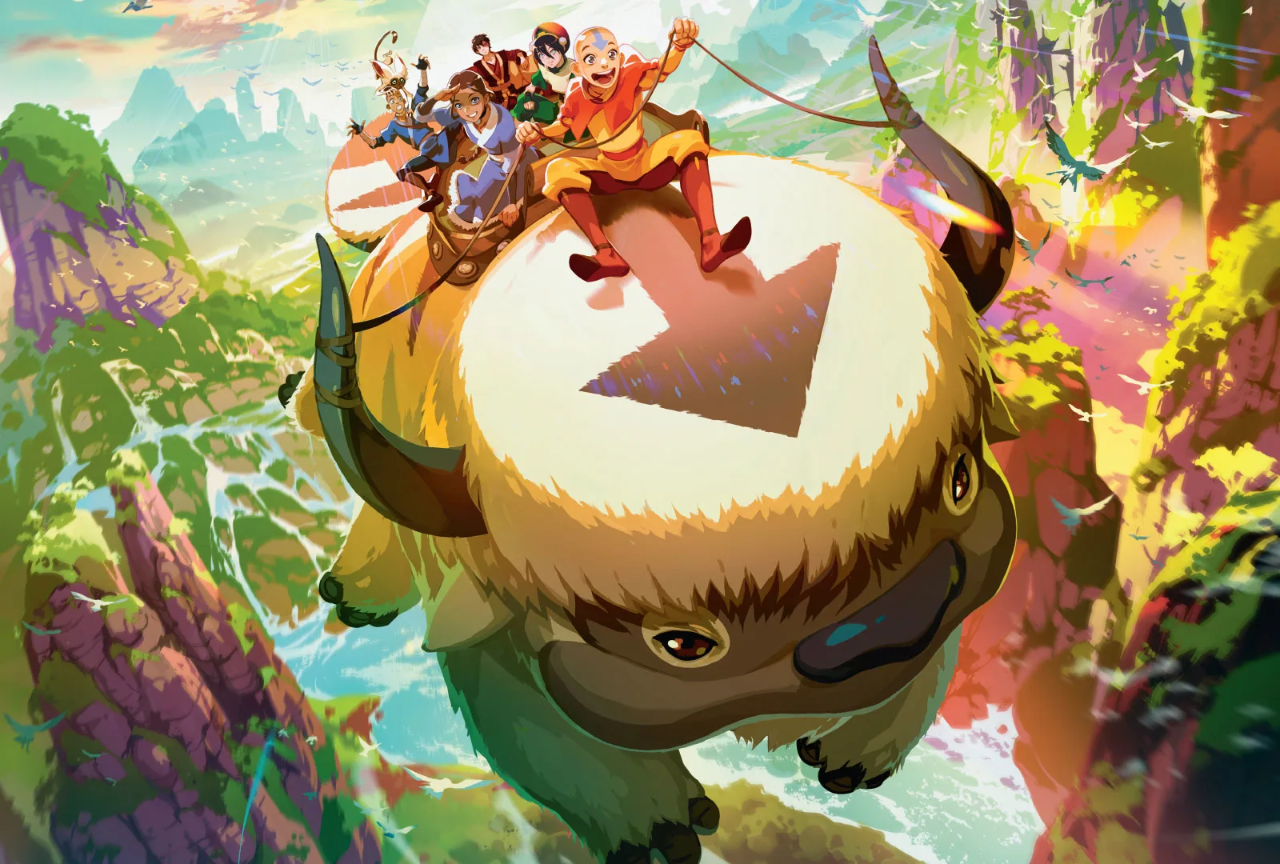
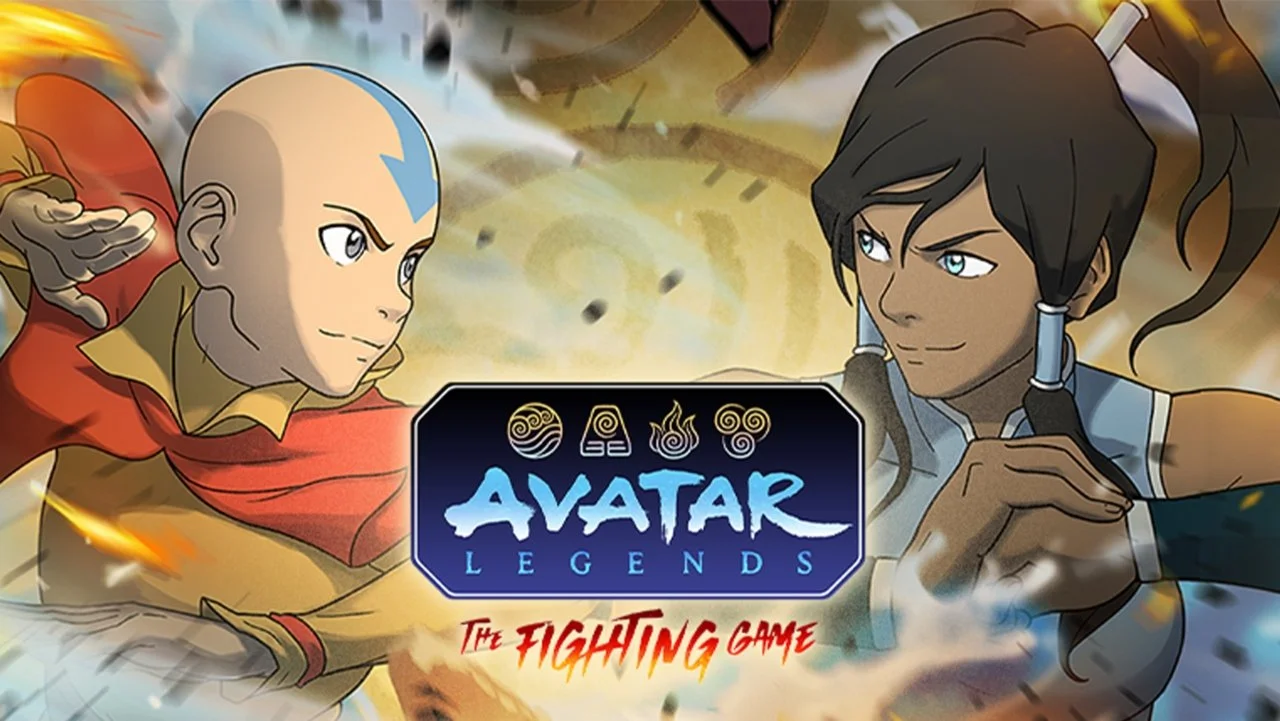
The roster itself offers a good balance of characters from Avatar: The Last Airbender and The Legend of Korra. There are recognizable fan favorites, several different combat philosophies, and enough variety to encourage you to try someone new.
That said, where is Tenzin?
The game also includes a story mode, which I appreciate. Fighting games sometimes feel a little bare outside of online matches and arcade runs, so having a proper narrative mode gives solo players something more substantial to work through.
That being said, I was never completely drawn into it. I enjoyed having it there, but it was not the part of the game that kept pulling me back. For me, experimenting with the roster, learning combos, and figuring out new matchups was much more engaging.
Graphics and Audio
I absolutely adore the art style.

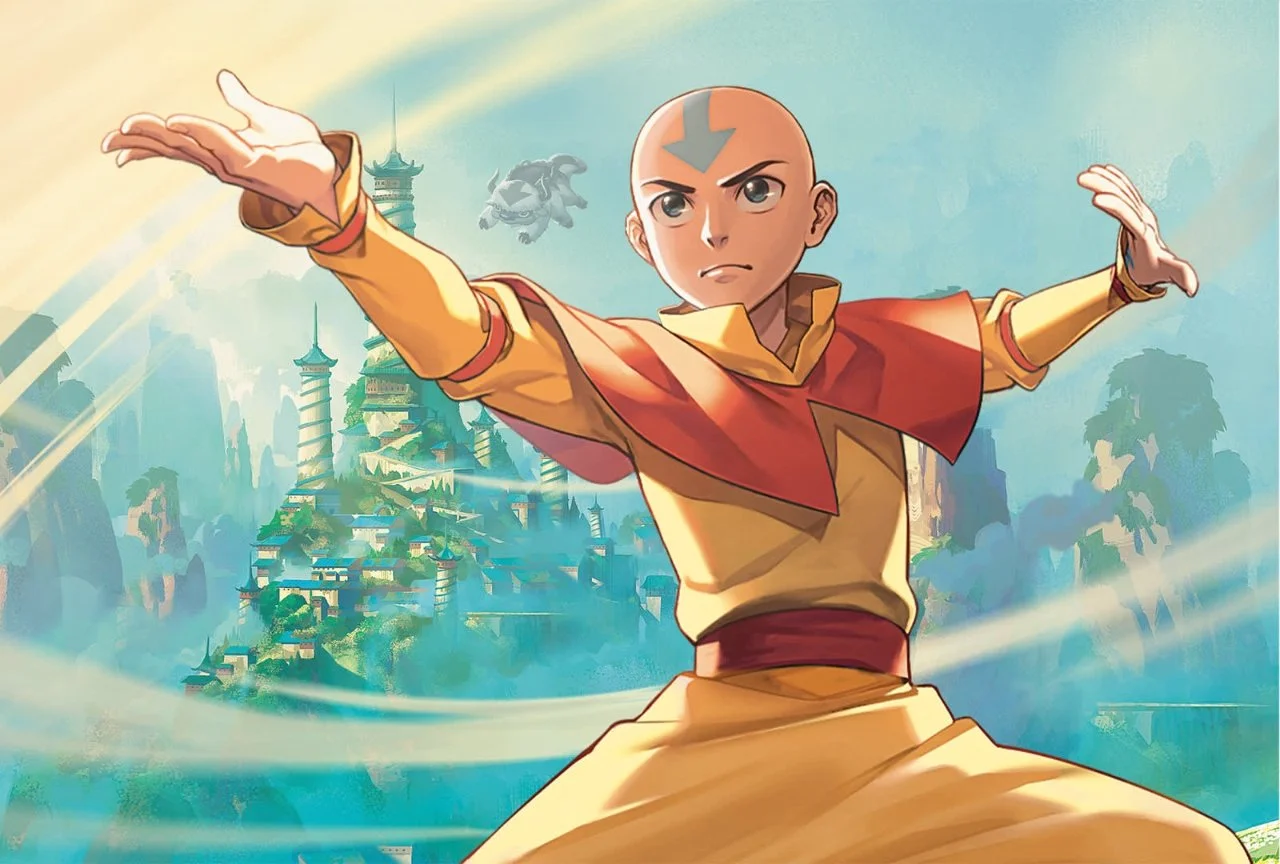
The hand-drawn presentation does an excellent job of capturing the original animated series. It immediately brought me back to the first time I watched Avatar: The Last Airbender, while still giving the fights enough speed and visual impact to feel exciting.
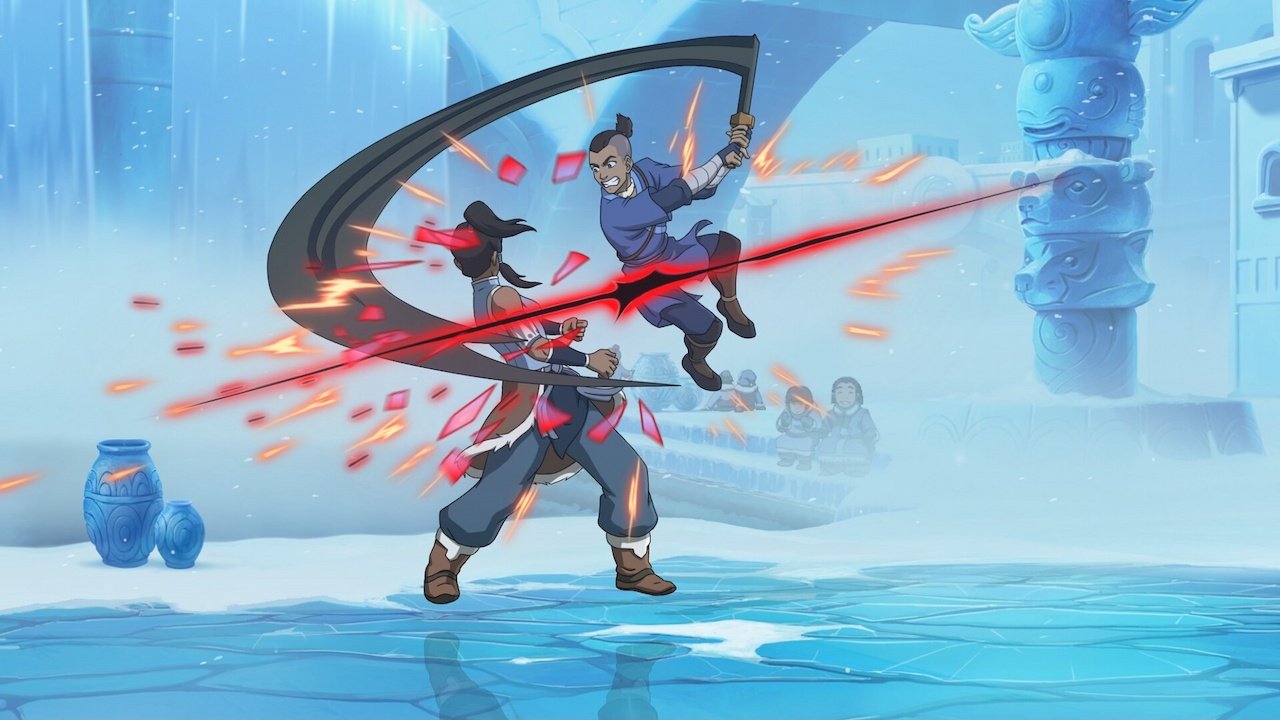
This is especially important for a franchise built around bending. Every element needs to move and behave differently, and the animation does a great job of selling that distinction. Fire explodes across the screen, earth attacks feel heavy, water flows naturally between movements, and airbending emphasizes speed and mobility.
The characters also look fantastic in motion. Their attacks pull from the martial arts and personalities established in the shows, helping each fighter feel like the character they are supposed to represent rather than a familiar face placed over a generic moveset.
The voice acting is another major highlight. Hearing some of these characters again is amazing, and the performances add another layer of authenticity to the experience. The game already looks like an interactive episode of Avatar, but the familiar voices complete the illusion.
There is an obvious amount of love for the franchise poured into the presentation. From the character animations to the elemental effects, it feels like the developers understood what fans wanted to see from an Avatar fighting game.
Feedback
While I like the roster, I do not like how clearly the game has been designed around DLC.
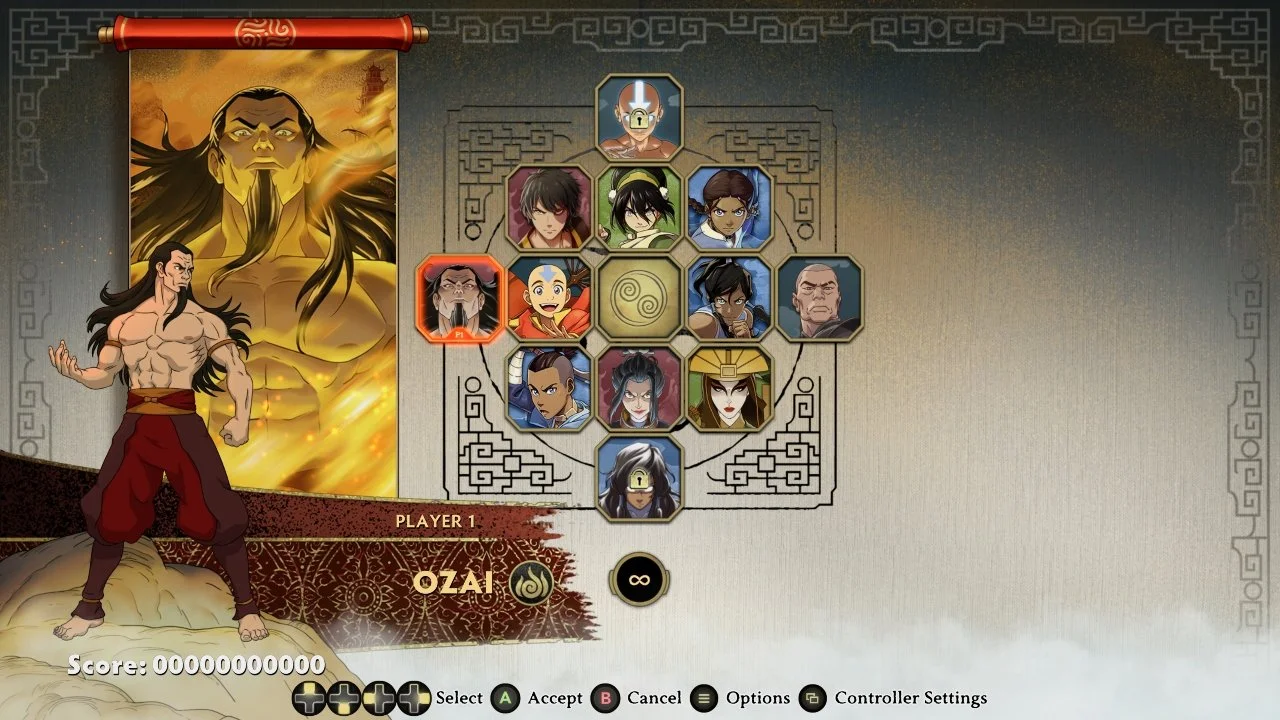
The launch lineup contains 12 playable fighters, but Avatar Aang and Avatar Korra are counted separately from their standard versions. There is still a good variety of playstyles here, but the roster feels smaller once you account for those alternate versions.
Characters such as Amon absolutely deserve to be included in the Day One release. Instead, Amon is one of the options in a fan vote for the final Year One DLC slot alongside Tenzin, Kuvira, King Bumi, and Asami.
That means several major characters are competing for a single position while Iroh, Ty Lee, Lin Beifong, and Bolin have already been placed in the Year One Pass. Those are all great additions, but some of them feel like characters who should have been present from the beginning.
Selling extra fighters is nothing new for the genre, and I understand that DLC can help keep a fighting game alive. However, there is a difference between expanding an already complete roster and holding back characters who feel essential.
Amon is the primary antagonist of an entire season of The Legend of Korra. Tenzin is one of the franchise’s most important airbenders. King Bumi is an obvious choice for a unique earthbending moveset. The fact that only one of these fan-favorite characters may make it into the first year is disappointing.
The $29.99 base price makes the decision easier to accept, but the DLC structure still prevents the roster from feeling as complete as it should.
Final Verdict
Avatar Legends: The Fighting Game is the fighter this franchise has deserved for years. Each bending style feels distinct, the combat is approachable without sacrificing depth, and the hand-drawn presentation beautifully captures the animated series.
Zuko is easily my favorite character, and the fast, flashy nature of firebending kept me coming back. While the story mode did not completely pull me in, I appreciate its inclusion and found the core fighting experience much more engaging.
I wish the launch roster felt more complete, especially with characters like Amon and Tenzin missing. However, the game still has a fantastic foundation and enough depth to earn at least a temporary foothold in the competitive scene. Whether it lasts will depend on balancing and post-launch support, but the potential is absolutely there.
Avatar Legends: The Fighting Game releases July 23rd, for PC via Steam, PlayStation 5, Xbox Series X|S, and Nintendo Switch. A Nintendo Switch 2 edition is expected later in 2026.