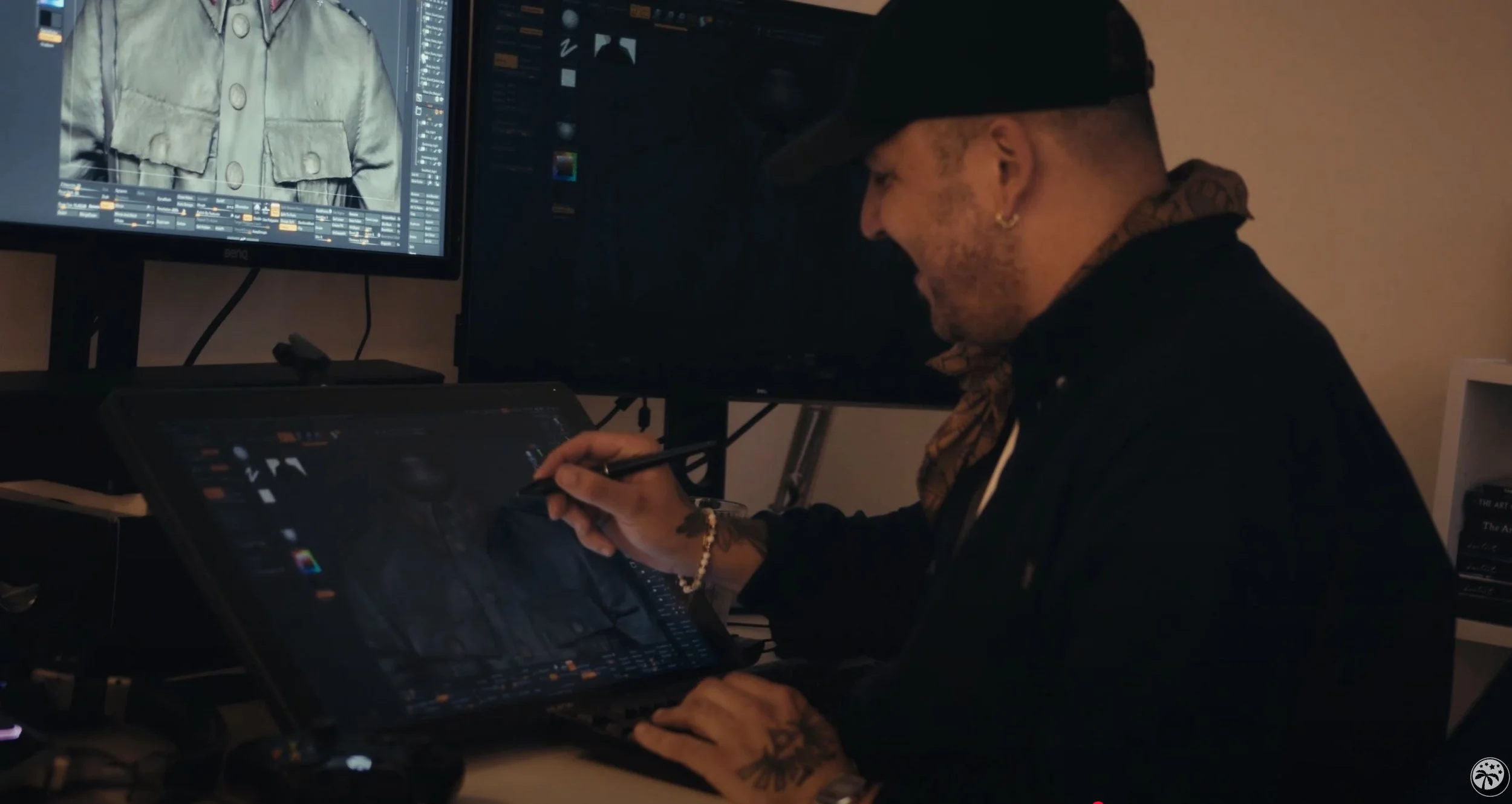
Finland has spent years punching well above its weight in the global games industry. For a country with a relatively small population, it has produced an extraordinary number of internationally recognizable studios, from Remedy Entertainment and Housemarque to Supercell and Rovio.
What makes the Finnish scene particularly interesting in 2026 is its range. The country is no longer associated with only one type of game or business model. Finnish developers are working across cinematic action, arcade shooters, mobile games, live-service titles, experimental indies, and large-scale console productions.
For players following the industry closely, 2026 is proving to be an especially strong year. Housemarque has already delivered a major new release, Remedy has one of its most ambitious projects on the way, and Finland's broader development community continues to generate new studios and fresh creative talent.
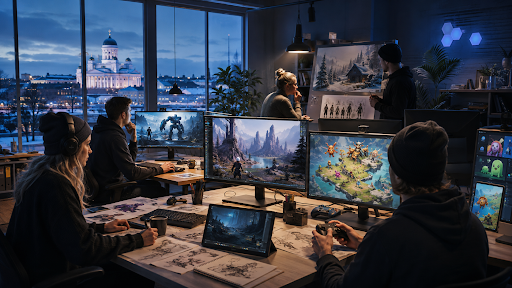
Here are the Finnish games, developers, and upcoming projects worth watching.
Why Finland Remains One of Europe's Most Interesting Game Markets
Finland's gaming reputation was built through several distinct waves.
Early PC development and the country's demoscene helped establish a culture of technical experimentation. Later, Nokia's dominance in mobile technology created fertile ground for developers interested in compact, accessible games.
The global success of Angry Birds and Clash of Clans then demonstrated that Finnish companies could build brands capable of reaching hundreds of millions of players.
At the same time, studios such as Remedy and Housemarque followed a very different path, concentrating on premium PC and console experiences.
This combination has given Finland an unusually broad development ecosystem.
Rather than being dependent on one genre or platform, Finnish studios have experience in:
premium console games;
PC action titles;
mobile free-to-play games;
arcade-inspired experiences;
multiplayer development;
narrative-driven adventures;
independent experimental games.
That diversity is one of the country's biggest strengths.
SAROS Shows Housemarque at Full Strength
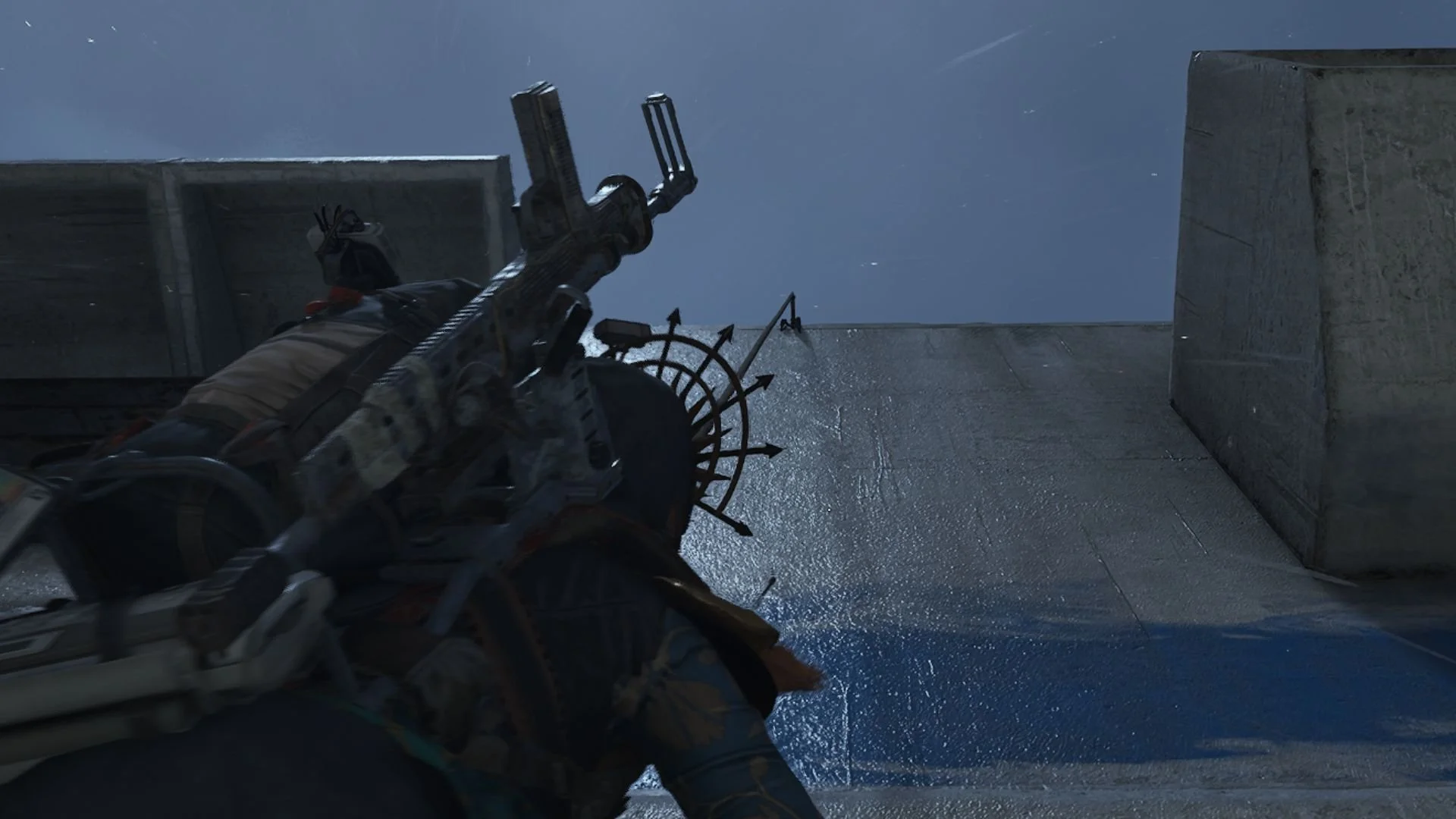
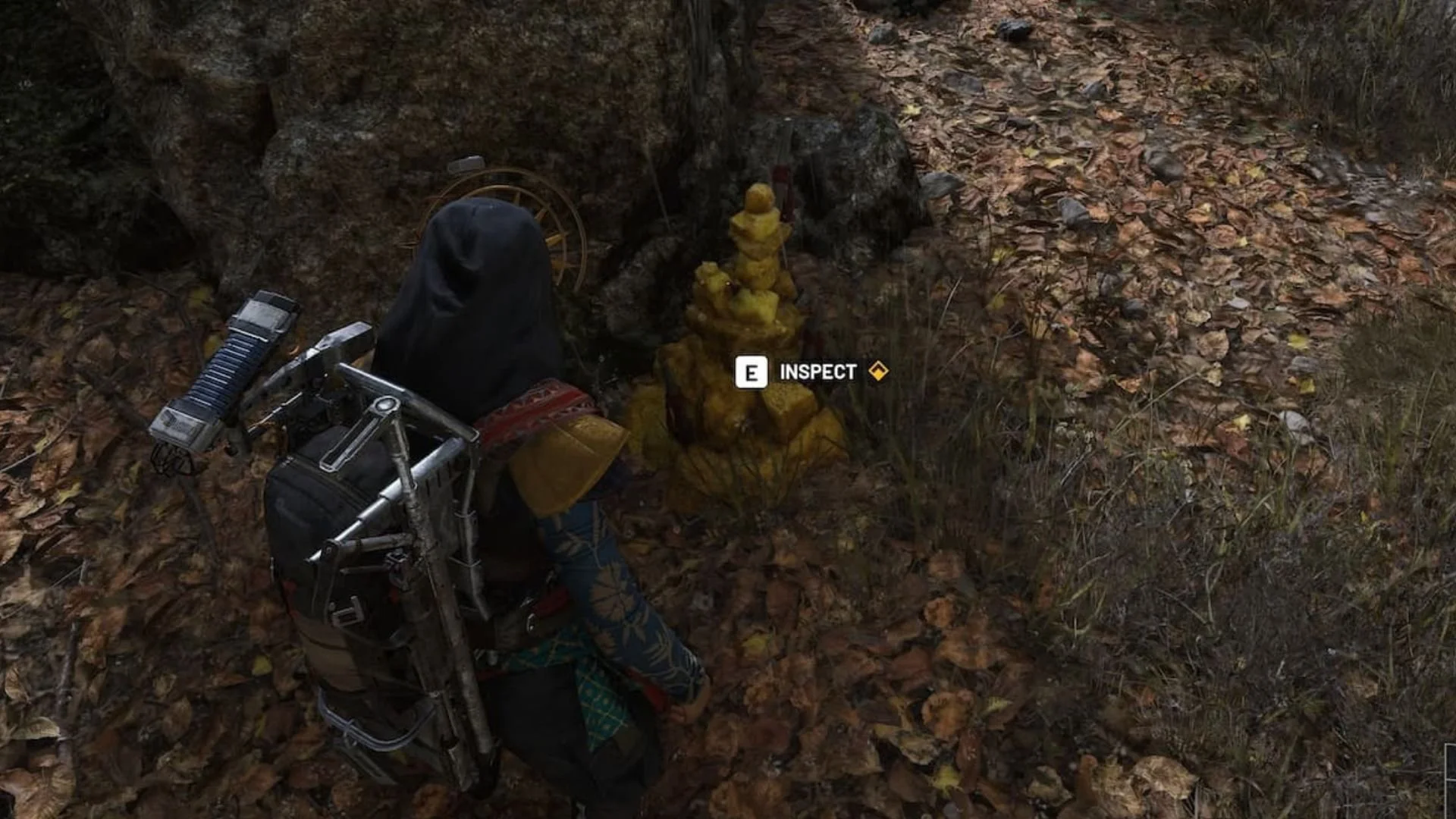
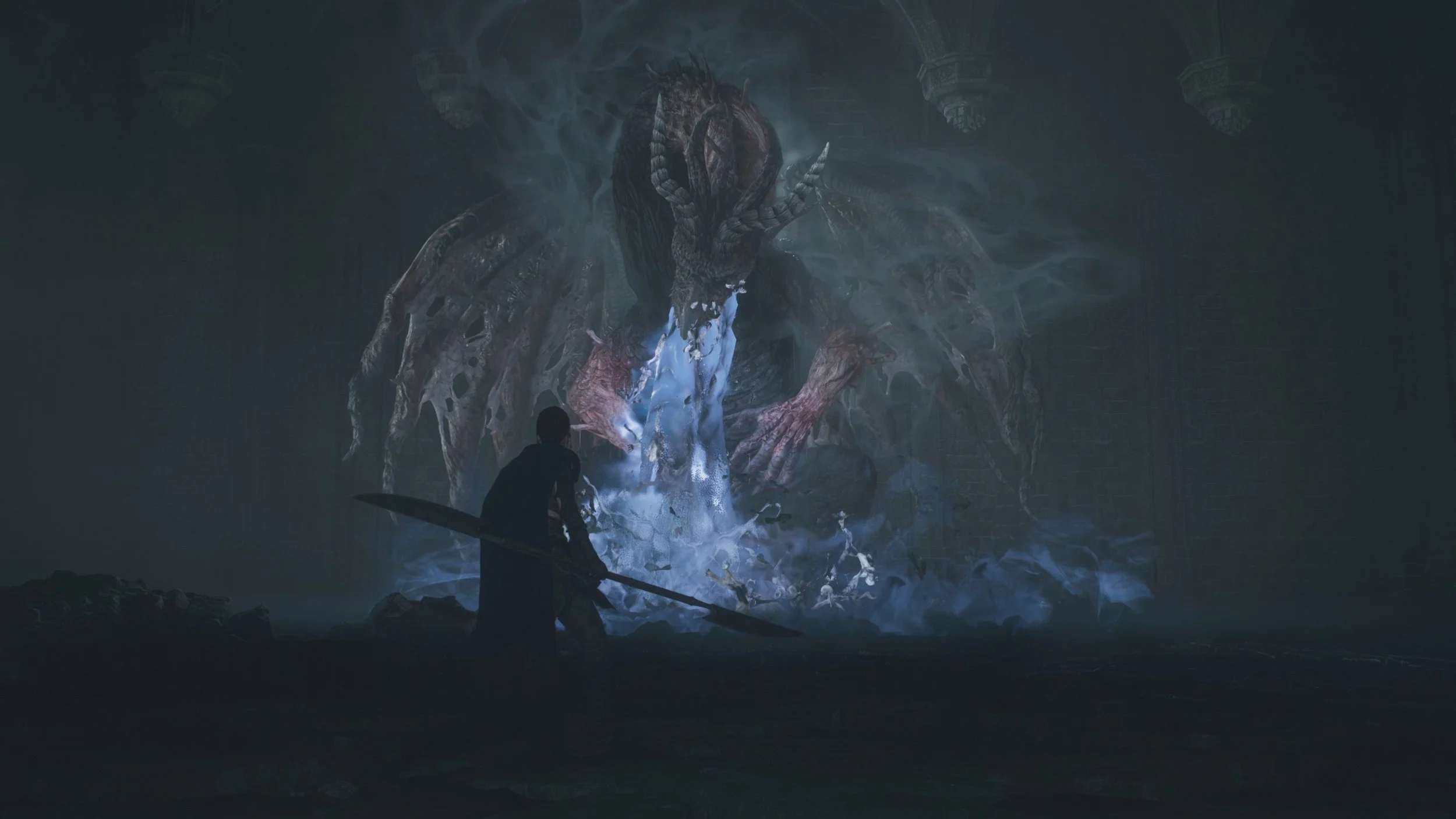
One of the biggest Finnish releases of 2026 is SAROS from Helsinki-based Housemarque.
Housemarque officially released the game in April 2026 after positioning it as an evolution of the gameplay philosophy behind Returnal. The studio describes SAROS as a high-intensity action experience built around repeated attempts, permanent progression, and an evolving world.
The setting is the lost off-world colony of Carcosa, where players control Arjun Devraj, portrayed by Rahul Kohli.
The important distinction between SAROS and Returnal is progression.
Where roguelike structures traditionally emphasize restarting after failure, SAROS incorporates permanent resources and upgrades. Death still changes the player's circumstances, but each run contributes toward stronger future attempts.
That approach preserves the pressure and mechanical intensity for which Housemarque is known while potentially making progression more approachable.
Why SAROS Matters
Housemarque has one of the most distinctive identities among Finnish studios.
Its games consistently prioritize movement, responsiveness, visual clarity, and high-pressure combat. The studio's history stretches from arcade-inspired projects such as Resogun and Nex Machina to the much larger-scale Returnal.
SAROS demonstrates how those principles can survive as production values increase.
Rather than abandoning its arcade DNA, Housemarque appears to be scaling it up.
CONTROL Resonant Could Be Finland's Biggest Upcoming Game
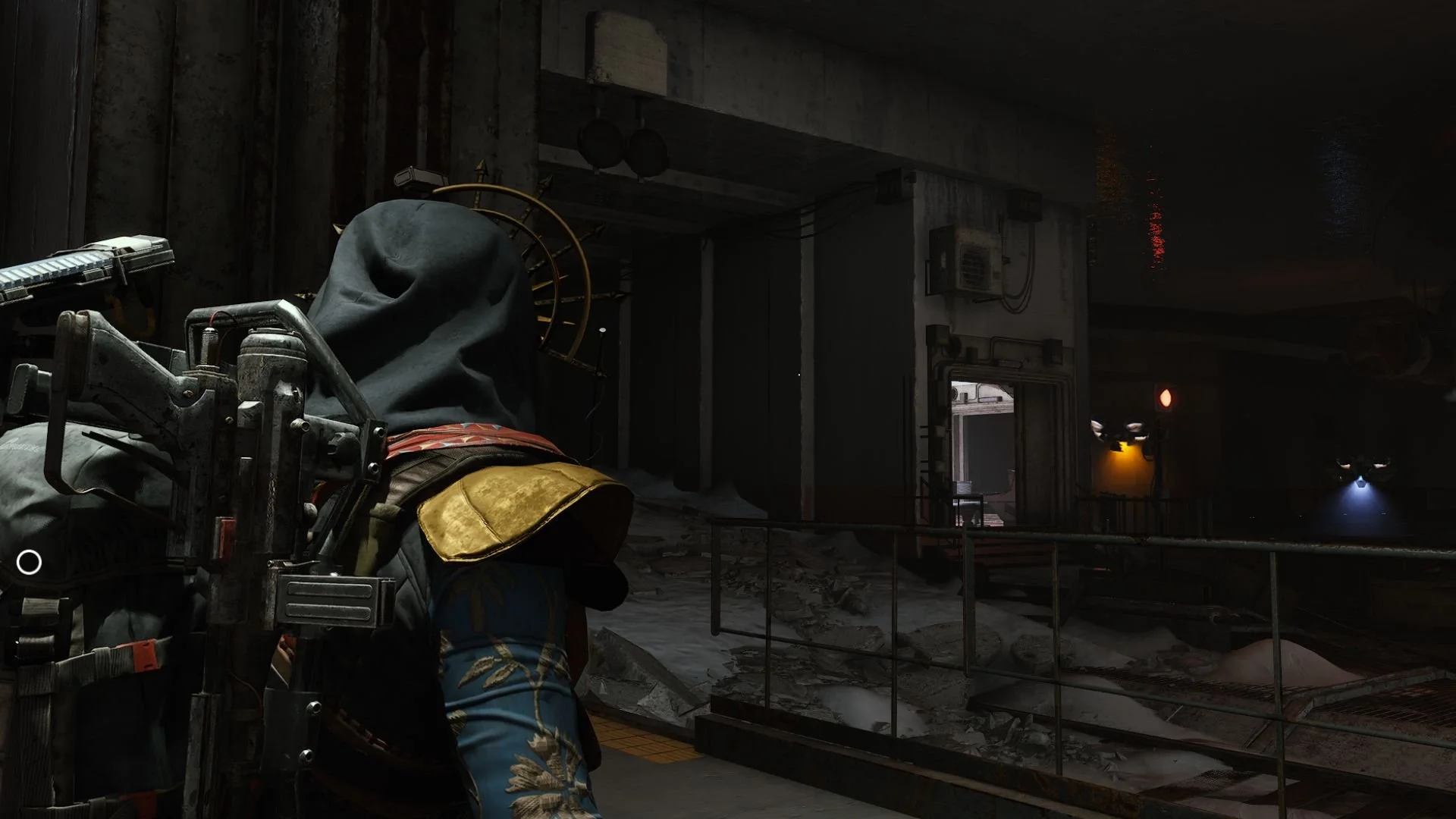
If SAROS is one of the year's major released Finnish titles, Remedy Entertainment's CONTROL Resonant may be the country's most closely watched upcoming game.
Remedy has confirmed that the sequel will launch worldwide on September 24, 2026 for PlayStation 5, Xbox Series X|S, and PC, with a Mac version following later in the year.
The game moves the series beyond the architecture of the Federal Bureau of Control headquarters and into a transformed Manhattan.
Players take control of Dylan Faden rather than Jesse Faden, the protagonist of the original Control. Remedy describes the project as an action-adventure RPG built around expansive zones, supernatural abilities, environmental exploration, and reality-distorting threats.
That shift in scale is significant.
The original Control was structured around a dense, interconnected building. CONTROL Resonant appears designed to preserve Remedy's surreal storytelling while giving players considerably larger spaces to explore.
Remedy's Strength Is Building Worlds That Feel Different
The Finnish studio's reputation is not simply based on technical quality.
Remedy has developed a recognizable approach to storytelling.
Games such as Max Payne, Alan Wake, Quantum Break, and Control combine cinematic presentation with unusual narrative structures. Live-action sequences, fictional television programmes, documents, environmental storytelling, and unreliable perspectives frequently overlap.
The result is a style that feels distinctly Remedy.
That identity has become increasingly important at a time when many AAA productions can look technically impressive but struggle to establish a memorable personality.
With CONTROL Resonant, Remedy has the opportunity to show whether its unusual storytelling approach can work within a larger action-RPG structure.
The Finnish Scene Goes Far Beyond Remedy and Housemarque
International players understandably associate Finnish development with its biggest studios, but focusing exclusively on Remedy and Housemarque gives an incomplete picture.
Finland has a substantial network of small and mid-sized developers working across PC, console, and mobile markets.
Independent development is particularly important because smaller teams can experiment with ideas that would be difficult to justify within large-budget productions.
That might mean unconventional visual styles, unusual control systems, narrow genre combinations, or gameplay concepts aimed at highly specific audiences.
This experimentation has always been important to the wider games industry.
Large studios generally refine proven ideas extremely well. Smaller developers are often where genuinely strange concepts first appear.
A New Generation of Finnish Studios Is Emerging
Another interesting development is the movement of experienced developers into new companies.
Veterans from established Finnish studios increasingly have enough international experience to create independent teams of their own.
That means knowledge gained from major productions does not remain concentrated inside a handful of companies.
Designers, artists, programmers, and producers can take that expertise into smaller teams, where they may have more freedom to experiment.
For Finland, this creates a healthy cycle.
Successful studios train experienced developers. Some stay and build increasingly ambitious productions. Others form new companies, strengthening the overall ecosystem.
The next globally successful Finnish studio may therefore already exist without yet having released its breakthrough game.
Mobile Gaming Still Matters
Any discussion of Finnish gaming that focuses only on console and PC releases would miss a major part of the country's identity.
Mobile development remains fundamental.
Supercell in particular helped redefine expectations around mobile game design by proving that relatively focused games could support enormous global communities for years.
Finnish mobile developers have historically placed particular emphasis on:
simple onboarding;
strong visual communication;
short gameplay sessions;
long-term progression;
social mechanics;
frequent updates.
Those ideas have since spread far beyond mobile gaming.
Modern console and PC titles increasingly use daily challenges, seasonal content, progression tracks, and persistent accounts systems that mobile developers have been refining for more than a decade.
Finnish Players Participate in a Wider Digital Gaming Culture
The Finnish games market also demonstrates how broad the modern definition of "gaming" has become.
A single player may move between a console release, a mobile strategy game, an esports broadcast, a streaming platform, and other interactive entertainment services within the same week.
Search behaviour reflects that fragmentation.
English-language terms frequently coexist with Finnish-language queries, particularly when users look for locally relevant information. A player researching console games may use English titles and studio names, while another form of entertainment may be searched for entirely in Finnish.
For example, adult users comparing promotional gaming offers online may encounter Finnish phrases such as ilmaista pelirahaa ilman talletusta, literally referring to free gaming money without a deposit. It belongs to a different part of the digital entertainment market than traditional video games, but the linguistic pattern is revealing: Finnish users routinely mix local terminology with globally recognized gaming brands and English-language media.
That hybrid behaviour is increasingly common across European gaming markets.
Finnish Game Design Often Prioritizes Strong Core Mechanics
There is no single "Finnish design philosophy," but several recurring characteristics can be observed across successful studios.
One is an emphasis on clearly defined gameplay loops.
Housemarque builds around movement and combat precision.
Supercell historically focuses on immediately understandable systems that become strategically deeper over time.
Remedy combines action mechanics with strong atmosphere and narrative structure.
These are very different games, but each is built around a strong central identity.
That may be one reason Finnish studios have achieved so much internationally.
They rarely succeed by attempting to include every possible feature. Their best-known games tend to know exactly what experience they want to deliver.
Technology Is Another Competitive Advantage
Finland also benefits from a strong technical culture.
Remedy's proprietary Northlight engine is a good example.
The studio has invested heavily in rendering, animation, physics, lighting, and cinematic production because technology is tightly connected to the kinds of worlds it wants to build.
Housemarque similarly uses advanced visual effects to make dense combat situations readable even when the screen is filled with projectiles, particles, enemies, and environmental effects.
Technical sophistication is not valuable simply because it produces prettier screenshots.
The best game technology makes design possible.
A physics system enables new mechanics. Better animation can improve combat feedback. Advanced lighting can strengthen atmosphere. Faster streaming technology can allow larger environments.
When technology supports design rather than distracting from it, players feel the difference.
Games Worth Watching Through the Rest of 2026
For Finnish gaming, the rest of 2026 is particularly interesting because the year combines major releases with signs of what comes next.
CONTROL Resonant
Remedy's September release is the obvious title to watch.
Questions remain around how effectively the studio can combine its narrative strengths with larger environments and RPG systems.
If it works, it could become one of Remedy's most important releases.
Future Housemarque Projects
With SAROS now released, attention will eventually turn toward Housemarque's next direction.
The studio has spent years moving from relatively compact arcade projects toward larger first-party productions.
What it chooses to do after SAROS may reveal whether that expansion continues or whether the team revisits smaller experimental formats.
New Independent Studios
The less predictable part of Finland's future may ultimately prove the most interesting.
New studios formed by experienced developers could produce projects that have not yet entered mainstream gaming conversations.
Those teams are worth monitoring because Finland's biggest success stories have repeatedly emerged from relatively small beginnings.
What Makes a Finnish Game Stand Out?
Nationality alone obviously does not determine whether a game is good.
Still, Finland has developed a recognizable reputation for certain qualities.
The most successful Finnish games tend to combine technical confidence with a clear creative identity.
They are often easy to describe.
Returnal is a high-intensity third-person roguelike shooter.
Control is a surreal supernatural action game.
Clash of Clans is a highly accessible mobile strategy game built around persistent progression.
Angry Birds turned a simple physics interaction into a global entertainment brand.
Strong concepts travel well internationally.
That ability to create games with immediately understandable identities may be one of Finland's greatest advantages.
Finland's Gaming Future Looks Strong
The Finnish games industry is in an interesting position in 2026.
Its established studios are producing increasingly ambitious projects, while smaller developers continue to experiment underneath them.
Housemarque has already added SAROS to the country's catalogue of major console releases, while Remedy's CONTROL Resonant is scheduled for September 24 and could become one of the year's most important Finnish games.
Meanwhile, mobile development, indie studios, and newly formed teams ensure that Finland's future is not dependent on two companies.
That diversity matters.
The strongest gaming ecosystems are not simply those capable of creating one blockbuster. They are the ones capable of producing everything from experimental indie games to internationally recognized AAA releases.
Finland has already demonstrated that ability repeatedly.
And judging by the games arriving in 2026 and the studios preparing whatever comes next the country's influence on global gaming is unlikely to fade anytime soon.