Disclosure: This is a paid guest post. The author or an affiliated third party paid for its publication, and the article may contain promotional links. The views and opinions expressed are those of the author and do not necessarily reflect those of GameTyrant or its editorial staff.
Disclaimer: The following content contains references to gambling, casinos, and related topics.

Mastering Chicken Road For Bigger Runs
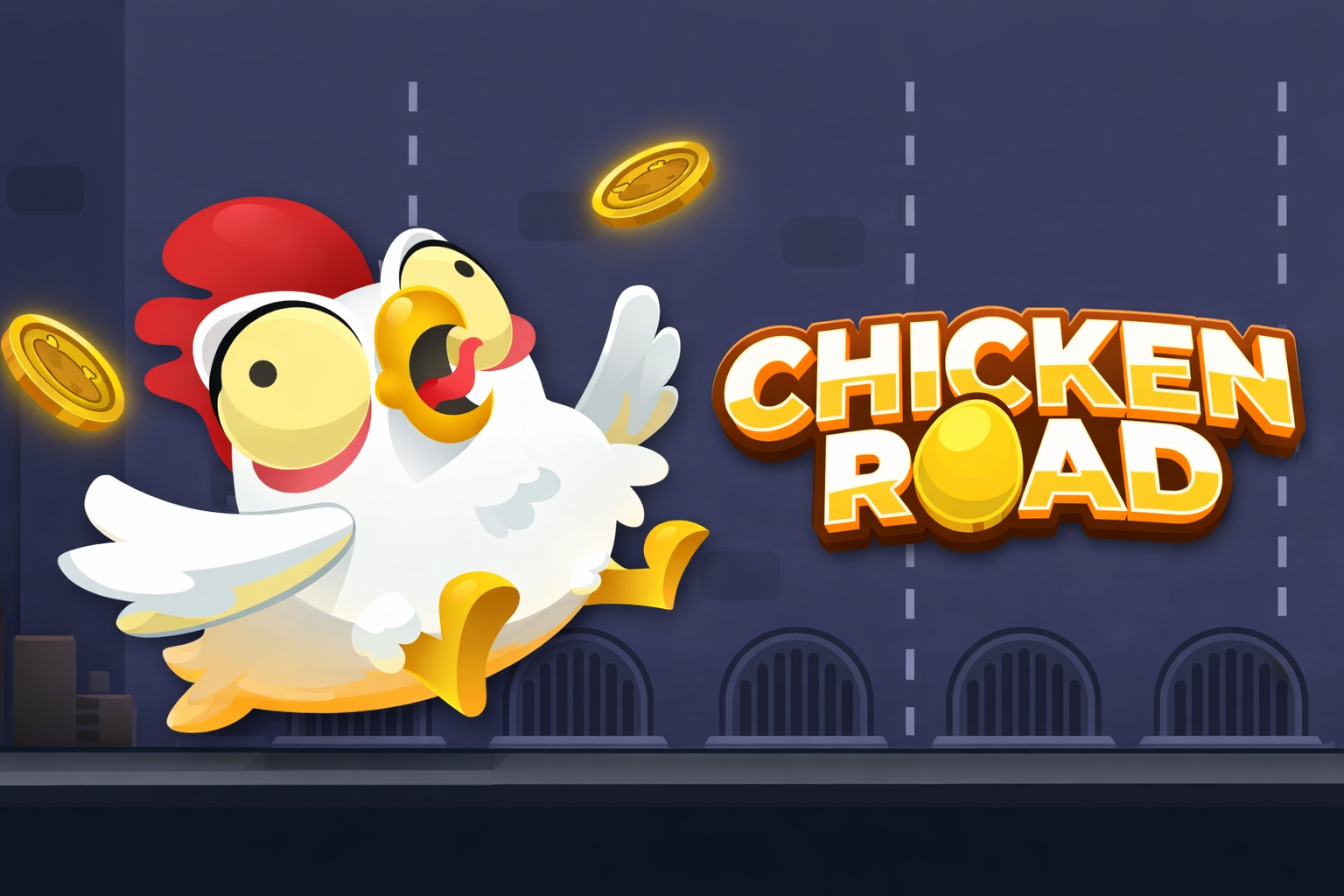
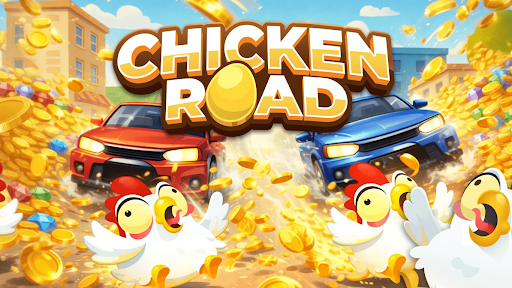
Chicken Road looks like a lighthearted arcade run across a busy highway, but anyone who has spent time with it knows there is real depth hiding under the cartoon chaos. This guide breaks down how the Chicken Road game actually works, how its difficulty settings change the experience, and how multipliers can turn short runs into surprisingly big payouts when everything lines up.
Understanding How Chicken Road Plays
At its core, Chicken Road drops a tiny bird into a scrolling gauntlet of traffic, rivers, moving platforms, and coins. Players tap or click to move lane by lane, dodging vehicles and hazards while trying to push a little farther with every attempt. The format is quick, snackable, and easy to learn, which is exactly why the chicken road casino game has picked up attention among fans of simple but tense arcade style experiences.
The basic loop is always the same. Players start on a low traffic stretch that works like a warmup, where they can get used to the movement timing and how different vehicles behave. Cars might move in predictable patterns, while trucks take longer to pass and sometimes cover multiple lanes visually, which can mess with depth perception if a player is not fully focused.
As the run continues, the game increases the pace. Gaps between vehicles get tighter, river sections stay on screen for shorter windows, and coin placement becomes a little more tempting. Reaching certain distance milestones often unlocks new patterns, with fresh combinations of hazards that test how well the player has been reading the screen rather than simply reacting to whatever is directly in front of them.
What separates strong runs from throwaway ones is rhythm. Skilled players learn to move in short bursts rather than constantly spamming inputs. They step up, pause just long enough to read the next two or three lanes, then commit. That rhythm keeps panic taps to a minimum and gives time to identify opportunities to grab coins or hit safe zones without breaking stride.
Choosing The Right Difficulty Path
Chicken Road typically offers multiple difficulty tiers, and understanding what actually changes between them is key. On the surface, easy, medium, and hard sound straightforward, but each setting tweaks several hidden dials including traffic density, vehicle speed, pattern complexity, and sometimes even how generous the timing windows feel when crossing moving platforms or logs.
On easier settings, players will usually see:
Fewer vehicles on screen at once, larger gaps between them, slower river currents, and coin lines placed more safely off the main collision routes. This is where newcomers can learn how hitboxes feel in motion, how far the chicken moves per input, and how long they can sit on a single tile before the screen scroll catches up with them.
Medium difficulty often pushes players to commit faster. Traffic speeds up, coin placement begins to lure them toward riskier tiles near vehicles, and more overlapping patterns appear. This is typically the sweet spot for people who already understand the rules and want to feel that satisfying surge of focus without being pushed into chaos every run.
Hard mode is where Chicken Road really shows its teeth. Here, traffic patterns may feature near back to back groups of vehicles, making it crucial to think two or three moves ahead. Coins may float on moving platforms or sit in narrow safe zones that require precise timing to reach. Players who thrive on that arcade high score chase tend to live here, learning specific sequences almost like boss patterns in a classic action game.
There is also a practical element to choosing difficulty. Higher tiers usually unlock better potential payouts and more aggressive multipliers, but they demand sharper reflexes and stronger pattern recognition. In countries like Canada, where online casino style games are treated differently from province to province, players who enjoy Chicken Road often focus on understanding the skill side of that difficulty curve so they can pick the level that fits how they like to play rather than just jumping to the top tier immediately.
Making Multipliers Work For You
Multipliers are where Chicken Road turns from a simple lane dodger into a tense score and payout chase. They effectively boost the value of a run based on how far the player travels, how many coins they collect, and sometimes on extra conditions like flawless sections or streaks without collisions.
Most versions of the game handle multipliers in one of three broad ways. The first is distance based, where the multiplier ticks up after the player crosses set yardage markers. This rewards survival above everything else. It encourages conservative movement, clean dodges, and skipping risky coin grabs if they might end a promising distance streak too early.
The second common style is coin or objective based. Here, multipliers jump after the player collects certain numbers of coins, hits special glowing pickups, or chains together perfect crossings. This shifts the mindset from pure survival to controlled aggression. Strong players angle sideways to scoop up coins, time their steps to grab multiplier tokens in the middle of crowded lanes, and accept that short, explosive runs can sometimes be more valuable than safe, slow ones.
The third approach is hybrid, where both distance and coin collection feed into the same multiplier meter. This style suits players who enjoy adapting on the fly. If a section looks too cramped, they focus on staying alive to push the distance threshold. If the road ahead opens up, they dive across lanes to snatch coins and push that multiplier a little higher before the layout tightens again.
Regardless of the exact rules, good multiplier play in Chicken Road comes down to a few core habits. Players benefit from quickly scouting the next couple of lanes before moving, so they can spot safe routes that include coins or bonus tiles. They also learn to recognize when the multiplier is in a strong position and adjust their aggression. If the meter is already high, it can be smarter to hold back and protect that value rather than reach for one more flashy pickup.
What makes Chicken Road interesting to many in the wider gaming audience is how these elements come together. Simple inputs, escalating difficulty, and layered multipliers create a game that feels accessible at first glance but rewards the same pattern mastery and route planning that action and platformer fans enjoy. For players who love shaving a little more performance out of every run, Chicken Road becomes less about crossing a highway and more about solving a fast moving puzzle in real time.
Taken together, understanding the rules, choosing a difficulty that matches a player’s current skill, and learning how multipliers interact with distance and coins turns Chicken Road from a quick distraction into a game worth studying. Each run becomes a tiny training session, and over time that knowledge leads to cleaner routes, tighter timing, and the satisfaction of watching those multipliers climb when everything finally clicks into place.