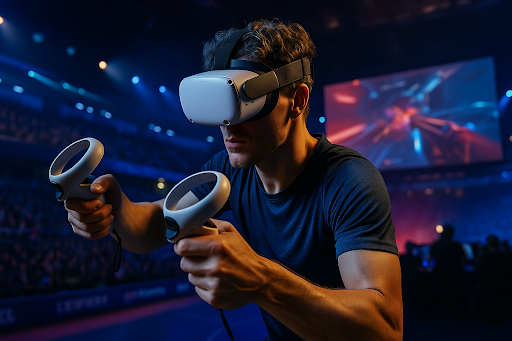
Esports in 2025 is forming more like a professional sport than ever before. Players utilize high-tech gear, teams make decisions based on data, and fans can follow all the action in real-time. Artificial intelligence, betting partnerships, and new global leagues are transforming the gaming landscape. It's fast, competitive, and rich with fresh opportunities for players and brands alike. This is when esports really crosses over into mainstream.

AI-Driven Training Systems
AI is now a vital component in the preparation of top esports teams. Innovative systems analyse players' movements, reaction times, and even their stress levels. They can also study opponents' playing style and tell the best way to defeat them. These tools are now essential for coaches who use them to make more accurate and quicker decisions during matches.
Many fans also follow the action through betting platforms, which utilize smart AI tools to suggest bets and analyze match data in real-time. To keep up with live tournaments and odds, they often download Melbet app Kenya, making games more exciting. The app makes betting faster, safer, and more accurate, helping users make smarter decisions while staying connected to every game.
AI also enhances teams' effectiveness in planning training. It informs players when to rest or practice for optimal results. This way, you can prevent burnout and maintain high performance levels. Esports training is no longer about instinct; it's now a combination of skill, data, and technology.
Rise of Mobile Esports Leagues
Mobile gaming has taken the world by storm. With low-cost phones and rapid internet, players in Asia, Latin America, and Africa are increasingly participating in major tournaments. These tournaments now have millions of viewers and sell actual sponsorship deals. Mobile esports is no longer a pastime but a serious part of the gaming world.
Today's most popular mobile leagues are:
PUBG Mobile Pro League — Great success in Asia and the Middle East.
Free Fire World Series — A favorite of fans all over Latin America.
Mobile Legends: Bang Bang Pro League — Setting high standards for competition and production.
These leagues are expanding at a rapid pace, taking esports to regions where PC gaming was previously impossible.
Business and Technology Convergence
Esports has evolved into a complete business ecosystem, combining gaming, technology, and finance. Betting has become a major part of this growth, attracting millions of fans who enjoy predicting match outcomes and supporting their favorite teams. Many players and fans now use Melbet Kenya to follow tournaments and place bets easily, as it offers reliable odds and live updates. Data, AI, and digital resources enable informed decision-making and the development of innovative monetization strategies for fan interaction.
AI-Powered Analytics
AI tools not only record matches, but they also predict them. By analyzing thousands of previous games, these systems can predict strategies and outcomes. Teams use these tools to strategize in their opponents' gameplay. This technology has transformed the way coaches and managers make decisions.
Sponsors also utilize AI to gain insights into their fans. It measures reactions during streams and helps brands to make decisions about where to invest. The correlation between data and performance has become essential for the success of esports teams both in and out of the game.
Betting Partnerships
Betting has become a major commercial partner within the esports ecosystem. Major corporations now sponsor tournaments and teams, and live odds are included in broadcasts. Fans can watch, wager, and engage within the same site, making matches more exciting and interactive.
But with these deals come responsibility. Organizers and regulatory bodies are now focused on ensuring safe wagering and fair play. The collaboration between esports and betting is a maturing conversation, however, which is being closely regulated for the protection of players and fans.
Sustainability and Player Welfare
Esports teams are taking greater care of players' well-being. Many individuals have access to mental health support, fitness training, and improved schedules. The aim is to keep players healthy and enable them to perform at the highest level for longer.
Even events are going green. Hybrid tournaments eliminate travel, resulting in energy savings during production.Esports aims to be responsible while remaining exciting for both players and the planet.
Global Expansion and Cultural Impact
Esports bridges the gap between people worldwide. From Seoul to Sao Paulo, fans cheer on their local heroes and share the global competitions. Athletes become worldwide celebrities, and brands view esports as the most effective means of marketing to young audiences. It's not just a game anymore — it's a culture that connects millions of people worldwide.