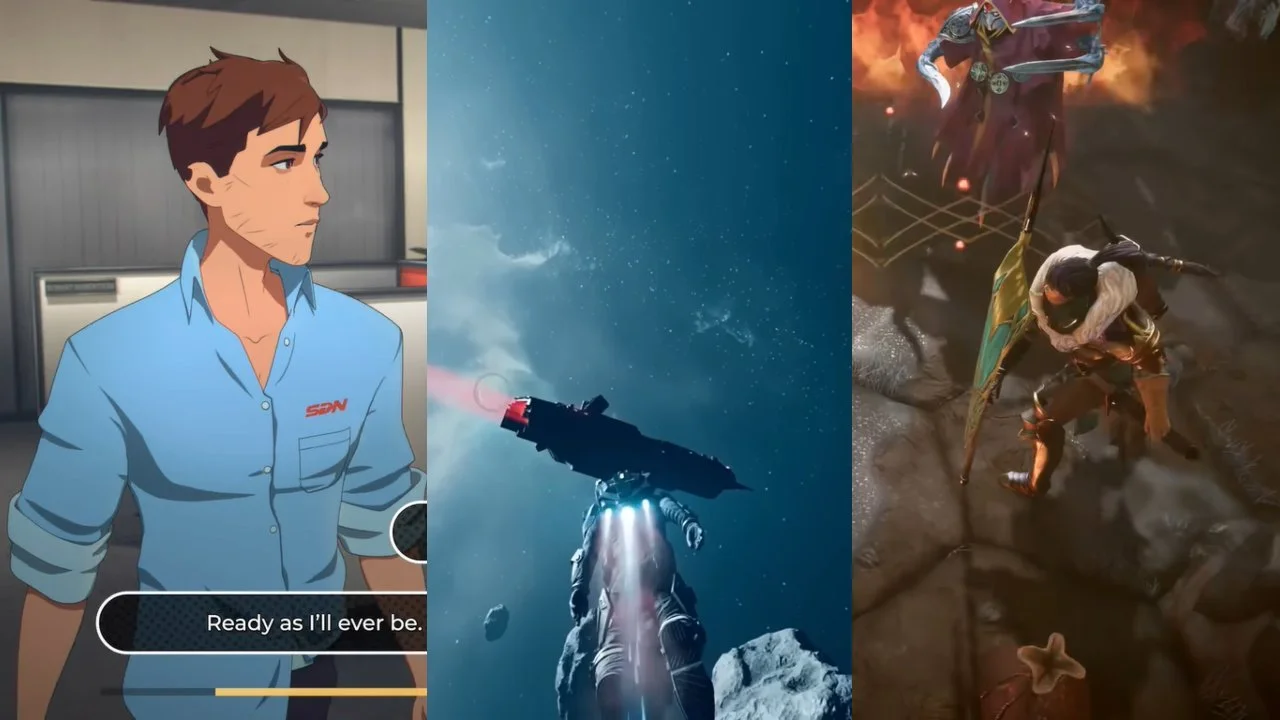
Dispatch marks the debut of Adhoc Studio, a development team composed of veterans from Telltale Games and other major studios. With a pedigree like that, expectations were naturally high. As their first title, Dispatch needed to make a strong first impression — one that honored their storytelling legacy without repeating old patterns. After playing through Chapters 1 and 2, it’s clear that Adhoc is aiming for something bold, cinematic, and emotionally grounded.
Gameplay & Story
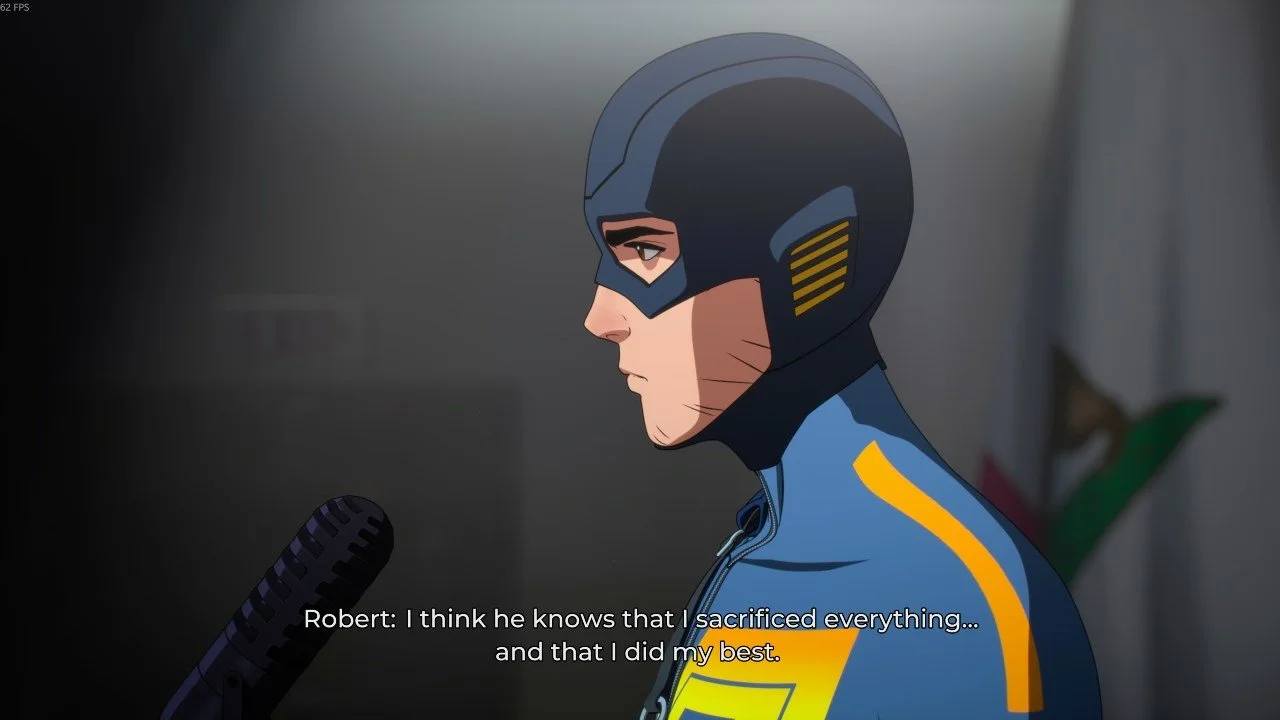
At its core, Dispatch tells the story of an “infamous” superhero named MechaMan, a fallen figure struggling beneath the weight of a disgraced family legacy. The narrative unfolds from his perspective, which brings a deeply personal tone to the story — one colored by guilt, dishonor, and regret. It’s not just about saving the day; it’s about confronting the ghosts of your failures.
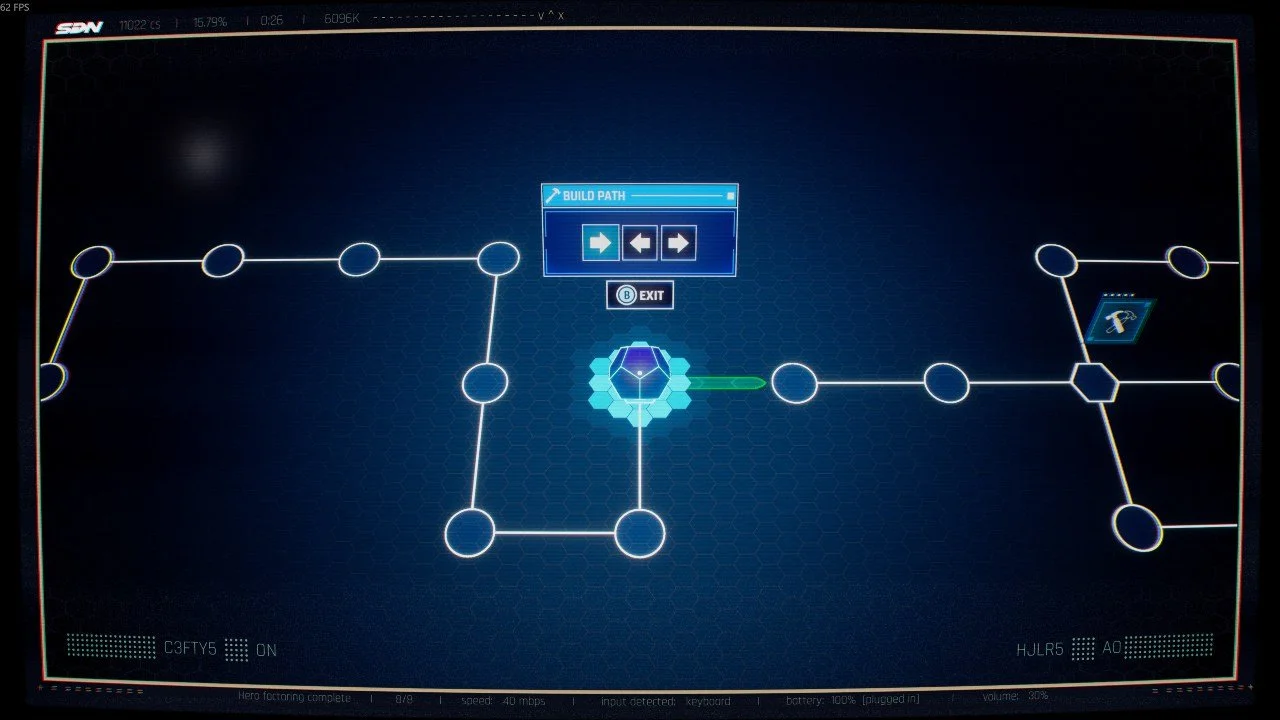
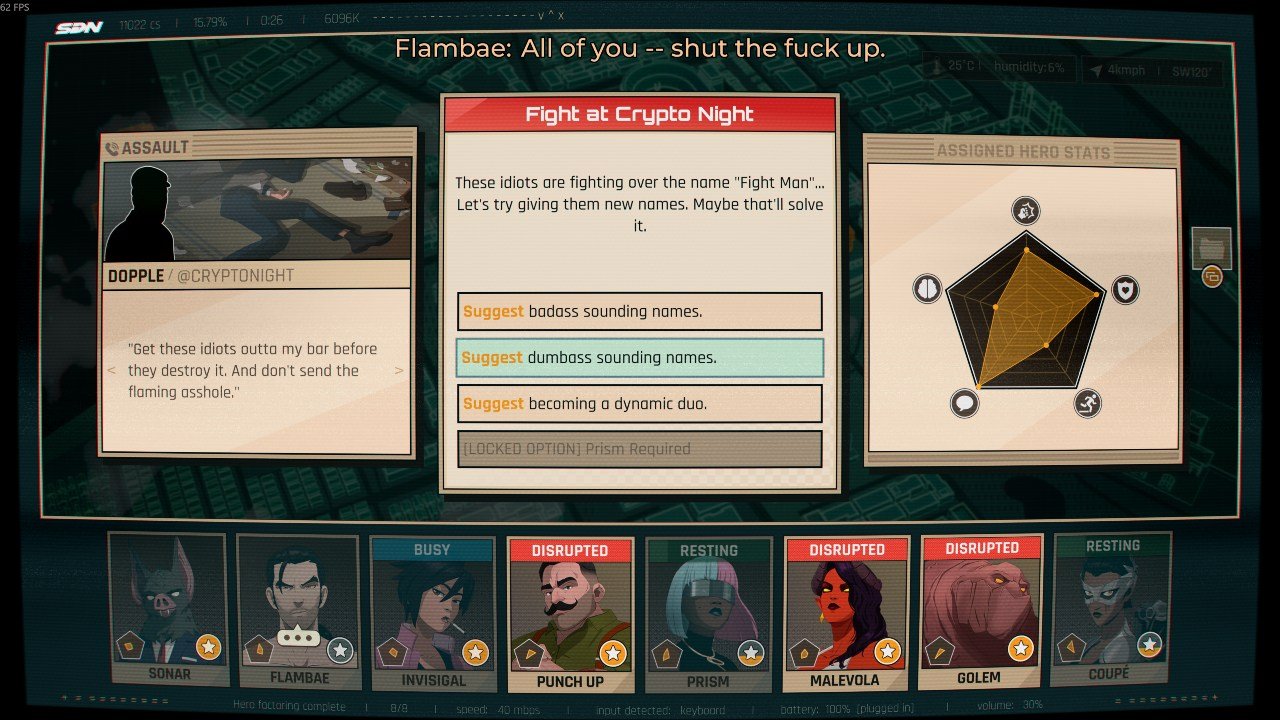
The first two chapters serve primarily as an extended introduction. Chapter 1 feels more like a prologue — a stage-setter that establishes the world, tone, and emotional baggage of the protagonist. Chapter 2, on the other hand, feels like the real beginning. Together, they create a solid foundation for the rest of the game, though the pacing may feel a bit slow for players eager to dive into the action. With eight chapters planned in total, dedicating a full quarter of them to setup risks losing some momentum — but if the payoff is worth it, this deliberate pacing could ultimately make sense.
Design
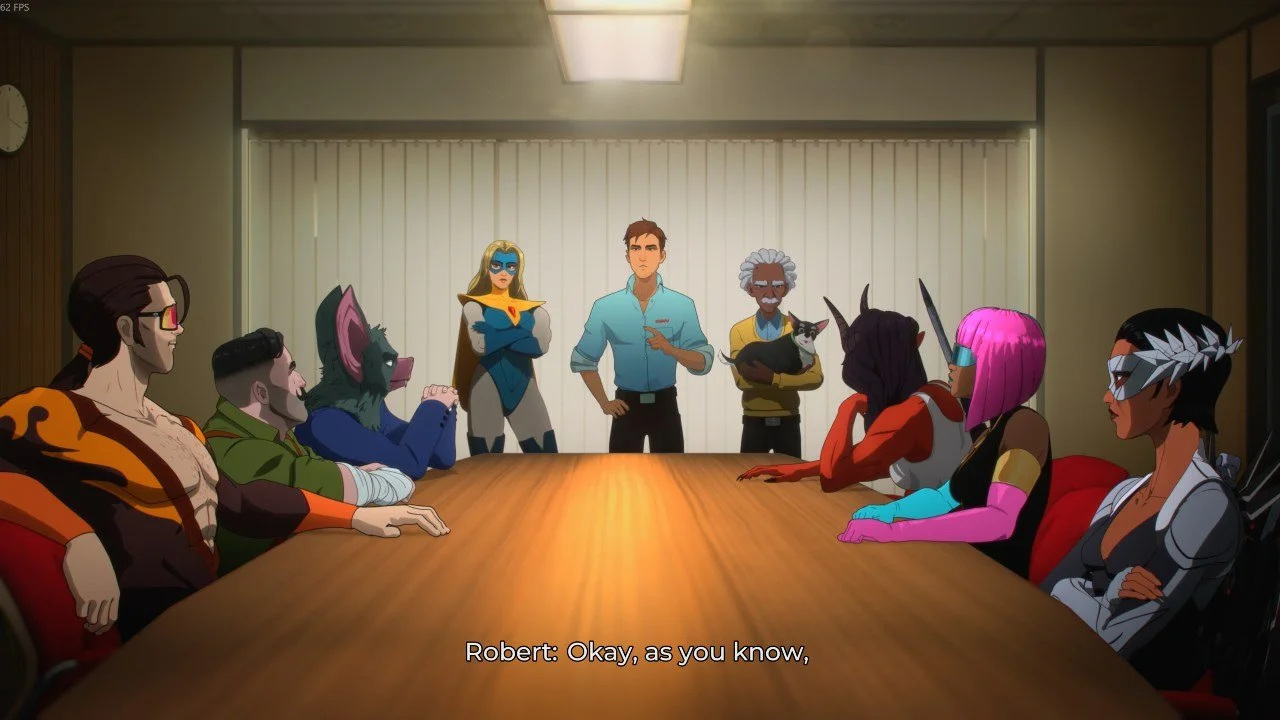
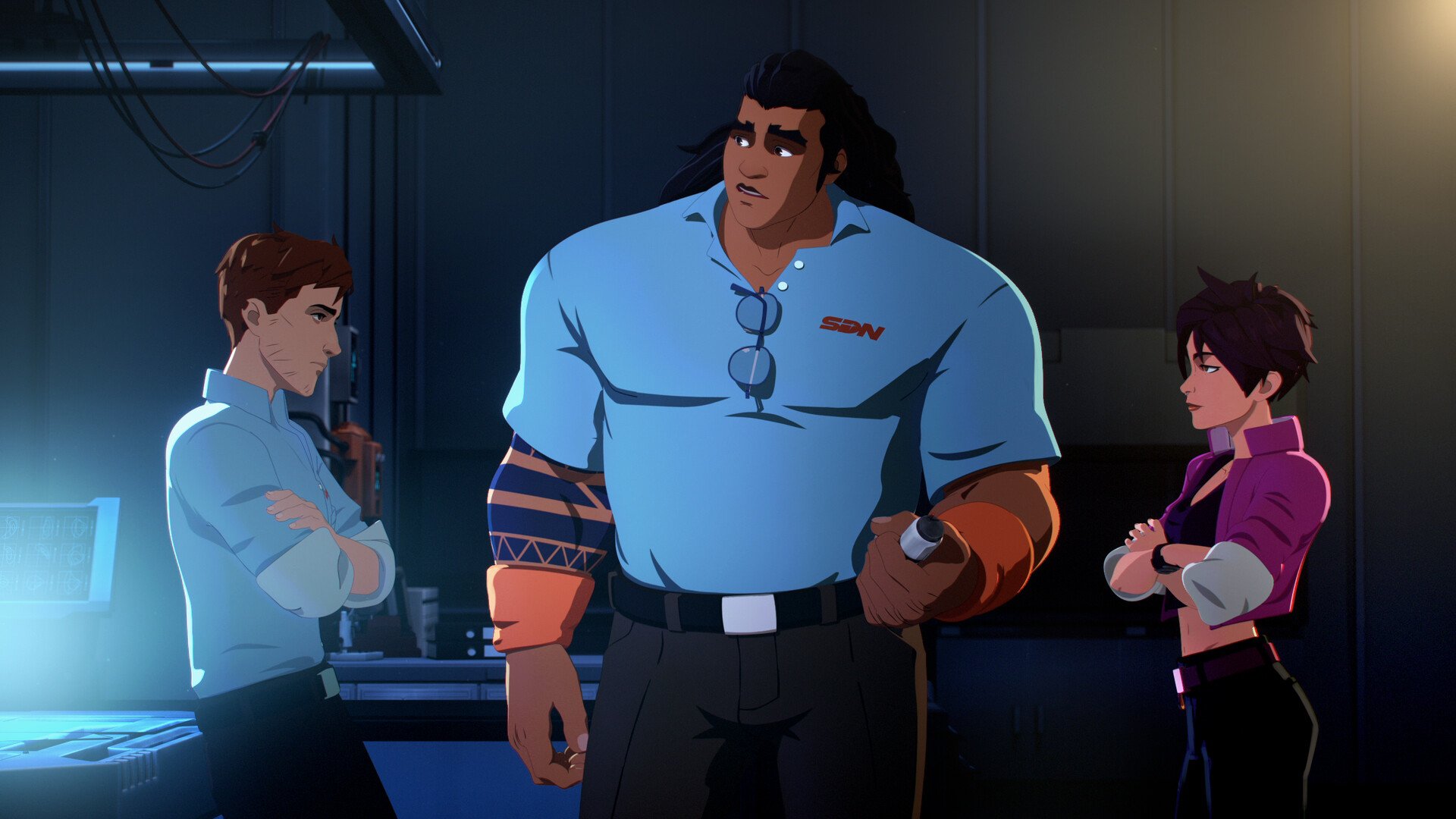
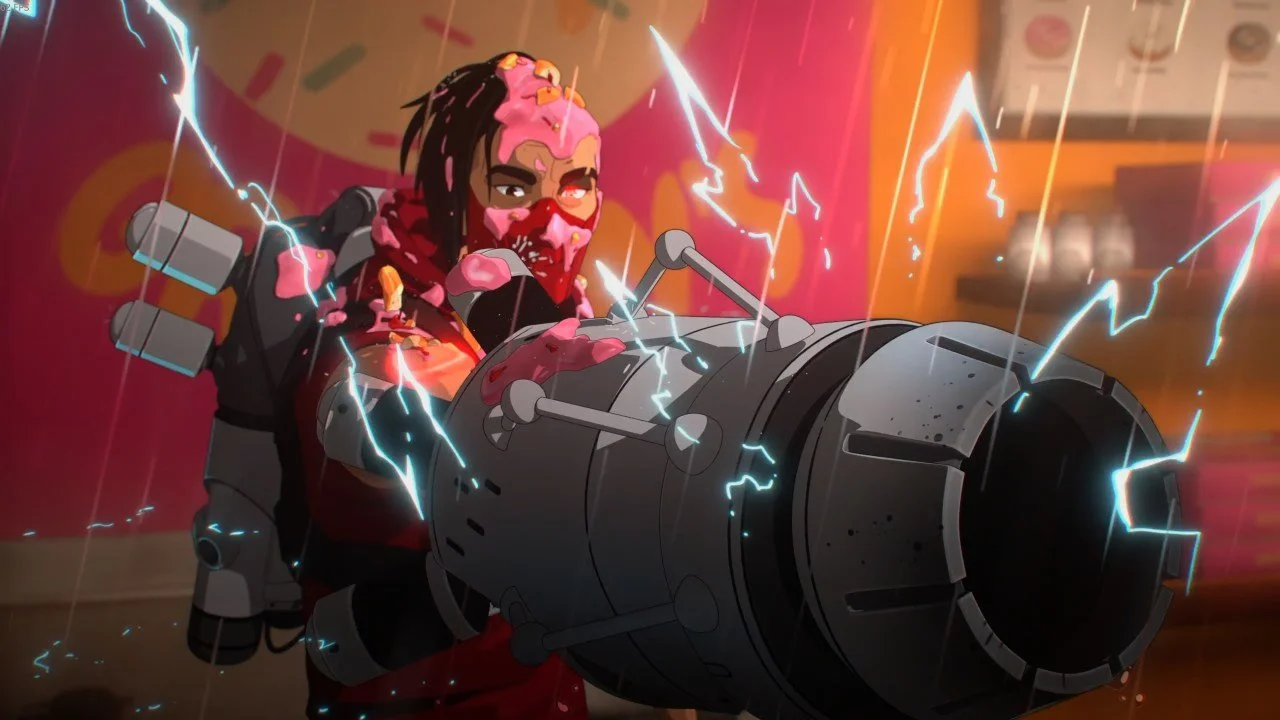
Visually, Dispatch is stunning. The art direction feels like a love letter to classic superhero aesthetics, with subtle nods to familiar icons — especially one blue-and-yellow figure who needs no introduction. The game’s synth-heavy Los Angeles vibe adds a layer of atmosphere that feels both retro and futuristic, grounding the story in a world that feels lived-in and authentic.
Adding to the immersion is the outstanding voice cast, which elevates every scene. Aaron Paul (Breaking Bad) and Erin Yvette (The Wolf Among Us) have an instant, believable chemistry that brings the emotional core of the story to life. They’re joined by an impressive supporting lineup, including Laura Bailey, Matthew Mercer, and Jeffrey Wright, whose performances add real weight to their characters. On the more unexpected (but delightful) side, familiar online personalities like Charles White Jr. (MoistCr1TiKaL), Yung Gravy, and Seán McLoughlin (Jacksepticeye) also make appearances — a clear nod to the modern gaming audience. It’s a cast built by fans of the industry, for fans of the industry.
Feedback
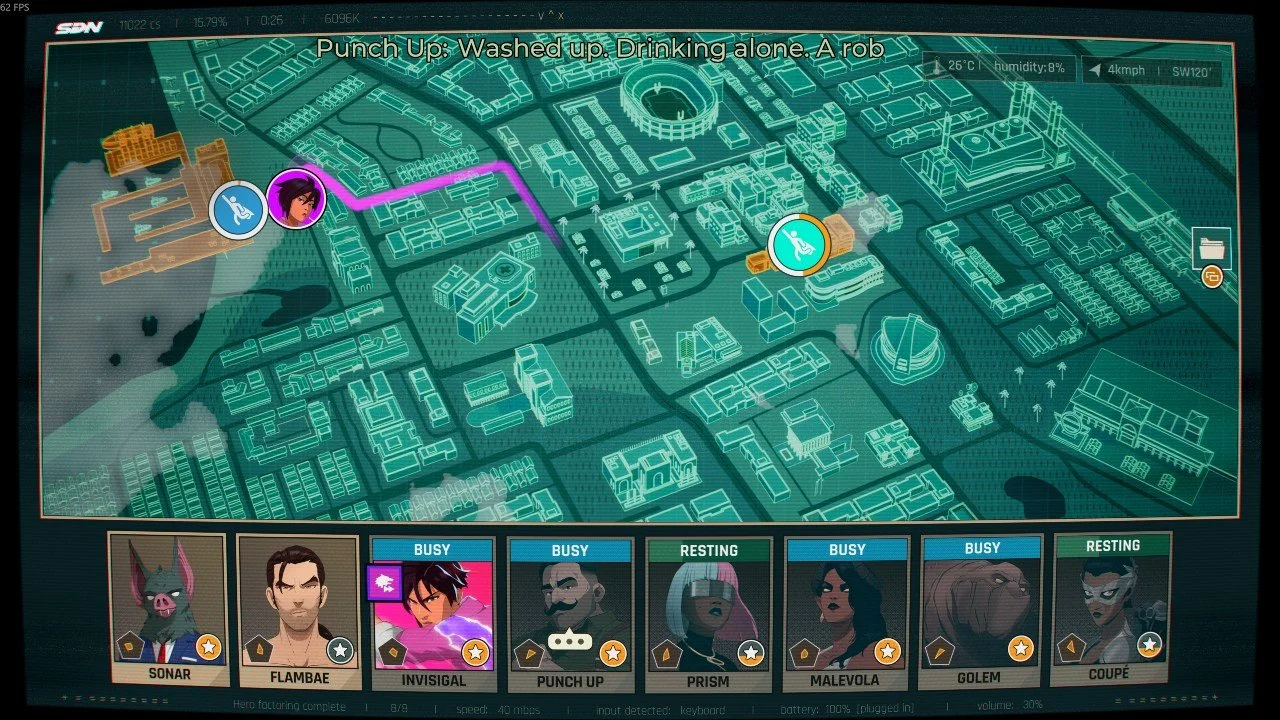
The gameplay centers around “dispatching” — managing calls, making moral choices, and responding to situations that blend narrative tension with light interactivity. It’s a refreshing mechanic that fits beautifully with the game’s themes of responsibility and consequence. That said, the pacing of these early chapters might test some players’ patience. The slow burn works well to establish tone, but I couldn’t help feeling that one additional chapter could’ve made the introduction more balanced and brisk without losing its emotional grounding.
Expectations & Verdict
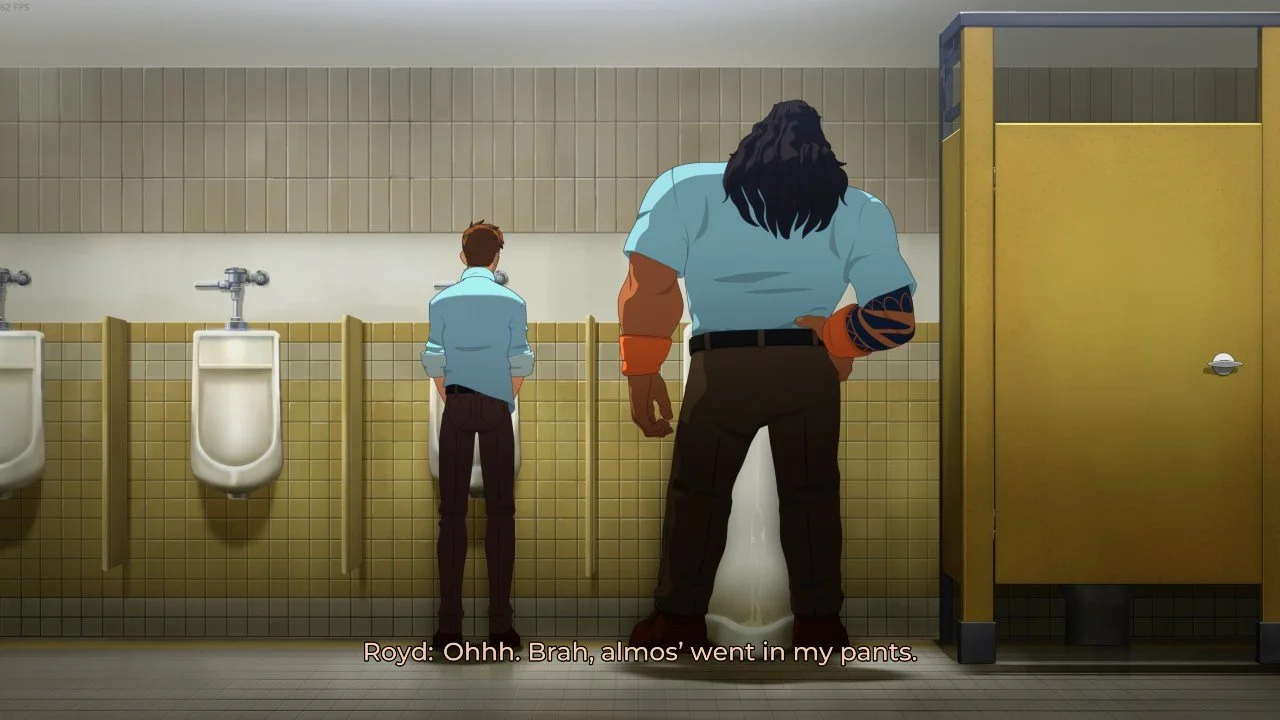
So far, Dispatch is shaping up to be everything I hoped for from Adhoc Studio’s debut — a gripping, story-driven experience with heart, cinematic flair, and a clear understanding of what made Telltale’s classics so special. The pacing is a bit sluggish early on, but the writing, performances, and presentation more than make up for it.
If future chapters can build on this foundation with stronger momentum and deeper player impact, Dispatch has the potential to stand as a true successor to Telltale’s legacy — one that both honors its past and carves out a bold new identity.
Verdict (Early Chapters): A promising start with powerful storytelling, stellar performances, and a stylish world — just waiting for the narrative engine to kick into high gear. And with a clear release schedule it makes the wait a bit more bearable.
Chapter 3 & 4 review coming soon!