Not too long ago, casinos and video gaming used to be two separate worlds, but it seems that they are slowly merging.
On one hand, we have traditional casino games like roulette, blackjack, and slots, and on the other, we have first-person shooters, sports games, and RPGs. But it seems like both worlds have adopted something from one another.
The casino industry has adopted some multiplayer practices and gameplay modes, while the gaming industry has adopted loot boxes and slot-like mechanics.
So, what’s going on here? Is gaming just borrowing mechanics to keep things exciting? Or are we seeing the lines blur in a way that’s reshaping both industries, or maybe our brains?
Let’s dig deeper into the loot box mechanics that are taking over games
What Exactly Are Loot Boxes?
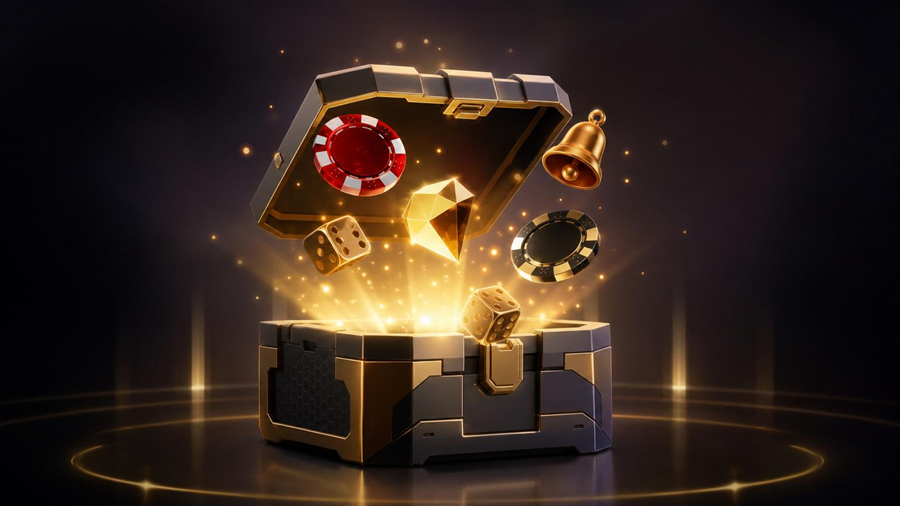
Do you remember how loot boxes were introduced in games? They were all innocent enough, like a little mystery pack of virtual goodies (stuff like cosmetics and other in-game awards). You’d earn one after a match or buy one for a couple of bucks, hoping to unlock a rare skin.
But here is the catch: You never really know what you are going to get. It’s random (at least that’s what the developers are saying).
So, what’s the real difference between pokies and video game loot boxes? Wait, you wonder what are pokies?
Pokies or poker machines, are a slang term for a slot machine that is commonly used in Australia. There are plenty of pokies online that have similar mechanics to video games.
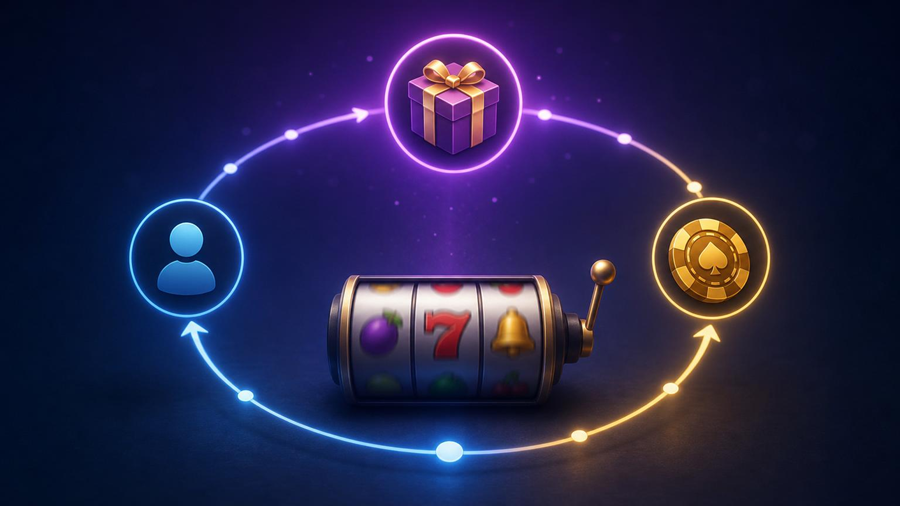
You spin the reels, don’t know what reward you are going to get, and you hope that the RNG system plays in your favor. Pokies are quite popular in Australia, which is probably why these loot box mechanics work so well with gamers.
The only difference is that video games occasionally reward you with free loot boxes (after completing some in-game tasks or reaching a higher level) and with pokies you have to pay for every spin (unless you manage to get some free spins).
So, the randomness of these loot boxes is exactly the appeal.
Whether it’s EA FC Ultimate Team card packs, Overwatch loot boxes, or Rocket League flashy balls, this mechanic in video games hits the same dopamine buttons as a slot machine. You open it, get a flashy animation, and boom, junk…useless stuff. Or maybe, just maybe, something ultra-rare.
That’s why loot boxes initiate similar addiction, and after a long gaming session, you feel stuck opening loot boxes one after another.
Some psychologists have compared this to variable-ratio reinforcement, which is the same principle slot machines use to keep players spinning. In other words, the thrill of not knowing what’s coming next is the reason they keep coming back to open more.
Microtransactions and Monetization
Let’s talk about something real. Modern games don’t just include loot boxes just to make games more exciting, right? They monitor them. And the structure often mimics casino logic.
Players get rewarded for daily login bonuses (sort of like free spins), there are time-limited events (that spark FOMO), “whales” are spending hundreds or thousands on rare drops trying to get lure people in, and there are flashy sounds and visual effects that make every win feel epic.
They are exactly like casino games, and their only purpose is to bring money to the game studio.
The scary part is that video games are often aimed at kids, yes, kids that have started using gambling-style monetization. That’s why loot boxes sparked serious debates about regulation all over the world.
Casinos Are Watching… and Learning
As video games integrate casino-style features, the casino industry is watching with interest—and borrowing right back. In 2025, some live roulette apps now feature gamified missions, XP levels, and collectible achievements. They look more like mobile RPGs than old-school casino lobbies.
We also have skin casino sites, especially in games like CS:GO 2.
It’s not unusual now to log into a real-money casino app and see:
● Battle pass-like systems
● Daily quests (“Win 3 spins on Lightning Roulette”)
● Progress bars toward bonus unlocks
● Even slot games with storylines and characters
Why? Because game developers know one thing: gamification keeps people playing.
Is It All Bad?
Here’s the thing: not necessarily.
When done ethically and transparently, these mechanics can make both gaming and gambling more engaging. Randomized rewards, tiered missions, and unlockable content can be fun. They tap into natural human curiosity and excitement.
But the problem arises when:
● Spending real money is involved
● Odds are hidden or misleading
● Players are encouraged to keep chasing big rewards with little return
● Young players are exposed without safeguards
It’s not about demonizing loot boxes or casino apps—it’s about asking, “Are we building this to entertain… or exploit?”
What’s Next?
We’ll see how things play out, but at the moment, more game developing studios are adopting these casino-like mechanics since there are no regulations whatsoever. It feels like gambling…and probably is.
So, if you want to enjoy games for free, make sure to stay away from these flashy mechanics. I know the new skin looks cool, but it won’t make you play better, trust me.