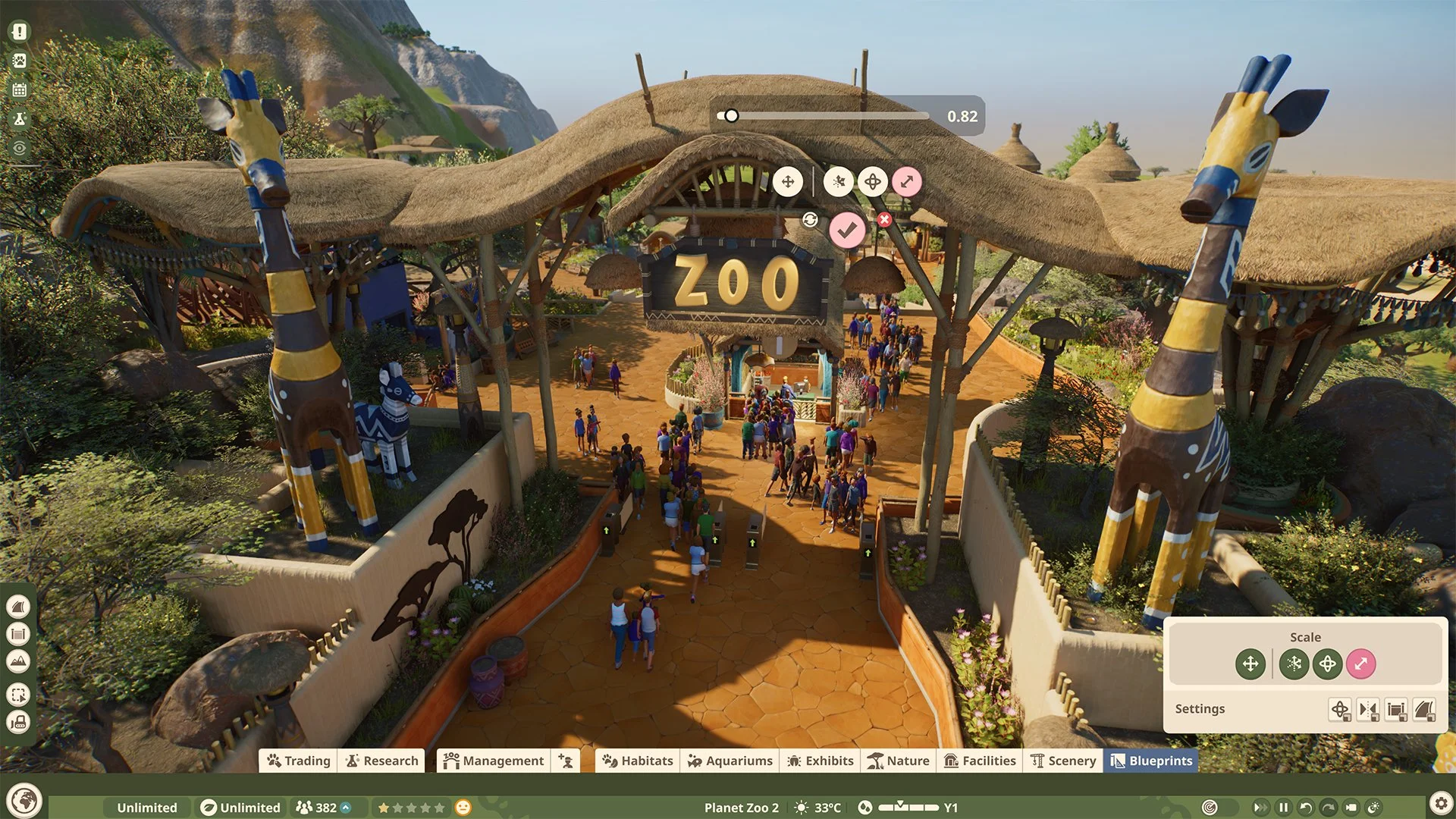
Online gaming spaces look nothing like the simple multiplayer lobbies of twenty years ago. Back then, a handful of text lines and a tiny arena were all players got. Today, millions sign into persistent online worlds where finishing a level is often secondary to simply hanging out. Strangers collaborate across continents, spending hours assembling complex digital towns or managing virtual trade routes. Tech teams finally cracked how to keep servers from melting down when thousands of users pile into the same map. It means folks can actually hang out without the whole game freezing up every two minutes.
Exploring Vast Horizons: Open-World Adventures and Collaboration
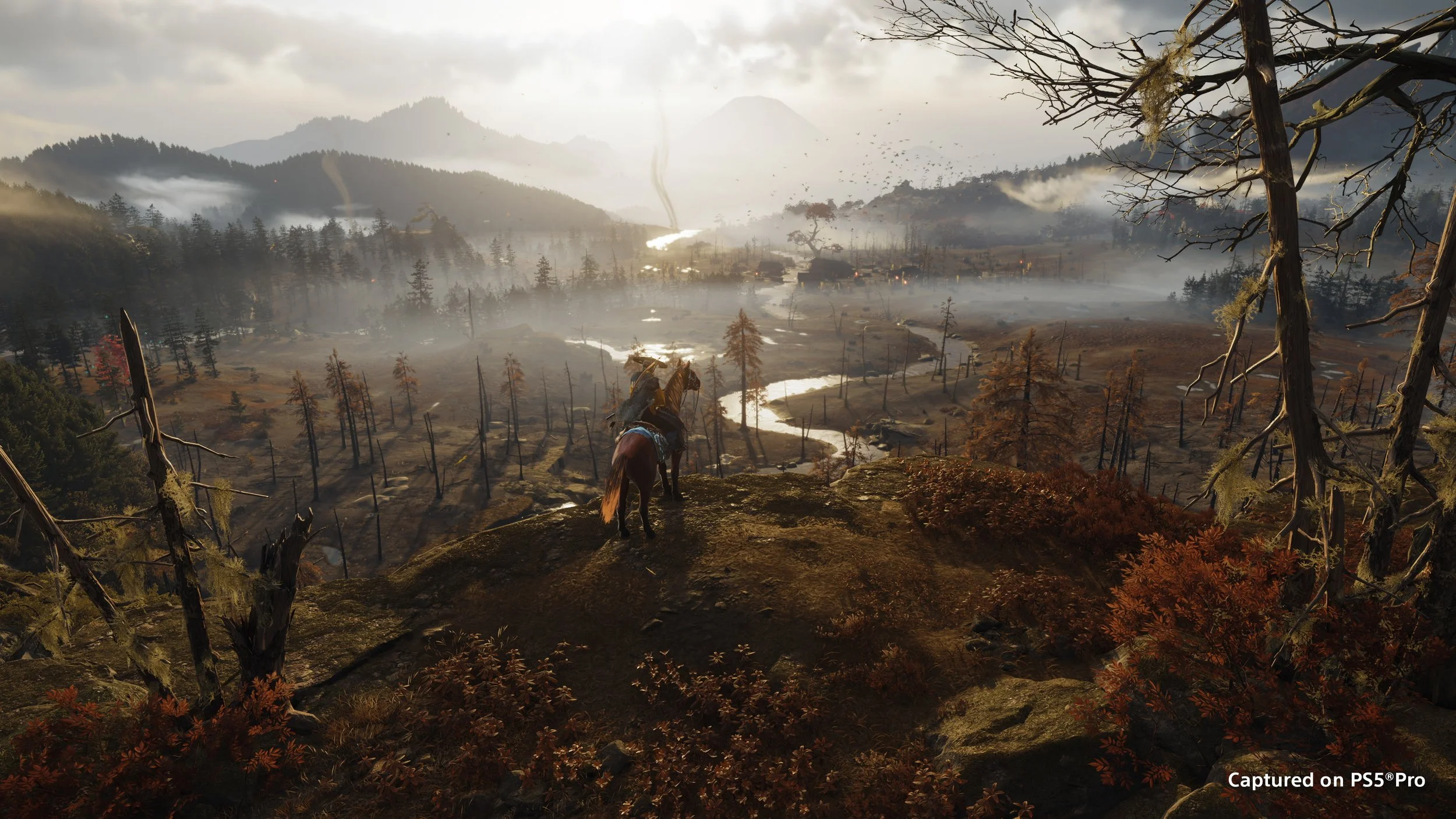
Developers used to herd everyone down narrow paths because older hardware couldn't handle wide spaces. Now, players just drop into massive sandboxes and wander off toward whatever random ruin catches their eye. Teams rarely form through official party finders. Players just bump into each other near a cliff face or a wreck.
Someone shouts a quick warning, another tosses a spare pack, and you are rolling together. Microphones let you hear people laughing at mistakes instead of reading text updates. It feels less like software and more like hanging out on a back deck. Veterans drop gear for fresh accounts, keeping the culture welcoming.
Digital Landscapes and Interactive Entertainment
The software world keeps expanding past standard gaming genres into all kinds of interactive web spaces, and casual browsing habits have shifted along with it. Someone might spend an evening bouncing between a story-driven co-op game, a few rounds of something competitive, and eventually land on a site like Casino.org's list of trusted online casinos, which highlights platforms built around lighter, recreational entertainment rather than direct competition.
This reflects how online entertainment now spans a wide range of experiences, from skill-based multiplayer titles to chance-based games designed for casual play. Across these different platforms, developers place a strong emphasis on secure, reliable infrastructure so users can enjoy the experience without constantly worrying about lag or data security.
Cultivating Community Inside Persistent Worlds
You log off, but the world keeps spinning. Player towns keep expanding, markets shift on supply and demand, and rival clans fight over turf for years. That persistence hooks people, making digital spaces feel like second homes.
Developers constantly patch servers so things do not lag out and resources stay balanced. People still hang out at digital campfires or virtual concert venues just to chat about their day or show off custom outfits they spent hours crafting.
The Technology Driving Seamless Digital Integration
Running these giant virtual hubs takes some serious server muscle and plenty of smart backend engineering. Cloud computing spreads the data across multiple warehouses, which keeps lag spikes from ruining massive player battles.
Physics engines render smooth movements and natural lighting so everything feels somewhat grounded instead of robotic. Hardware keeps getting faster, meaning the wall between real life and virtual hangouts keeps shrinking day by day.
The Next Wave of Digital Architecture and Design
It takes a mountain of messy code and hardware tweaking to make a sunset look good, and a server switch happen without kicking everyone off. Engineers spend all day hunting down bottlenecks, rewriting netcode just to shave off milliseconds so a sword swing actually registers the second you click.
Meanwhile, massive server farms burn through data to keep trade markets from crashing when thousands of people flood the zone at once. Hardware companies keep pumping out faster graphics cards and heavy-duty cooling rigs so creators can build bigger maps. Behind every stable virtual world, there is an army of tired techs keeping the whole operation from catching fire while millions of players run around causing chaos.
What Happens After the Servers Go Quiet
Every online world eventually thins out. A launch draws a crowd, the hype dies down, and eighteen months later maybe a few hundred people are still logging in, mostly out of habit at this point. At some point a studio has to decide whether keeping a nearly empty world running is worth the server bill, and usually it isn't.
That's when things get interesting, actually. Fans who don't want to let go start reverse engineering the old client, spinning up private servers with volunteer admins and duct-taped code. Nobody's paying them for this. World of Warcraft private servers ran for years before Blizzard eventually built Classic partly because so many players had already proven the demand existed by refusing to leave.
Where This Is Probably Going
Cheaper bandwidth and faster chips mean a two-person studio can now build something that would've needed a real budget a decade ago. That part isn't controversial; everyone in the industry says it.
What's less clear is how far the "feels like a place, not software" thing can actually go. Voice chat already sounds pretty natural. Movement's gotten less stiff. But there's probably a ceiling somewhere, and nobody working on this stuff seems totally sure where it is yet, which honestly might be the most interesting unanswered question in the whole space right now.