There’s a certain magic behind Japanese Pokémon cards that goes far beyond the mechanics of the game itself. For collectors and fans around the globe, these cards are more than just tools for battle—they’re miniature canvases, carefully crafted with attention to detail, cultural nuance, and artistic expression. While many players are drawn to the competitive edge of English-language cards, a growing community has become fascinated by the artistry and exclusivity of Japanese prints. Whether you're a long-time collector or new to the hobby, understanding why Japanese Pokémon card art holds such power can transform the way you see your collection.
A Cultural Connection That Runs Deep
Japan is the birthplace of Pokémon, and that origin story continues to influence the tone and style of its card art. From the earliest Base Set releases to the latest expansions, Japanese cards consistently reflect a cultural richness that blends fantasy with tradition. Many card illustrations are steeped in Japanese storytelling, folklore, or natural beauty. Artists often draw inspiration from local architecture, landscapes, or even mythological creatures—elements that may not be as prominent in international versions. This cultural depth creates an emotional and aesthetic appeal that resonates with collectors who crave authenticity.
Why the Artwork Feels More Refined
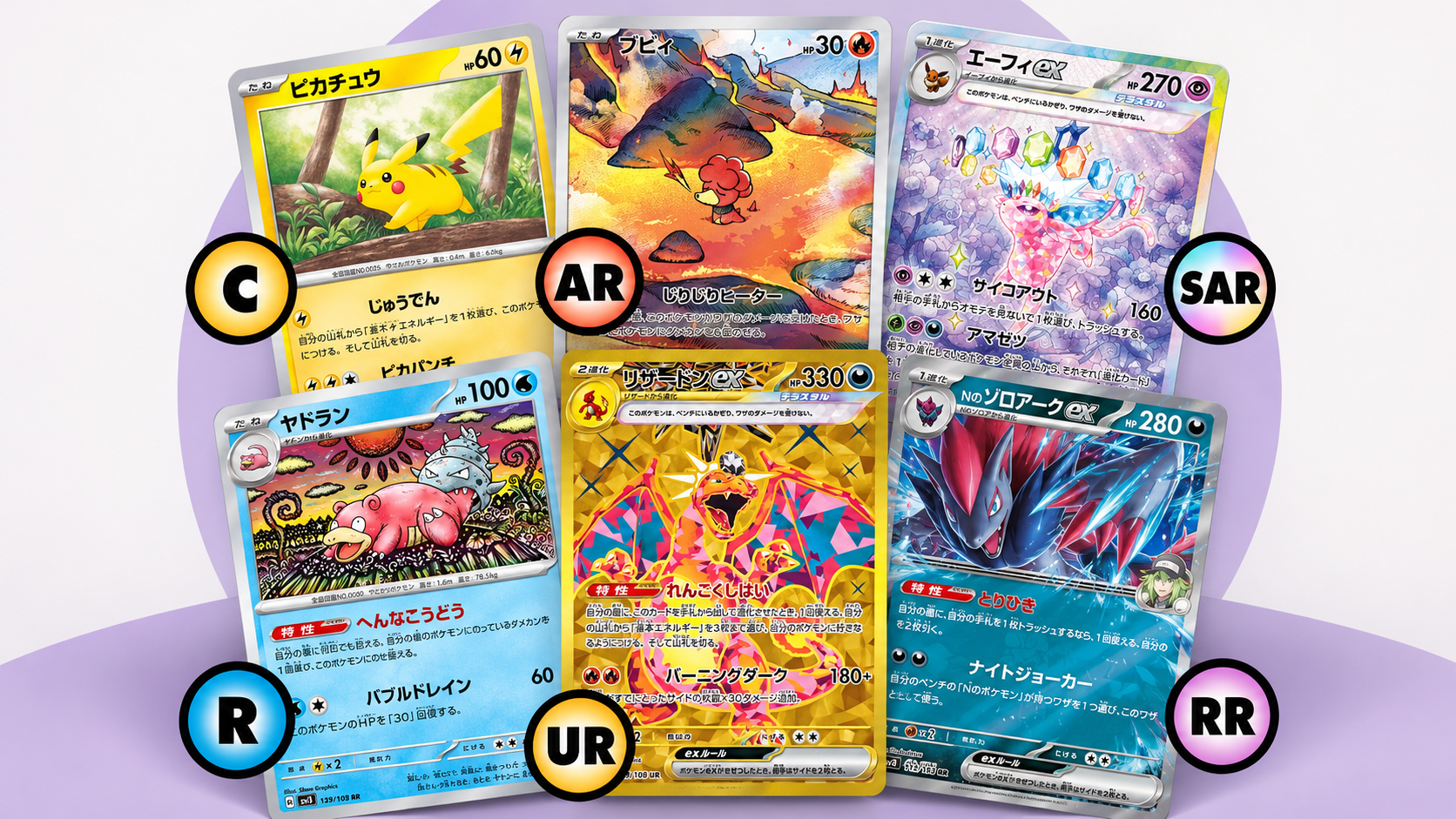
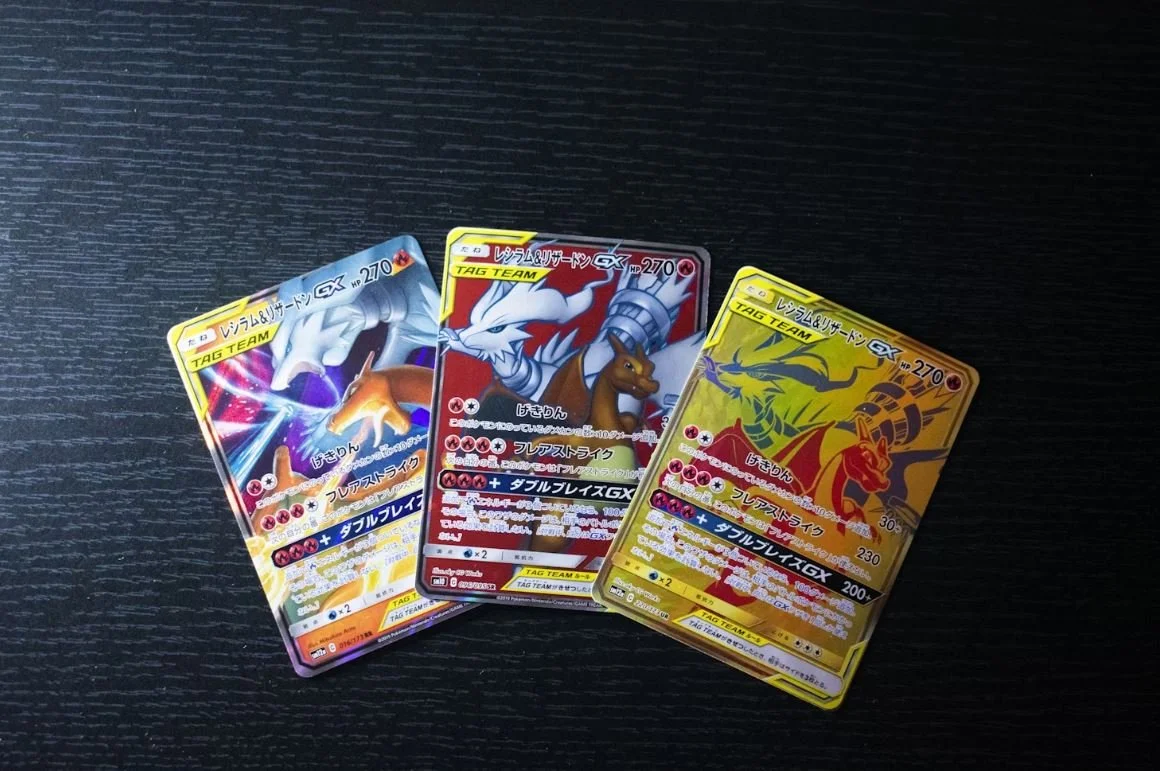
One of the most consistent compliments directed at Japanese Pokémon cards is how polished and vibrant the artwork appears. This isn’t just fan bias—it’s often the result of differences in printing techniques. Japanese cards are usually printed with higher-quality materials and sharper resolution. The colors are more saturated, the lines are crisper, and foil effects are often more intricate. As a result, each card feels like a piece of collectible art, not just a game component. Even simple commons or uncommons can carry visual appeal that stands out in a binder display.
The Role of Japanese Artists in Pokémon’s Visual Identity
While many international versions of Pokémon cards feature work from the same artists, Japan often gets exclusive releases or special collaborations that showcase innovative and stylized interpretations of beloved Pokémon. Artists such as Mitsuhiro Arita, Naoki Saito, and Kagemaru Himeno have become legends in the Pokémon community for their distinctive approaches to illustration. In Japan, card art is treated with a certain reverence—it’s not uncommon for full sets to be curated by artist themes or concepts. This gives each expansion a strong visual identity that appeals to both players and art lovers alike.
Holos, Reverse Holos, and Special Rarities
It’s not just the artwork itself that’s more captivating—it’s also how it’s enhanced through holographic effects. Japanese cards often employ more nuanced holo patterns, such as galaxy foil, textured gloss, and mirror-like surfaces. These techniques elevate even lower-tier cards into desirable collector items. Special rarities like “CHR” (Character Rare) and “CSR” (Character Super Rare) are sometimes introduced in Japanese sets months before the West sees them, if at all. The synergy between the Pokémon and its human trainer depicted in these cards adds emotional storytelling through visual art, enriching the collecting experience.
The Rise of Modern Japanese Sets
In recent years, modern Japanese sets like “VSTAR Universe,” “Shiny Treasure ex,” and “Scarlet & Violet” have captured international attention not just for gameplay innovation, but for visually stunning card art. These expansions lean heavily into storytelling, with each illustration adding depth to the Pokémon world. Full-art trainers, alternate-art Pokémon, and multi-card scenes help blur the lines between card game and fine art. Collectors often pursue full sets for aesthetic reasons alone, building binders based on themes, color palettes, or artist styles.
Why Collectors Are Switching to Japanese Cards
The global shift toward Japanese cards isn’t just about looks—it’s also about value, consistency, and presentation. Japanese cards are often better centered, less prone to factory defects, and more stable in terms of quality control. This makes them more appealing for grading and resale. But even for non-investors, there’s satisfaction in owning something that feels premium. For collectors who once focused only on English releases, discovering Japanese cards can feel like unlocking a secret level of the hobby—one where each card is as much a keepsake as it is a collectible.
Building a Personal Art Gallery Through Cards
Ultimately, collecting Japanese Pokémon cards becomes an act of curating your visual journey through the Pokémon universe. Whether displayed in custom binders, framed on a wall, or admired one by one, each card tells a story. It could be the soft watercolor style of a sleepy Pikachu, the bold comic-book energy of a dynamic Charizard, or the tranquil elegance of a Gardevoir surrounded by cherry blossoms. For many collectors, Japanese Pokémon cards offer something uniquely satisfying: a combination of nostalgia, cultural artistry, and aesthetic joy.
Japanese Pokémon card art is more than just a regional variant—it’s an entirely different experience that celebrates creativity, culture, and design. From higher print quality to exclusive releases and legendary artist collaborations, these cards embody a world that is both deeply nostalgic and refreshingly new. Whether you're a seasoned collector or just beginning your journey, taking the time to explore the beauty and depth of Japanese Pokémon cards can elevate your appreciation for the hobby. For those ready to dive into the scene, check out TrainerTier—your gateway to rare finds and extraordinary art straight from Tokyo to your binder.