Over the past decade, we have seen some incredibly innovative ideas in gaming. There were new approaches to co-op play, monetization, marketing, and even a more altruistic take on how certain IPs are handled. The wide accessibility of AI tools has even encouraged more people to learn how games are produced. More importantly, it made them realize just how much effort goes into creating seemingly simple games.
Even the online casino industry has seen fresh takes on gambling content. There are arcade-like mini-games, new and more efficient ways to handle deposits and withdrawals, as well as new player incentives. A lot of iGaming trends 2025 have to do with player safety, responsible gambling, and privacy policies that all play an important role in user-experience. So, let’s do a recap of how this beloved hobby has changed, and talk about what’s to come in the unique entertainment landscape.
Cross-Platform Play
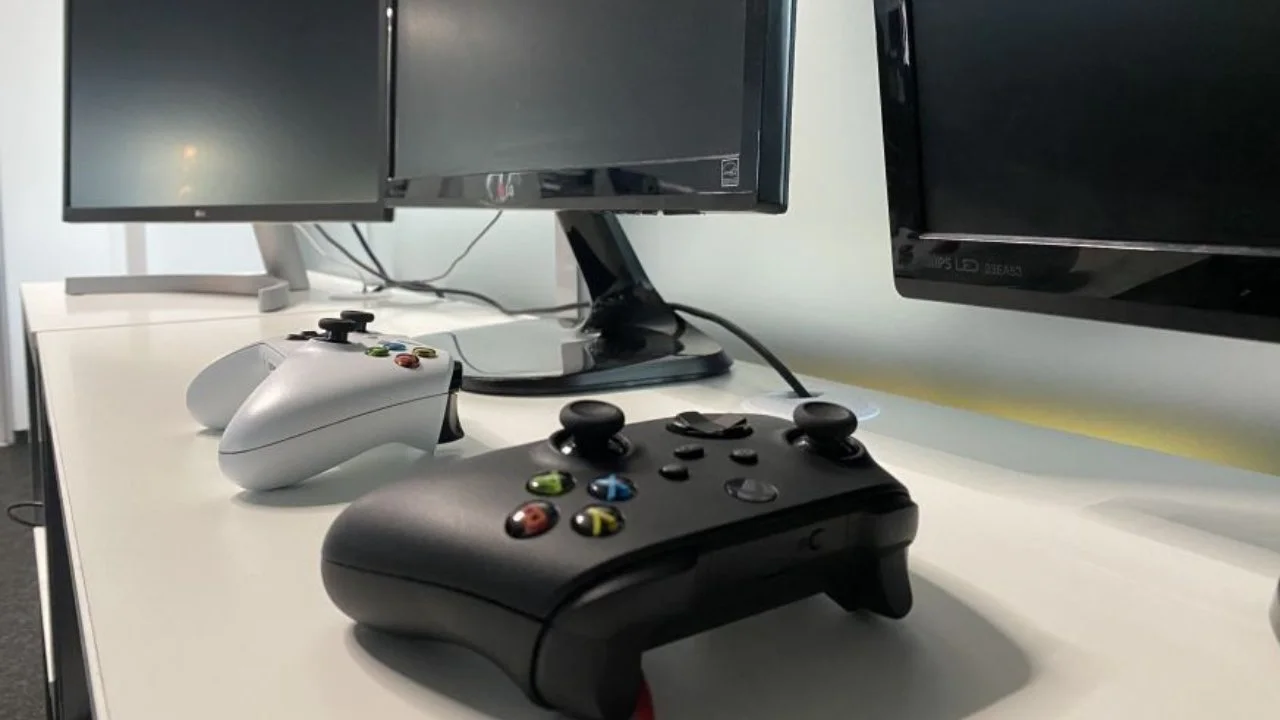
It’s difficult to grasp why cross-platform play didn’t become a thing sooner. But if you take into account how main game distributors operate and how console exclusives are driving sales, it becomes more apparent why cross-platform play is hard to facilitate. Bigger companies that have strong server infrastructure can create an environment where cross-platform is supported, but that’s not the only challenge.
The games are usually developed for consoles and PC separately, and certain genres like battle royale and MOBA are a lot easier to play on PC. This means that having cross-platform matchups would create an unfair advantage for one group of players. Luckily, the boundaries between PCs and consoles are evaporating with every new generation. Case and point, you can have a mouse and keyboard on consoles too. So, it’s possible that we will see more releases that support cross-platform play in the future.
When it comes to games that are optimized for mobile, cross-platform play is always supported. Online casinos that you can find through Casinosanalyzer.ca are all browser-based, so you can play on PC, console, and your phone. This is great when you play more social games, like live dealer blackjack or online poker. You will likely find more people at the virtual table and have a shared gaming experience.
Cloud Gaming
Cloud gaming has opened up new monetization opportunities and made the latest games way more accessible. Players don’t need as much space on their PCs in order to play, and they can even run games that their current configuration wouldn’t support. Not only that, but having more space on your hard drive is crucial if you want to have access to more AAA games. Given the size of modern games, it’s great when you don’t need to install every single title on your own storage.
Short-Form Play
A huge chunk of the gamer population is busy people who don’t have more than 2 hours a day to play. Developers are very cognizant of this fact, and their design decisions reflect this awareness. A lot of modern releases are designed in a way that allows players to have meaningful game sessions or make in-game achievements within an hour or so. Of course, there are still titles that don’t shy away from asking players to commit more time to the grind, and hardcore gamers actually prefer them.
This is one of the main differences between Diablo IV and Path of Exile 2. Diablo is aimed at action RPG fans who have a busy schedule, whereas POE has a deeper system for customization that rewards a bigger time investment.
Growth Regions
In the past gaming industry was mainly associated with Western countries and Japan, but things have drastically changed. You have big gaming studios in all regions of the world:
Southeast Asia - Garena International, Virtuos
MENA - Dizzaract Games
Latin America - Etermax
One of the best games that was recently released, Black Myth Wukong, came from China’s studio Game Science. This only goes to show how the market is hungry for different narratives, philosophies, and story structures in games.
New Monetization
A decade ago, it seemed that lootboxes would become a new industry standard for monetization, which didn’t resonate well with a lot of gamers. Luckily, lootboxes aren’t as prevalent as everyone feared, and things like battle passes, expansions, deluxe editions, and DLC characters became more common. Also, paid subscriptions were mainly associated with World of Warcraft, but now PlayStation, Xbox, and even some game studios are implementing this monetization method.
Also, simply selling cosmetics is a lot better than lootboxes, because it doesn’t rely on the same psychological tricks that the gambling industry uses. This makes games safer for younger players.
What’s Next
There’s still a lot of room to grow, and some recent examples might indicate where the industry is heading. Baldur’s Gate 3 is an example of an incredibly successful game that is rarely on sale, because it managed to stay relevant for a very long time. It managed to pull it off through user-generated content in the form of mods, and big studios are rarely eager to allow this. Now that there is solid proof of how this can work, we might see more studios embrace this concept.
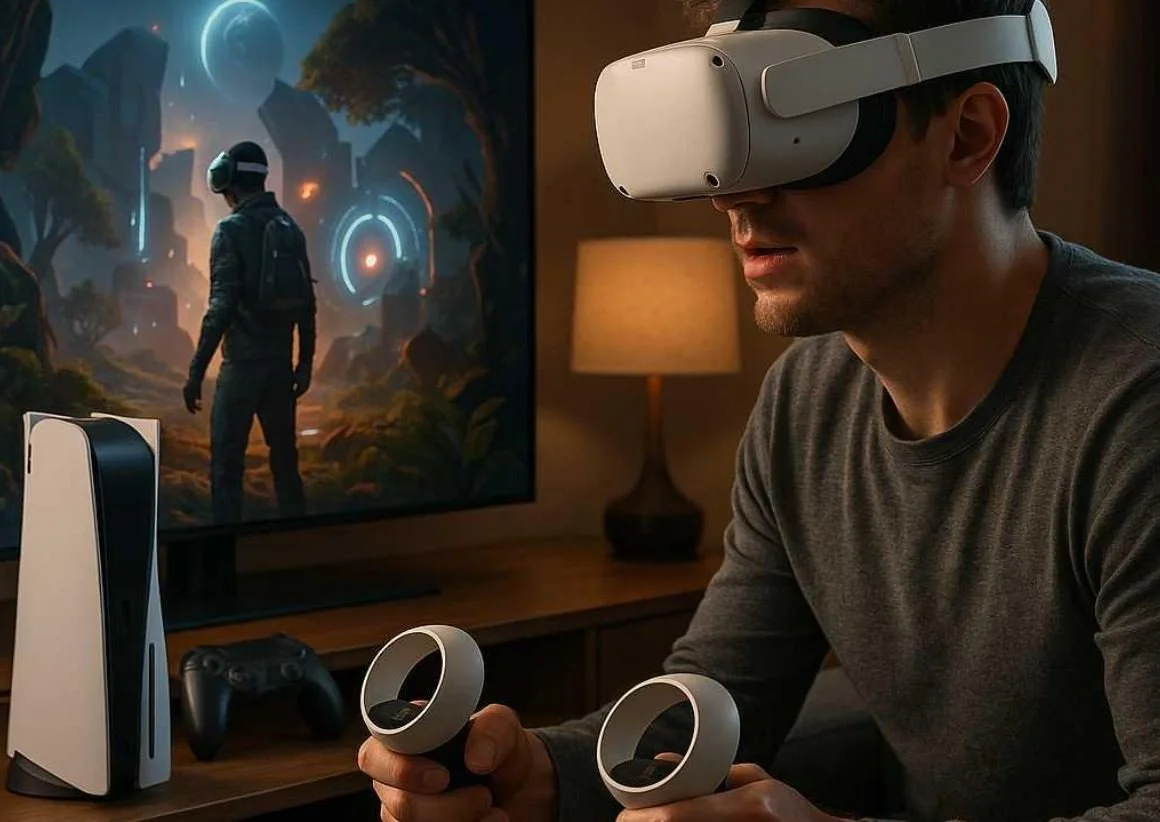
VR and AR games are yet to shine, even if the technology has been around for over a decade. Once a big AAA blockbuster emerges, we’ll likely see more investments in these projects too. AI also opened up loads of possibilities, but it made botting in games more prevalent as well. So, it’s possible we’ll see more systems that detect AI behaviour in games or more complex mechanics that aren’t compatible with this mode of play.