Grand Theft Auto VI. Has any game ever spent quite so much time being played before anyone can actually play it?
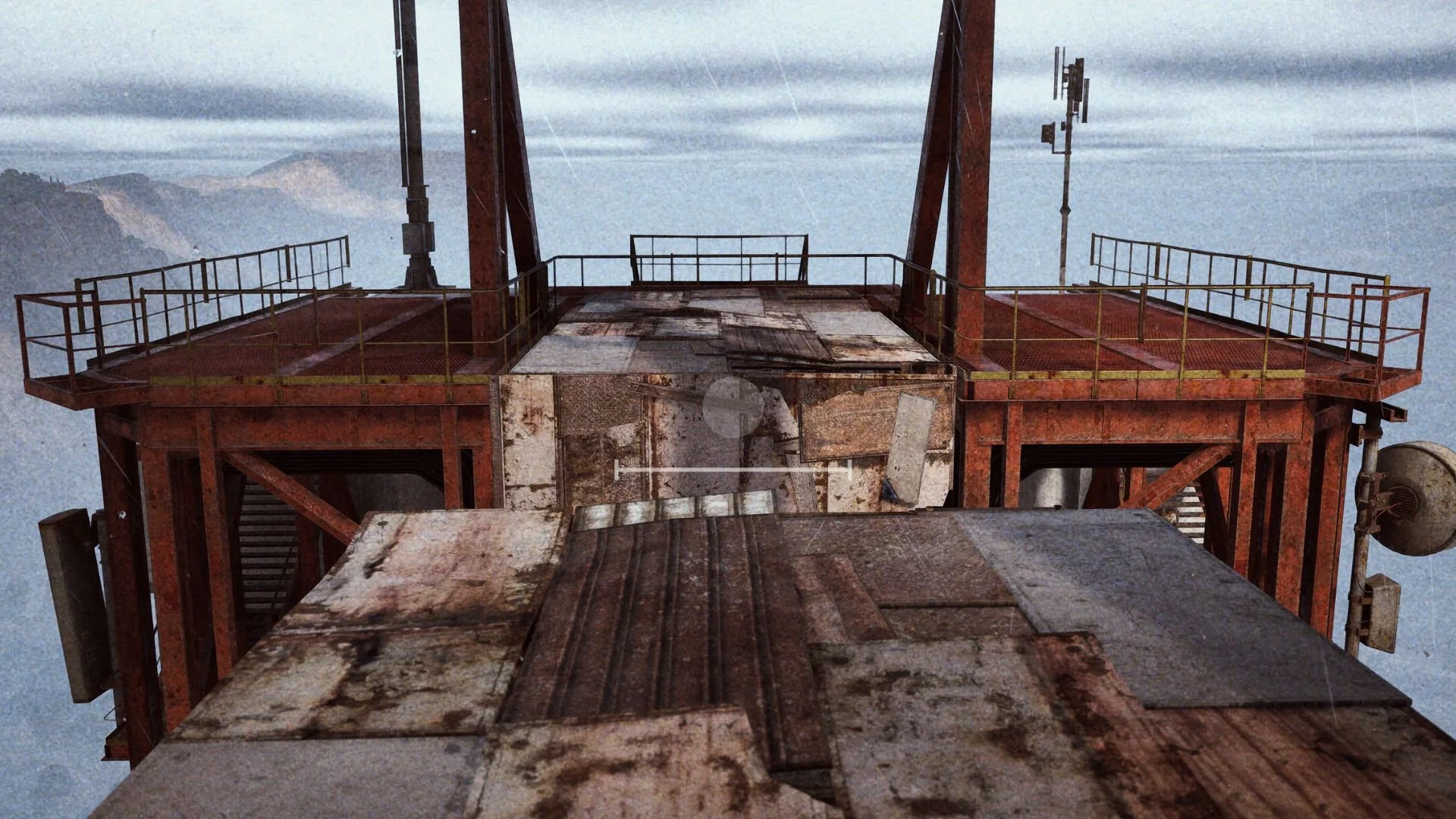
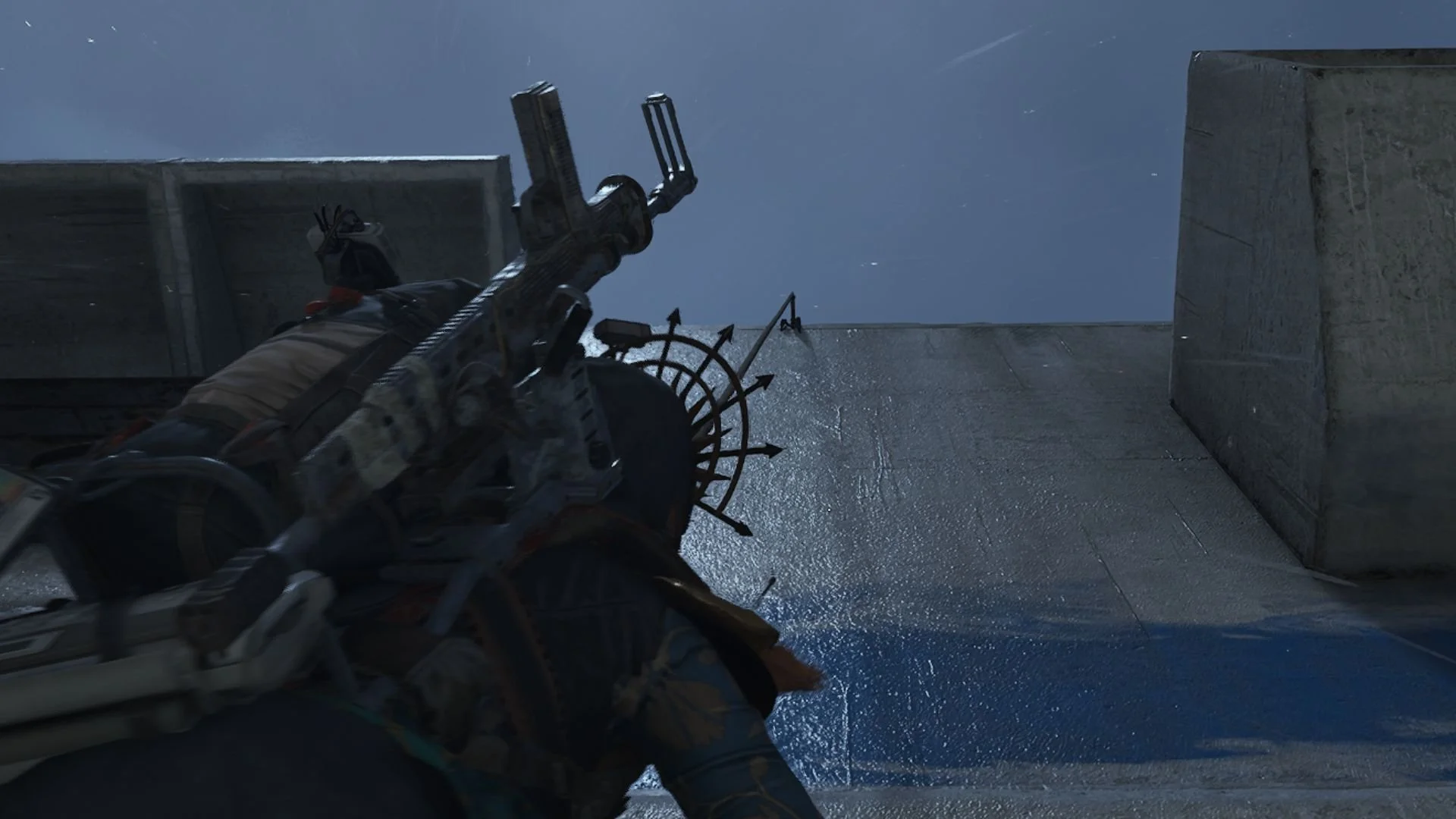
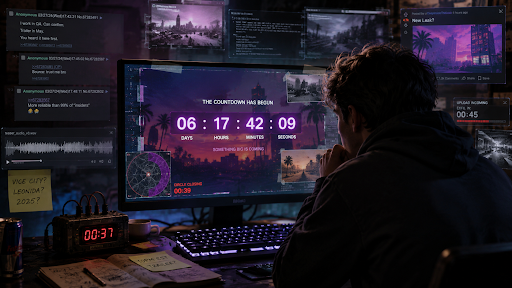
Rockstar had originally lined up its official extended look at GTA 6 for August 27. But, because apparently waiting a few days was far too much to ask, leaked clips have been ricocheting around the internet all week.
Take-Two has even gone as far as subpoenaing Microsoft and Discord to identify the people behind the leaks, while the community is once again doing what GTA communities do best: freeze-framing blurry footage like it contains the Rosetta Stone.
The absurd thing is that those leaks probably wouldn’t feel quite so charged if we didn’t already know exactly when Rockstar intended to show us more. Our feeds have been awash with Substacks and think pieces asking whether this is the end for the franchise, never mind the upset around its burgeoning partnership with Netflix.
Without that fixed reveal date, this could’ve been another rumor drifting around Reddit for a week before disappearing into the great digital graveyard of supposedly “confirmed” GTA leaks.
Instead, we’ve felt the urge to dissect a ten-second clip because just hours later, Rockstar could confirm or contradict half of it. The deadline didn't just give us something to wait for; it made everything before it feel more important.
And that got us thinking: countdowns have been pulling this trick on gamers for decades.
A Deadline Turns Uncertainty Into a Thing
Put a deadline around an uncertain outcome, and suddenly, we stop treating it like ordinary uncertainty.
“Something’s going to happen eventually” is vague. “Something will happen before this timer expires”? That’s a whole different proposition.
You’ll know this if you’ve spent any meaningful time inside the Counter-Strike universe. Before the bomb goes down, there’s room to probe a site, hold an angle, fake a rotation, or spend an unreasonable amount of time staring at a doorway because somebody definitely made a noise over there.
Once it’s planted? Same map, same guns, completely different priorities.
Attackers no longer need to hunt down every surviving opponent, while defenders suddenly have a hard limit on how long they can wait for the perfect retake. That lovely flank might still be tactically sound, but if it takes twenty seconds too long, then congratulations on your excellent positioning while the bomb explodes.
This is exactly what’s happening around GTA 6. Rockstar’s official premiere became a fixed point in the distance, so leaks grew more urgent, and speculation suddenly acquired an expiry date in order to beat it.
Now Put a Clock Around Randomness
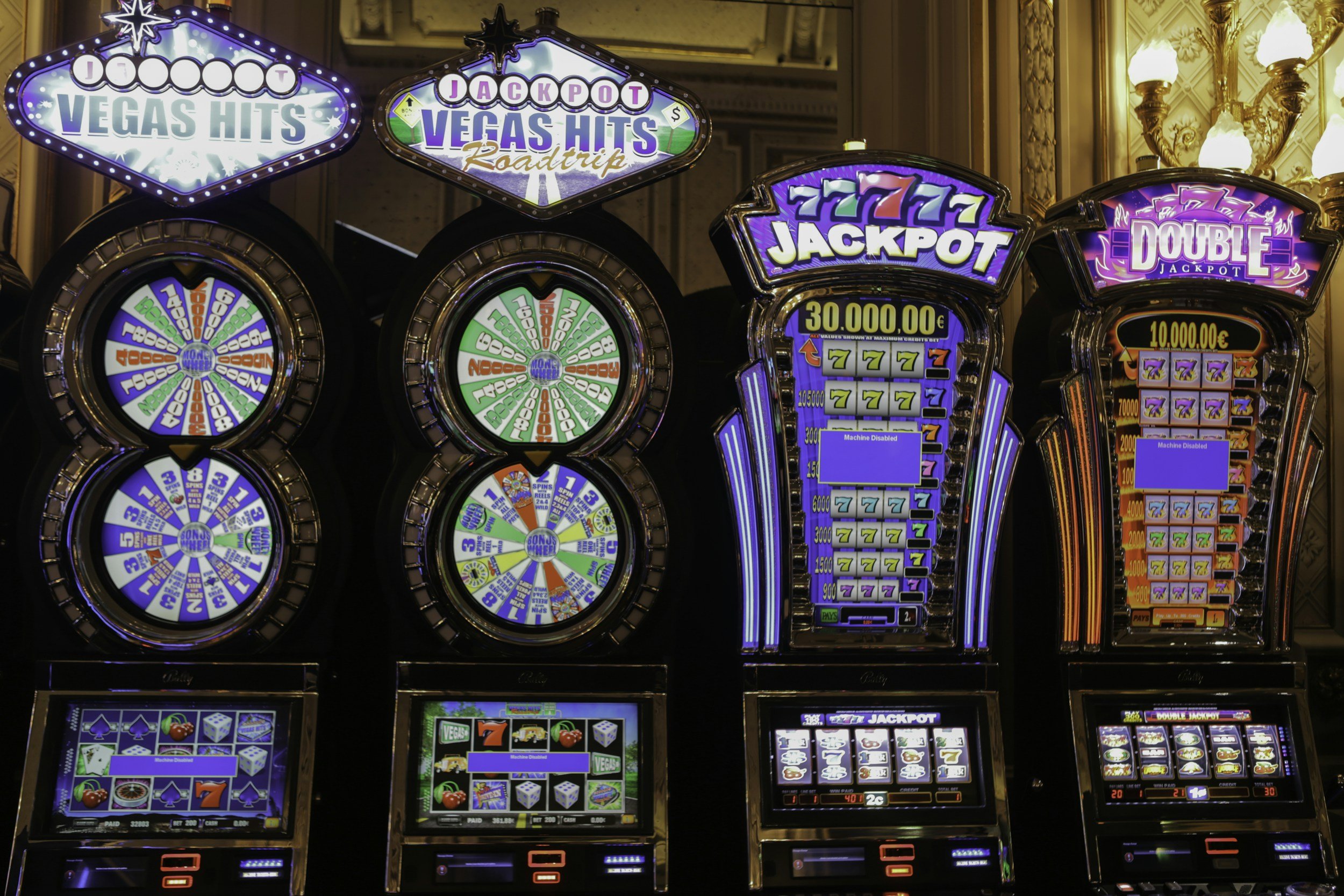
Stay with us, because there’s another layer to add when you factor randomness into the equation. And online casino gaming has its own particularly neat example in a timed-jackpot format known as hot drop jackpot games.
What makes these useful to our slightly wacky thesis here isn’t simply that there’s a jackpot attached—that’s standard fare as far as slots and casino gaming as a whole goes. It’s that certain tiers in hot drop jackpots intentionally put a hard boundary around an otherwise uncertain event: the hourly jackpot must drop within its hourly window, the daily version within its daily one, and so on.
There’s no way to predict the exact spin that will trigger said jackpot. But for the entirety of the gameplay, you do know that “eventually” has a fixed endpoint, and that it’s all tied up with when the clock runs out.
See the connection?
Rockstar fans didn’t know exactly what the Netflix extended look would show, just as a timed jackpot doesn’t reveal exactly when it will trigger until it does. Deadlines don’t necessarily remove randomness… they give it edges.
It's not exactly surprising, then, that hot drop jackpots have gained so much popularity in recent years: they simply tick all the boxes for what players want in terms of suspense and anticipation, making them the gold standard of the slots universe. A lot of other games are drawing on that exact setup as a result.
Dead Rising Made Time Feel Like a Resource
Still think we’re stretching this theory? Cast your mind back to Dead Rising, Capcom’s wonderfully stressful 2006 zombie sandbox.
Its 72-hour structure didn’t merely stick a timer in the corner to make things look urgent. It dictated what Frank West could realistically accomplish. Case files moved on, and spending too long messing about with a shopping cart and a horde of zombies meant something more important might be happening elsewhere.
Annoying? Sometimes. But that was exactly why we loved it.
Without the clock, Willamette becomes a zombie playground where you can eventually mop up everything. With it, time becomes another resource. Suddenly, the question isn’t just “what do I want to do?” but “what can I afford to do before the game moves on without me?”
Battle Royales Put the Timer on the Landscape
Battle royales then brought another layer of countdown-based fun by making the pressure about space, not just time. Give players a massive map and no reason to move, and eventually somebody will discover the competitive potential of hiding behind a shed for thirty minutes.
That’s why PUBG, Apex Legends, and Fortnite started taking the map away.
The shrinking zone is such a familiar mechanic now that it’s easy to forget how ingenious it first was. These games aren’t telling us to stop camping and go interact with another human. They’re making your current positions progressively less viable, so you have no choice but to haul ass out of there!
That building you fought hard to control? Great, except it’s outside the next zone. Perfect high ground? Lovely… shame about the storm!
Again, the timer doesn’t merely hurry things along, but radically alters what you thought was a very good decision to make. Just like in jackpot slots that must drop at a certain time, day, or date, countdown mechanics are embedded into the game, rather than sitting like an alarm clock on top of it.