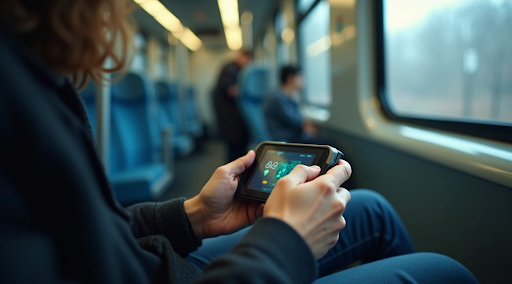
The gaming landscape has shifted dramatically over the past few years, and 2026 marks a pivotal moment for handheld devices. What was once a niche market dominated by a single brand has blossomed into a fiercely competitive arena where hardware manufacturers, software platforms, and chipmakers are all vying for attention. Portable gaming is no longer a secondary experience to console or PC play. For millions of gamers worldwide, the handheld device in their bag is now their primary gaming machine.
Several forces have converged to make this possible. Processor efficiency has improved enough to deliver near-desktop-quality visuals in a pocket-sized form factor. Operating systems designed specifically for handheld play have matured significantly, offering smooth, controller-first interfaces. And a growing library of games optimized for portable screens means there is no shortage of quality content to enjoy, whether you have five minutes or five hours.
The Hardware Arms Race: More Power, More Choice
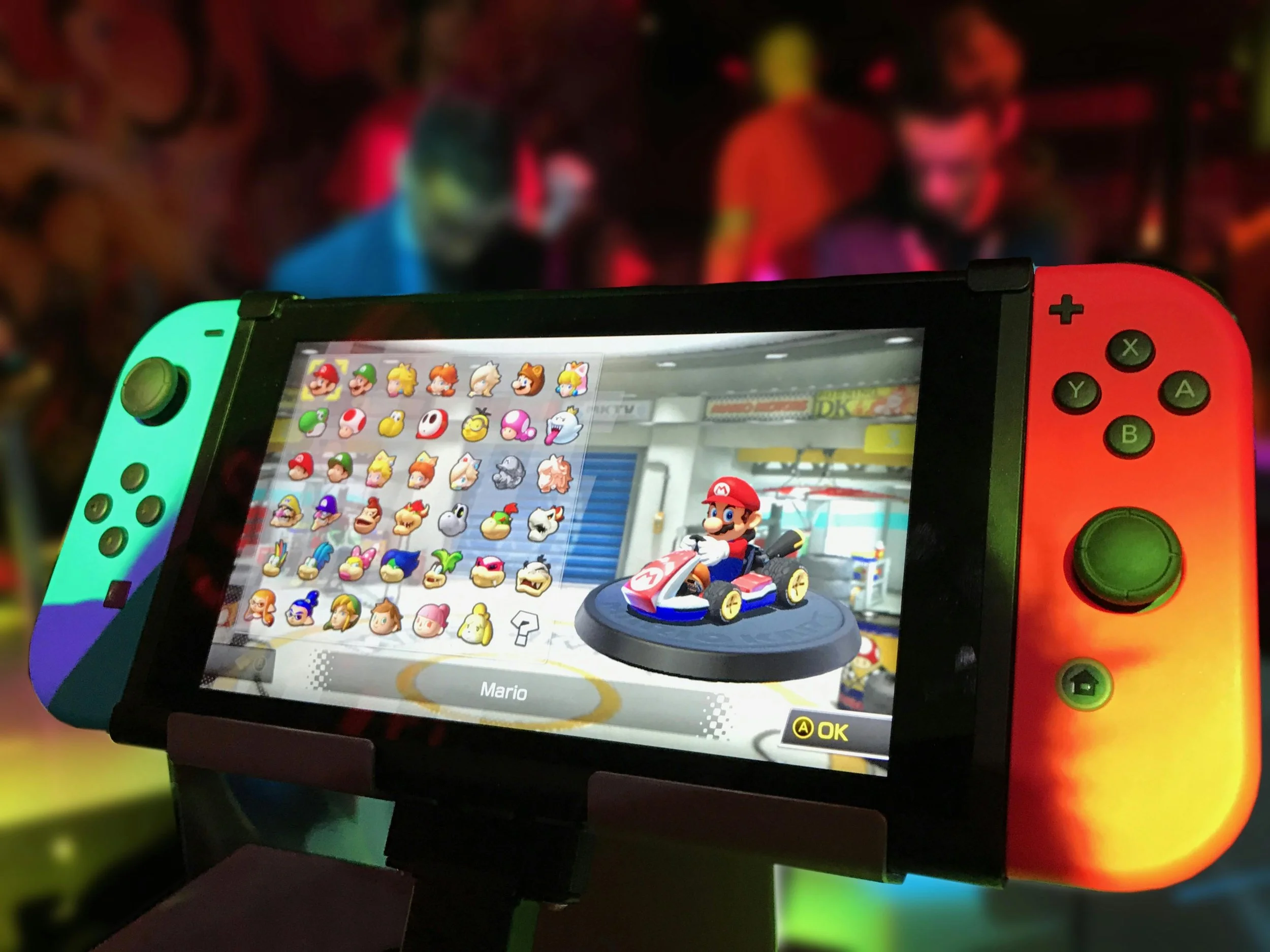
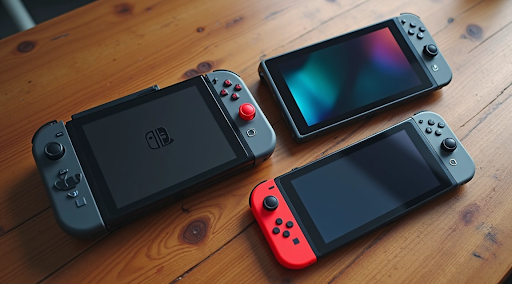
The handheld gaming market in 2026 features more diversity than ever before. The Nintendo Switch 2 has arrived with a 7.9-inch display, a custom Nvidia chip supporting 4K output when docked, and access to Nintendo's unmatched library of first-party titles. For fans of Mario, Zelda, and Metroid, the Switch 2 represents a generational leap that keeps Nintendo firmly in the conversation.
On the PC gaming side, Valve's Steam Deck remains a beloved option despite showing its age in raw performance. Its true strength lies in the SteamOS ecosystem, which has proven remarkably efficient at squeezing performance from modest hardware. The Lenovo Legion Go 2, running SteamOS on AMD Ryzen Z2 Extreme silicon, takes the open PC handheld concept further with an OLED display and detachable controllers. Meanwhile, the ASUS ROG Xbox Ally brings Windows 11 and Xbox Game Pass integration into a sleek portable package.
Benchmarks published by Ars Technica revealed that SteamOS consistently outperforms Windows 11 on identical handheld hardware, with frame rate advantages ranging from eight to thirty-six percent across tested titles. These findings have pushed the conversation beyond raw chip power toward operating system optimization, a factor that will likely shape purchasing decisions for years to come.
Software Ecosystems and the Battle for Loyalty
Hardware specifications grab headlines, but the real competition is playing out in software ecosystems. Valve's decision to license SteamOS to third-party manufacturers was a watershed moment. The Lenovo Legion Go S became the first non-Valve device to run SteamOS officially, and more manufacturers have followed. This open approach mirrors what Android did for smartphones, creating a broad ecosystem of devices at various price points that all share a common platform.
Nintendo, by contrast, continues to operate a closed garden. You can only access its first-party games on Nintendo hardware, and that exclusivity remains a powerful draw. The Switch 2's backward compatibility with original Switch titles means that existing Nintendo owners face minimal friction when upgrading. For many casual and family-oriented gamers, this simplicity is exactly what they want.
Microsoft's strategy sits somewhere in between. The Xbox Ally devices run Windows, giving players access to Steam, Epic Games Store, and Xbox Game Pass simultaneously. However, Windows remains a heavier operating system for handheld use, and Microsoft has acknowledged this by announcing a forthcoming Xbox Experience for Handheld that will minimize background processes to improve gaming performance.
Digital Payments and the Expanding Portable Entertainment Ecosystem
As handheld gaming devices become more capable, the types of entertainment they support have expanded well beyond traditional video games. Streaming services, social media, e-books, and online entertainment platforms are all accessible on modern handhelds, transforming these devices into all-purpose portable entertainment hubs.
This expansion has brought digital payment technology into sharp focus. Gamers routinely purchase downloadable content, seasonal battle passes, and in-game currency through their handheld devices. The expectation of fast, seamless transactions has driven the adoption of instant payment methods across the broader digital entertainment space.
The influence of instant banking solutions is particularly visible in regions like the Nordics and Northern Europe, where services built around real-time bank transfers have gained significant traction. Platforms featured at Brite kasinot highlight how instant deposit and withdrawal capabilities have become a standard expectation for users who value speed and convenience in their digital transactions, whether they are purchasing a game or engaging with an online entertainment service.
For handheld manufacturers and platform holders, integrating frictionless payment options is now a competitive necessity. Consumers expect to move between purchasing a game, subscribing to a service, and engaging with content without encountering slow or cumbersome checkout processes. The companies that solve this problem most effectively will capture a larger share of the growing portable entertainment market.
The Chipmaker Battleground: AMD, Nvidia, and Qualcomm
Behind the screens and software lies a fierce competition among semiconductor companies. AMD currently dominates the PC handheld space with its Ryzen Z-series processors, which offer an efficient balance of CPU and GPU performance in low-power envelopes. The Ryzen Z2 Extreme, found in devices like the Legion Go 2, represents the cutting edge of what is possible in a handheld form factor without compromising battery life.
Nvidia's partnership with Nintendo on the Switch 2's custom chip signals the company's renewed interest in mobile gaming silicon after years of focusing on desktop GPUs and data center hardware. Qualcomm has also entered the fray with Snapdragon G-series processors designed specifically for gaming handhelds. As GameTyrant has reported, chipmakers view handheld gaming as a critical growth opportunity, and the resulting innovation benefits consumers through better performance, longer battery life, and lower prices over time.
The competition extends to display technology as well. OLED panels have become the standard for premium handhelds, offering vibrant colors, deep blacks, and fast response times. Variable refresh rate support, ranging from 60Hz to 120Hz depending on the device, allows for smoother gameplay without the power drain of running at maximum refresh rates continuously.
Cloud Gaming: The Wireless Wildcard
Cloud gaming services continue to evolve alongside dedicated handheld hardware. Xbox Cloud Gaming, Nvidia GeForce NOW, and various other platforms allow gamers to stream high-fidelity titles to virtually any device with a screen and an internet connection. For handheld users, this means access to games that would normally require far more powerful hardware than what fits in a portable device.
The practical limitations remain significant, however. Latency is the persistent challenge, and while 5G networks have improved the situation in urban areas, rural coverage gaps and inconsistent speeds mean that cloud gaming cannot yet replace local processing for competitive or fast-paced titles. Most handheld gamers use cloud streaming as a complement to local play rather than a replacement, accessing specific demanding titles via the cloud while running less intensive games natively.
Wi-Fi 7 adoption in newer handheld devices promises lower latency and more stable connections, which could accelerate cloud gaming viability. Several manufacturers have already incorporated Wi-Fi 7 radios into their 2026 models, future-proofing the hardware for an era when network performance catches up to the promise of game streaming.

What Comes Next for Portable Gaming
Looking ahead, several trends will define the next chapter of handheld gaming. First, the convergence of handheld and mobile gaming will accelerate. The line between a dedicated gaming handheld and a gaming-capable phone or tablet continues to blur, and manufacturers on both sides are borrowing features from each other. Phone makers add physical controller accessories while handheld makers improve their connectivity and app ecosystems.
Second, accessibility features will become a greater priority. As the handheld audience broadens to include more casual players, families, and older adults, manufacturers will invest in customizable controls, audio descriptions, text-to-speech interfaces, and other features that ensure portable gaming is welcoming to everyone.
Third, the subscription model will continue to gain ground. Xbox Game Pass, PlayStation Plus, and similar services offer enormous value to handheld players by providing access to hundreds of titles for a monthly fee. The days of purchasing every game individually are not over, but they are increasingly supplemented by subscription libraries that lower the barrier to trying new experiences.
Handheld gaming in 2026 is defined by choice, competition, and capability. Whether you prefer the curated simplicity of Nintendo, the open flexibility of SteamOS, or the all-in-one approach of Windows handhelds, there has never been a better time to take your games on the road. The devices may be portable, but the experiences they deliver are anything but small.
References
https://gametyrant.com/news/gaming-handhelds-are-becoming-the-new-battleground-for-chipmakers