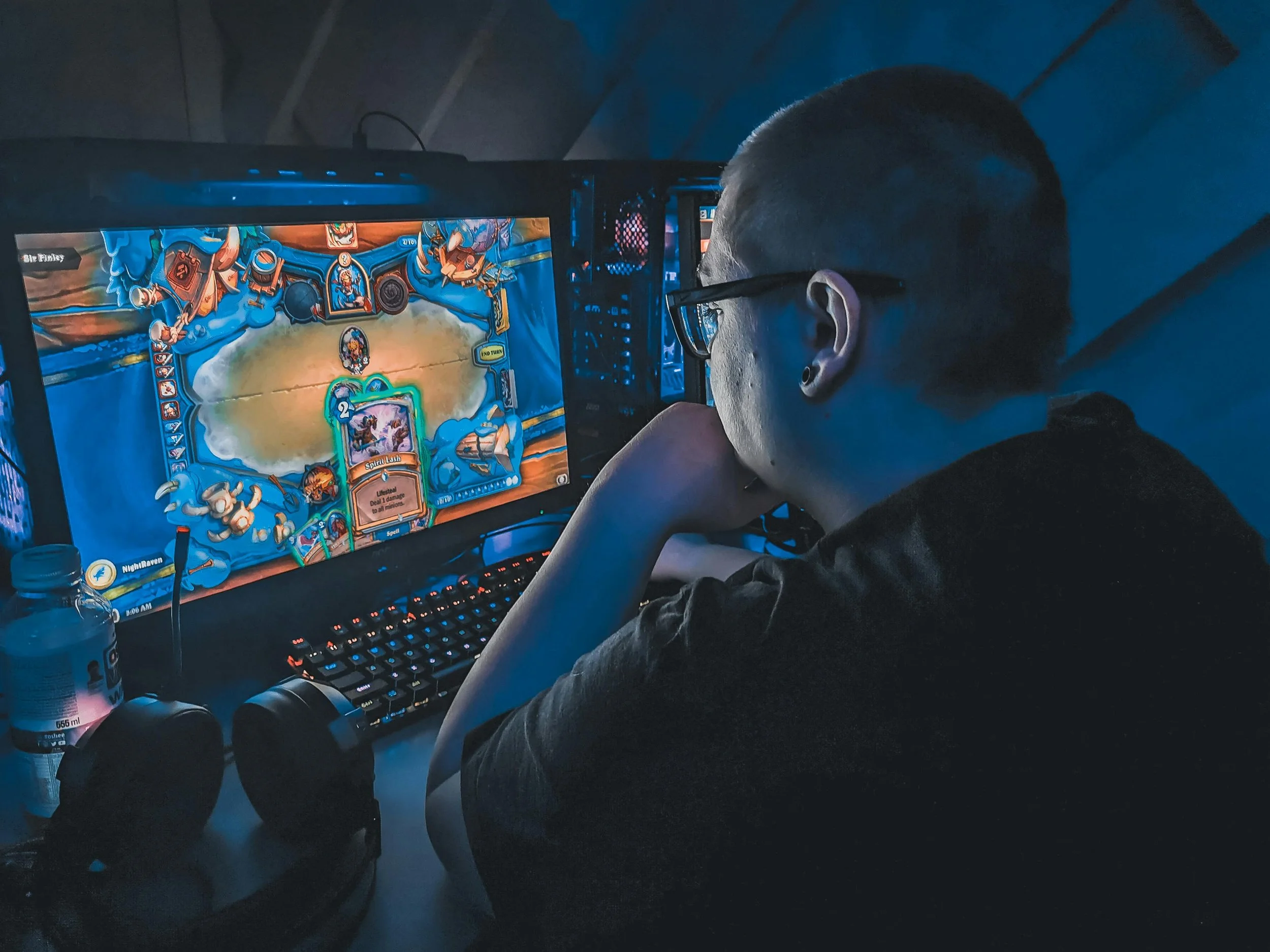
In today’s world, web gaming is not just entertainment. It is a global digital world. In this world, coins, rewards, and items hold real value. With millions of people joining web games daily, they create fast-moving game economies that work just like real-world markets.
These virtual economies are shaped by what players buy, earn, or trade. The system feels simple at first. However, it operates on the principles of demand, value, and smart spending. In this post, we will explore how web gaming is impacting game economies.
A New Type of Game Market
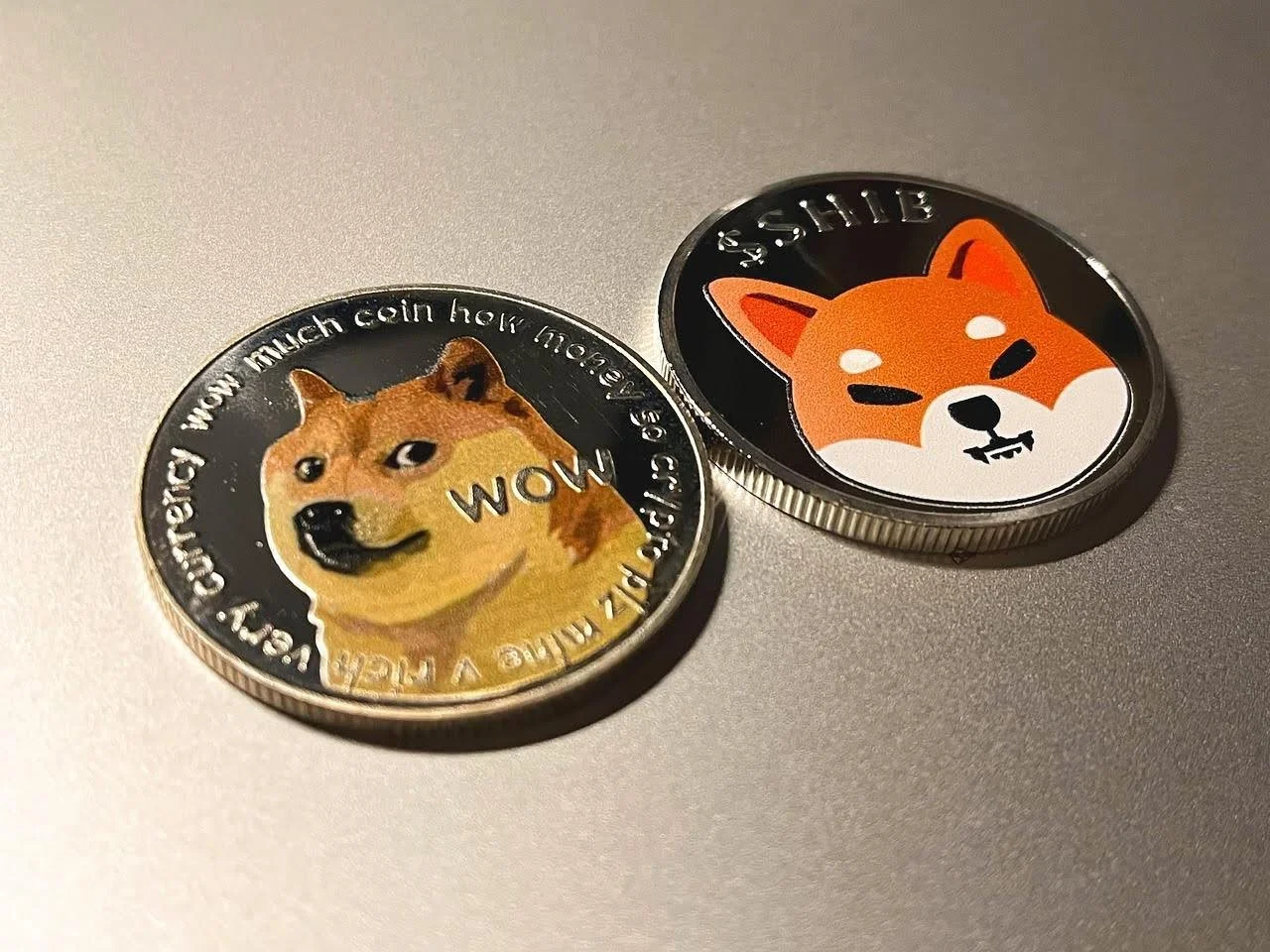
By playing web games, players earn digital currency. Players can earn digital currency by completing levels, winning, and spending real money. These coins can later be used to buy upgrades, unlock features, and even improve gameplay. This helps players stay active, spend wisely, and even think like investors.
One such game, in which digital rewards and player actions directly impact the economy, is the daman game app. This game is the perfect combination of entertainment and competition. It offers a reward-based model that shows how modern web games use economies to enhance user engagement.
How Web Gaming Shapes Virtual Economies
In-Game Currency Drives the Flow
Every game economy starts with its currency. This varies as per games. It can be coins, gems, tokens, or chips. Players can earn or buy them. The more currency in the system, the higher the risk of inflation. Developers should control the supply of currency. This will help maintain balance.
Demand Sets the Price
Web games also let players trade or sell items. Some rare gear items become highly valuable. Collectors usually like collecting these items. Just like in real life, more demand for an item means a higher price. Players get to decide what is hot and what is not. This leads to changes in the market on a daily basis.
Microtransactions Add a New Layer
Little purchases like skins or power-ups usually seem insignificant. But they shape how fast a player can grow. Those who pay more can progress faster, which can change the game’s economy. Developers must ensure that these options don’t ruin the fairness for free users.
Why Developers Must Control Game Economies
The game economies that are unbalanced usually hurt users' trust. If items in games are too easy or too hard to get, players will lose interest over time.
That is why it is important for developers to study user behaviour. They should tweak drop rates, adjust prices, and create time-limited offers to manage the in-game economy without making it unfair for users.
Conclusion
Web gaming is the future of gaming. It will continue to blend fun and finance. Web gaming isn’t just about trading, planning, and winning smartly. With new tech like NFTs and play-to-earn models, virtual items might soon hold value outside the game too.
Game economies are no longer just part of the fun; they’re part of the strategy.