Have you ever noticed that every generation of gaming development thinks it's inventing something new? Loot boxes? Groundbreaking. Procedural roguelikes? A bold new frontier. VR casinos? Never seen before! Except… none of this is really all that new.
Strip away the glossy delivery, and you’ll find the same design skeleton that’s been there since the golden age of arcade gaming. Yes, we’re talking more retro than those retro titles you’ve got queued up on GOG right now!
While gaming chat today might center around cheat codes for loot and spinning casino slots, the DNA of these “modern” systems runs right the way back to the arcade gaming era. Back when “Game Over” didn’t necessarily mean defeat, but to insert another coin, try again, and aim to crack that high score.
Ready to take a trip back in time with us?
The Thrill of the High Score
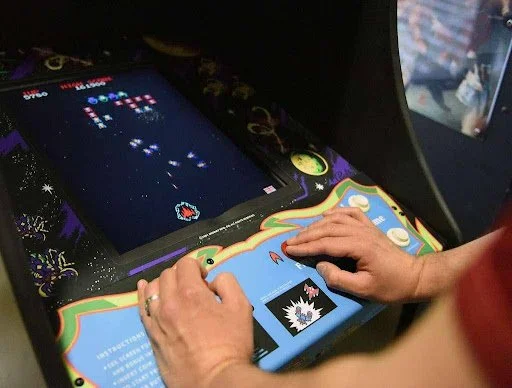
Some of us can remember stepping onto an arcade floor for the first time in the early ‘80s, so trust us when we say we know what we’re talking about. Back then, video games were already weaving their way into our collective psyche with their simple but devastatingly effective premise.
The “three lives and you’re out” system was very much the rage, fueling gaming sessions across Pac-Man, Galaga, and Space Invaders screens the world over. We were hooked, and gladly deposited more and more coins in the slot in the hope of becoming number 1 on the leaderboard.
The game loop set in: risking something small (in this case, a quarter) for the chance of a bigger reward (namely: fame—your name in lights next to the high score). The gaming industry has kept up this mechanic even four decades later, with casino games and gachas both expanding this core concept.
Oh, before we forget to mention it, randomness was also very much a thing here too, long before digital RNGs became a hot topic. Whether we were evading pesky ghosts or shooting down our enemies, run-to-run variance meant some gaming sessions felt lucky, while others were downright cursed!
Revving It Up with Online Slots
Video games in the arcade gaming era might’ve hinted at risk vs reward-based play, but it was slot machines and all their various iterations that truly brought it into its own.
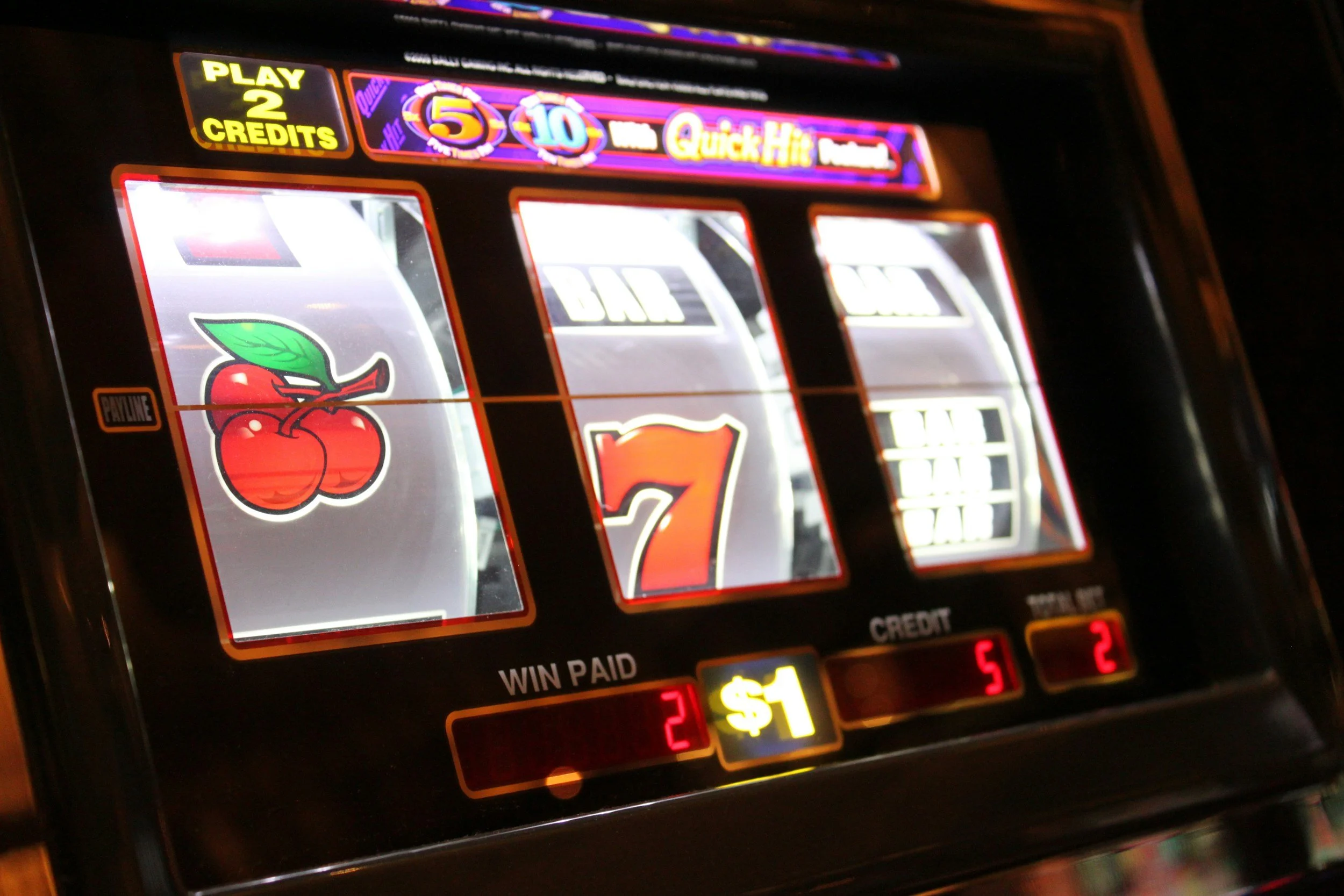
Scattered around the 18+ sections of gaming arcades, land-based casinos (naturally), and local watering holes alike, fruit and slot machines were ubiquitous… and decidedly compelling. Because now, the reward wasn’t just a high score or making your gamer pals jealous; the possibility of hitting a payout was suddenly in play. Casino slots were suddenly huge and very exciting.
Of course, when these casino slots made the leap online, the mechanics became turbocharged. Instead of gears and springs, highly sophisticated software algorithms drove Random Number Generators (RNGs), creating billions of possible outcomes in a fraction of a second.
Factor in AAA video game-quality graphics and compelling themes, and you have the modern iteration of casino slots. However, for all their branching bonus games and HTML5 builds, today’s slots are still powered by those core mechanics of randomness and risk vs reward; they’ve just revved everything up to the nth degree!
How Roguelikes are Running with Randomness
Okay, so over in the iGaming field, it’s certainly slot games that are leading the race to keep randomness and risk vs reward relevant. But in the video gaming sectors, we only have to look at the sheer popularity of roguelikes to find another area where we thoroughly enjoy this approach.
One of the templates the modern genre is formed on, Rogue, hit the likes of the Amiga in the 1980s, and it was pretty radical at the time for introducing procedural randomness as a feature, not a flaw. This dungeon-crawler has since gone down in history for changing the world of fantasy gaming forever, so it was naturally going to be emulated in the years to come…
But who could’ve predicted it would spawn an entirely new genre, which has since become a mainstream obsession? Modern hits like Hades, Dead Cells, Slay the Spire, have all run with randomness, placing it front and center for a gaming audience hungry for a chance to master a system that will never, actually, play out the same way twice.
Risk vs Reward in the Digital Age
If roguelikes made entire games out of randomness, loot boxes and gacha games have repackaged risk vs reward for the eSports generation. The mechanics are simple—and hearken back to slots gaming: open a digital box or pull for a character, and wait and see if you’re going to get an item that aids your gameplay, or is a crushing disappointment.
If you’ve never felt it, the rush when a legendary skin bursts out of an Overwatch 2 crate really is something. But this wasn’t invented by Blizzard; it was borrowed from decades before, and is very much tied in with what makes casino slots so popular. It might be gaming psychology 101 dressed up in anime characters, but it works just as well now because it still speaks to the same core desire that arcade cabinets and fruit machines once did.