There was a time when online casinos felt basic. Early platforms focused almost entirely on functionality, offering digital versions of classic card games and slots without much attention paid to immersion or visual design. Compared to modern gaming experiences, they often looked outdated and repetitive.
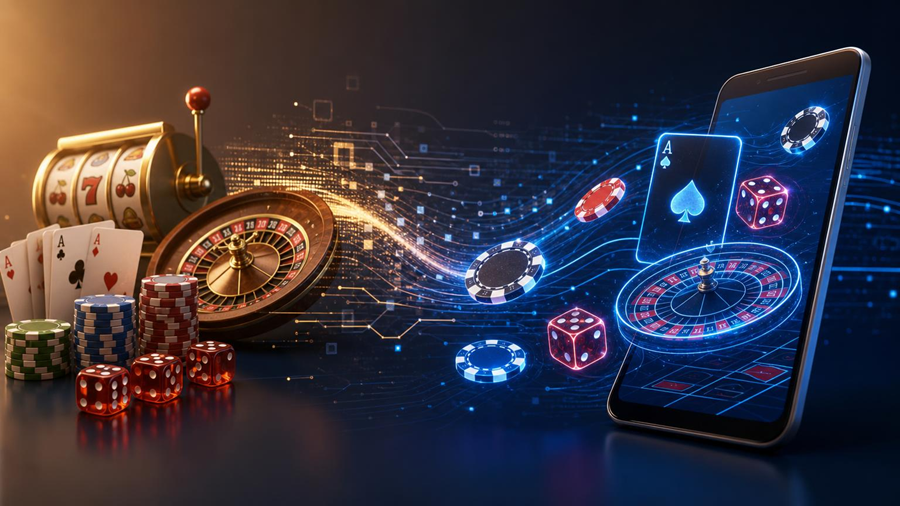
That has changed a lot over the last decade. Today's online casino platforms increasingly resemble modern video games. From progression systems and animated visuals to multiplayer features and live content, the industry has adopted many of the same mechanics that helped mainstream gaming become one of the world's biggest entertainment sectors. For players who grew up with consoles, competitive multiplayer titles and mobile gaming, that evolution feels familiar. The line between gaming and online casino entertainment is now far less defined than it used to be.
Modern design took center stage
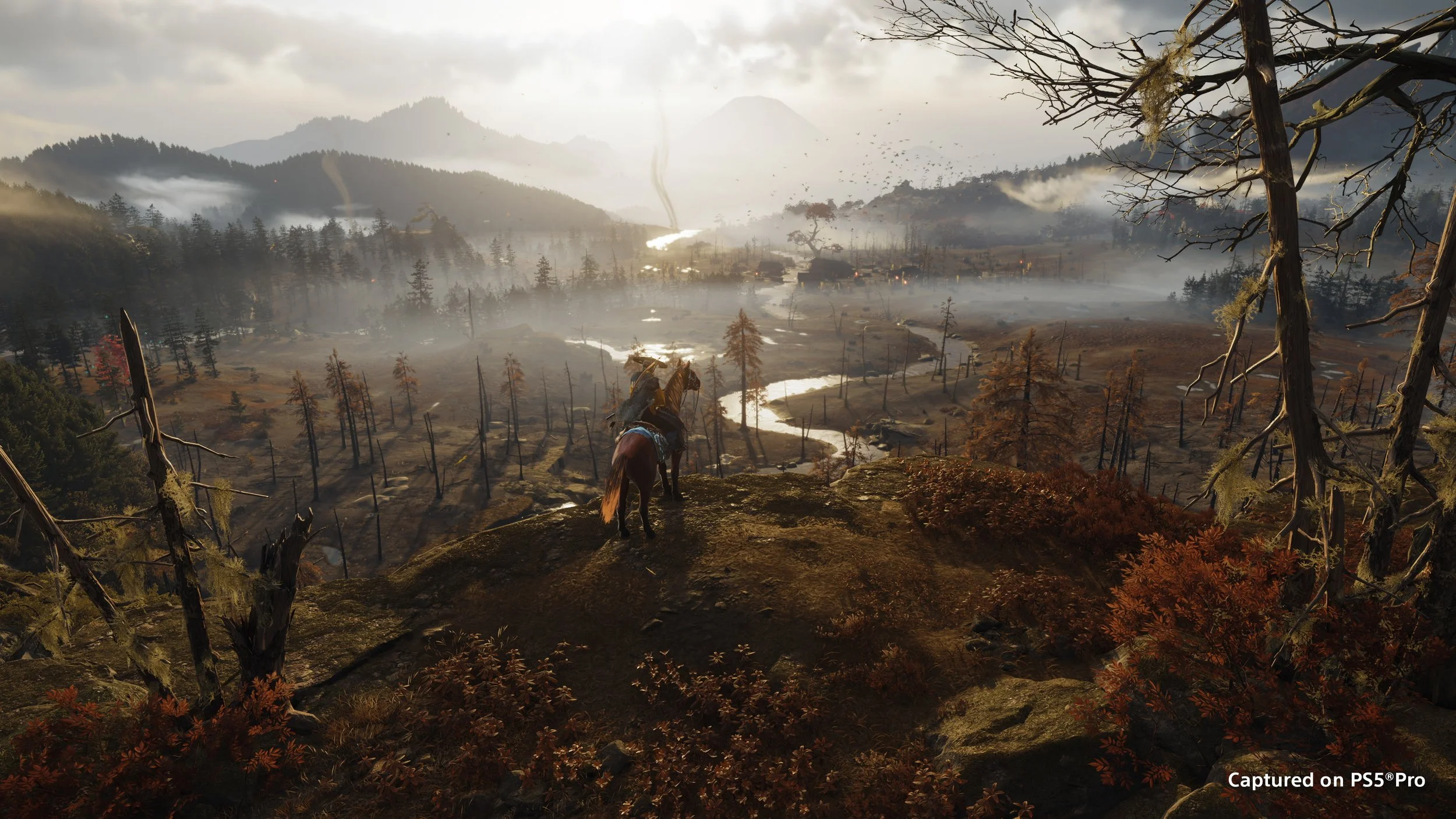
One of the biggest shifts came through presentation. Modern online casinos no longer rely on static interfaces and simple layouts. Developers now prioritize polished graphics, responsive design and cinematic effects that look much closer to what players expect from current video games.
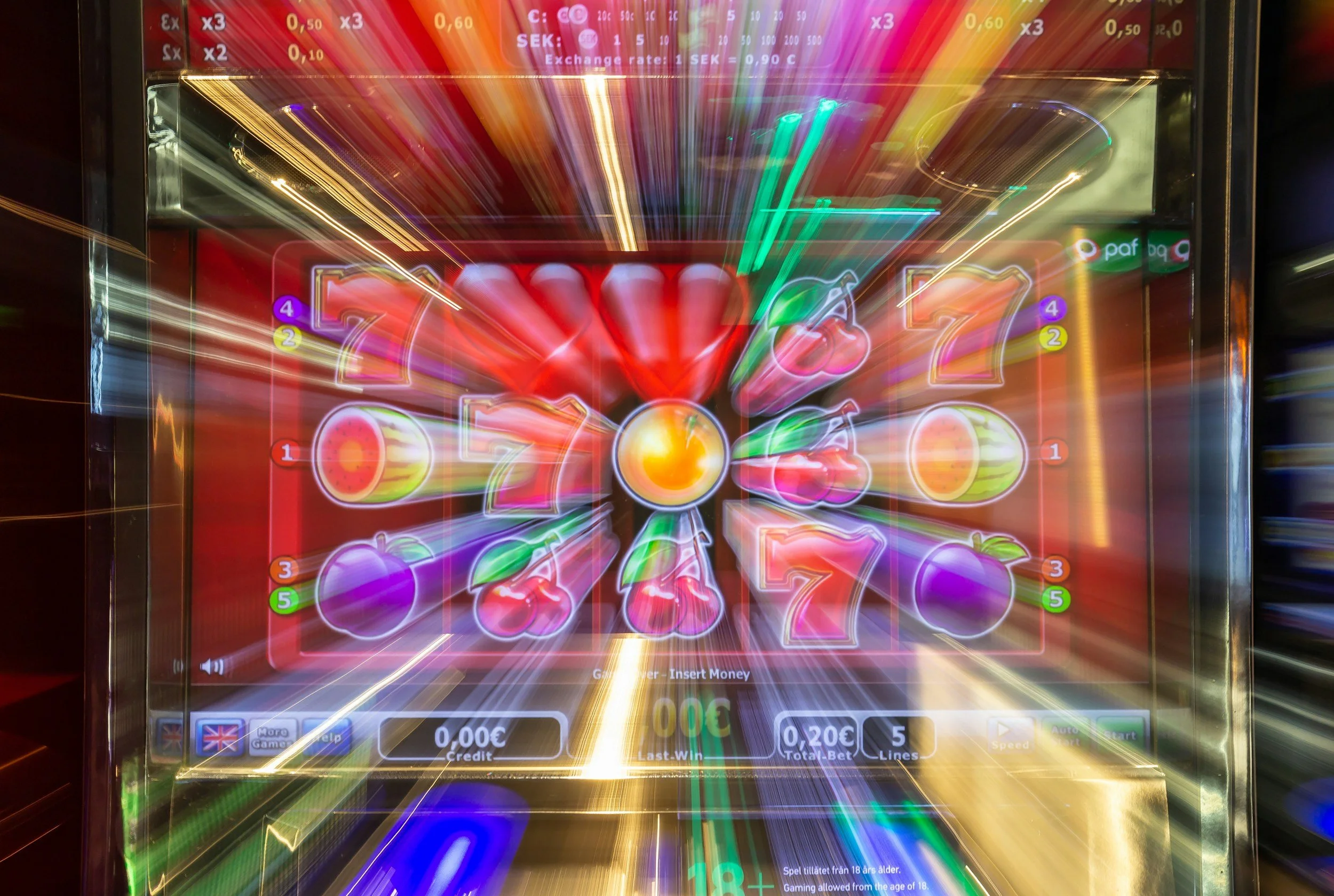
Slots have especially changed a lot. Many feature story-driven themes, animated cutscenes, unlockable bonus rounds and soundtracks designed to build tension and excitement. Some titles even borrow visual styles from fantasy RPGs, sci-fi shooters or adventure games.
That approach is important because players are used to interactive entertainment competing for their attention constantly. A basic interface is no longer enough when audiences spend time with visually advanced games across PC, console and mobile platforms. Online casinos adapted by making their games feel more dynamic and engaging.
Progression systems changed player expectations
Video games helped popularize progression mechanics long before they appeared across casino platforms. Features like experience systems, achievements, rewards, unlockables and daily incentives become standard in gaming because they encourage long-term engagement.
Online casinos eventually adopted similar ideas. Players now regularly encounter systems like:
Daily login bonuses
Loyalty rewards
Tiered VIP programs
Missions and challenges
Seasonal promotions
Achievement-style milestones
These mechanics create a stronger sense of progression rather than making sessions feel isolated or repetitive. Even outside the gameplay itself, players often feel like they are working toward something larger over time. That structure mirrors what players already experience in multiplayer games, live-service titles and mobile gaming apps.
Mobile gaming helped accelerate the shift
The rise of smartphones changed the entire gaming industry, and online casinos evolved alongside it. Mobile gaming normalized shorter play sessions, faster interactions and on-demand entertainment that could fit into everyday life. Casino platforms responded by optimizing their experiences for smaller screens and faster gameplay loops.
Many modern platforms now emphasize:
Instant loading times
Touch-friendly controls
Quick access navigation
Vertical mobile interfaces
Fast-paced game rounds
Cross-device compatibility
These design choices reflect broader gaming habits. Players no longer want complicated menus or slow-loading experiences. Whether someone is playing a multiplayer shooter, a mobile puzzle game or using a platform like Betway casino Zambia, convenience and accessibility have become major priorities. The expectation is simple: entertainment should feel immediate.
Live features made casino gaming more interactive
Another major influence came from streaming culture and online multiplayer gaming. Modern players are highly accustomed to live interaction. Platforms like Twitch and YouTube transformed gaming into a shared experience where audiences participate alongside creators, streamers and competitive communities in real time.
Online casinos began integrating similar ideas through live casino products. Instead of relying entirely on automated gameplay, live casino games introduced real dealers, live chat systems and interactive environments that create a more social atmosphere. Players can now engage with live blackjack tables, roulette games and game-show-style experiences that feel much more active than traditional digital casino formats.
That shift helped online casinos feel less isolated and more connected to broader gaming culture. It also introduced a level of unpredictability and interaction that mirrors online multiplayer gaming environments.
Faster gameplay appeals to modern audiences
Modern gaming trends increasingly favor speed and accessibility. Battle royale matches, short-form mobile games and quick multiplayer sessions all reflect changing player habits. Online casinos adapted in a similar way.
Many modern casino games are designed around rapid decision-making and fast outcomes rather than slower traditional formats. This appeals to audiences that prefer shorter bursts of entertainment rather than extended sessions requiring major time commitments.
Crash games, live games and fast-action slots all reflect this broader shift toward instant engagement. For younger adult audiences, especially, the appeal often comes from momentum and interactivity rather than simply recreating traditional casino experiences online.
The industry continues to evolve
As gaming technology continues advancing, online casinos will likely keep borrowing ideas from the wider gaming industry. The connection between gaming and online casino entertainment is now impossible to ignore. What once felt like two completely separate industries increasingly overlap through shared technology, design philosophies and player expectations. Modern audiences want experiences that feel responsive, visually engaging and interactive, regardless of whether they are launching a multiplayer video game or exploring an online casino platform.