If you have played League of Legends ranked for more than one season, you have probably heard of boosting. Maybe you have considered it. Maybe you dismissed it as something shady that only bad players use. The reality in 2026 is more interesting than either of those takes.
This guide covers what rank boosting actually is, how the different formats work, what to look for in a service and when it genuinely makes sense versus when coaching is a better call.
What Is Rank Boosting?
Rank boosting in League of Legends means hiring a high-ranked player to help raise your competitive rank. There are two main formats and they work very differently.
Solo boosting is the traditional version. A professional player logs into your account and plays ranked games on your behalf. Your LP goes up, your MMR improves and you return to an account sitting at a higher tier. The tradeoff is account sharing, which technically violates Riot's terms of service. Detection methods have gotten more sophisticated, so this carries real risk if you use a careless provider.
Duo boosting is the format most serious players prefer in 2026. A professional queues alongside you on their own account. You play every game yourself. No account sharing, no credential transfer. You also get the experience of playing with someone significantly better than you, which tends to accelerate how fast you pick up high-elo habits.
Why Do Players Use These Services?
The honest answer is that the ranked system has real structural problems that even skilled players run into.
MMR decay after a losing streak creates a feedback loop that is genuinely difficult to escape. When your hidden MMR drops below your visible rank, you start losing more LP per defeat than you gain per win. The system is trying to drag your rank down to match what it thinks your MMR says about you, even if that MMR reflects a bad week rather than your actual skill level.
Autofill compounds this. A main mid who gets autofilled to support for three consecutive games is losing LP in a role they did not queue for. Each loss makes the next round of matchmaking slightly harder in the role they actually know. One autofill assignment can ripple forward across six or seven games.
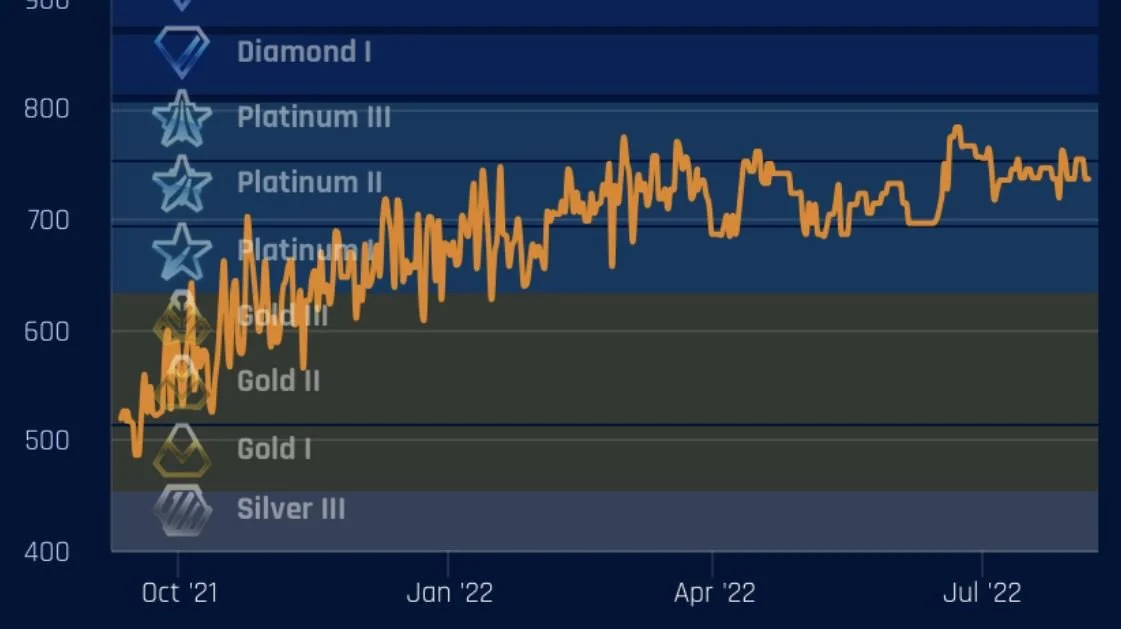
End-of-split pressure is the other major driver. Riot ties cosmetic rewards to peak rank at split end. Players who have been hovering at Platinum 3 for two months and need to hit Emerald before the deadline face a real time constraint that standard grinding might not solve.
What to Look for in a Service
The quality difference between boosting services is enormous and the gap has widened as the industry has matured.
The old model was pure agency: pay a fixed price, get an anonymous booster, hope for the best. No reviews, no profile verification, no direct communication. You had no way to know if the person touching your account was actually the rank they claimed.
Modern marketplace platforms changed that. Players looking for a reliable league of legends boost can now browse verified booster profiles, check their actual in-game rank on linked accounts, read reviews from previous buyers and communicate directly before committing. Payment sits in escrow until you confirm the order is complete. It is a fundamentally different risk profile from the old way of doing this.
When evaluating any service, check for three things. First, can you verify the booster's rank independently before you pay? Second, is there a real review system with negative feedback allowed? Third, does payment get held until completion or do they take the money upfront? If any of those three are missing, move on.
Boosting vs Coaching: Which One Do You Actually Need?
These serve different purposes and mixing them up wastes money.
Boosting is a rank problem solver. If you understand the game reasonably well but your LP keeps going negative because of variance, autofill or end-of-split pressure, a boost addresses the specific situation you are in. Your rank goes up. Your MMR resets to a healthier baseline. You start fresh from a better position.
Coaching is a skill problem solver. If you are losing because you keep making the same reads in the same matchups, a session where a Challenger player pauses your VOD and explains what information you had available and failed to use is worth more than any number of solo queue games grinding through the same mistake repeatedly.
A lot of players use both in the same season. Boost early in the split to establish a higher MMR baseline, then work with a coach mid-split on the specific gaps causing losses at that new rank. The two are genuinely complementary when you are clear on what each one is for.
The Bottom Line
Rank boosting in League of Legends is not going away and in 2026 the quality of available services is significantly higher than it was three or four years ago. Marketplace platforms with verified profiles, real reviews and escrow payment have replaced most of the sketchy agency model that gave the whole category a bad reputation.
Whether it makes sense for you depends on what problem you are actually trying to solve. If the answer is a rank you cannot reach before the split ends, it is worth looking at what is available. If the answer is that you keep losing the same fights for the same reasons, hire a coach instead.
Author Bio: This article was contributed by the team at Boosting24.com, a competitive gaming marketplace operating since 2013. Since 2026 Boosting24 runs as a full marketplace connecting players directly with verified boosters and coaches across League of Legends, Rocket League and CS2.