The past year has been an interesting one for gaming. GTA VI was delayed once again, and while the industry remains commercially strong and creatively vibrant, layoffs and instability have dominated headlines.
Major studios have stumbled, while the indie scene has stepped into the gaps they left behind. Games like Fallout and The Last of Us have transitioned into prestige television, leaving their narratives to compete on a different screen. The cracks in the traditional Triple A model are visible now.
For all the uncertainty at Rockstar and other major developers, something refreshing has emerged. The community itself has become louder, more influential, and harder to ignore.
Indie developers dominated the critical conversation this year, delivering some of the most acclaimed releases of 2025. Clair Obscur: Expedition 33 won Game of the Year, a title that would have felt unthinkable for a smaller studio even five years ago.
The shift suggests that players still have power, and that power increasingly dictates what gets made and how it gets designed.
Gaming would be nothing without its communities. From Reddit theorists and Discord servers to long-running modding forums, games have built friendships and cult followings in an era where attention is fragmented across social media, streaming services, the Metaverse, and even the rise of the best social online casinos in the US. In that landscape, the time spent with a controller or keyboard has to count for something, because it’s what turns play into shared experience rather than passing distraction.
Games are no longer only judged by technical achievements or storytelling ambition. They get measured by the ways fans engage with them, and developers are noticing. Here are some of the clearest ways fan culture is shaping modern game design in 2026.
Trophy Hunting and Easter Eggs
Completionists sustain games long after launch. They dissect maps on YouTube and Discord, keeping titles relevant. Developers plan for them. Trophy lists create replay loops. Elden Ring and Zelda: Tears of the Kingdom use achievements to surface hidden mechanics.
Trophy lists are no longer arbitrary rewards. In games like Elden Ring or Zelda: Tears of the Kingdom, obscure achievements highlight secrets, route optimisations, or speedrunning possibilities. Easter eggs have become cultural currency, from developer jokes to nods at fan theories. These small touches encourage multiple replays just for that wink or nod.
The best part is the dialogue it creates. Players feel acknowledged when developers reference community lore or hidden glitches, and the resulting buzz reinforces a game’s longevity.
Speedrunning
Speedrunning remains niche in raw numbers but carries massive influence. From Zelda to Dark Souls and Final Fantasy, games with flexible mechanics, glitches, and deep systems thrive in ways developers are now aware of.
Speedrunning influences design in subtle but measurable ways. Developers preserve physics quirks, timing inconsistencies, and exploitable mechanics because they know players will find creative ways to push them.
Boss fights, level layouts, and in-game timers are often fine-tuned to reward mastery while remaining entertaining to watch.
Speedrunners surface edge cases and obscure interactions that developers can refine or preserve as intended features.
Cosmetics Are Currency
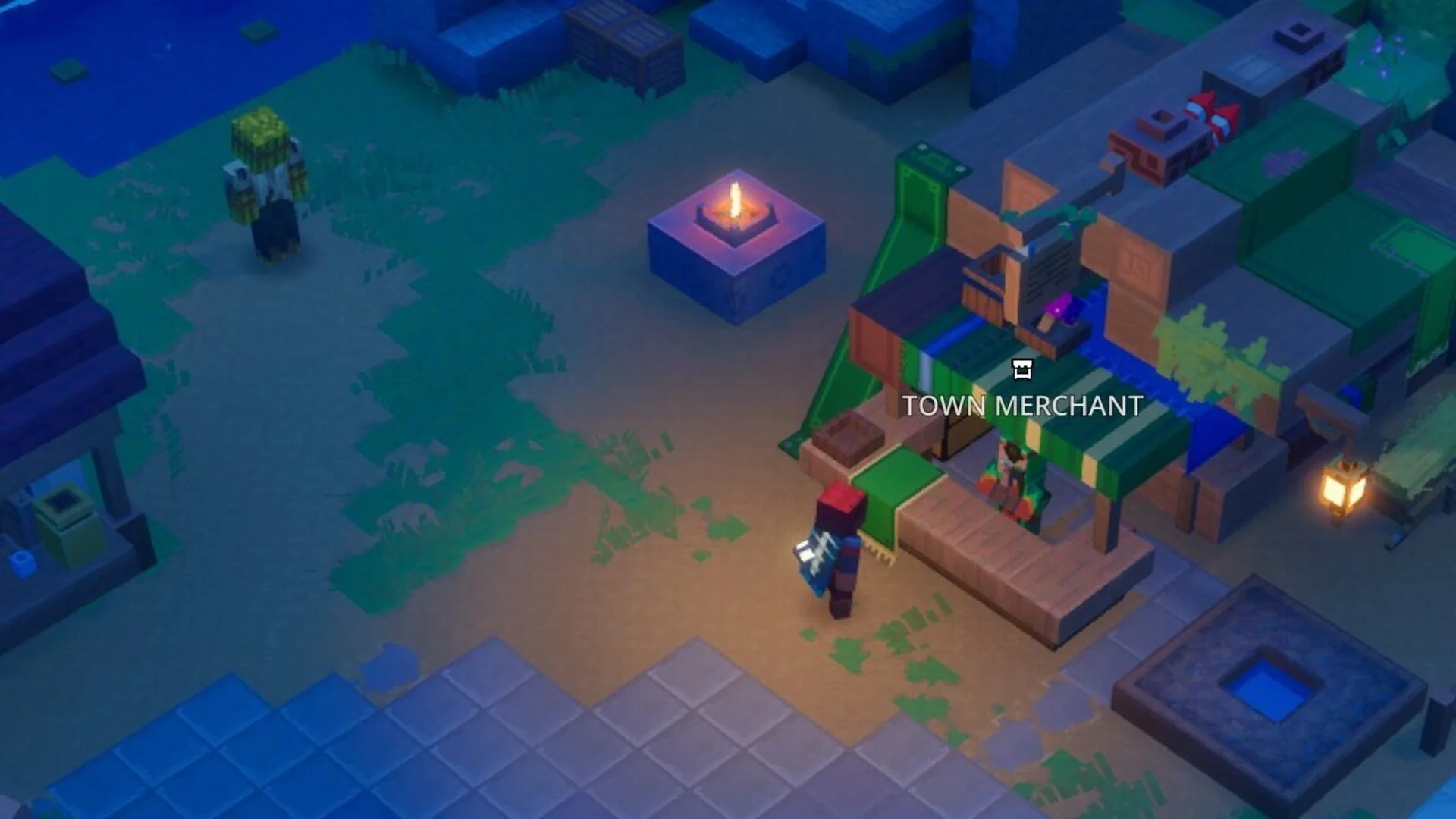
Cosmetics have quietly taken over gaming. In Fortnite, Roblox, and Minecraft, what your character looks like often matters more than how well you actually play. For younger players especially, games are as much social hangouts as they are challenges, and skins are the way to stand out, flex, and have fun with friends.
Crossovers pull in cultural relevance. Family Guy, Pulp Fiction, Superman, and dozens of other IPs have appeared as skins, and each one becomes a marketing beat in itself. The model has replaced pay-to-win with pay-to-flex, a shift that feels safer, more profitable, and more socially acceptable.
This represents the biggest shift in how younger audiences engage with games. Style has overtaken stats as the primary form of self-expression, and the industry has reoriented itself accordingly. Players switch from Homer Simpson to Seth Rogen between respawns.
Streamers and the Viewer Meta
Streamers are tastemakers now. They can make or break a game in a single weekend, and they serve as the bridge between players and developers.
Ninja, with over 19 million Twitch followers, helped define Fortnite for an entire generation. Ibai, Auronplay, xQc, Shroud, Pokimane, and Rubius shape metas through their playstyles and highlight reels, influencing millions of casual players who watch more than they play.
Games are now built to be watched as much as played. Readable UI, dramatic moments, and meme-able physics all serve the spectator experience. When a popular streamer breaks a build or discovers an exploit, patches follow within days.
Esports pushes this further, demanding competitive clarity and balance that trickles down into casual play. League of Legends, Valorant and FIFA all design around ranked modes, competitive NPCs for practice, and anti-cheat systems tailored to professional players.
It works as a loop. Players influence how games change, streamers share those patterns with millions, and developers update the game in response. Communities are no longer just playing. They are helping shape it.
The relationship between players and developers has changed completely. Communities no longer wait for studios to tell them what matters. The smartest developers have stopped seeing this as noise and started treating it as guidance.
The games that thrive in 2026 are built with the understanding that players will break systems, chase status, and invent their own ways to win. What looked like chaos ten years ago now feels like the clearest path to staying relevant.