Vraska has spent plenty of time turning creatures into stone, but Reality Fracture gives us a version interested in taking things in the other direction. Vraska, Soul of Stone is a Jeskai commander that creates an army from your noncreature spells, then helps those artifact creatures attack without giving up their other jobs.
For my version, I wanted to build around artifacts that start as useful resources and eventually become threats. Mana rocks, Treasures, and other utility artifacts help develop the board, then animation effects bring those objects to life. Meanwhile, Vraska creates her own unusual Treasure creatures whenever you cast a noncreature spell.
It is an artifact deck with a spellslinger connection, and that combination gives you plenty of interesting decisions. Sometimes you want to spend a Treasure to cast the next spell. Sometimes that Treasure is worth more staying on the battlefield as part of the army you are about to send at an opponent.
Commander Overview
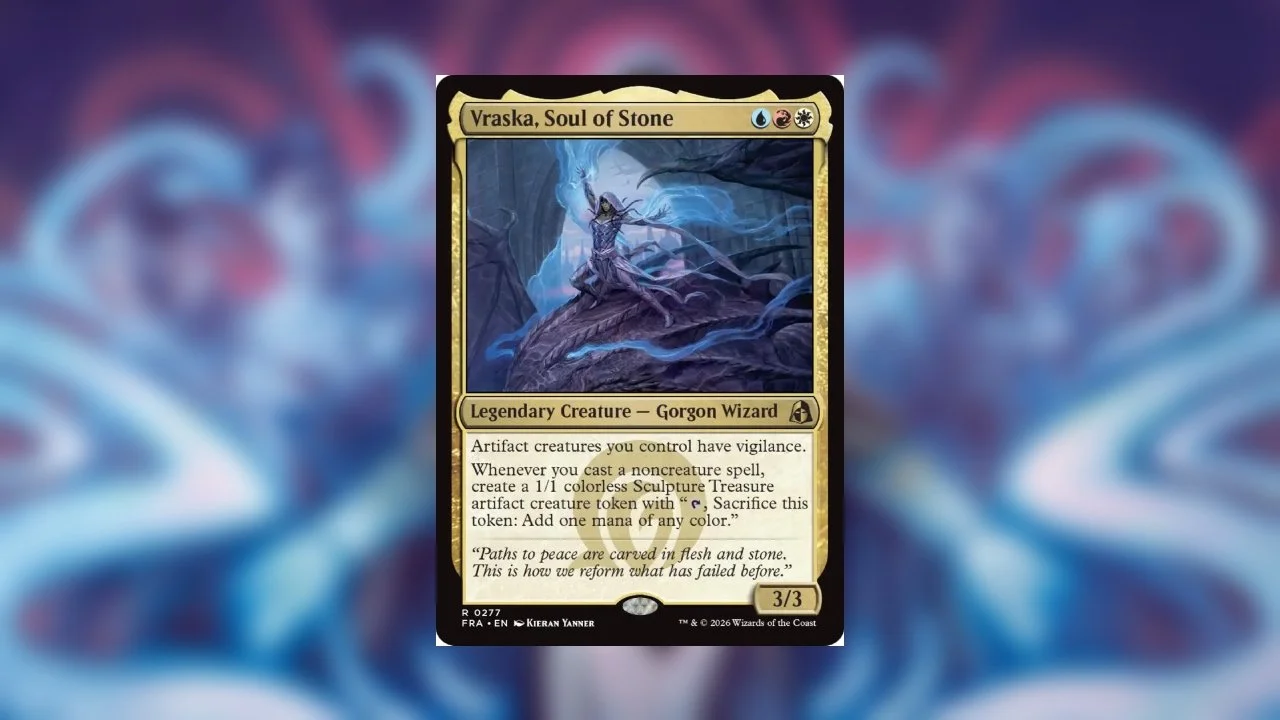
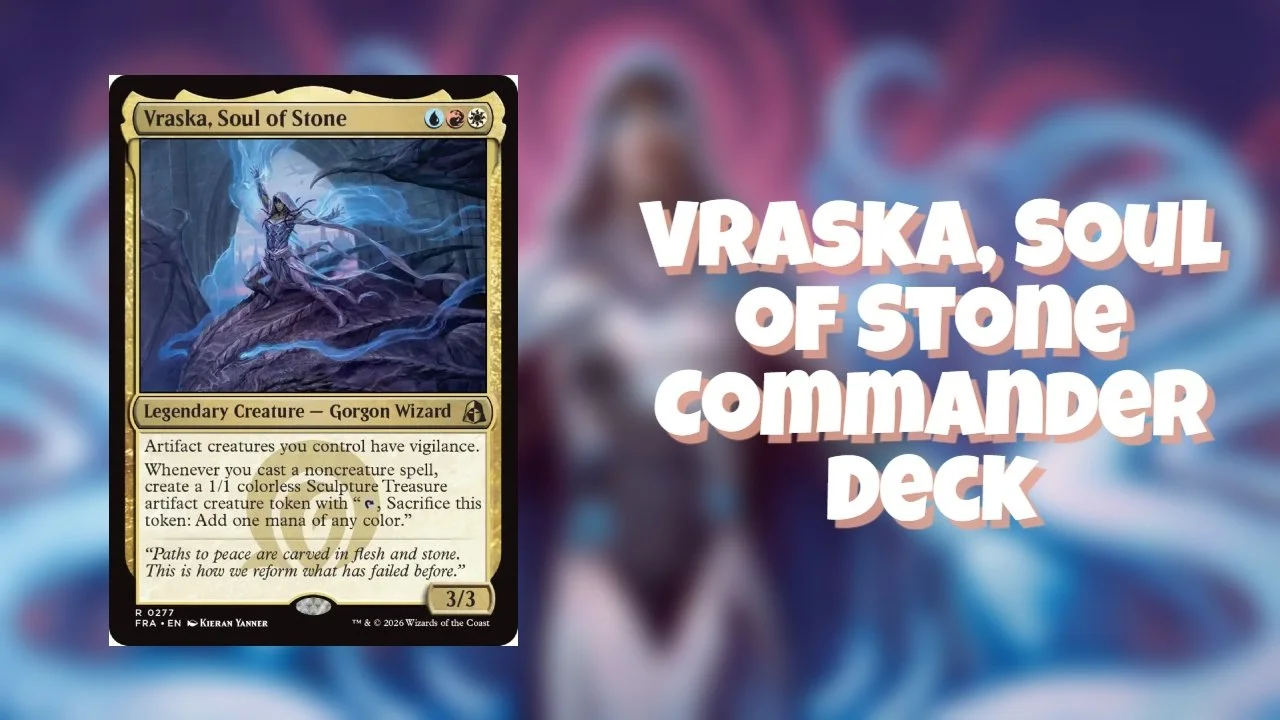
Vraska, Soul of Stone is a three-mana 3/3 Gorgon Wizard in blue, red, and white. Artifact creatures you control have vigilance. Whenever you cast a noncreature spell, she creates a 1/1 colorless Sculpture Treasure artifact creature token with the ability to tap and sacrifice itself for one mana of any color.
Those tokens are creatures and Treasures at the same time. Sculpture is their creature type, while Treasure is their artifact type. They can attack and block, count toward your artifact synergies, or be sacrificed for mana when they are able to use that ability.
The creature part comes with an important restriction: summoning sickness applies. A newly created Sculpture Treasure normally cannot attack or activate its tap ability that turn unless it has haste. Its token trigger resolving before your original spell does not make it immediately available to pay for another spell.
Once a Sculpture is able to attack, vigilance lets it remain untapped. It can attack and still be available to block or be sacrificed for mana afterward, provided it survives. That flexibility also applies to the other artifact creatures you control, including animated mana rocks.
Main Deck Strategy
This deck wants to establish useful artifacts, keep casting noncreature spells, and choose the right moment to turn its resources into combat pressure. Your early development should help the deck function while also making the eventual attack stronger.
Cast Noncreature Spells And Build Your Resources
Noncreature artifact spells are particularly useful because they develop your artifact board while triggering Vraska. Arcane Signet, Fellwar Stone, your Talismans, and other utility artifacts can each give you a Sculpture alongside the permanent you actually cast.
Instants, sorceries, enchantments, and planeswalkers also contribute. Opt keeps your hand moving, removal answers a problem, and a Tezzeret can support the artifact plan while adding another token through Vraska's trigger.
Artifact creature spells are different. They still support your artifact synergies, but they are creature spells and do not trigger Vraska. That is a reason to maintain a balance between powerful artifact creatures and the noncreature spells that supply your army.
The mana base matters too. Vraska needs all three colors, and colorless artifacts do not solve that requirement by themselves. Develop colored mana early so the commander can come down before you spend the hand full of spells you wanted her to reward.
Turn Artifacts Into Creatures
Your artifacts do not need to remain passive resources for the whole game. Ensoul Artifact can make one into a 5/5, Tezzeret, Betrayer of Flesh can animate an artifact, and Cyberdrive Awakener can turn a developed collection of noncreature artifacts into a flying attack.
These effects do different jobs. Some improve one artifact permanently, some last until end of turn, and some only affect artifacts that are not already creatures. Read the specific effect rather than assuming every animation card improves every Sculpture.
Mana-value-based animation also rewards a different group of cards from fixed-stat animation. A costly artifact such as Aladdin's Lamp can become a large creature through Animate Artifact or Karn, Silver Golem. A zero-mana-value token needs an effect that gives it useful stats rather than turning it into a 0/0.
You also need to choose when the animation is worth the risk. Turning your mana rocks into creatures makes them vulnerable to more removal. A strong attack can justify that exposure, but animating your whole mana base without a productive follow-up may leave you rebuilding after one sweeper.
Use Artifact And Token Payoffs To Finish
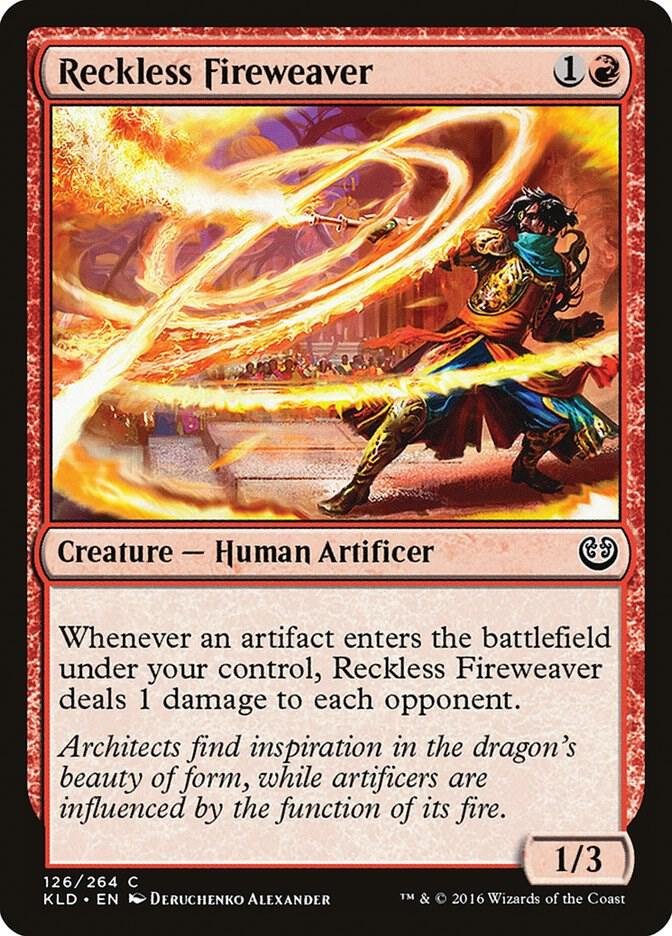
The artifact count supports more than combat. Thoughtcast becomes easier to cast, Dispatch can become efficient exile removal, and Reckless Fireweaver makes each artifact entering hurt every opponent.
Jeskai Ascendancy connects your noncreature spells to stronger creatures and untap effects. Skullclamp can turn small creatures into cards, while Whirlwind of Thought rewards the same spell category that triggers Vraska.
Your finishing turns should bring those pieces together. A group of animated artifacts can attack through the air with Cyberdrive Awakener, a large artifact count can support Craterclaw Colossus, and repeated artifact entries can make Fireweaver's damage meaningful before combat even starts.
Vraska supplies the creatures and vigilance, but you still want enough power and evasion to get through a developed table. A board full of 1/1s needs help turning into a decisive attack.
Best cards for a Vraska, Soul of Stone commander deck
The best cards for this deck fall into three main categories: noncreature spell and token engines, artifact animation, and payoffs that turn your artifact count into cards or damage. You want reliable ways to build resources, useful ways to bring those resources to life, and enough support to turn the resulting army into a win.
Best Noncreature Spell And Token Engines
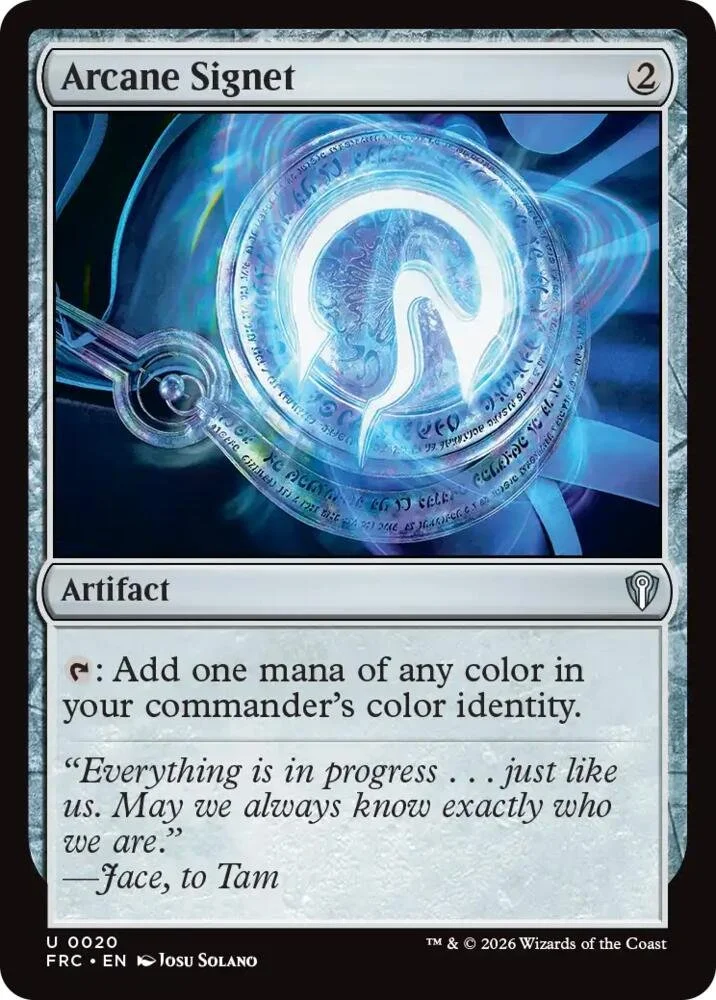
Arcane Signet and The Talismans: Help establish your colors while giving Vraska noncreature spells to reward. They also remain useful artifacts for later animation. That overlap makes your ramp part of the long-term plan rather than something that stops contributing after the early turns.
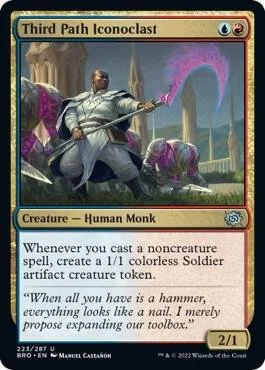
Third Path Iconoclast: Creates a Soldier artifact creature token whenever you cast a noncreature spell. Alongside Vraska, it gives the same spell two separate token-producing triggers. The Soldiers are not Treasures, but they still contribute to your artifact count and receive vigilance from the commander.
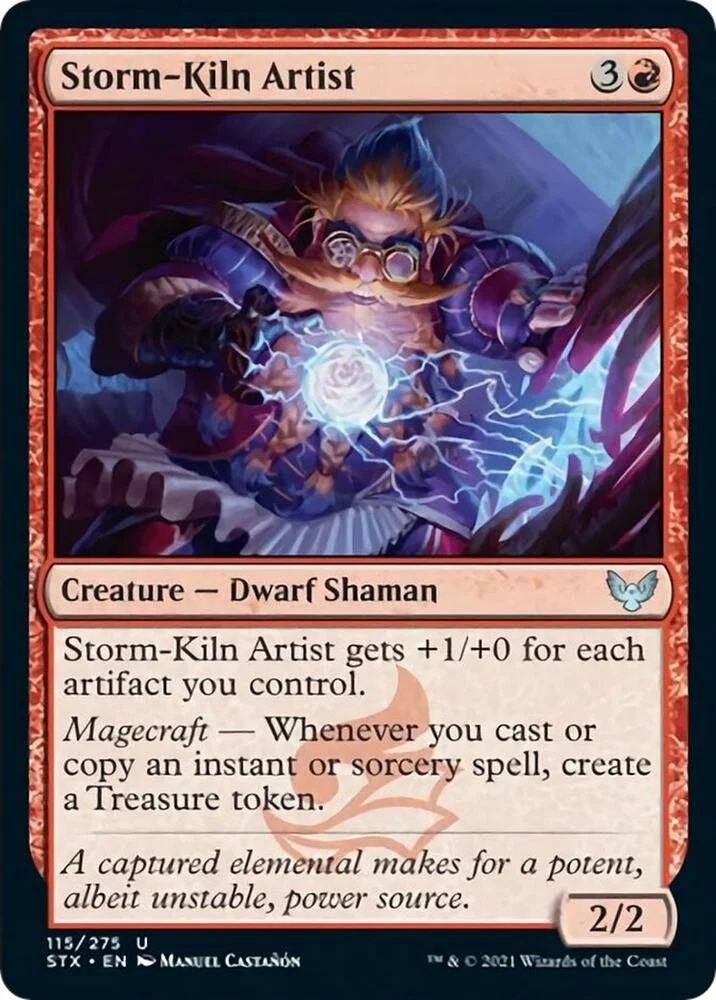
Storm-Kiln Artist: Creates an ordinary Treasure when you cast or copy an instant or sorcery. Those Treasures are normally noncreatures, so they can be spent immediately unless something has animated them. Its trigger category is narrower than Vraska's, making it a supporting engine rather than a replacement for the commander.
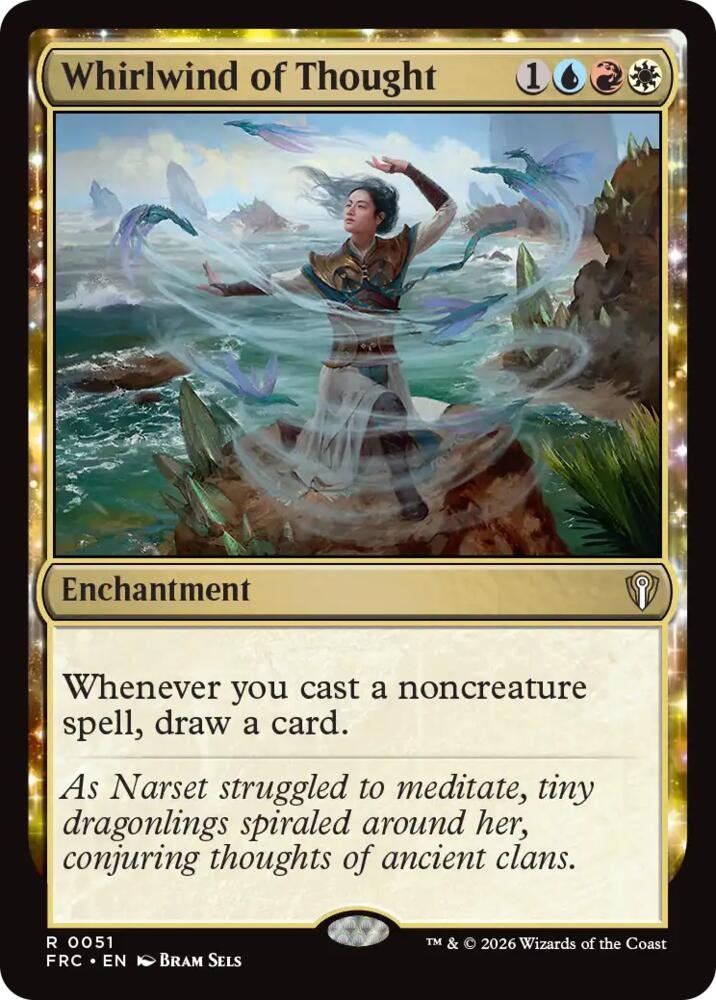
Whirlwind Of Thought: Draws a card whenever you cast a noncreature spell. It helps you maintain the stream of spells that produces your army and prevents the deck from spending its hand without a refill.
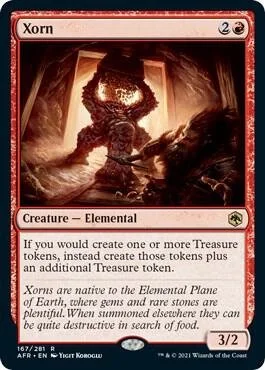
Xorn: Adds an ordinary Treasure token when you would create one or more Treasures. A Vraska trigger can therefore create its Sculpture Treasure plus an additional regular Treasure. Distinguish the two: the regular Treasure is normally available for mana immediately, while the new creature token needs haste to use its tap ability.
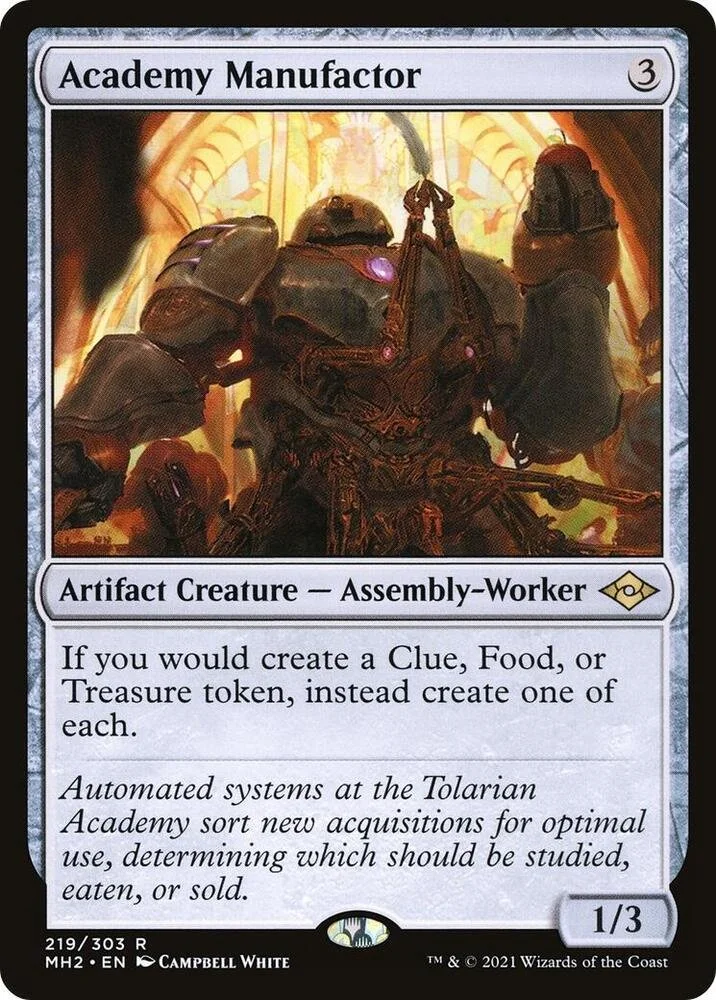
Academy Manufactor: Replaces Treasure creation with Clue, Food, and Treasure tokens. That produces more artifacts for your artifact-count payoffs, but it replaces Vraska's Sculpture Treasure with the ordinary predefined tokens. You gain resources rather than receiving a Sculpture plus two extras, which makes your animation package important when turning those tokens into attackers.
Best Artifact Animation
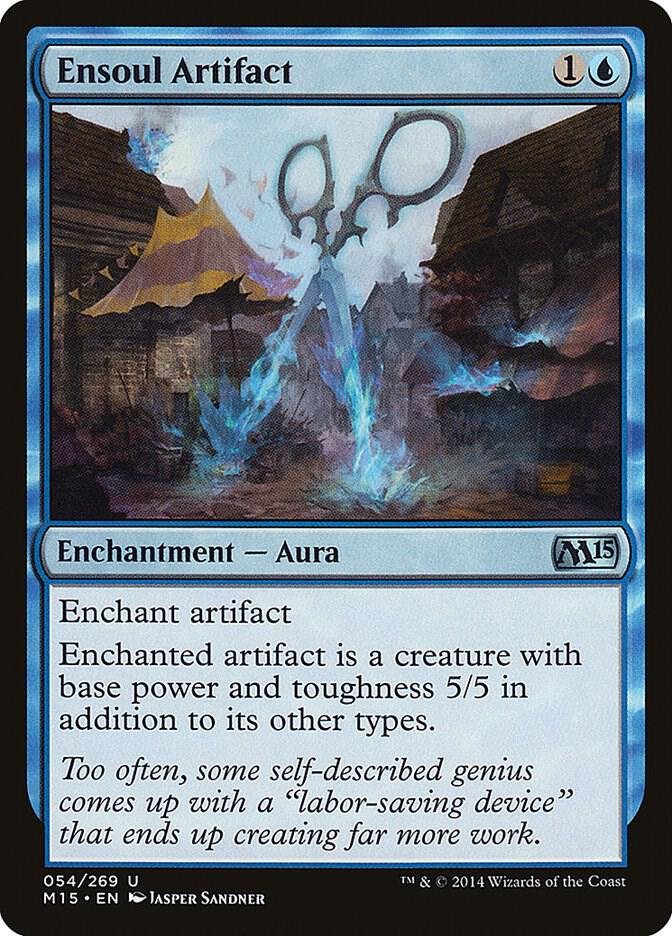
Ensoul Artifact: Gives an artifact base power and toughness 5/5 while making it a creature in addition to its other types. It can animate a utility artifact or improve an existing Sculpture Treasure. The artifact keeps its normal abilities, giving you options beyond simply making an attacker.
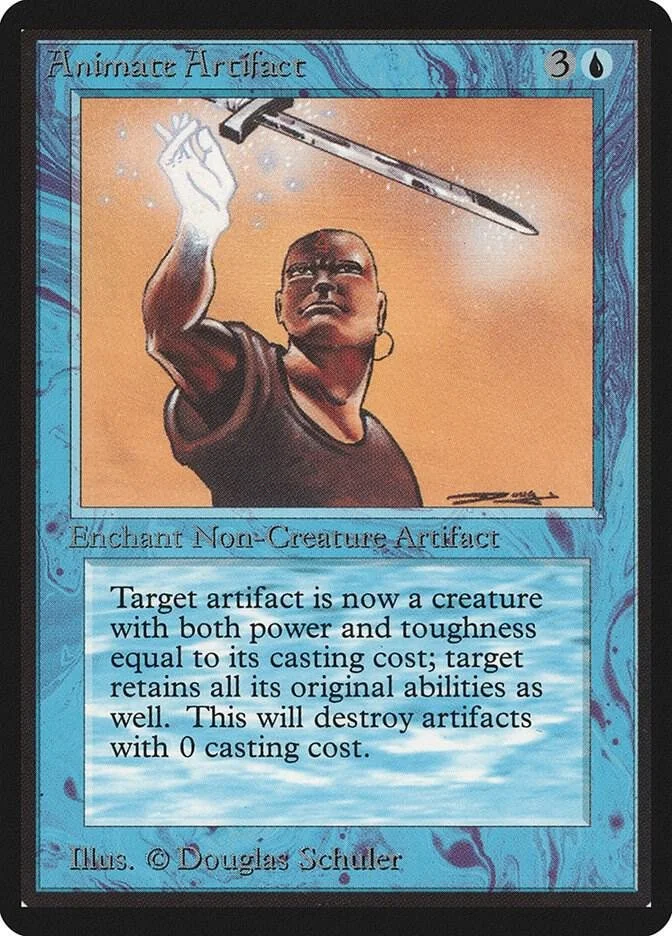
Animate Artifact: Makes the enchanted artifact a creature with power and toughness based on its mana value, unless it is already an artifact creature. That makes expensive noncreature artifacts interesting targets. It is not a way to turn a Sculpture Treasure into a large creature simply because the token is part of your artifact army.
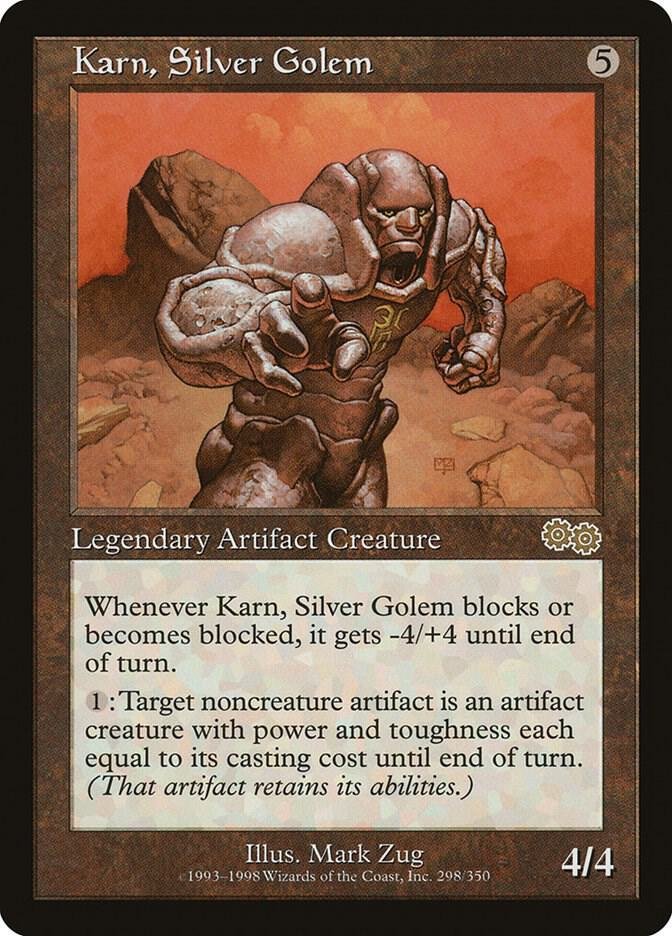
Karn, Silver Golem: Temporarily animates a target noncreature artifact with stats based on its mana value. That gives you a repeatable way to use your larger utility artifacts in combat. Zero-mana-value targets can become 0/0 creatures, so avoid treating every token or artifact land as a safe target.
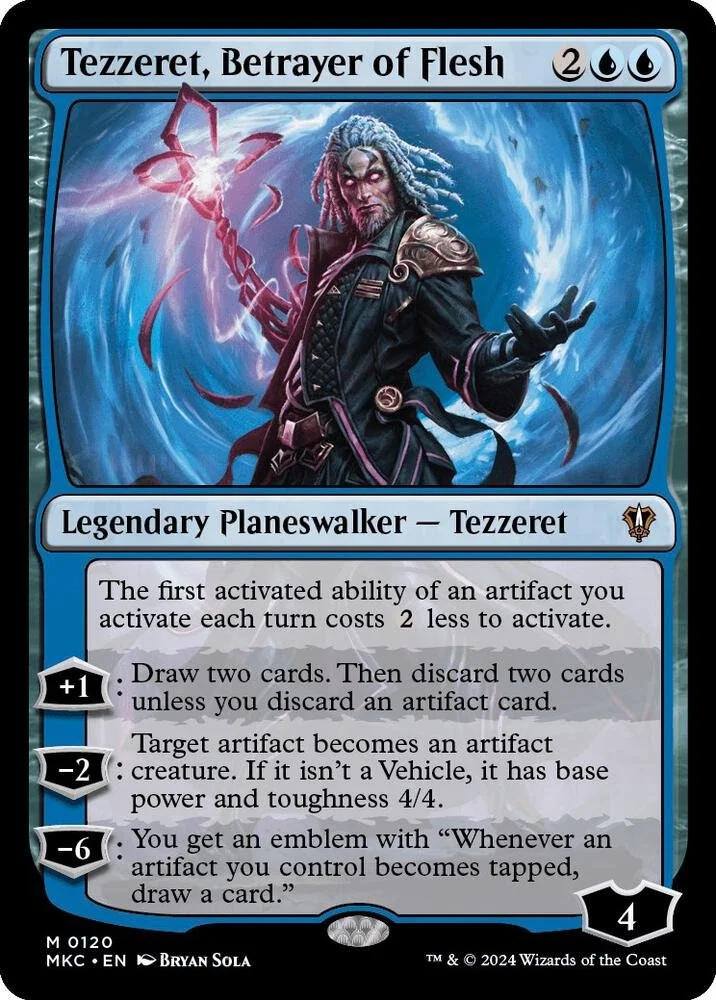
Tezzeret, Betrayer Of Flesh: Can turn an artifact into a creature, giving it base stats of 4/4 if it is not a Vehicle. It can improve a Sculpture as well as animate a noncreature artifact. His other abilities help with cards and artifact activations, although his cost reduction can be consumed by a mana ability that had no generic activation cost to reduce.
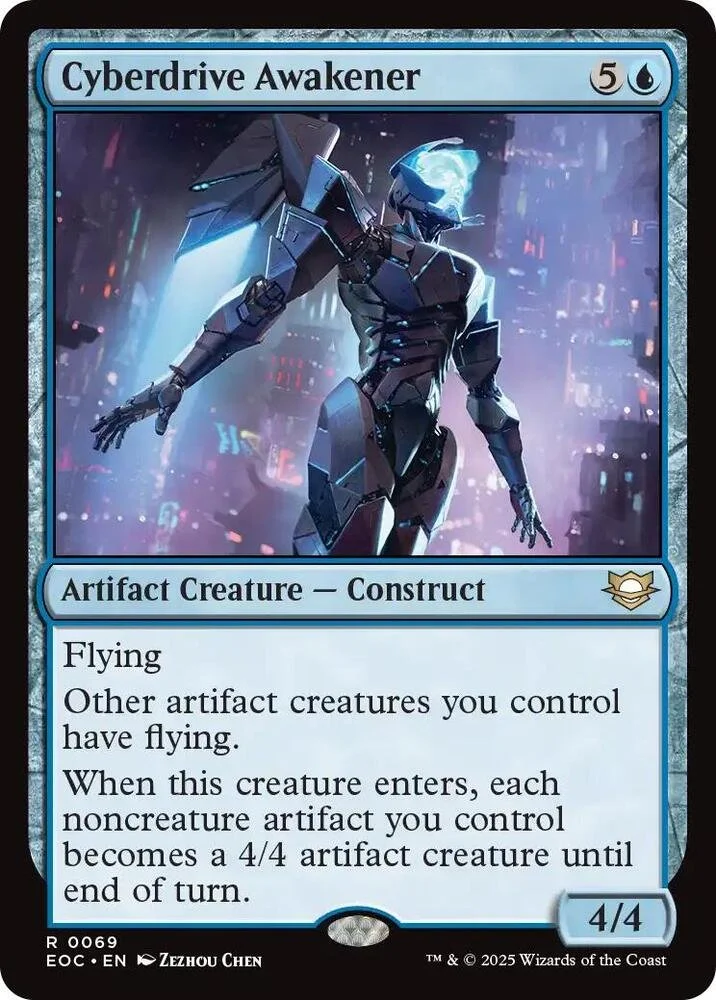
Cyberdrive Awakener: Gives your other artifact creatures flying and turns your noncreature artifacts into 4/4 artifact creatures until end of turn when it enters. That can produce a major finishing attack from a board of resources. Existing Sculpture Treasures gain flying but do not become 4/4s from its enter ability, because they were already creatures.
Best Artifact Payoffs And Support
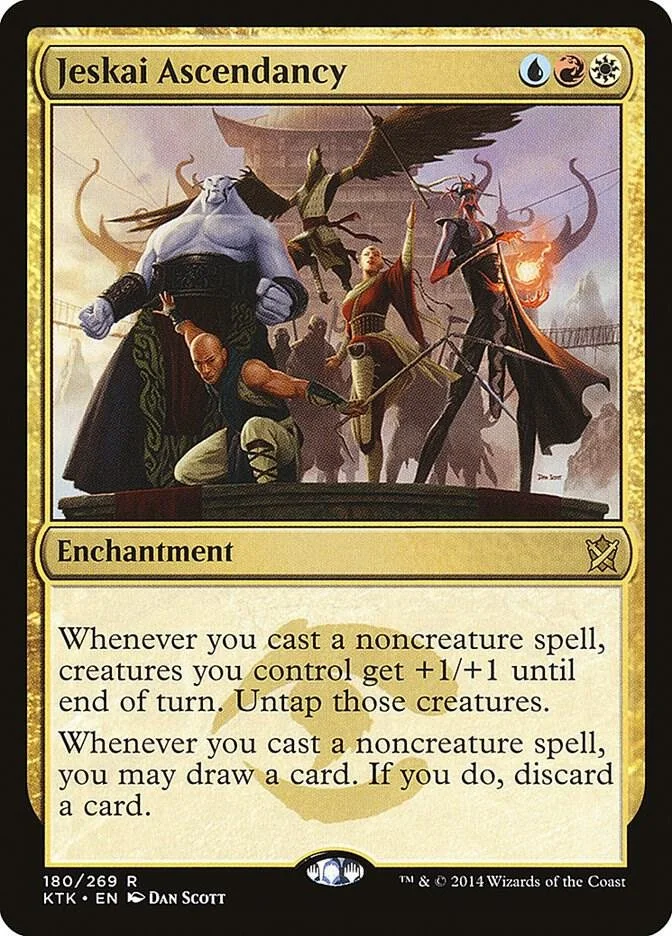
Jeskai Ascendancy: Improves your creatures and untaps them whenever you cast a noncreature spell, with a separate optional draw-and-discard trigger. It helps turn a string of spells into a larger attack while supporting animated mana rocks. You can order Vraska's token trigger to resolve before the buff so the new Sculpture receives that boost too.
Reckless Fireweaver: Deals one damage to each opponent whenever an artifact enters under your control. Vraska's tokens, your cast artifacts, and the resources from Manufactor all contribute. It gives the deck a way to pressure life totals without needing every creature to connect in combat.
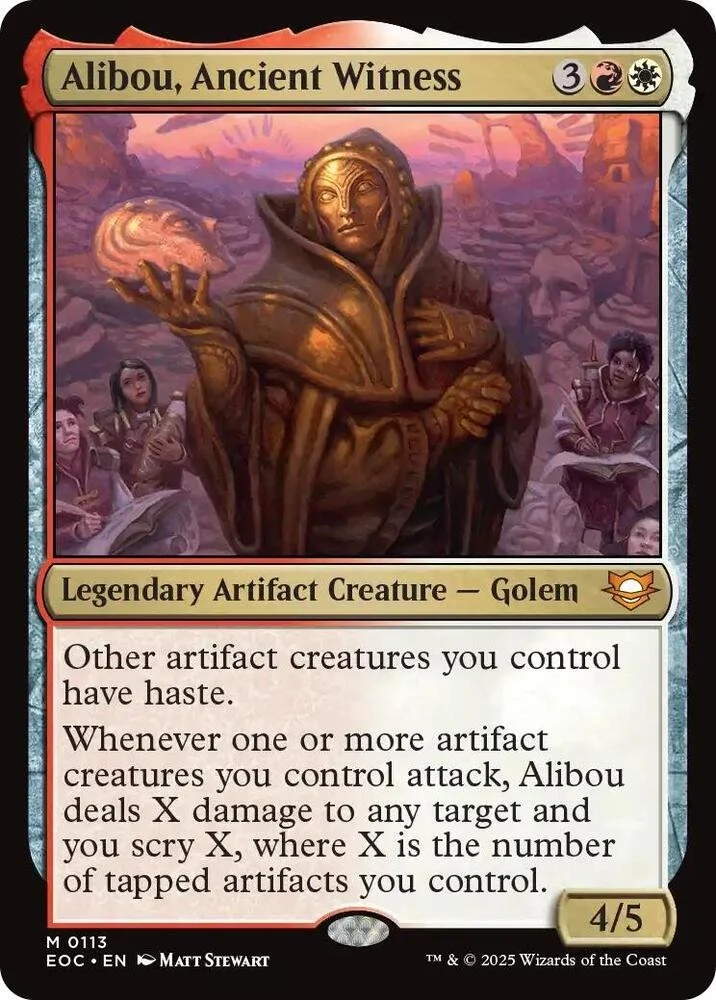
Alibou, Ancient Witness: Gives your other artifact creatures haste, allowing new Sculptures to attack or use their tap abilities immediately. Its attack trigger also supplies damage and scry based on your tapped artifacts. Vraska's vigilance means attacking does not tap those creatures, so the trigger needs tapped artifacts from mana abilities or other uses to produce a large result.
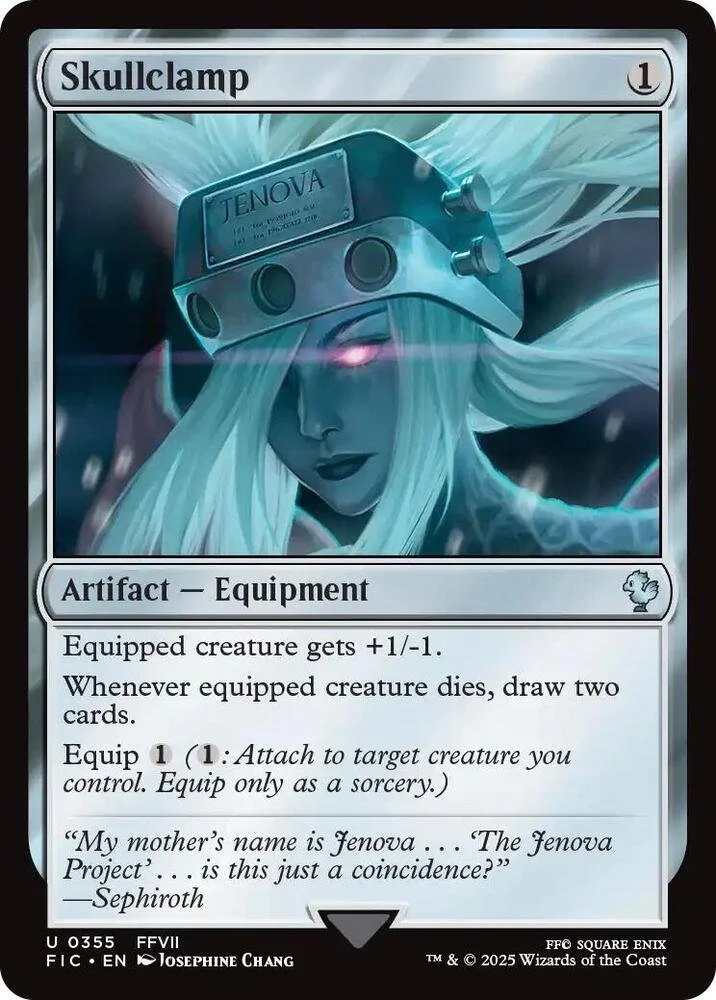
Skullclamp: Can turn an unmodified 1/1 Sculpture Treasure into two cards: equipping it gives the creature +1/-1, causing it to die with zero toughness. That gives you a choice between keeping a body, spending it for mana, or converting it into cards. Buffed Sculptures may survive the Equipment, so check their current toughness.
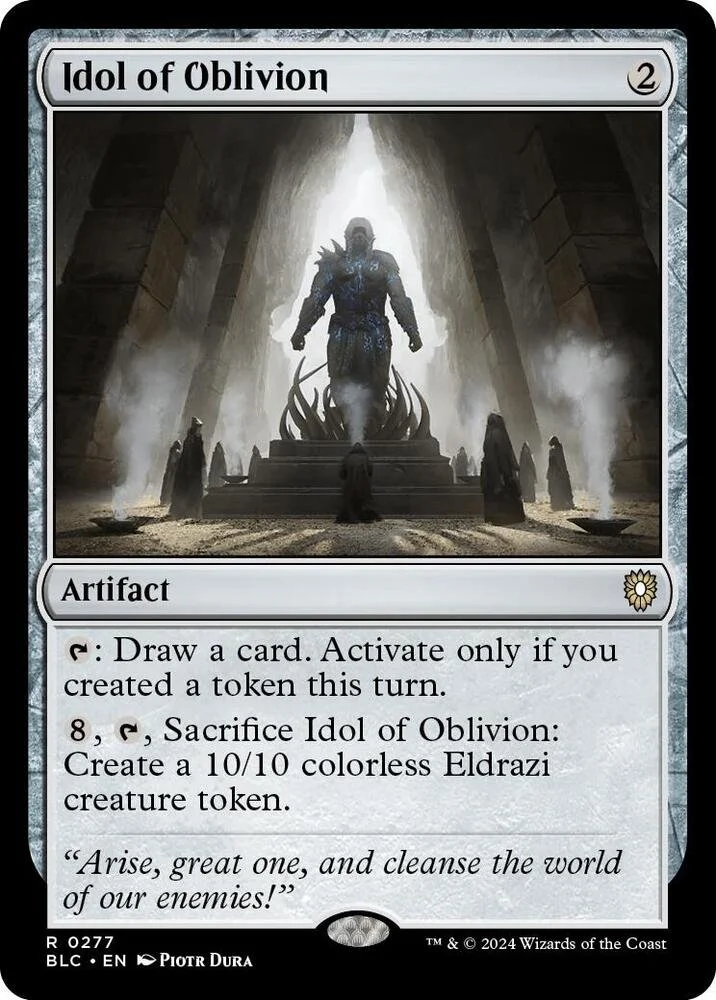
Idol Of Oblivion: Provides repeatable card draw once you have created a token that turn. Vraska makes that condition easier to meet, and the Idol itself is another noncreature artifact that contributes to the deck's broader synergies.
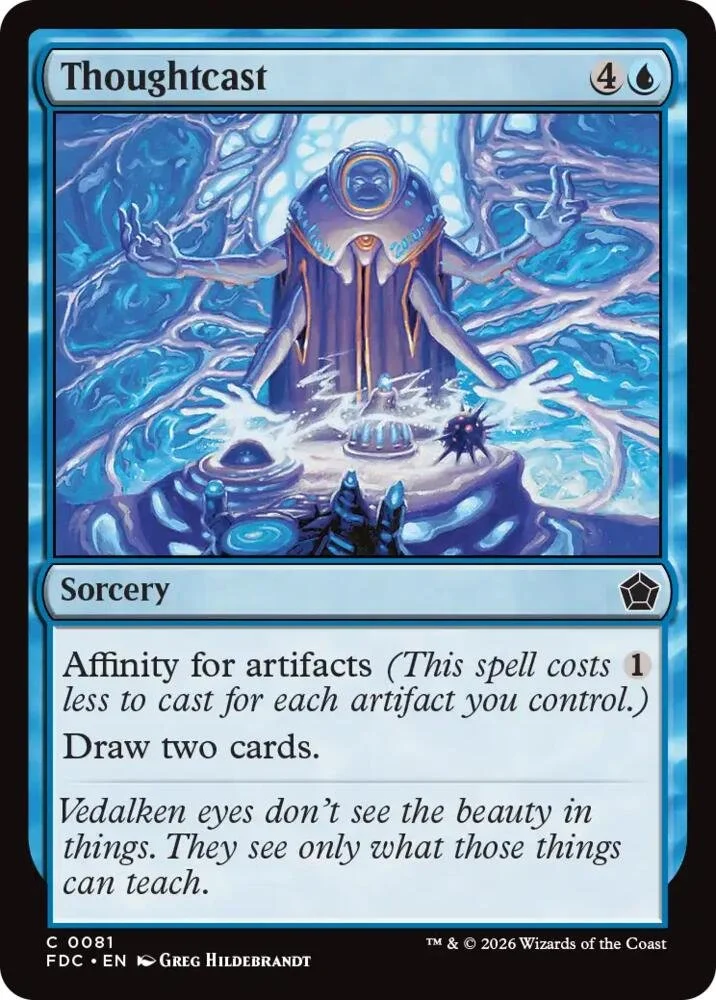
Thoughtcast: Uses affinity for artifacts to reduce its generic cost while drawing two cards. Sculpture Treasures count toward affinity even though they are also creatures. Casting the spell can produce another Sculpture through Vraska before the draw spell resolves.
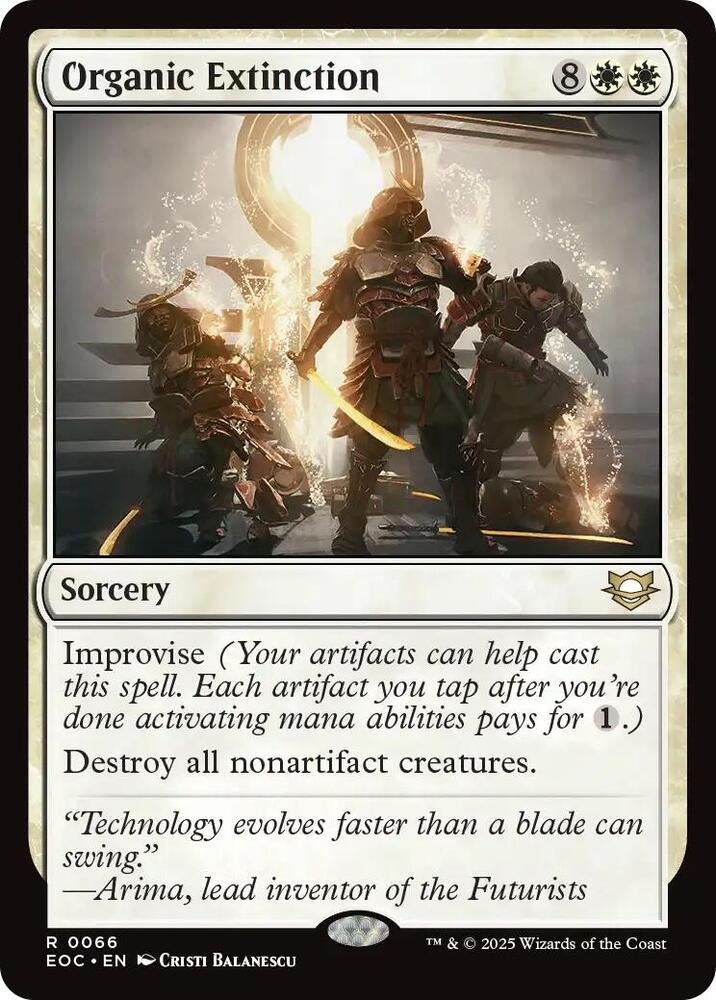
Organic Extinction: Uses improvise to help pay for a sweeper that destroys nonartifact creatures. Your artifact creatures survive ordinary destruction from this spell, but Vraska herself is normally a nonartifact creature and will be destroyed. Sculptures created earlier in the turn can help pay through improvise despite summoning sickness, since improvise does not activate their tap abilities.
Budget options for a Vraska, Soul of Stone commander deck
Start with dependable colored ramp, enough noncreature spells to keep Vraska productive, and affordable ways to animate or improve the artifacts you already want to play. You do not need every premium artifact payoff to make the main plan work.
Arcane Signet, Fellwar Stone, the Talismans, Third Path Iconoclast, Thoughtcast, and your inexpensive interaction all have clear jobs. Ensoul Artifact gives you a simple animation effect, while Idol of Oblivion can help maintain cards over several turns. Check current prices and printings when choosing between similar options.
Keep the three-color mana requirements in mind when reducing the cost of the mana base. Basic lands can replace expensive duals, but you still need access to blue, red, and white. Vraska is much more effective when you cast her before spending the spells intended to create tokens.
I would also avoid cutting too much interaction for additional artifacts. Swords to Plowshares, Path to Exile, Counterspell, and Dispatch help you survive long enough to use the resources you build. They can also produce Sculptures while answering a threat.
Finally, look at function rather than just card type. A high-cost artifact is not automatically a good inclusion because it becomes large when animated. It should still provide useful value when you do not draw an animation effect.
Higher Power/Budget options for a Vraska, Soul of Stone commander deck
The ten sideboard cards are optional upgrades to swap into the 99. Commander does not normally use a traditional sideboard, so choose the upgrades that support the part of the deck you most want to improve.
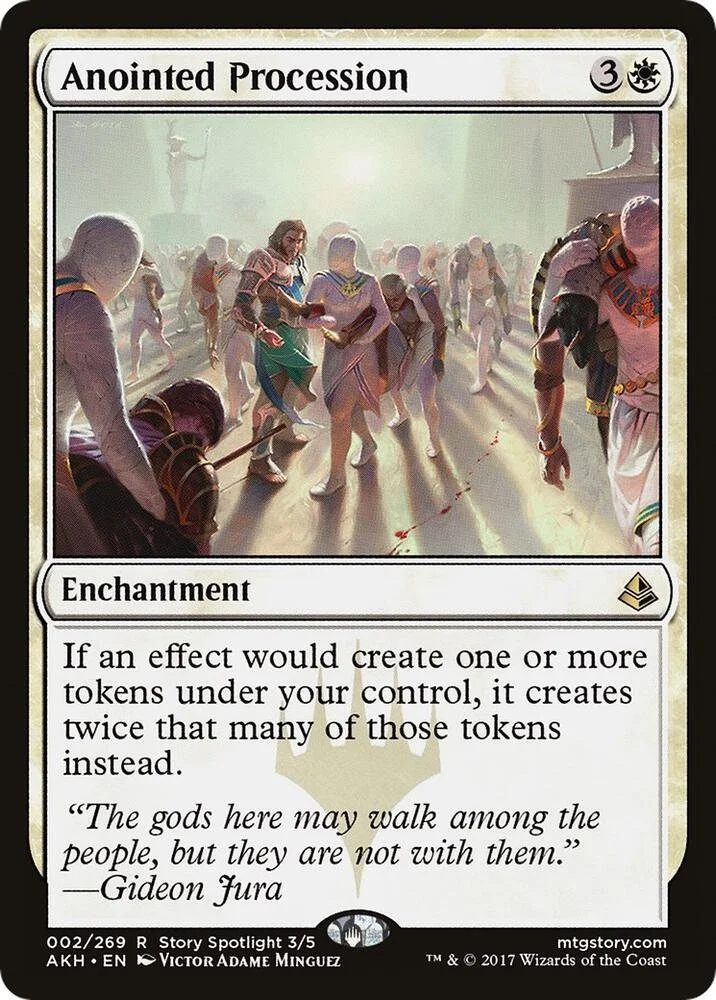
Anointed Procession: Doubles token creation under your control. Unlike Manufactor's replacement of the token characteristics, it gives you more of the tokens you were creating, including Vraska's Sculpture Treasures. It supports both the army and the artifact-count plan.
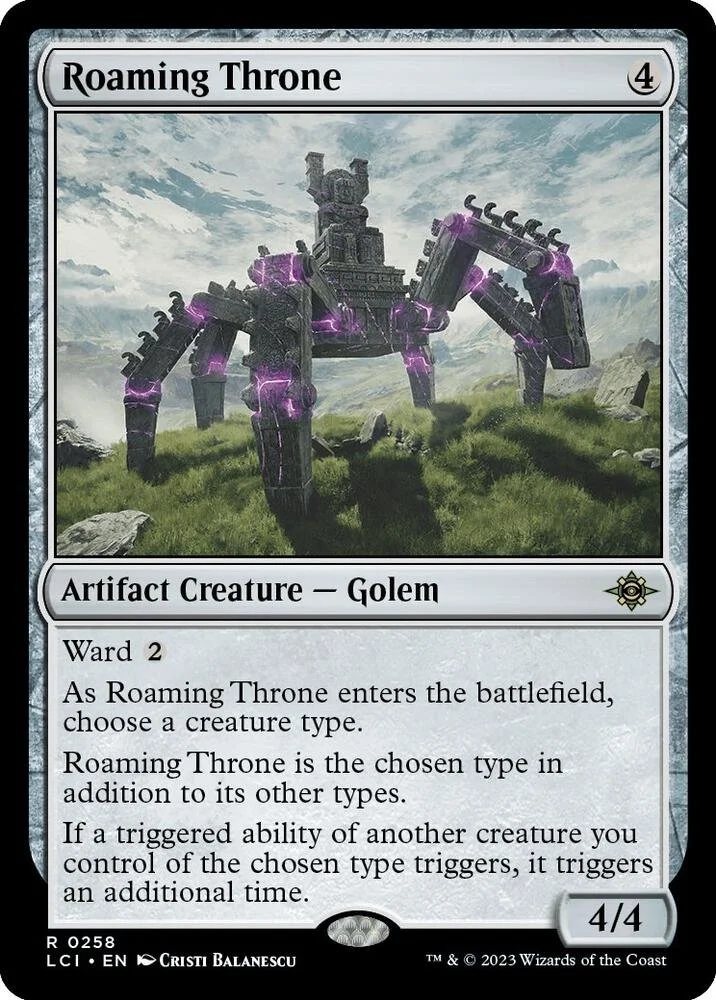
Roaming Throne: Choosing Gorgon or Wizard lets Vraska's noncreature-spell trigger happen an additional time. Sculpture supports a different group of creatures and does not double Vraska's trigger unless she also has that chosen type.
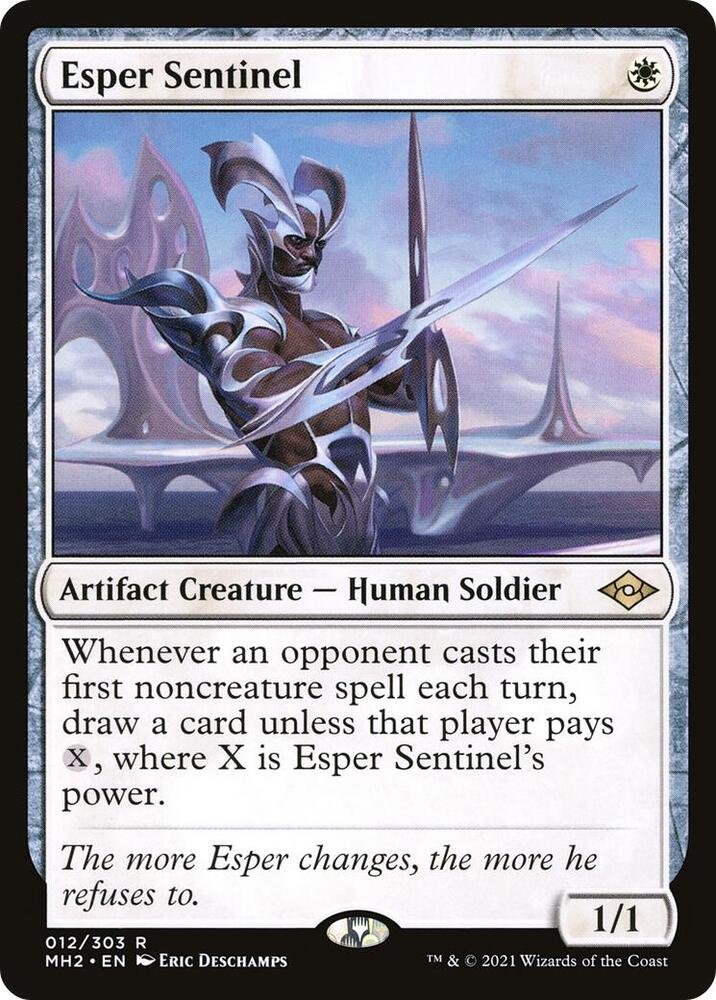
Esper Sentinel: Provides an early artifact creature that can draw cards when opponents cast their first noncreature spell each turn unless they pay its power. It supports your resources and artifact count, although casting it does not trigger Vraska because it is a creature spell.
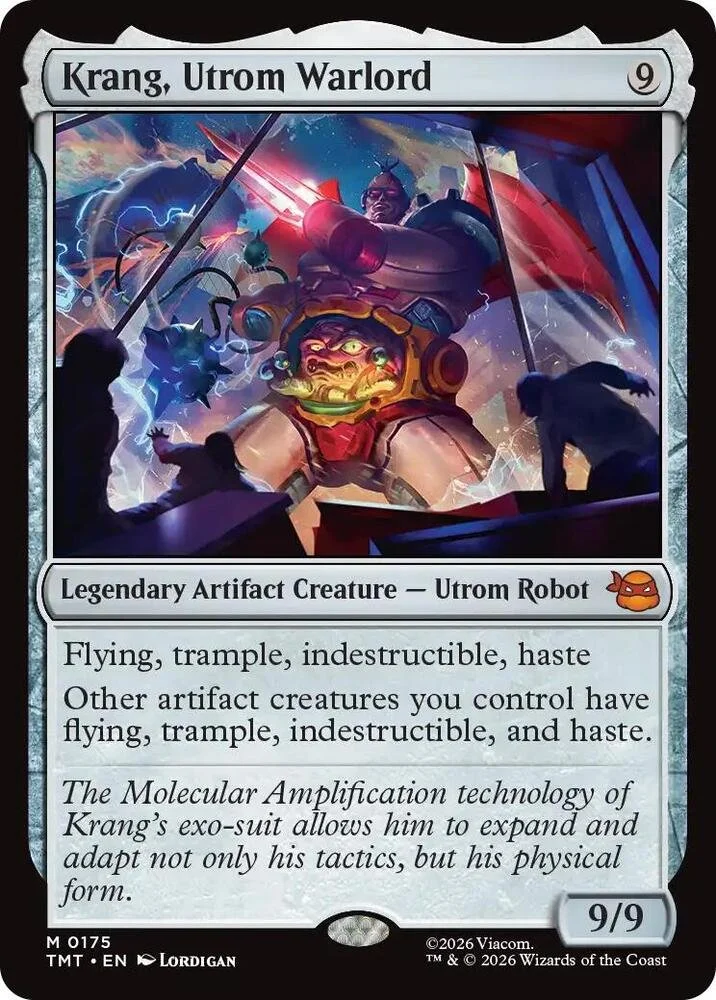
Krang, Utrom Warlord: Gives your other artifact creatures flying, trample, indestructible, and haste, while being a large threat himself. It is an expensive spell, but it can make a developed army much more threatening and harder to destroy. Indestructible does not stop exile or save a creature with zero toughness.
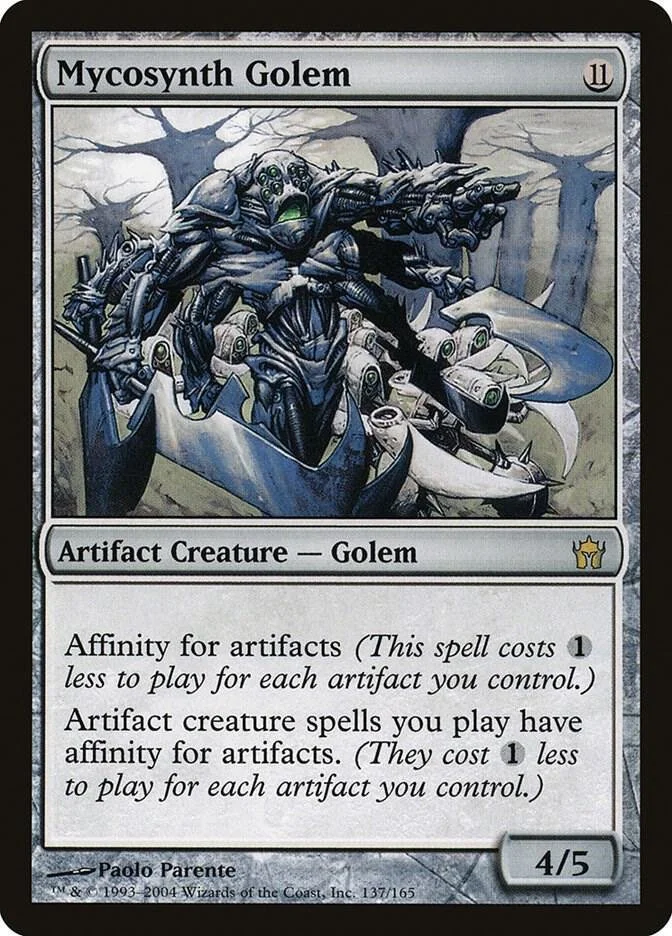
Mycosynth Golem: Has affinity for artifacts and grants affinity for artifacts to your artifact creature spells. That can make expensive artifact creatures much easier to deploy from a developed board. It does not make those spells noncreature spells or directly reduce the cost of every artifact in your hand.
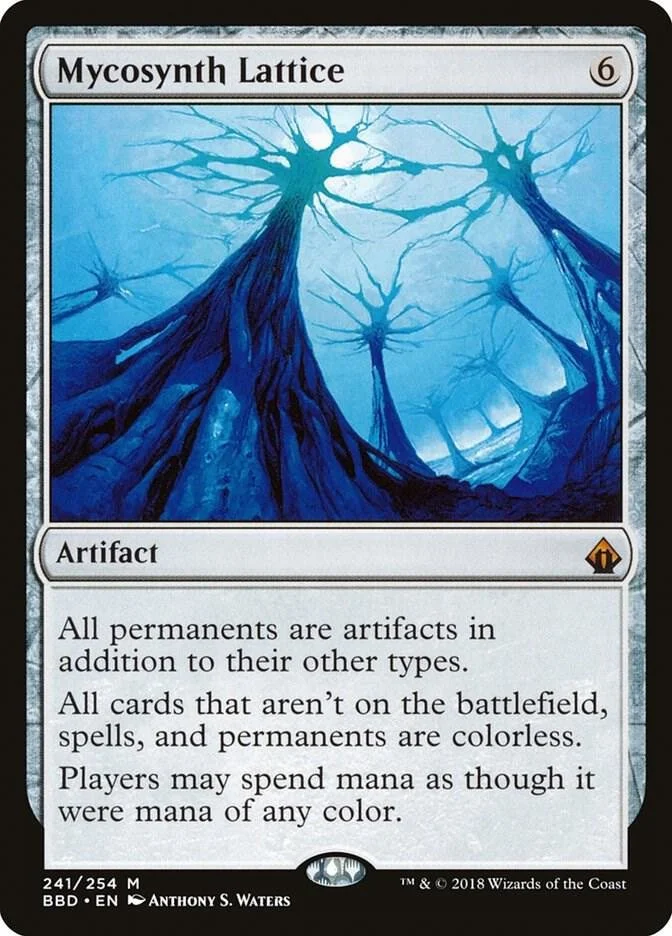
Mycosynth Lattice: Makes all permanents artifacts in addition to their other types and provides additional color flexibility. That greatly expands what your artifact effects can interact with, but it is symmetrical and has major consequences alongside March of the Machines. Treat it as a card that changes the whole battlefield, rather than an uncomplicated token upgrade.
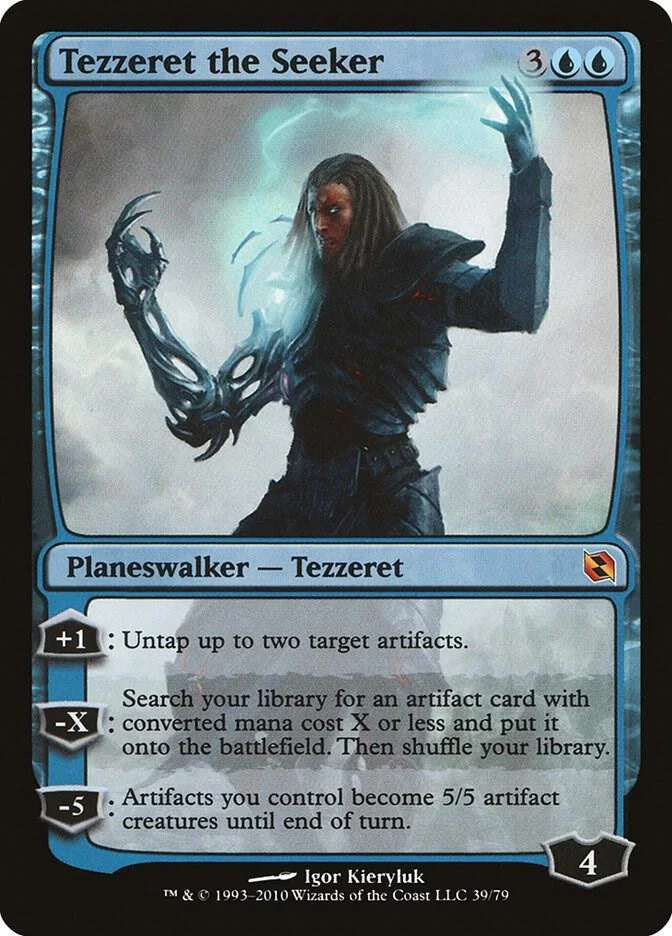
Tezzeret The Seeker: Can untap artifacts, find an artifact directly onto the battlefield, or turn your artifacts into 5/5 artifact creatures for the turn. Unlike Cyberdrive's noncreature-only animation, his final ability can set existing Sculptures to 5/5 as well. You still need to account for summoning sickness before attacking.
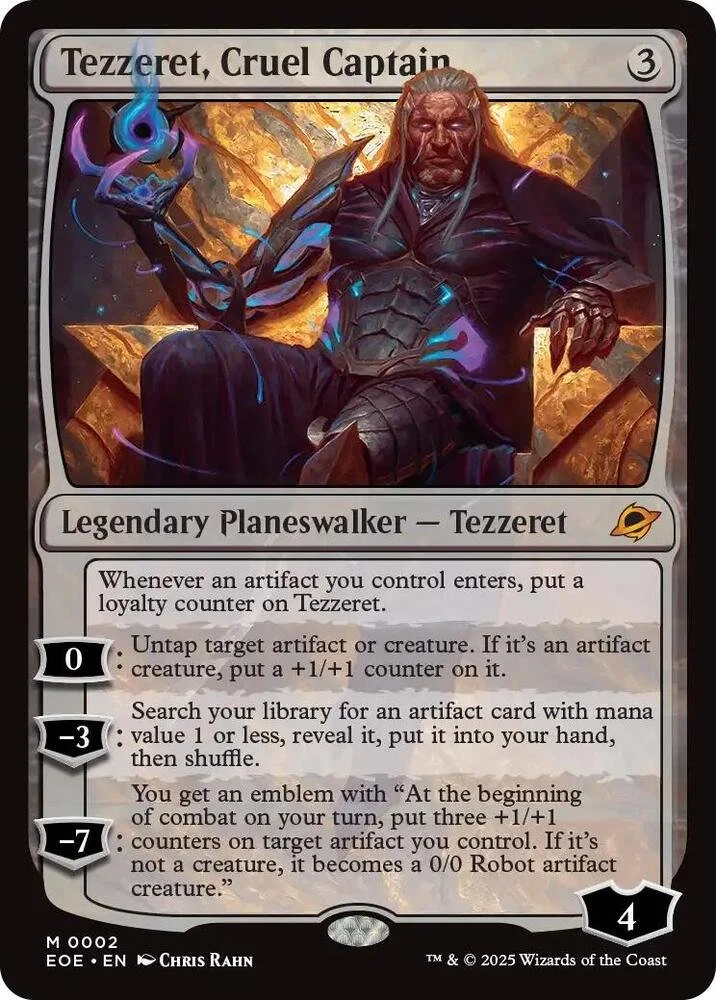
Tezzeret, Cruel Captain: Gains loyalty when your artifacts enter, which connects directly to the tokens and permanents this deck produces. He can untap an artifact or creature, find a small artifact, and eventually supply an emblem that grows and animates artifacts. He gives you another payoff for developing the board rather than only rewarding the final attack.
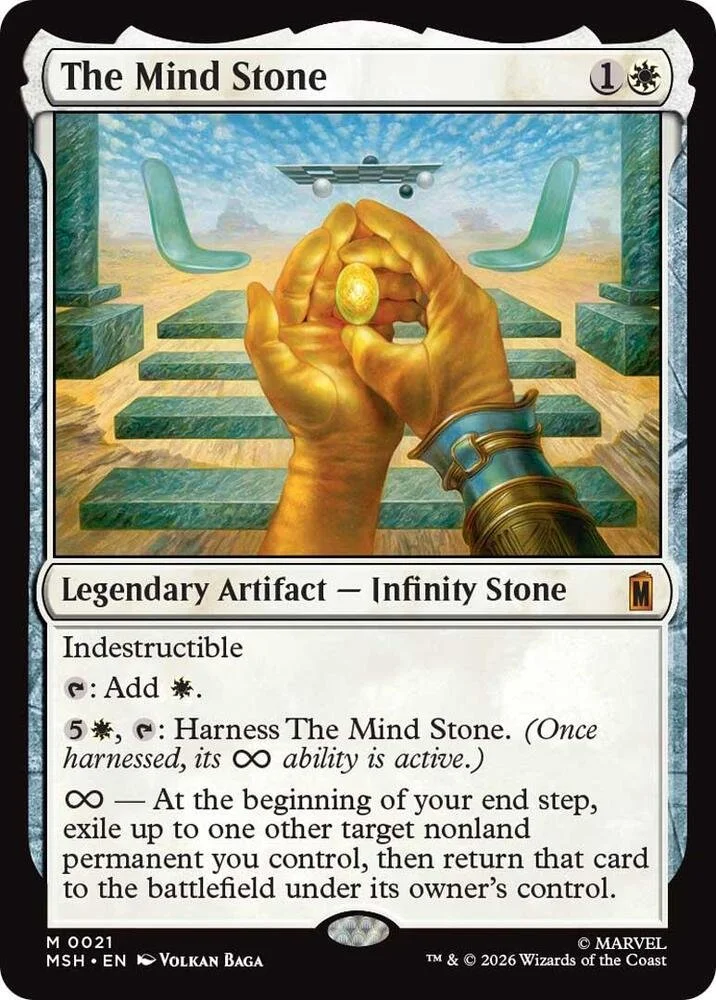
The Mind Stone: Is an indestructible white mana rock that can be harnessed to unlock an end-step blink ability. It can reuse a useful enter ability or help recover one of your creatures from certain animation effects by returning the card as a new permanent. Blinking a token does not bring it back, so choose actual cards when using that ability for repeatable value.
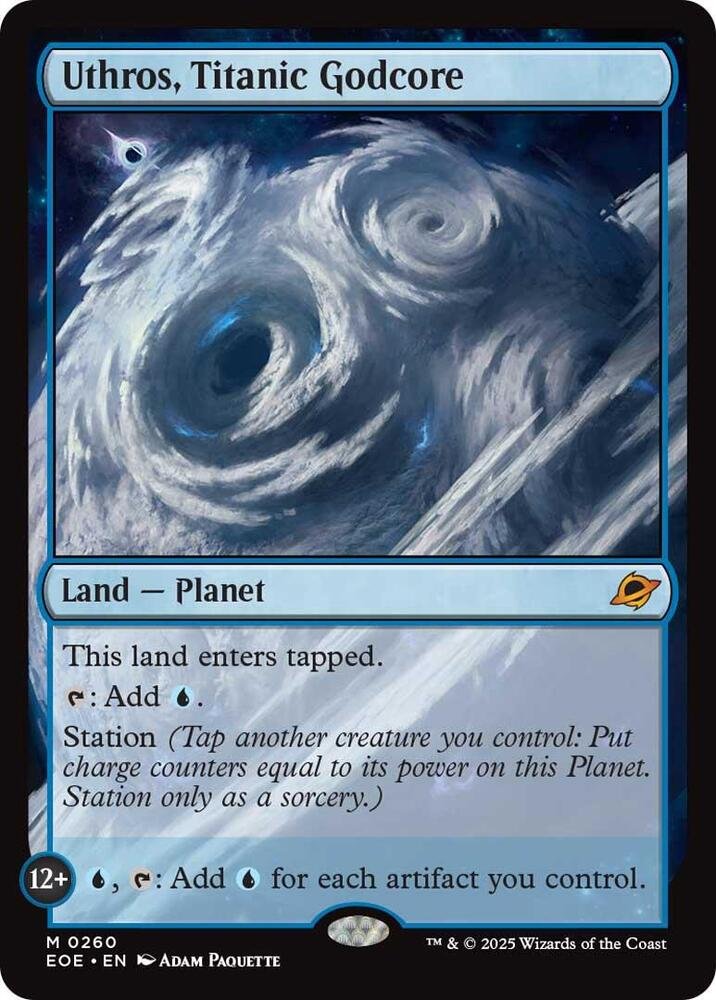
Uthros, Titanic Godcore: Becomes a large blue mana source after you station it to twelve charge counters. Its upgraded ability produces blue mana based on your artifact count, making a board full of tokens useful for a larger follow-up turn. Stationing uses creatures and sorcery timing; it is not automatically active just because you control twelve artifacts.
Mistakes to avoid when building a Vraska, Soul of Stone commander deck
Avoid filling every slot with artifact creatures. Strong artifact creatures are important here, but Vraska rewards noncreature spells. Keep enough mana rocks, enchantments, planeswalkers, instants, and sorceries to produce the tokens that support those payoffs.
Be careful with animation effects that set stats equal to mana value. Ordinary Treasure, Clue, and Food tokens generally have mana value zero, as do artifact lands. March of the Machines can therefore turn those noncreature artifacts into 0/0 creatures that die unless another effect keeps them alive. Vraska's normal Sculptures are already creatures, so March does not apply its noncreature-artifact animation to them.
That warning is particularly relevant to Ancient Den, Great Furnace, Seat of the Synod, and Treasure Vault in this list. March can cost you lands as well as tokens. With Mycosynth Lattice added, March can make all the normally noncreature lands on the battlefield into 0/0 creatures. Understand and discuss that interaction before choosing it as part of an upgraded build.
Animation can also interfere with Equipment. An Equipment that becomes a creature normally becomes unattached and cannot remain attached to another creature. Turning Skullclamp into an attacker may remove the draw engine you intended to use that turn.
Finally, do not treat vigilance as haste or as protection from removal. It keeps an attacking creature from tapping; it does not let a newly created Sculpture use its mana ability, and it does not protect your animated artifacts from a creature sweeper. Plan your attack around what can actually act and what you can afford to lose.
How This Deck Wins
This deck wins by converting a developed artifact board into a threatening army. Your noncreature spells create Sculptures, your artifacts provide mana and cards, and your animation effects let those resources become attackers when the opportunity arrives.
Cyberdrive Awakener is a clear finishing play because it turns noncreature resources into 4/4s and provides flying to your other artifact creatures. Jeskai Ascendancy can improve the army over several spells, while Craterclaw Colossus rewards a large artifact count with an aggressive combat boost.
Reckless Fireweaver provides another route to the finish by damaging every opponent as artifacts enter. It lets token production contribute damage even when combat is difficult, and Manufactor's extra artifacts make that plan more productive.
Your decisions about spending Treasures matter throughout. Sacrificing a Sculpture might pay for an important answer, but it also removes a creature and reduces your artifact count. Keeping every token forever can leave useful spells stranded in your hand. Spend resources when the next play improves your position enough to justify it.
The strongest turns make that trade feel worthwhile. You use artifacts to develop, create more artifacts while casting spells, then attack with a board that still has useful abilities afterward. Vraska's vigilance helps keep that army available for whatever the next player does.
Decklist
This is my main list, with the optional higher-budget cards listed separately in the sideboard.
Example decklist available here: Vraska Artifact Animation
Final Thoughts
Vraska, Soul of Stone gives Jeskai artifacts a fun connection between casting spells and building an army. Your Treasures can become attackers, your mana rocks can become threats, and the useful artifacts you played early can help finish the game later.
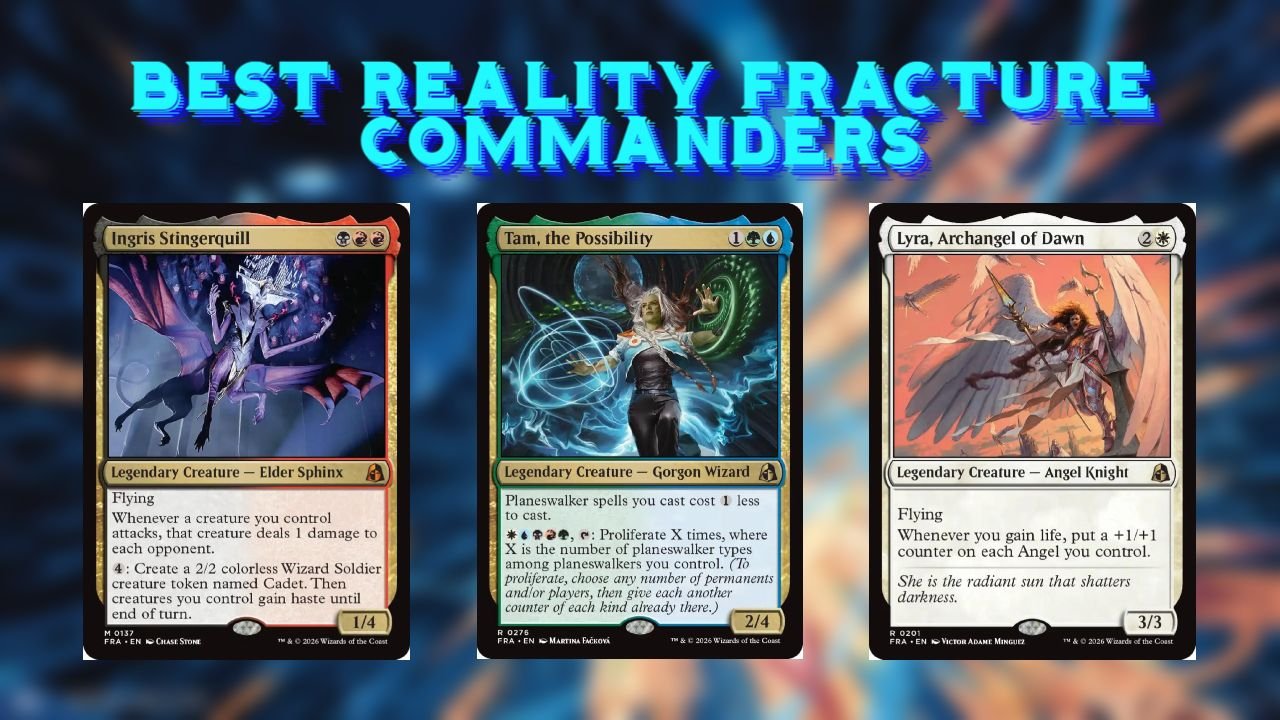
What I like about this version is the choice it gives you between spending your resources and bringing them to life. You can keep developing through noncreature spells, turn a collection of objects into a combat step, or let artifact entries chip away at the table. If making an army out of the things that normally sit behind your creatures sounds fun, check out my best Reality Fracture commanders guide for more deck-building ideas from this set.
If you need some clean new accessories to go with your new commander deck, check out Gamegenic’s Reality Fracture line up!