Rakdos has plenty of commanders that reward attacking, sacrificing creatures, or dealing damage outside of combat. Ingris Stingerquill brings those ideas together in a deck that wants opponents to feel every attack, even when they have enough blockers to keep the actual combat damage under control.
For my version, I wanted to build around attack triggers and noncombat damage, with menace and deathtouch making blocks uncomfortable. Mobilize adds temporary creatures to the attack, while sacrifice effects give those creatures another job before they leave at the end of the turn. The result is a deck that can pressure the whole table while still threatening a serious combat step against one player.
The important part is making those pieces support each other. Your creatures should help deal damage, your damage should improve your attacks, and your temporary tokens should ideally accomplish more than just disappearing at the end step.
Commander Overview
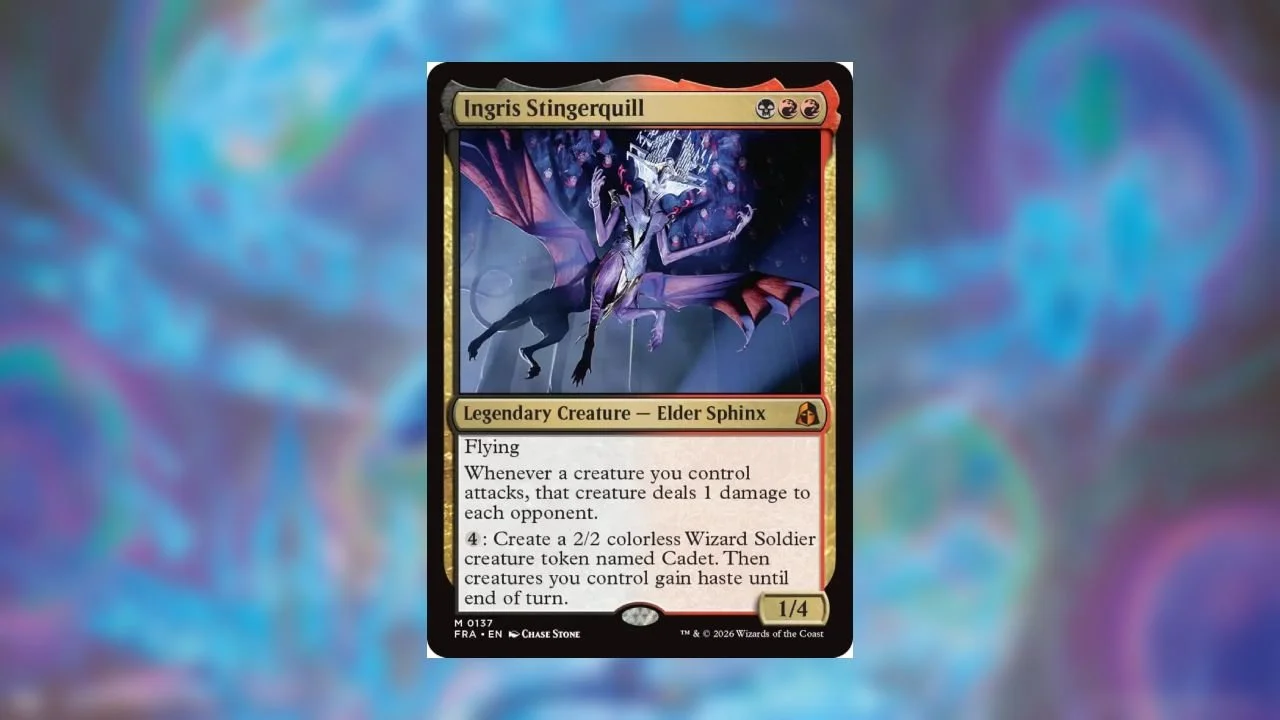
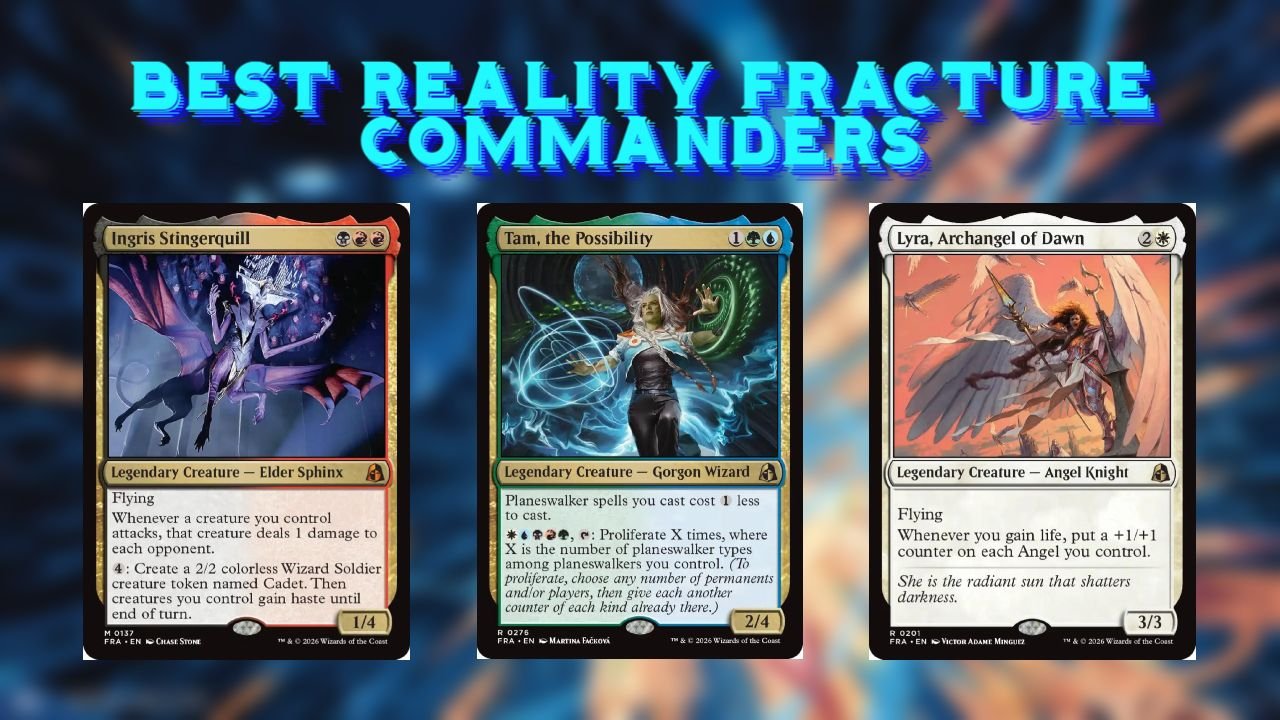
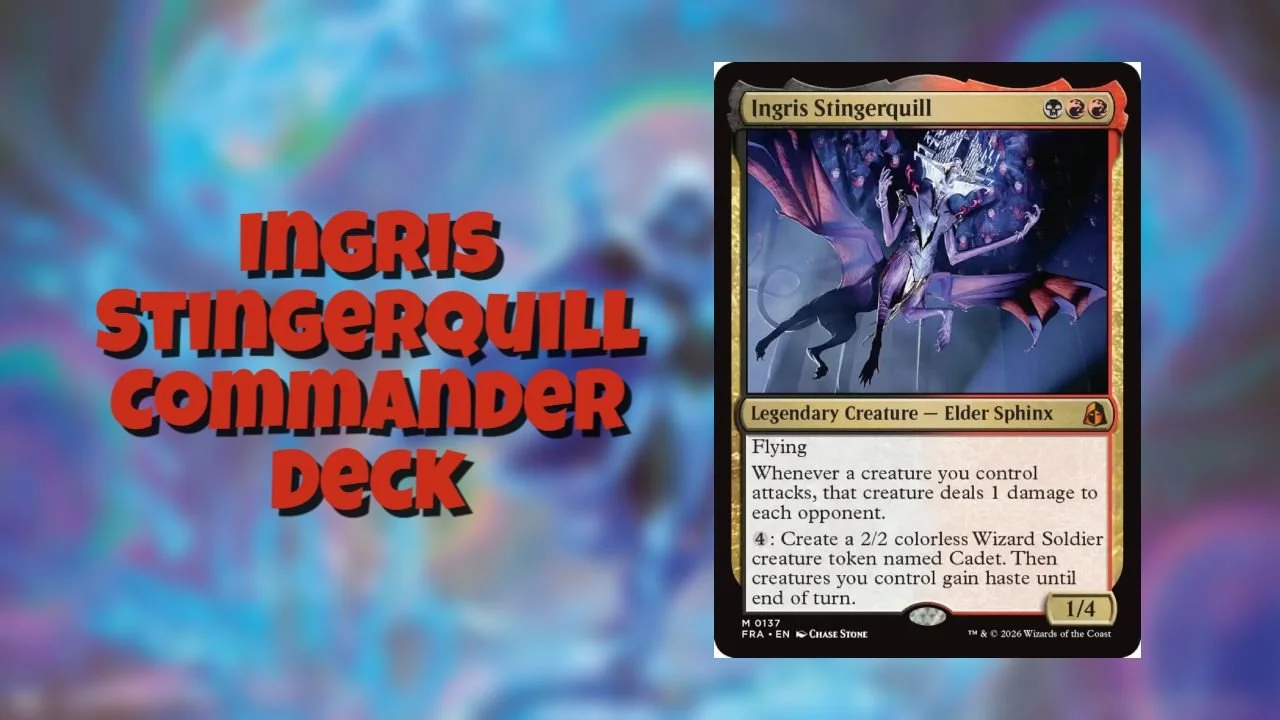
Ingris Stingerquill is a three-mana 1/4 Elder Sphinx with flying. Whenever a creature you control attacks, that creature deals one damage to each opponent. You can also pay four mana to create a 2/2 colorless Wizard Soldier creature token named Cadet, then give creatures you control haste until end of turn.
Ingris rewards the number of creatures you declare as attackers. A small creature produces the same one damage to each opponent as a large creature, so a wide board gives you more triggers. The attacking creature is the damage source, which matters for cards that improve damage or give abilities to those creatures.
That triggered damage is noncombat damage, even though it happens during combat. It normally happens before blockers are declared, letting your damage payoffs influence the attack itself.
There is one important distinction with mobilize: the Warrior tokens enter already attacking. They were not declared as attackers, so they do not generate extra Ingris triggers when they enter. They still contribute combat damage, increase your creature count, and provide bodies for your sacrifice effects.
Main Deck Strategy
This deck wants to develop creatures early, establish Ingris and a payoff, then keep attacking while converting the extra damage and temporary bodies into more value. You have several ways to make those attacks productive beyond simply hoping an opponent cannot block.
Attack With Creatures That Make Blocking Difficult
Menace and deathtouch both make opponents think harder about blocking. Menace requires at least two blockers, while deathtouch makes even a small creature capable of trading with something much larger.
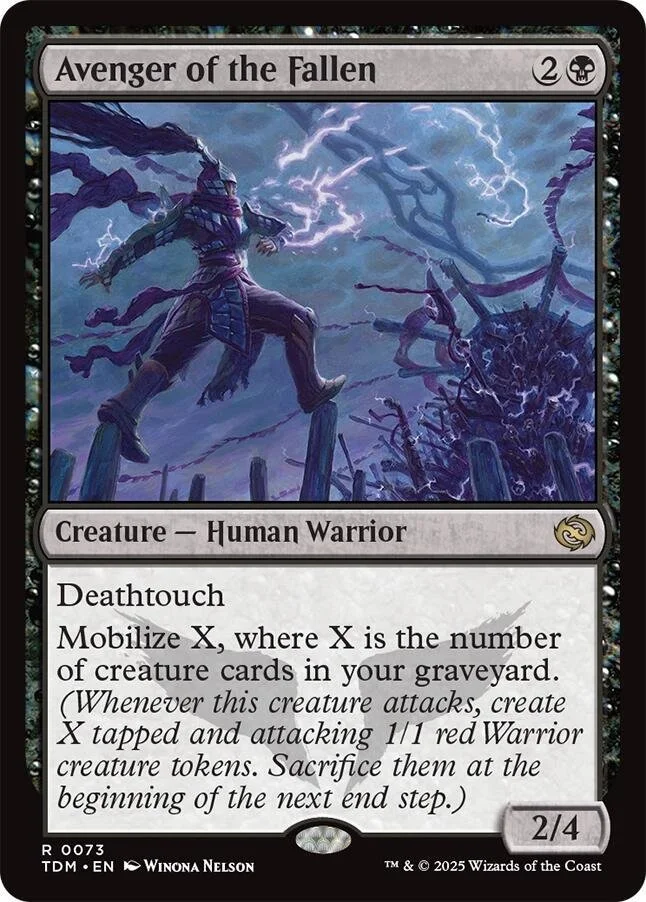
Shock Brigade combines menace with mobilize, adding another body to the combat step when it attacks. Avenger of the Fallen brings deathtouch and can create a much larger group of Warriors once creature cards have accumulated in your graveyard. Your flyers give you another way to attack when the ground becomes crowded.
The goal is to keep your useful creatures attacking across multiple turns. Ingris gives you damage before blocks, but repeatedly losing your whole board will eventually leave you without an engine. Use removal, evasion, and combat tricks to make the attacks sustainable.
You also do not have to attack every opponent to damage everyone. You can send your declared attackers toward the player with the safest blocks while Ingris's triggers pressure all your opponents.
Turn Noncombat Damage Into Stronger Attacks
Ingris supplies separate damage events for each declared attacker. Cards like Master of Barbs reward those events by improving your creatures before the actual combat damage happens.
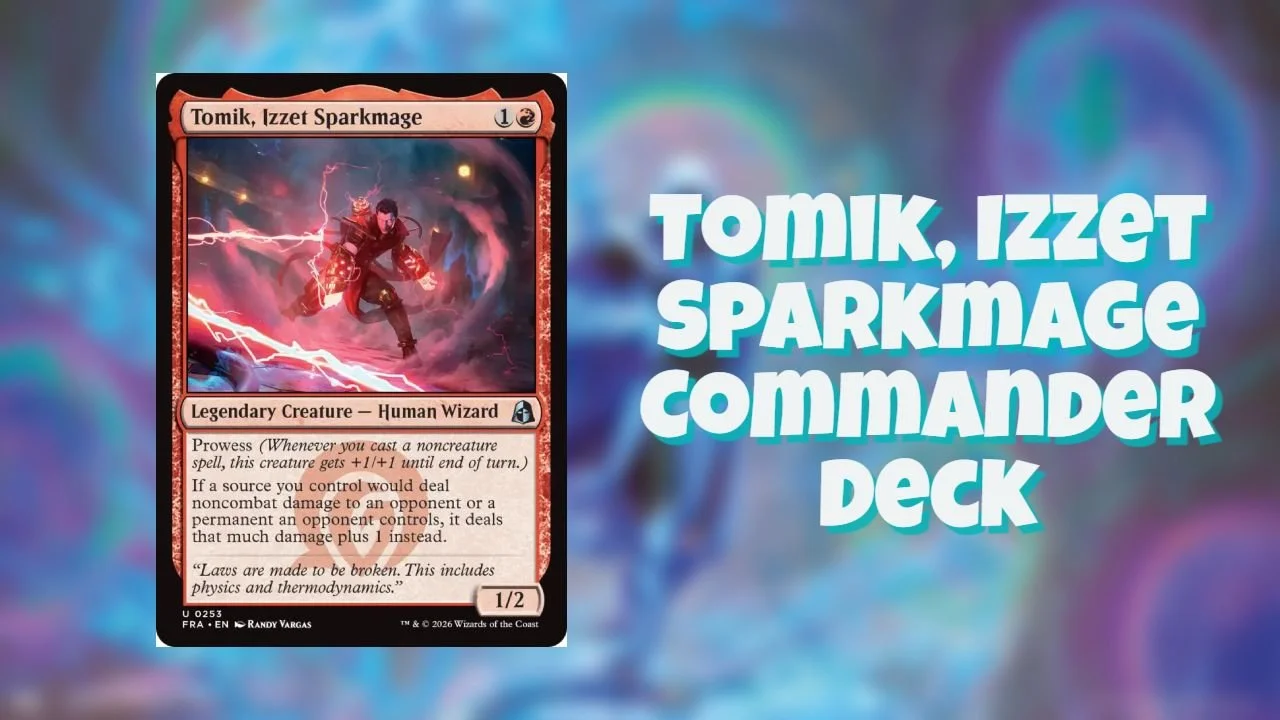
Tomik, Izzet Sparkmage makes each qualifying hit deal an additional point of damage. That increases the commander's output without requiring more attackers, and it also improves other noncombat damage sources throughout the deck.
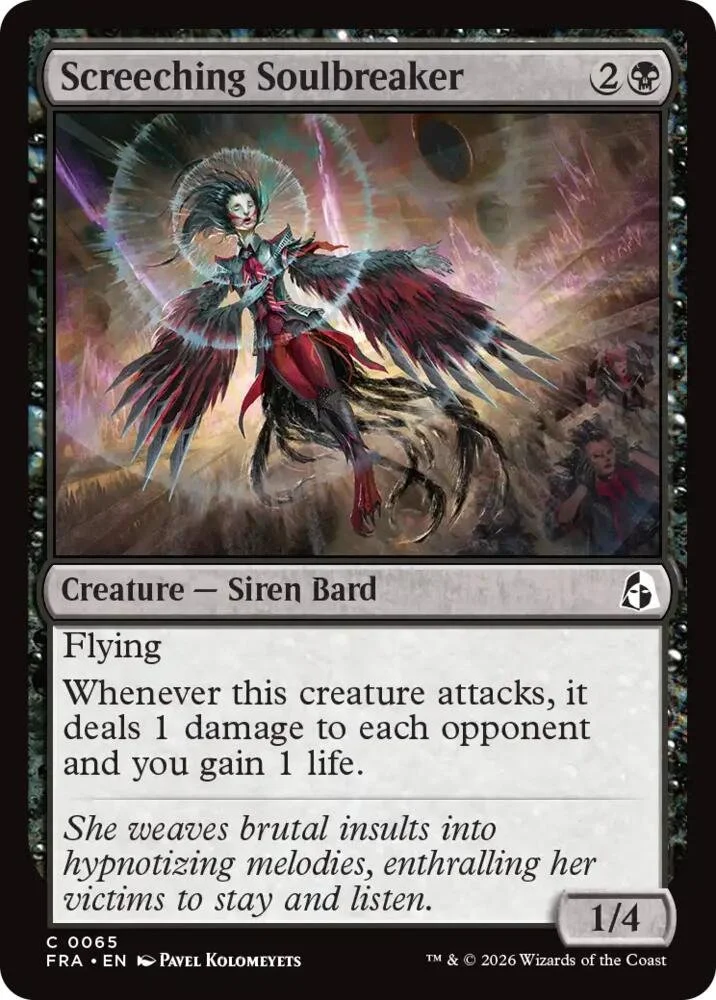
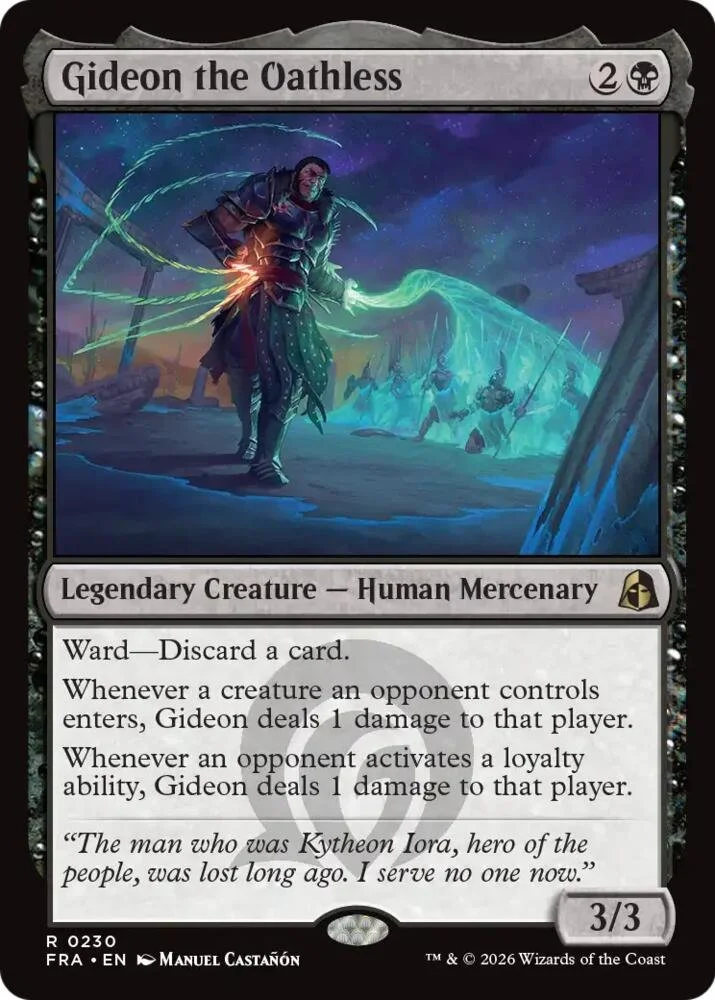
Your supporting damage cards keep pressure moving even when attacking is awkward. Screeching Soulbreaker has its own attack-damage trigger, Gideon the Oathless punishes opponents for certain plays, and Koth, the Geomancer makes land drops contribute damage.
You want enough creatures to attack and enough payoffs to make attacking worthwhile. Too many damage payoffs without a board will leave you waiting for something to trigger them. Too many ordinary creatures without support can leave your attacks underpowered against a developed table.
Use Mobilize Tokens Before The End Step
Mobilize tokens are temporary, so use their remaining time on the battlefield. They can attack, increase the size of creature-count effects, and become resources during your second main phase if they survive combat.
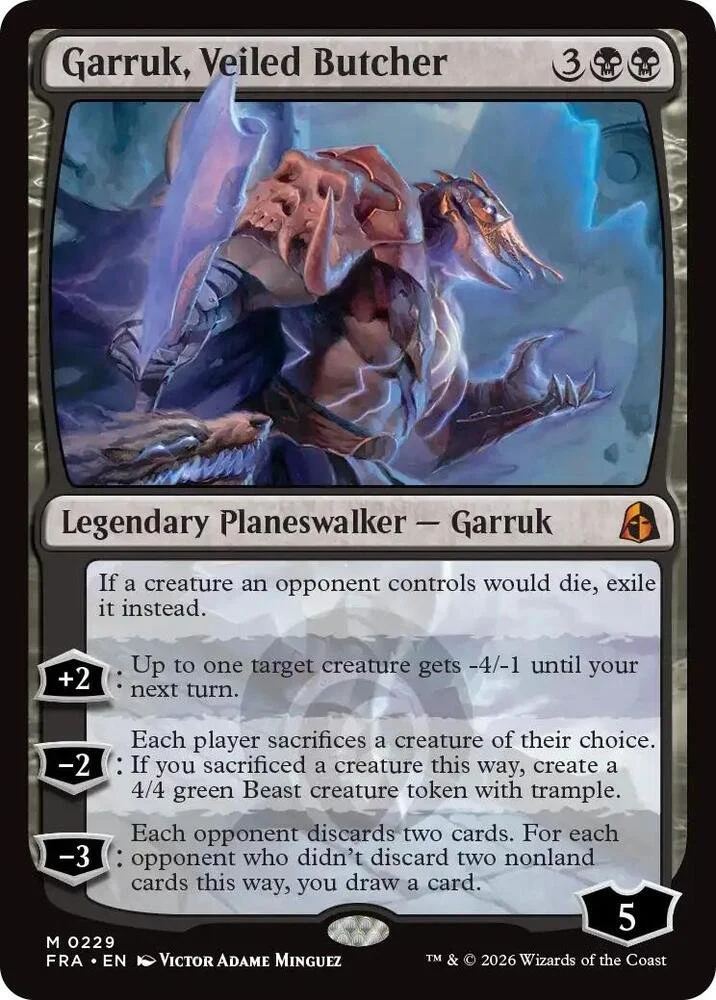
Way of the Deathbringer lets your planeswalkers sacrifice a creature to create a 4/4 Beast with trample. Garruk, Veiled Butcher can make each player sacrifice a creature, then reward your sacrifice with a Beast. Trading a Warrior you were about to lose anyway for a permanent threat makes those effects especially appealing.
You do need to respect timing. Loyalty abilities normally require your main phase and an empty stack, so use those abilities in your second main phase before the mobilize sacrifice trigger happens. They are not instant-speed outlets you can activate whenever a token is about to die.
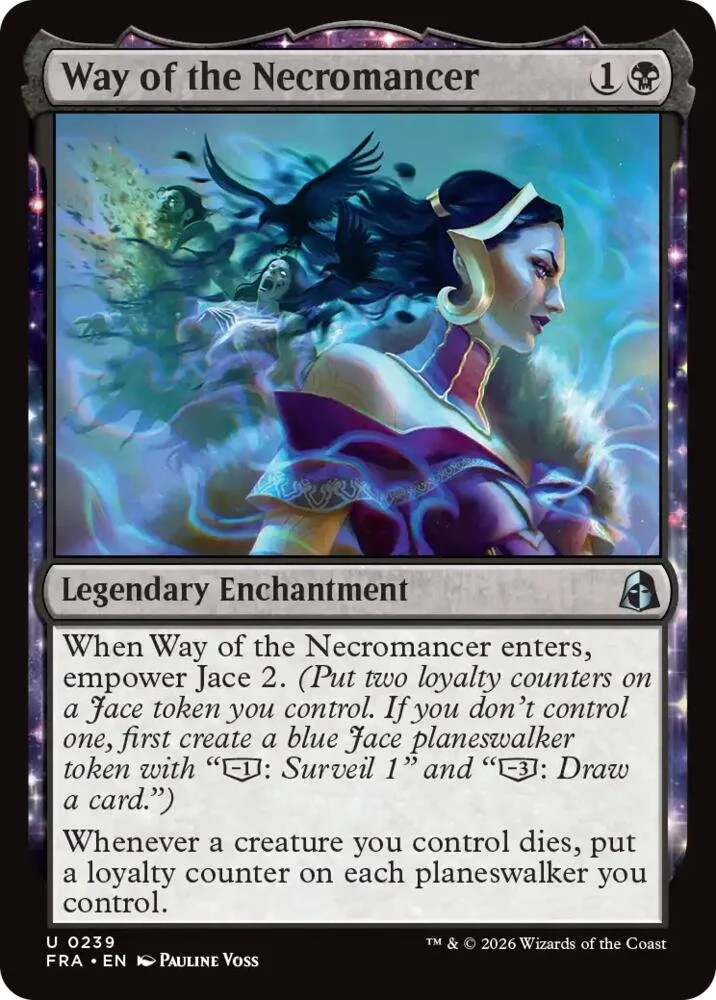
Way of the Necromancer gives those deaths another purpose by adding loyalty to your planeswalkers. Even tokens sacrificed to mobilize's own delayed trigger can provide that benefit, since they do go to the graveyard before ceasing to exist.
Best Cards For An Ingris Stingerquill Commander Deck
The best cards for this deck fall into three main categories: attackers and token generators, noncombat damage payoffs, and sacrifice support with interaction. You want creatures that keep combat productive, rewards that turn small hits into serious pressure, and ways to use your temporary bodies while keeping the attack going.
Best Attackers And Token Generators
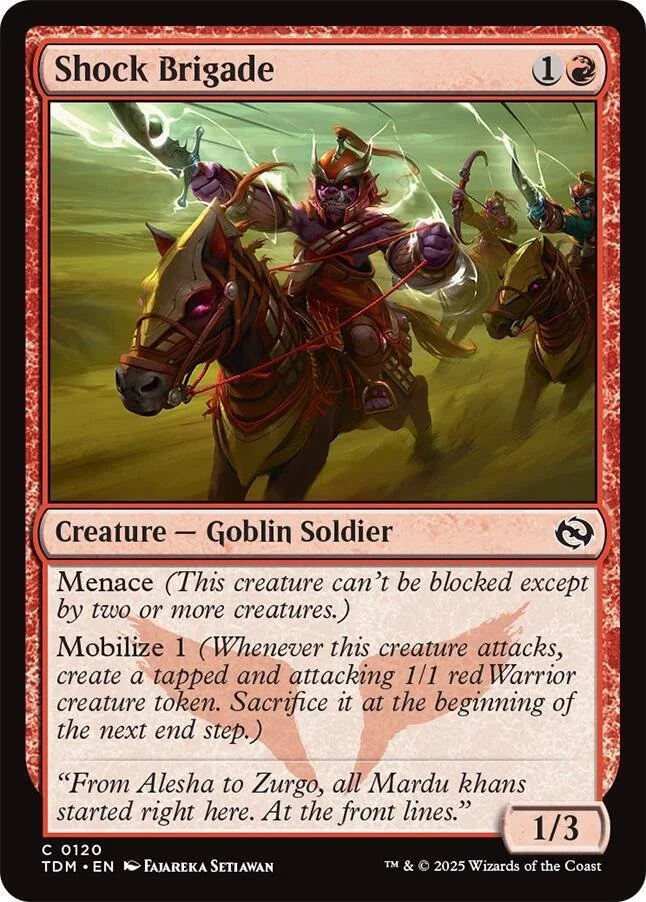
Shock Brigade: Combines menace and mobilize on an inexpensive creature. The Brigade itself generates an Ingris trigger when declared as an attacker, while its Warrior token adds combat pressure. It is a useful early body that supports several parts of the plan at once.
Avenger of the Fallen: Has deathtouch and mobilize based on the number of creature cards in your graveyard. It can generate a substantial attack later in the game, but token deaths do not permanently increase that graveyard count. You need actual creature cards there to increase its mobilize value.
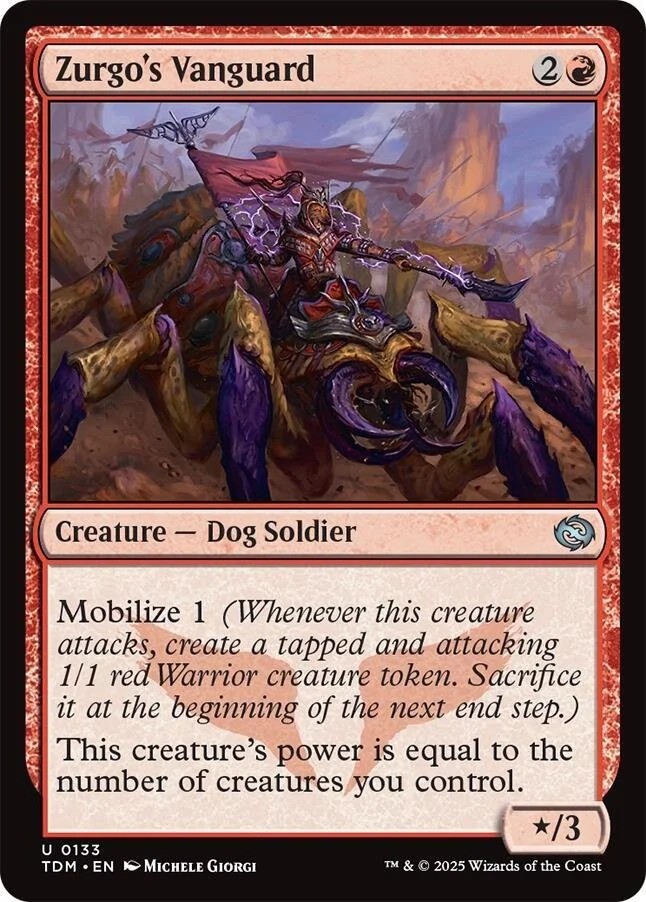
Zurgo's Vanguard: Has mobilize one and power equal to the number of creatures you control. The extra Warriors from your other mobilize creatures can increase its power during combat, making it a natural payoff for attacking with a growing board.
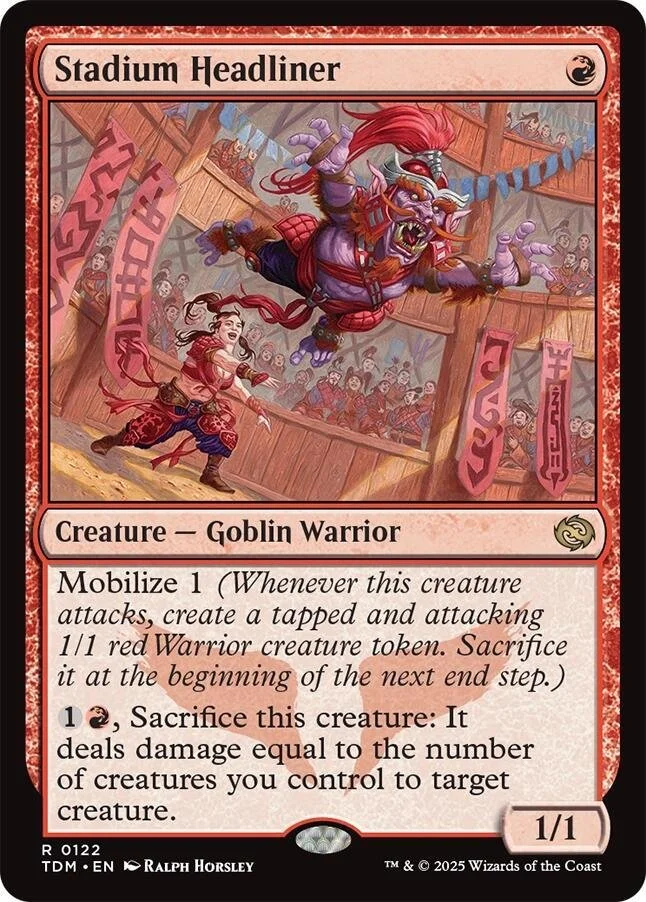
Stadium Headliner: Gives you a one-mana mobilize creature that can start developing the board early. Its activated ability sacrifices the Headliner itself to damage a creature based on your creature count. It can use the size of a mobilized army, but it does not let you sacrifice any Warrior you choose.
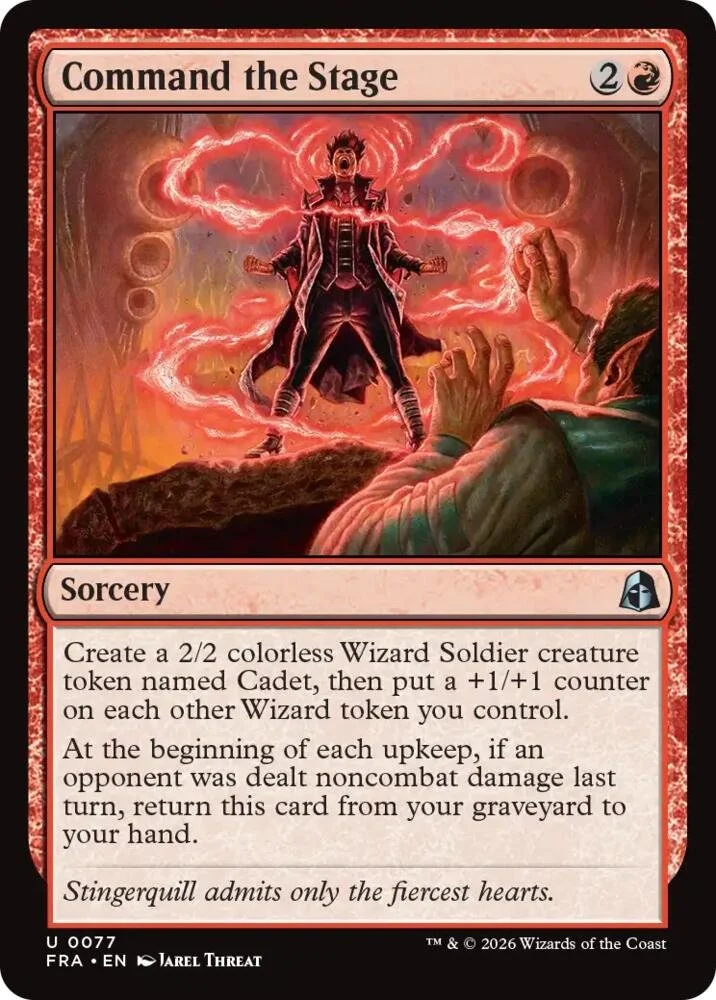
Command the Stage: Creates a Cadet and puts a +1/+1 counter on each other Wizard token you control. It can return from your graveyard at the beginning of an upkeep if an opponent took noncombat damage during the previous turn. Ingris helps meet that condition, giving you a way to keep supplying permanent attackers.
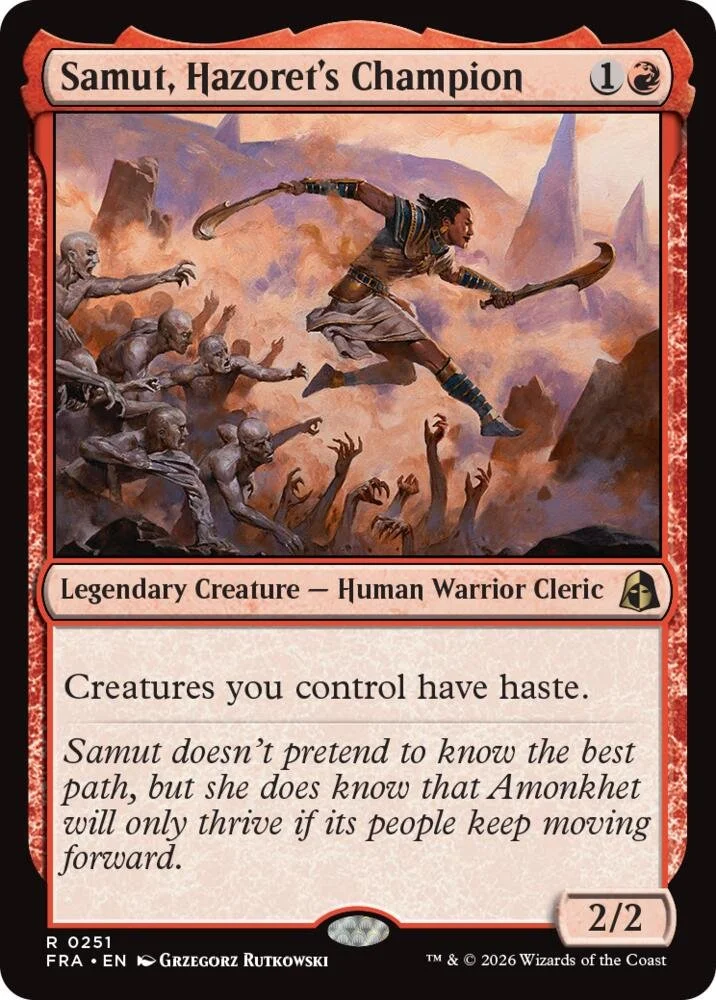
Samut, Hazoret's Champion: Gives all your creatures haste. That lets newly cast creatures and tokens created before combat contribute to the attack immediately, without needing to spend four mana on Ingris's activated ability each time.
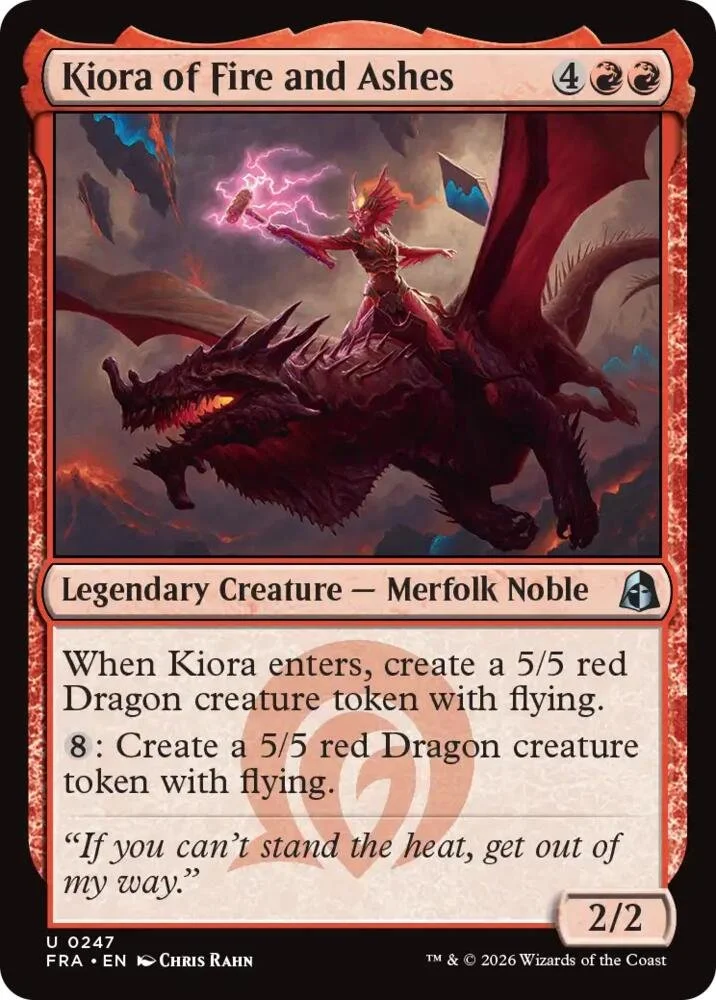
Kiora of Fire and Ashes: Creates a 5/5 flying Dragon when she enters and can produce more Dragons with additional mana. That gives you two bodies from one card, including a strong evasive attacker. Haste support helps turn those bodies into immediate pressure.
Best Noncombat Damage Payoffs
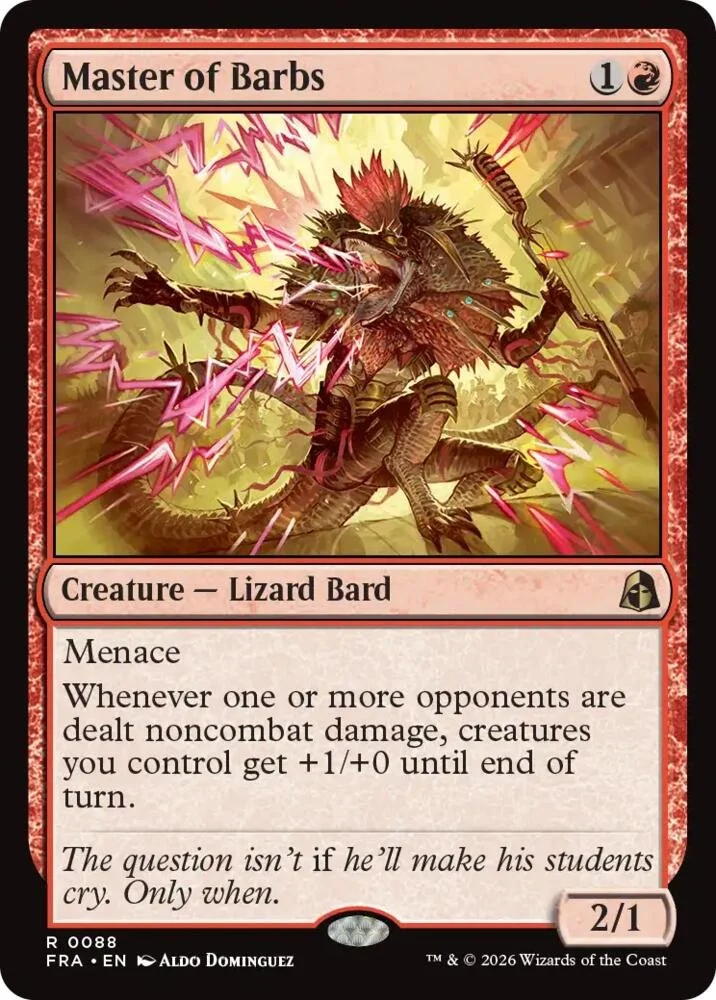
Master of Barbs: Gives your creatures +1/+0 until end of turn whenever one or more opponents are dealt noncombat damage. Each resolving Ingris trigger can produce a separate Master of Barbs trigger, building a large boost before blockers. One hit damaging three opponents simultaneously gives one Master trigger, rather than three.
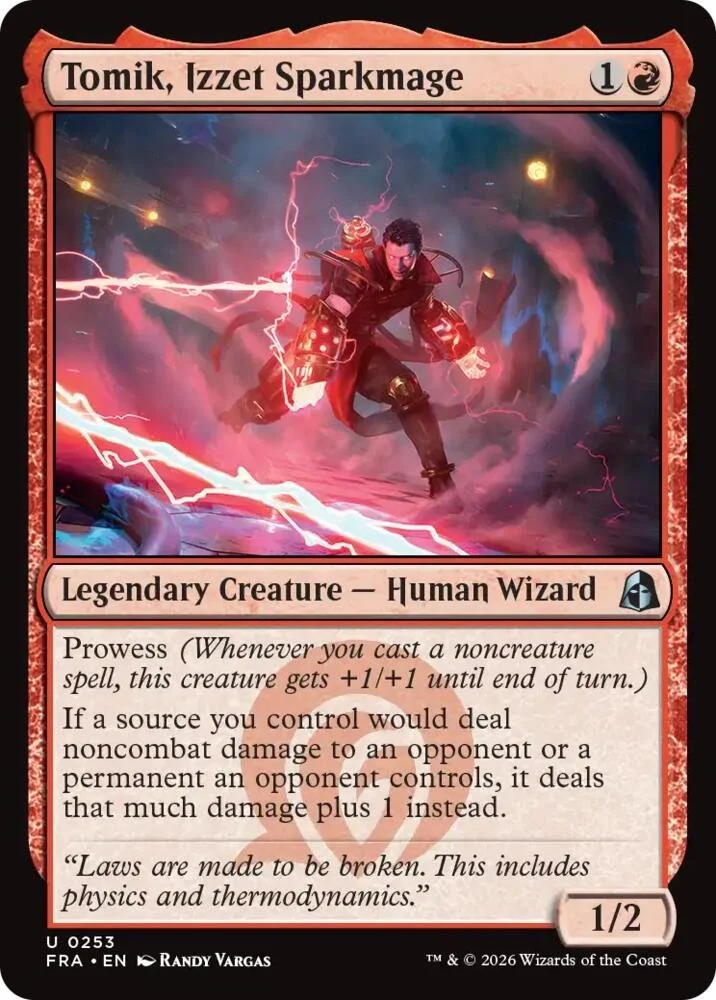
Tomik, Izzet Sparkmage: Adds one to noncombat damage your sources deal to opponents or their permanents. That turns each normal Ingris hit from one damage to two, regardless of the attacking creature's color. Tomik is mono-red despite his name, so he fits this Rakdos deck.
Screeching Soulbreaker: Deals one damage to each opponent and gains you one life when it attacks. With Ingris available, declaring it as an attacker produces both its own trigger and the commander's trigger. Those are two separate noncombat damage events for your other payoffs to notice.
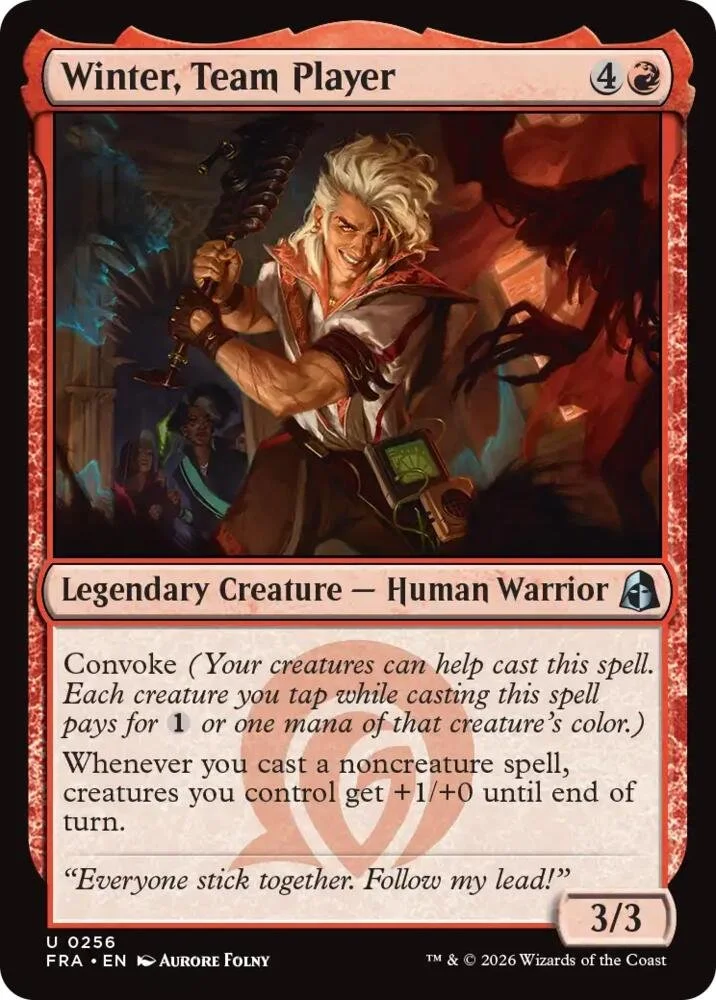
Winter, Team Player: Gives your creatures +1/+0 until end of turn whenever you cast a noncreature spell. That makes combat tricks, removal, and prepared spells contribute another board-wide buff. Creatures that enter after a particular trigger resolves do not receive that earlier buff, so keep your mobilize timing in mind.
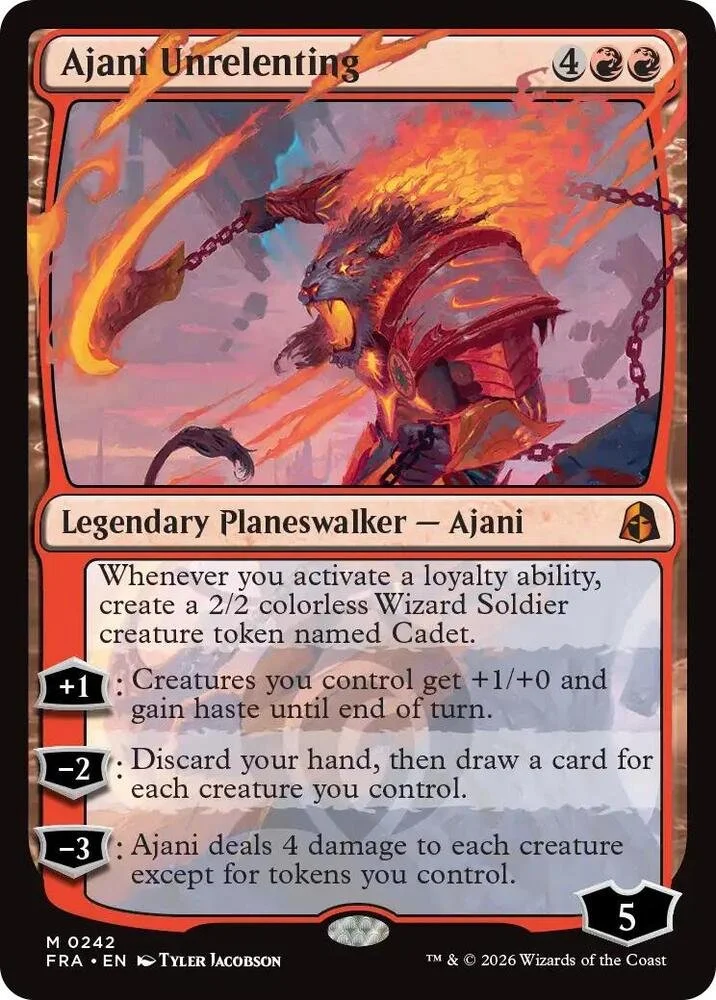
Ajani Unrelenting: Creates a Cadet whenever you activate a loyalty ability, giving your planeswalker package another way to build the board. His own abilities can improve your army and grant haste, turn your hand into cards based on your creature count, or damage creatures while sparing your tokens. That flexibility makes him a useful way to keep pressure moving after the early attacks.
Gideon the Oathless: Damages an opponent when a creature enters under their control or when they activate a loyalty ability. It pressures opponents while they develop and can trigger your noncombat damage payoffs outside your turn. That matters when combat alone is not keeping life totals moving quickly enough.
Best Sacrifice Support And Interaction
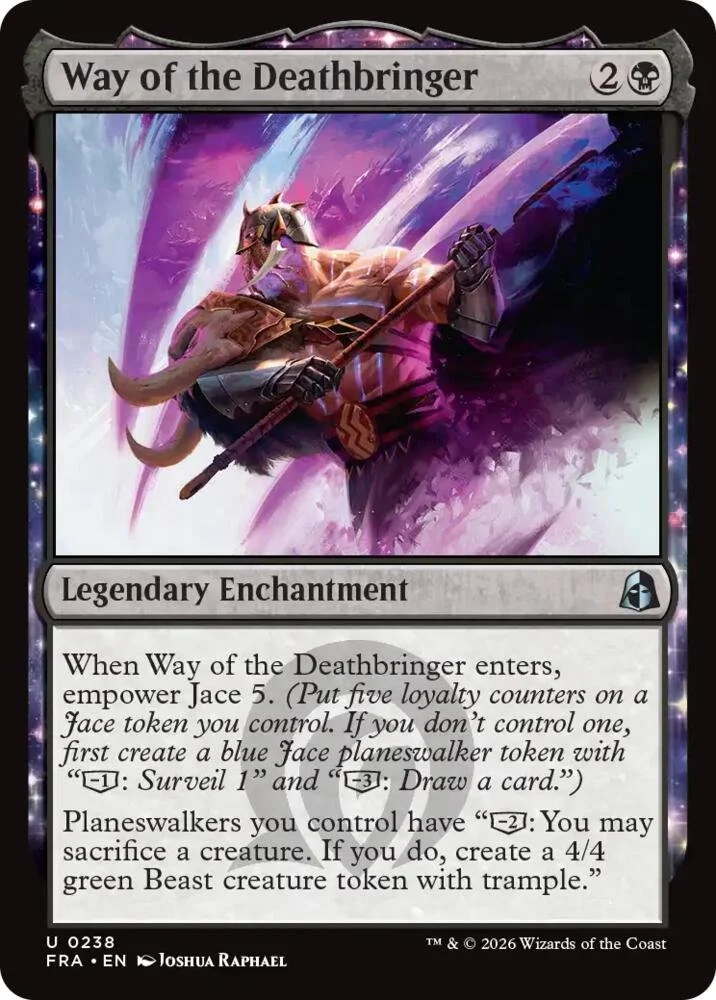
Way of the Deathbringer: Empowers Jace when it enters and gives your planeswalkers a loyalty ability that trades a creature for a 4/4 Beast with trample. A surviving mobilize Warrior is a useful sacrifice during your second main phase. The Beast stays on the battlefield after the temporary Warrior would have been lost.
Way of the Necromancer: Adds a loyalty counter to each planeswalker you control whenever one of your creatures dies. Mobilize's end-step sacrifices can therefore help pay for future loyalty abilities. It also empowers Jace when it enters, helping establish a planeswalker to receive those counters.
Garruk, Veiled Butcher: Can force each player to sacrifice a creature and give you a Beast if you sacrificed one. Using a temporary Warrior keeps your more important attackers available. His replacement effect exiles opposing creatures that would die, which can also interfere with opponents' graveyard plans.
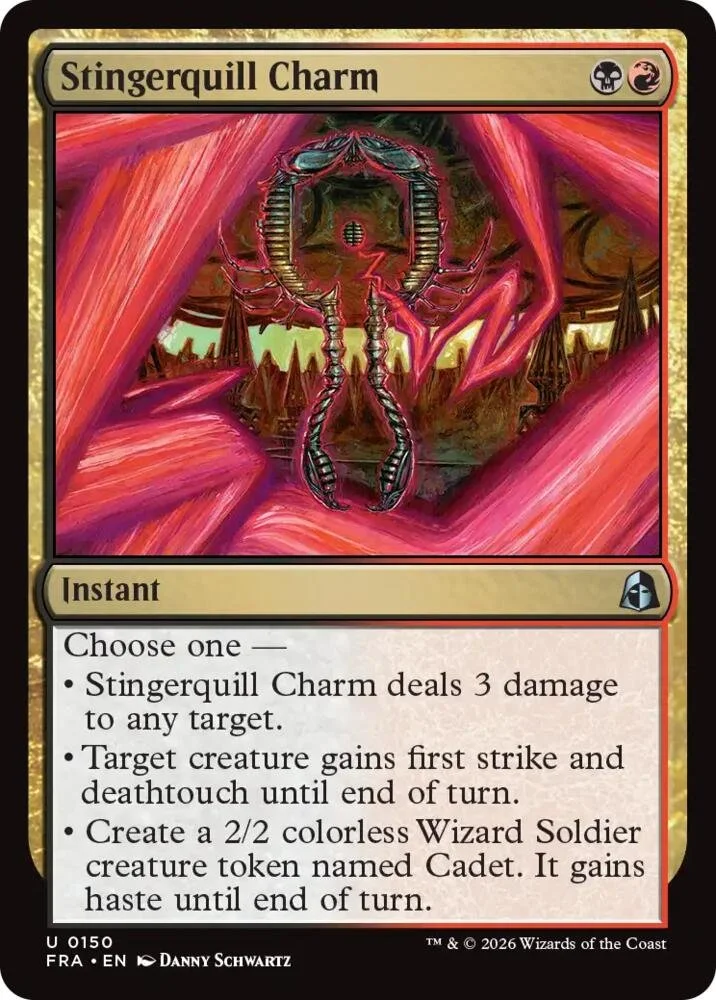
Stingerquill Charm: Offers damage to any target, first strike and deathtouch for a creature, or a hasty Cadet token. Those modes cover removal, difficult combat, and adding another declared attacker if you create the Cadet before attackers are chosen. Creating it after that point does not put it into the current attack.
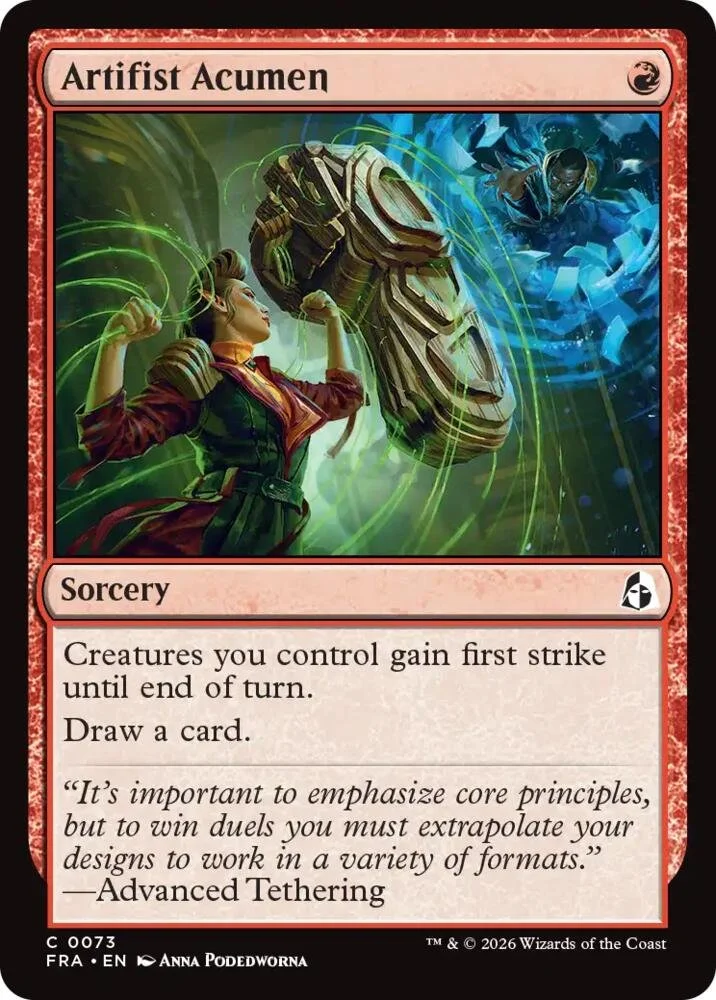
Artifist Acumen: Gives your creatures first strike until end of turn and draws a card. First strike becomes particularly threatening alongside deathtouch, allowing a creature to destroy an ordinary blocker before that blocker deals regular combat damage. Cast it before combat when you need those existing creatures to receive the effect.
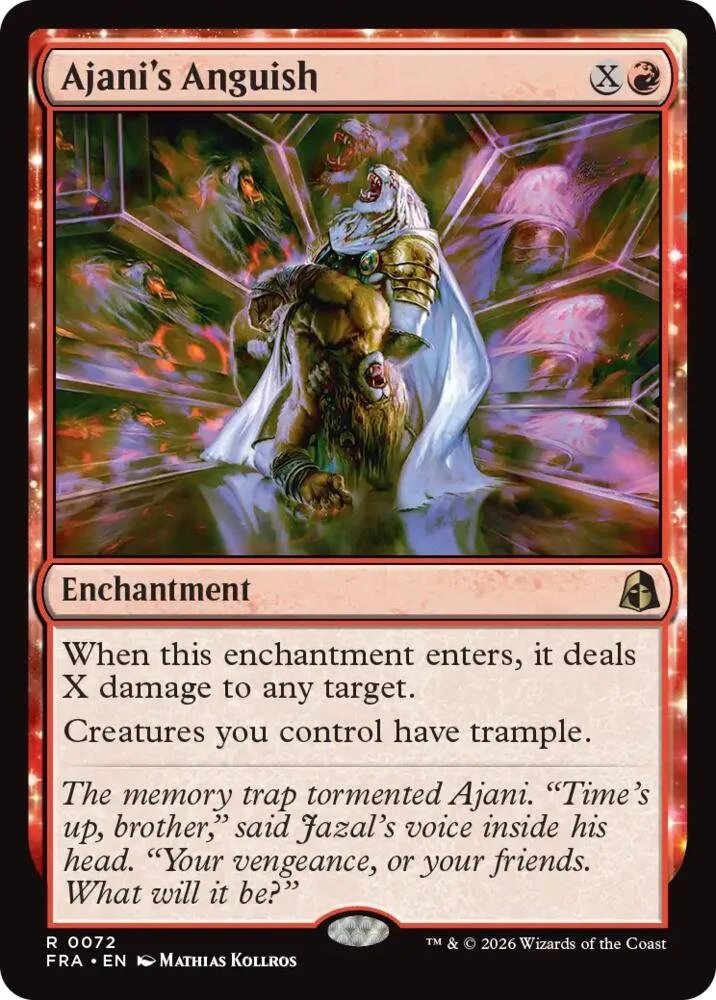
Ajani's Anguish: Deals X damage to a target when it enters and gives your creatures trample while it remains on the battlefield. Trample helps your buffs turn into player damage, especially when a wide army would otherwise be stopped by small blockers.
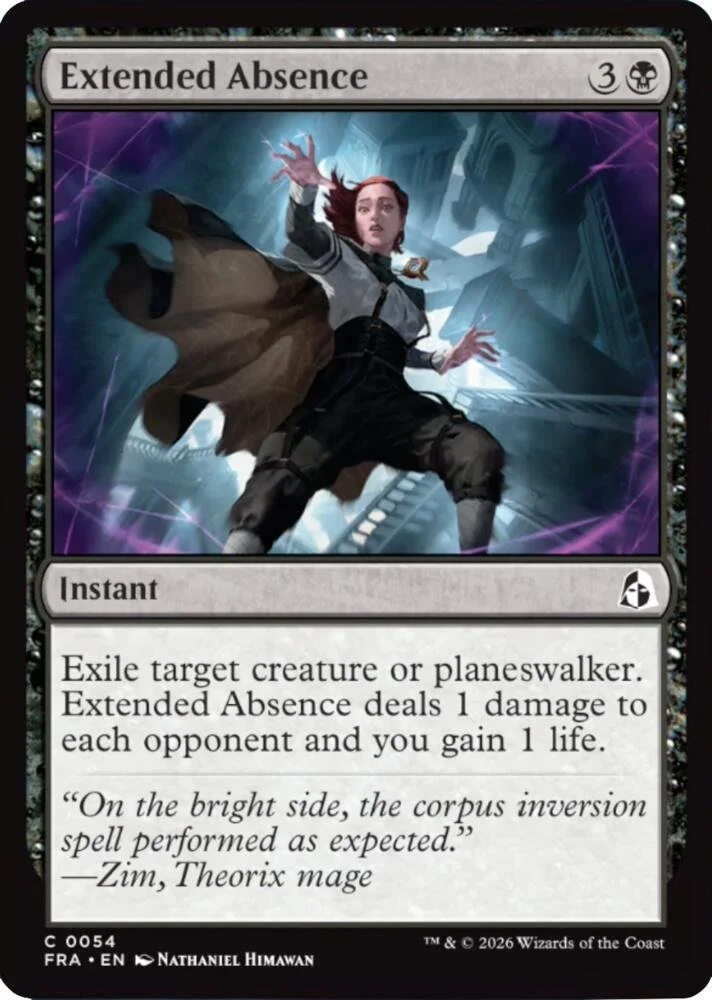
Extended Absence: Exiles a creature or planeswalker while also damaging each opponent and gaining you life. It costs more mana than your smallest removal spells, but it connects a useful answer to the damage plan. That makes it valuable when you want to remove a threat and still advance your own engine.
Budget Options For An Ingris Stingerquill Commander Deck
The basic plan does not require expensive creatures in every slot. Low-cost attackers, mobilize creatures, combat support, and removal give you a solid foundation because Ingris rewards each declared attacker regardless of its starting power.
Shock Brigade, Stadium Headliner, Zurgo's Vanguard, and Avenger of the Fallen are useful starting points to compare when building the attack package. Command the Stage supplies permanent tokens over time, while Stingerquill Charm and Artifist Acumen support combat without taking up a whole turn's mana.
Your mana still needs attention. Ingris costs one black and two red mana, so colorless utility lands cannot supply everything you need. Basic Mountains and Swamps can replace premium dual lands, but maintain enough red sources to cast the commander reliably.
If you want additional sacrifice options beyond this supplied list, cards such as Viscera Seer, Village Rites, and Deadly Dispute are worth considering. They offer ways to use a temporary creature for selection or cards, with timing that differs from your loyalty abilities. Check current prices and printings when choosing which effects fit your budget.
The key is keeping the deck moving. A hand full of expensive payoffs does not do much if you cannot establish attackers or replace the resources you spend. Prioritize a functional curve and some card access before buying a premium threat.
Higher Power/Budget Options For An Ingris Stingerquill Commander Deck
Darklight Phoenix is the optional upgrade listed in my sideboard. Commander does not normally use a traditional sideboard, so this is a card to swap into the 99 if it fits your budget.
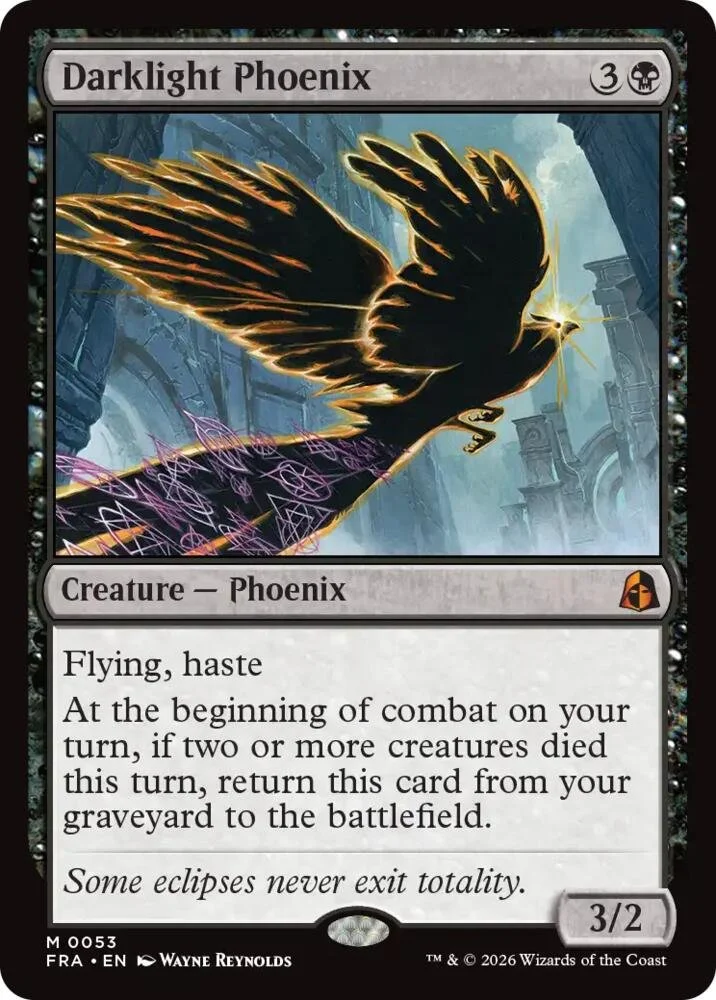
Darklight Phoenix: Gives you a flying, hasty threat that can return from your graveyard at the beginning of combat on your turn if two or more creatures died that turn. That makes precombat sacrifices or removal useful setup for another attacker. Creatures dying during combat or to mobilize's end-step sacrifice happen too late for the normal beginning-of-combat trigger that turn, and deaths from the previous turn do not meet its condition.
The Phoenix improves the deck's ability to keep producing threats after removal, but it needs the right timing to work reliably. It is most appealing when you can arrange two deaths before combat without giving up the board you wanted to attack with.
Cards To Avoid When Building An Ingris Stingerquill Commander Deck
Avoid assuming every creature entering attacking produces an Ingris trigger. Mobilize tokens contribute plenty, but you need creatures actually declared as attackers to generate the commander's damage. That distinction should guide how you evaluate other token cards too.
Be careful with too many expensive creatures that only offer large stats. Ingris gives a small attacker the same triggered damage as a large one. Big creatures can still finish games, but they need to justify taking mana away from developing several bodies or supporting an existing attack.
Do not fill the deck entirely with single-creature buffs either. Those can be useful for a combat trick or an evasive threat, but Master of Barbs and similar army-wide effects reward the board you are already building.
You also want to distinguish sacrifice, destruction, and exile. Identity Echo exiles the creature or planeswalker it uses, so that action does not trigger Way of the Necromancer's creature-dies ability. Mobilize's delayed instruction sacrifices its tokens, which does trigger it. Similar-looking ways to remove your own creatures do not always produce the same payoffs.
Finally, avoid treating every narrow removal spell as a universal answer. Essence Burn has color restrictions, Terminal Criticism only destroys blue or red creatures or planeswalkers, and Multiply by Zero can leave a creature alive if counters or other effects still increase its toughness. Use those cards where they are effective and keep broader answers available for other threats.
How This Deck Wins
This deck wins through a combination of damage before blocks and damage from the attack itself. You establish a group of creatures, use Ingris to pressure every opponent, then rely on evasion, buffs, and combat tricks to make the actual attack dangerous too.
Master of Barbs can turn the same attack that supplies damage triggers into a much larger combat step. Mobilize contributes extra bodies to receive those buffs, while Tomik makes the triggered damage harder to ignore. Opponents may be able to stop some attackers, but blocking does not undo the noncombat damage already dealt.
The sacrifice package helps you keep playing after that attack. Temporary Warriors can become permanent Beasts, loyalty counters, or a larger Ajani refill. That gives you more ways to prepare the next turn instead of treating each combat as your only chance to accomplish something.
You do not need to force every creature into a bad attack just to get one more trigger. Protecting an important engine or keeping a blocker can be the better play when you are not threatening lethal. The strongest turns connect a safe enough attack with damage payoffs and a useful second main phase.
Ingris's triggered damage is not commander damage, even when Ingris himself is the creature dealing it. The 21-damage commander rule only counts combat damage from the actual commander. Most games with this version are about reducing regular life totals through repeated pressure across both parts of the combat step.
Decklist
This is my main list, with the optional higher-budget cards listed separately in the sideboard.
Example decklist available here: Ingris Stingerquill Attack Triggers
Final Thoughts
Ingris Stingerquill makes attacking feel productive before the first blocker is even chosen. You have the triggered damage pressuring everyone, difficult combat choices for the defending player, and temporary tokens that can keep contributing after the attack is over.
What I like about this version is how those pieces connect. Mobilize supplies extra combat pressure, your damage payoffs make the army stronger, and your sacrifice effects help turn a temporary attack into resources for the next turn. If you enjoy Rakdos decks that keep opponents making uncomfortable decisions, Ingris has plenty to offer. Check out my best Reality Fracture commanders guide for more deck-building ideas from this set. And if you’re looking for a fun way to test this deck out solo, check out my Reality Fracture Horde mode guide!
If you need some clean new accessories to go with your new commander deck, check out Gamegenic’s Reality Fracture line up!