Disclosure: This is a paid guest post. The author or an affiliated third party paid for its publication, and the article may contain promotional links. The views and opinions expressed are those of the author and do not necessarily reflect those of GameTyrant or its editorial staff.
Disclaimer: The following content contains references to gambling, casinos, and related topics.
Cancelled outdoor plans don’t just disrupt a schedule — they trigger a measurable emotional response. Research in behavioural psychology consistently shows that anticipated reward loss activates the same neural pathways as actual loss, which means a rained-out Saturday genuinely stings. That sting, though, is exactly what makes people surprisingly productive indoors. The substitution mechanism kicks in fast.
A 2024 study published in the Journal of Environmental Psychology found that individuals who redirected their energy into low-friction indoor activities within 30 minutes of a cancelled plan reported mood recovery rates nearly 40% higher than those who remained idle. Not 5%, not marginal — 40%. The brain doesn’t really care whether the dopamine came from a hike or a sketchbook. It just wants the hit.
“I used to feel like a rainy day was a dead day,” says Marcus, a freelance photographer. “Now I almost look forward to it. Weird, but true.”
5 Hobbies Worth Actually Picking Up
Not all indoor hobbies are equal when emotional motivation is low. The ones that stick during rainy-day substitution share three traits — low setup friction, visible short-term progress and sensory engagement. Here’s what consistently surfaces at the top:
Sketching or digital illustration — a blank page and a pencil. That’s the entire barrier to entry. Progress is visible within the first hour, which matters enormously when the brain is hunting for a sense of accomplishment to replace what was lost outside.
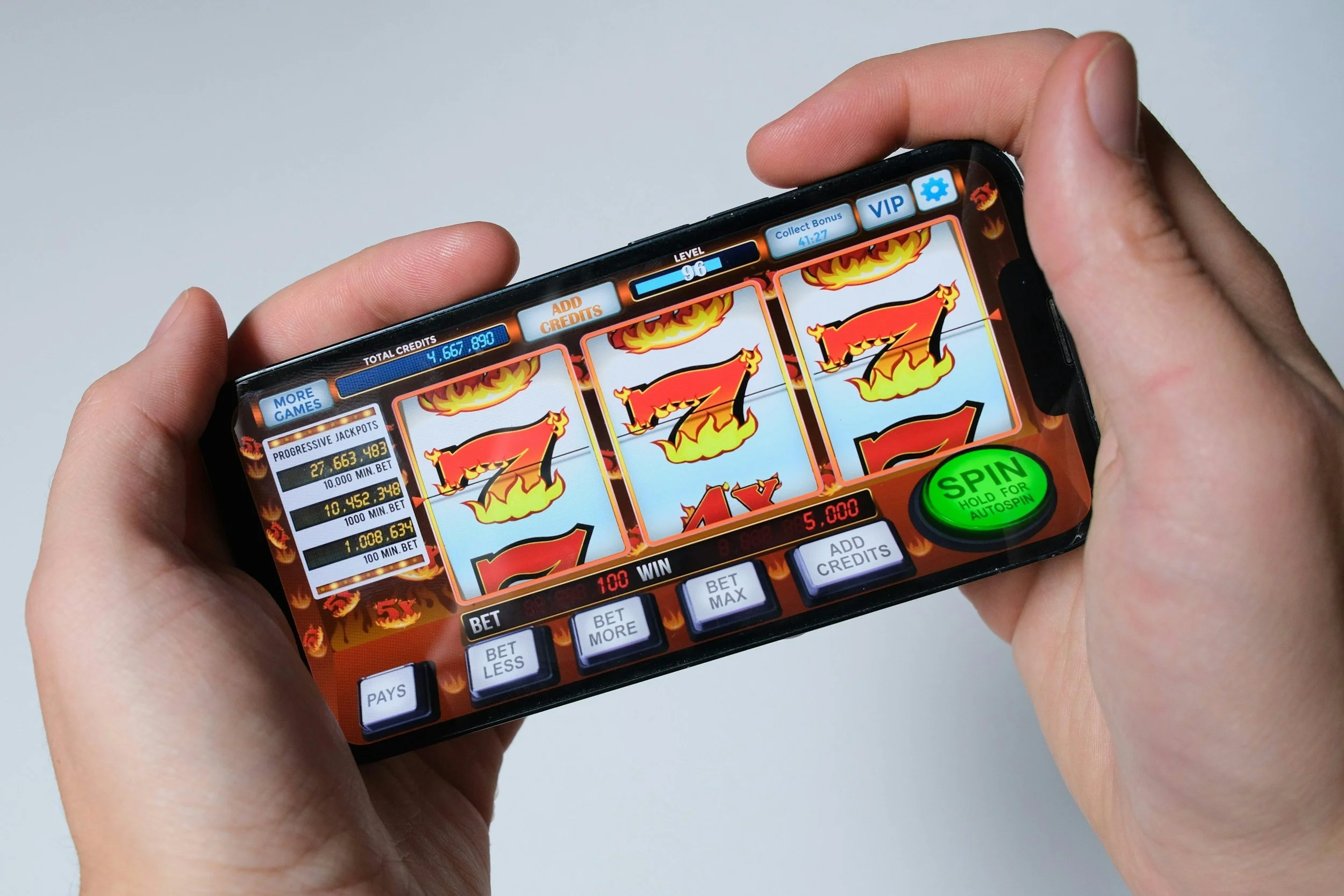
Online strategy gaming or casino-style entertainment — platforms like Cashy Casino offer structured, rule-based engagement that taps directly into the brain’s reward circuitry. The format is low-friction, immediately interactive and — crucially — delivers that rapid feedback loop the brain craves during mood repair.
Cooking an unfamiliar recipe — this one’s interesting because the outcome is physical and consumable. It converts abstract effort into something you can literally eat. Completion rate spikes compared to more abstract creative hobbies when mood is already compromised.
Learning an instrument, even badly — “badly” is intentional here. Neuroscience research from McGill University links musical activity to dopamine release independent of skill level. You don’t need to be good. You just need to play.
Journaling or creative writing — the act of externalising thoughts reduces cognitive load significantly. A 2023 meta-analysis in Psychological Science found that expressive writing sessions as short as 20 minutes reduced self-reported stress markers by up to 28%.
What Makes a Rainy Day the Best Day to Actually Get Good at Something
Here’s the counterintuitive part. Rainy days, specifically because they remove the optionality of outdoor activity, create something rare — genuine, distraction-reduced focus time. The decision fatigue that normally bleeds your afternoon dry is gone. There’s nothing else to weigh up. That reduction in cognitive noise is, according to attention research from Stanford’s behavioural lab, associated with measurably deeper engagement with skill-based tasks.
“My best painting sessions have always been on days where going outside wasn’t even a question,” says Priya, an amateur watercolourist. “The rain kind of locks you in, mentally.”
The identity shift matters too. People who reframe disrupted days as “opportunity windows” rather than “lost time” demonstrate stronger habit retention over seasonal periods. It’s not motivational fluff — it’s identity reinforcement, and it has measurable downstream effects on hobby consistency through autumn and winter months.
Comparing Indoor Hobbies by Friction Level and Reward Speed
To understand why some hobbies dominate on low-motivation days, it helps to stack them side by side. Friction and reward timing are everything when the brain is already running on emotional reserves:
| Hobby | Setup Friction | Time to First Reward | Honest Note |
|---|---|---|---|
| Sketching | Basically zero — just find a pen | Under 10 minutes if you stop overthinking | The hardest part is starting. After that it flows. |
| Casino-style platforms like Cashy | Minimal — browser or app, done | Immediate. Like, actually immediate. | The feedback loop is engineered to be fast — that’s why it works for mood repair. |
| Cooking something new | Medium — requires ingredients you may not have | 30–60 minutes but the payoff is edible | Fails catastrophically if the fridge is half-empty. |
| Instrument practice | Low if instrument is already out, high if it’s in a case in a cupboard | 20–30 minutes before it stops sounding painful | Nobody talks about the first 15 minutes. They’re rough. |
| Expressive writing | Literally a notes app | 15–20 minutes — stress reduction is nearly immediate | Most underrated on the list. Seriously. |
The Habits That Actually Stick Past the Rain
Weather-triggered hobby engagement isn’t just a one-off coping mechanism — it’s the actual origin point of durable long-term habits for a significant portion of people. A behavioural survey conducted by the University of Bath in 2024 found that 34% of respondents who identified a “core indoor hobby” traced its consistent practice back to a weather disruption event. Not a New Year’s resolution. Not a life overhaul. A cancelled picnic.
Here’s why the habits formed on these days tend to hold. The emotional context at the point of habit formation gets encoded alongside the behaviour itself — meaning the next time the rain hits, the cue-routine-reward loop fires without much conscious effort. The rainy window becomes, over time, not an interruption but an invitation. The psychological mechanics stack in your favour the more you repeat the pattern.
Seasonal routine perception — how you frame grey months mentally — determines whether you enter them with dread or with a kind of quiet readiness. People who’ve built strong indoor hobby loops, whether through platforms like Cashy or through a dedicated sketchbook habit, consistently report lower anticipatory disappointment during bad weather periods. The numbers back that up: mood regulation scores in habitual indoor hobbyists run approximately 22% higher during autumn-winter seasons compared to people without established indoor routines, according to self-report data from the 2025 Seasonal Wellbeing Index.
“I stopped fighting rainy Sundays a few years ago,” says Tom, a 38-year-old teacher. “Now I actually want them.”
One More Thing Worth Saying Directly
The best indoor hobby isn’t the most impressive one. It’s the one with the lowest barrier between you and starting. Research keeps confirming this. Setup friction is the single biggest predictor of whether a hobby gets picked up or abandoned on a low-motivation day — not interest level, not skill ceiling, not long-term potential. Just friction. If you can start it in under two minutes, you’ll probably actually do it.