Disclosure: This is a paid guest post. The author or an affiliated third party paid for its publication, and the article may contain promotional links. The views and opinions expressed are those of the author and do not necessarily reflect those of GameTyrant or its editorial staff.
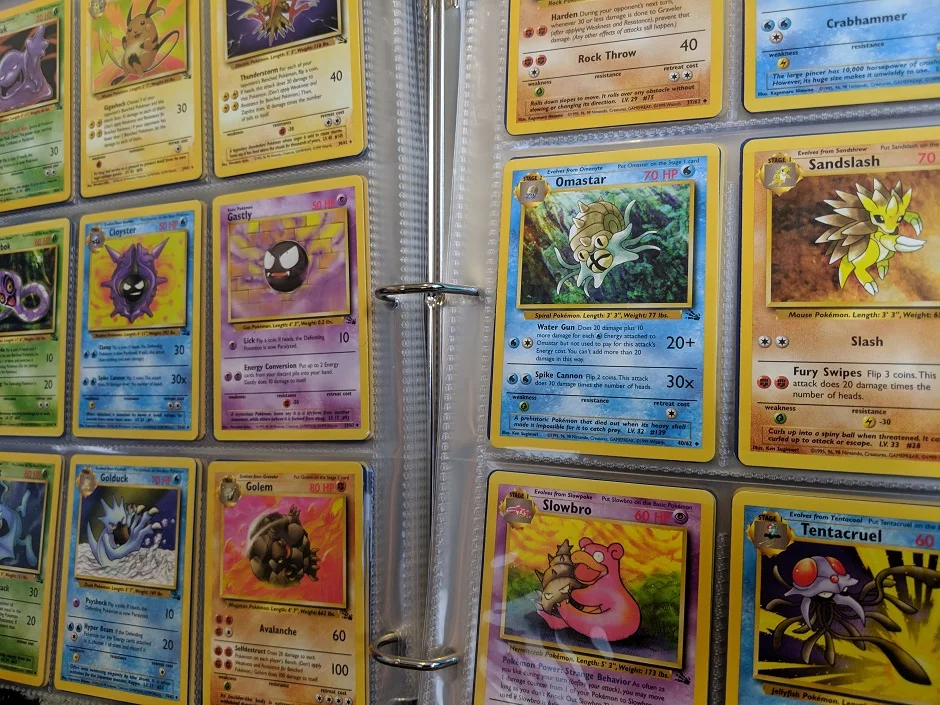
Most people who grew up with a Game Boy have a shoebox somewhere. Usually it's a stack of commons with a few holos mixed in, and maybe a Charizard that got traded away at lunch and then traded back. Every so often a slabbed card sells for a silly number, and you start wondering about your own box.
Grading is when a company such as PSA inspects a card, gives it a score out of 10 and seals it in a plastic case. A high score can multiply what a card sells for. A middling one often doesn't, and you've paid for the privilege. You don't need to be a collector to work out which side of that line your card is on. You need the card, a lamp, a phone and about five minutes.
The prices below are sold prices tracked by UltraBall in early November 2026. The PSA fees are the ones UltraBall lists on its grading page, dated September 2026.
Minute one: find what it sells for raw
Start with what the card sells for as it is, ungraded. Use sold prices, never asking prices. A listing that sat for months only tells you what one seller hopes for.
If the card goes for under about $50 raw, you can usually stop here. The fee alone is bigger than the card.
Minute two: look up the graded prices
Next, check what the same card has sold for as a PSA 10 and as a PSA 9. Make sure it's the same printing. A 1st Edition copy of a Base Set holo and an Unlimited one are priced like two different cards.
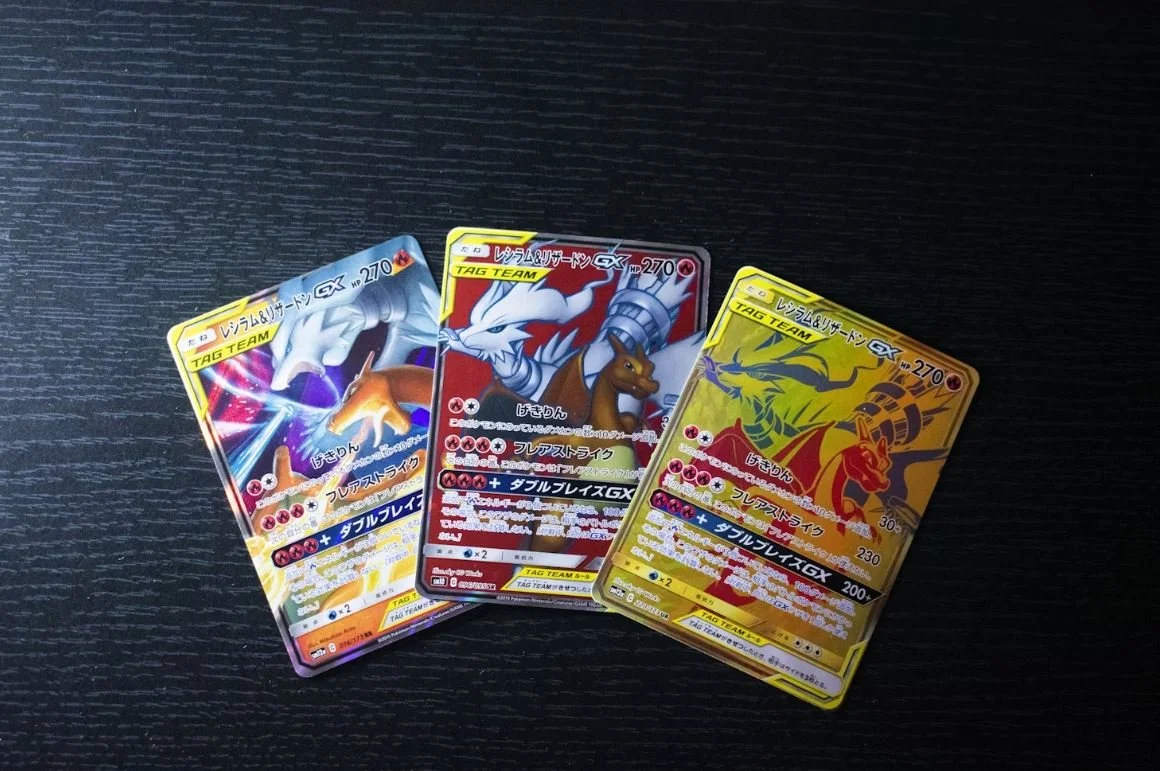
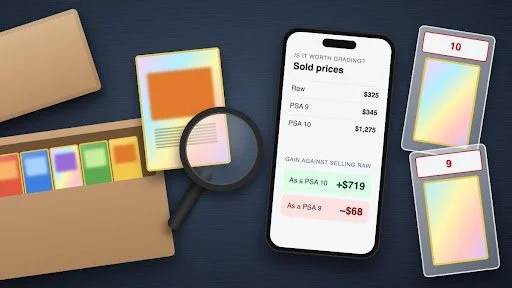
This is where most modern cards fall over. Take Charizard ex 199/165 from the 151 set. It sells for $325 raw. A PSA 9 copy goes for $345, and a PSA 10 for $1,275. The 9 is barely worth more than the card you already have.
Minute three: add up what grading costs
PSA prices its service by what the card will be worth once graded. At the Standard level it's $59.99 a card for anything worth up to $1,000 in the slab. Priority, for cards up to $1,500, is $79.99, and it climbs steeply from there. On top of that there's shipping both ways, which UltraBall's sums put at $25, plus eBay's selling fees.
Put that together and the bar is higher than it looks. At the Standard level, a card worth $100 raw has to sell for roughly $198 in its slab before grading has made you anything. A $50 card needs to fetch about $148 graded just to match selling it raw.
Back to that Charizard. As a 10, it goes in at Priority and leaves you $719 better off than selling it raw. As a 9, billed at Standard, it loses you $68. Same card, one grade apart.
Minute four: be honest about condition
People rush this step, and it decides everything. Graders look at centering, corners, edges and surface, and you can check all of them at the kitchen table.
Centering comes first. If one border on the front is clearly fatter than the other, past roughly 55/45, a 10 is off the table however clean the rest is. Then flip it over. The blue back of a Pokémon card shows every white speck on the corners and edges. Finally, tilt the holo under a single lamp. Fine scratches and print lines that vanish in normal light show up fast, and they're the usual reason a card that looks perfect comes back a 9.
If you find anything at all, assume a 9 or lower, then go back to minute two and ask whether a 9 is worth paying for.
Minute five: use the gem rate as a reality check
PSA publishes how many copies of each card it has graded and how many got a 10. UltraBall calls that share the gem rate, and it works well as a ceiling. For the 151 Charizard it's 27%. For Umbreon VMAX 215/203 from Evolving Skies it's 69%.
That isn't your copy's chance. People only send in cards they think are clean, so one that's been loose in a shoebox will probably do worse. If barely a quarter of hand-picked copies made a 10, a card that's survived a few house moves is a long shot.
What the numbers say about modern cards
UltraBall's grading page tracks six well-known modern chase cards, and all six lose money as a PSA 9 once the fee and shipping are paid. On a couple of them the 9 sells for less than a raw copy: Charizard ex 234/91 from Paldean Fates is $250 raw and $229 as a 9. Unless you're confident of a 10, leave modern cards alone.
Vintage is different. On old holos a 7 or an 8 can be a good result, and the slab proves the card is genuine, which buyers pay for. If your shoebox dates from the original Game Boy era, the sums tend to be kinder.
Running it for your own card
The fiddly parts are the fee tiers and the selling fees on both sides of the comparison. UltraBall's grading calculator handles those. Pick the card and the printing, and it shows what you'd be left with at every PSA grade it has sold prices for, against selling raw, and names the lowest grade at which grading pays.
If that turns out to be a 10 and you've already spotted a soft corner, sell it raw or keep it sleeved. If you're keeping the card regardless, the selling fees drop out, and the only question is whether the protection is worth the fee to you.