Rocket League has attracted millions of players since its 2015 debut, and for players seeking to boost their ranks or enhance their skills, coaching has become a popular option.
However, with costs ranging from $20 to $60 per hour and various learning formats, a common question arises: Is Rocket League coaching worth it? This article will explore the benefits, costs, potential drawbacks, and key factors to consider when deciding whether to invest in coaching in 2025.
Benefits of Rocket League Coaching
Rocket League coaching offers tailored learning from experienced players, often at Champion or Supersonic Legend ranks, who provide information that general tutorials can’t match. Here are the main advantages:
Feedback: Coaches can analyze your gameplay through replays or live sessions, pinpointing specific strengths and weaknesses to help you improve, such as advice on mechanics like aerials or dribbling.
Strategy: Beyond mechanics, coaches can teach positioning, rotations, and decision-making, while helping you anticipate opponents’ moves and playstyles, which is crucial for team modes like 2v2 and 3v3.
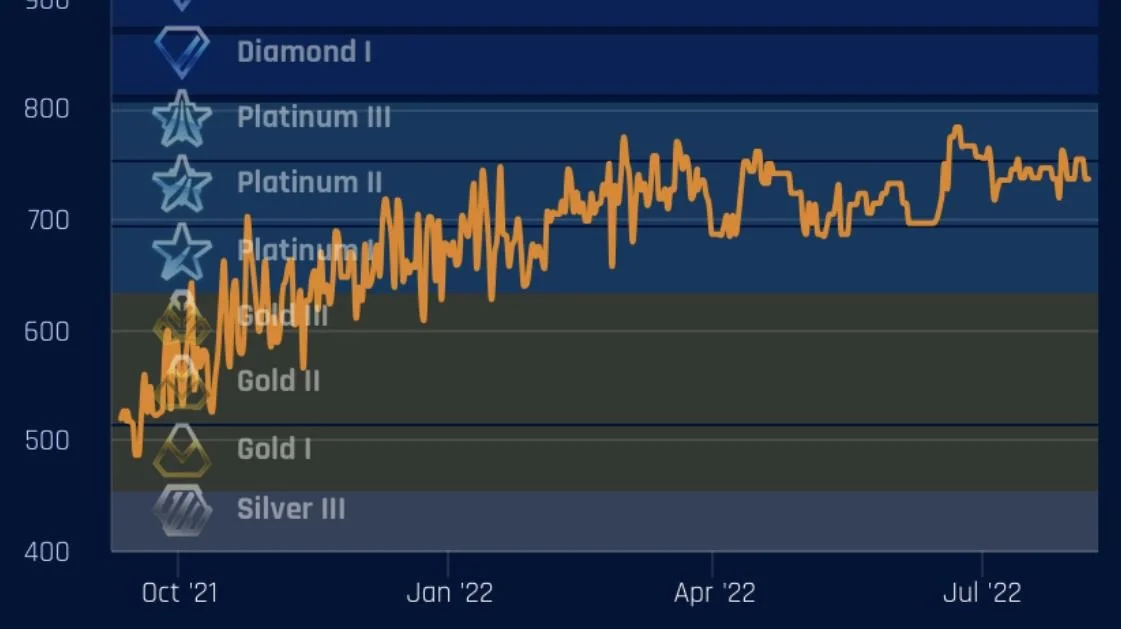
Progress: With expert coaching, players often see faster improvement than through solo practice. However, a good coach can spot repetitive mistakes and suggest targeted drills, shaving off hours of trial and error.
Resilience: Competitive play can be mentally taxing, and coaches can help you boost confidence, celebrate wins, and help maintain focus under pressure by fostering a mindset that promotes long-term success.
Motivation: Regular sessions and goal-setting keep players committed to their rank goals.
Testimonials from platforms like GamersRdy and WeCoach highlight the impact, with players noting significant gameplay improvements and newfound confidence after sessions with coaches like Sabi or Caitlin Reed.
Costs and Accessibility
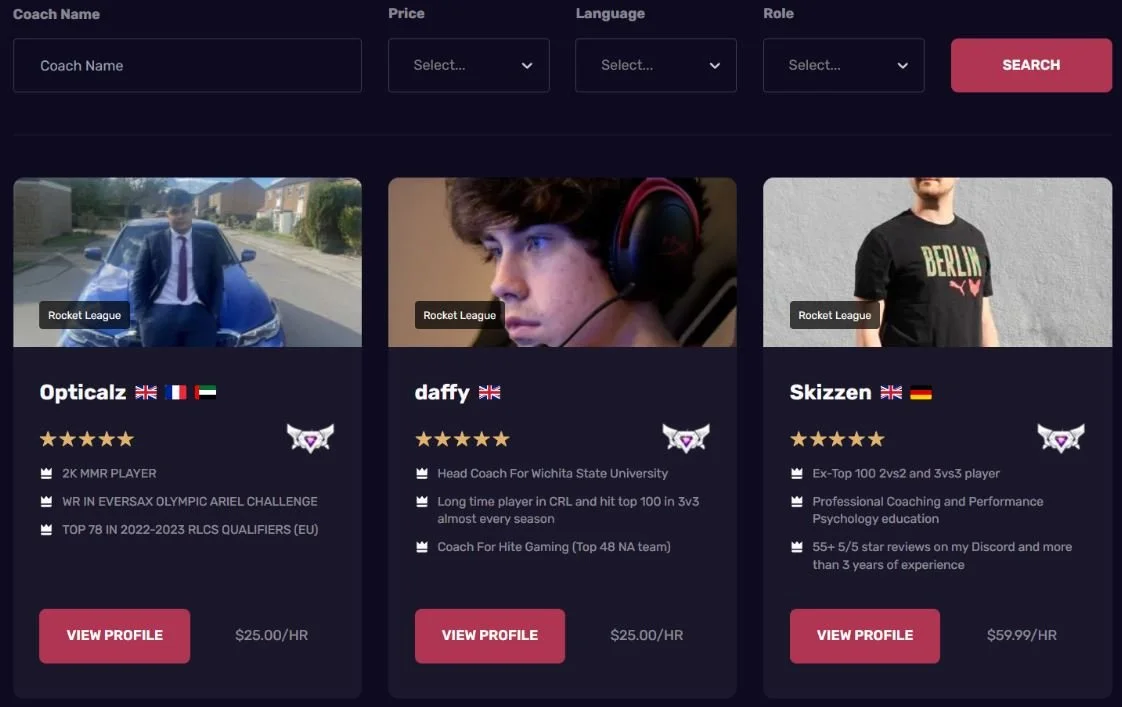
The financial aspect of Rocket League coaching varies widely based on the coach’s rank, experience, and session type. Most Rocket League coaches charge between $20 and $30 per hour for one-on-one sessions, while elite coaches may request $50 to $60 per hour.
Some platforms, like WeCoach, emphasize affordable personalized sessions, while others offer group classes at $25 to $35 per week, though these are less tailored. Some websites also provide a free basic plan with limited replays, alongside premium tiers that range from $11 to $18 per month for more in-depth analysis.
Session formats also affect cost and accessibility. Live 1-on-1 coaching offers real-time feedback, while Video-on-Demand (VoD) reviews analyze past gameplay at potentially lower rates.
Potential Drawbacks
Despite the benefits, coaching isn’t a guaranteed path to success and comes with caveats:
Cost: Even at $20 per hour, for casual players, spending hundreds monthly on coaching may not align with their goals.
No Instant Results: Improvement requires consistent practice beyond sessions, meaning coaching isn’t a quick fix. Instead, players must apply the lessons they learn in ranked matches to see progress.
Quality: Not all coaches deliver equal value; their effectiveness depends on their ability to communicate effectively, adapt to your playstyle, and address specific needs. That being said, reviews on platforms can be helpful, but finding the right fit requires effort.
Self-Motivation Required: Coaching is most effective for players who are willing to invest time outside of sessions. However, without dedication, the guidance may yield limited results.
Who Should Consider Coaching?
Coaching is most valuable for specific player profiles. Newbies benefit from foundational guidance, which helps them avoid common pitfalls and learn mechanics efficiently.
Players stuck at an MMR plateau, often in Gold to Diamond ranks, can also gain insights to break through to higher tiers. Lastly, aspiring pros or those eyeing tournaments may find coaching essential for improving high-level strategies and mental skills.
How to Maximize Coaching Value
To ensure coaching is worth the cost, consider these steps:
Choose the Right Coach: Look for coaches with strong reviews, relevant experience (e.g., expertise in playlists or rankings), and a style that matches your learning needs. Platforms like Valor Esports, Metafy, and WeCoach offer an extensive range of options.
Set Clear Goals: Define what you want, whether it’s reaching Champion or mastering aerials, during the initial assessment.
Commit to Practice: Apply lessons through drills and ranked play, as coaches often provide training packs or exercises to reinforce concepts.
Evaluate Progress: Track improvements in rank, mechanics, or game sense after a few sessions. If results lag, discuss adjustments with your coach or consider picking a different one.
Conclusion
Rocket League coaching can be a game-changer for dedicated players, offering personalized feedback, strategy, and faster progress towards ranked or competitive goals.
With costs ranging from free basic plans to $60 hourly sessions, it’s accessible at various levels, though the investment, both financially and time-wise, requires a bit of commitment.
For newbies, plateaued players, or aspiring pros, the benefits often outweigh the drawbacks, as evidenced by countless success stories across coaching platforms. However, casual gamers or those unwilling to practice consistently might find limited value.
Ultimately, whether Rocket League coaching is worth it depends on your goals, budget, and dedication to improving in 2025.