Game developers need to find ways to make money that keep players happy and coming back. Loot boxes and casino games work in very similar ways to get people excited and spending money. Both use the same tricks to make people want to keep playing and buying more. Learning how these systems work helps game makers build better reward systems. The online casino experts at CasinosFest.com explain how smart game creators look at both types of games to make fun experiences that don't hurt players and keep them loyal for a long time.
Loot Boxes and Casino Mechanics: What is Similar?
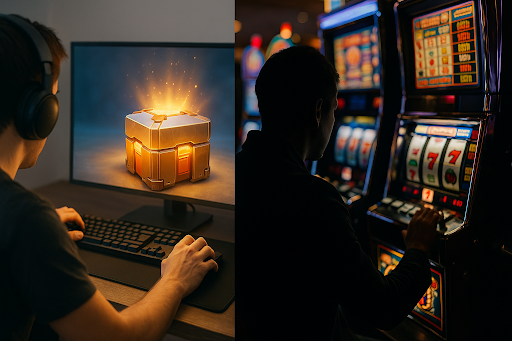
Loot boxes and casino games both use the same mind tricks to keep players interested for long periods. These systems make people excited by not knowing what they'll get and the chance of getting something really good. Game makers now use many ideas stolen straight from casinos to make more money.
The link between these systems goes much deeper than just looking similar. Both use random chance, surprise rewards, and smart level-up systems. Players feel the same emotions when opening loot boxes as they do when playing slot machines.
What Are Loot Boxes?
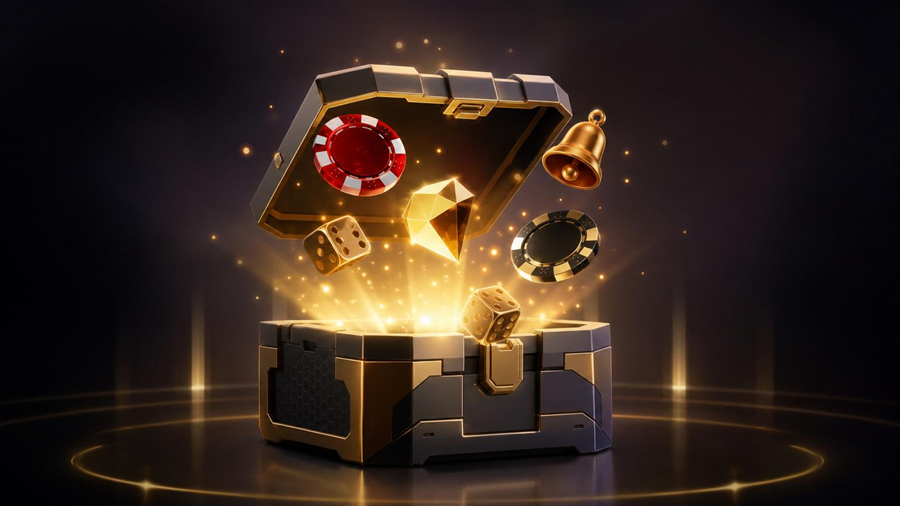
Loot boxes are virtual boxes that players can earn or buy to get random game items. These boxes have different rewards inside, from basic costume pieces to rare weapons or characters. Not knowing what's inside makes people excited, just like opening trading card packs or scratch-off tickets.
Big games like Overwatch, FIFA, and Counter-Strike make lots of money from loot boxes. Players spend real money or game coins for chances to get cool items. Since everything is random, players might need to buy many boxes to get what they want.
The fun part comes from possibly getting expensive items for just a little money. This creates a hook in people's minds that makes them want to buy more boxes and keep playing the game.
How Loot Boxes Work in Games
According to study, loot boxes are very popular due to their mechanics. Loot box systems use random number generators to decide what's inside each box. Every box has set chances for different item types, but games usually hide these numbers from players. The system makes the best items super rare on purpose.
Pretty pictures and sounds make opening loot boxes more exciting. Spinning wheels, bright colors, and loud victory sounds build up excitement before showing what's inside. These show-off parts copy tricks that casino slot machines use.
Games often have hidden counters that give you good items after buying a certain number of boxes. This stops really bad luck streaks that might make people quit spending. But games rarely tell players about these safety nets.
Understanding Casino Mechanics
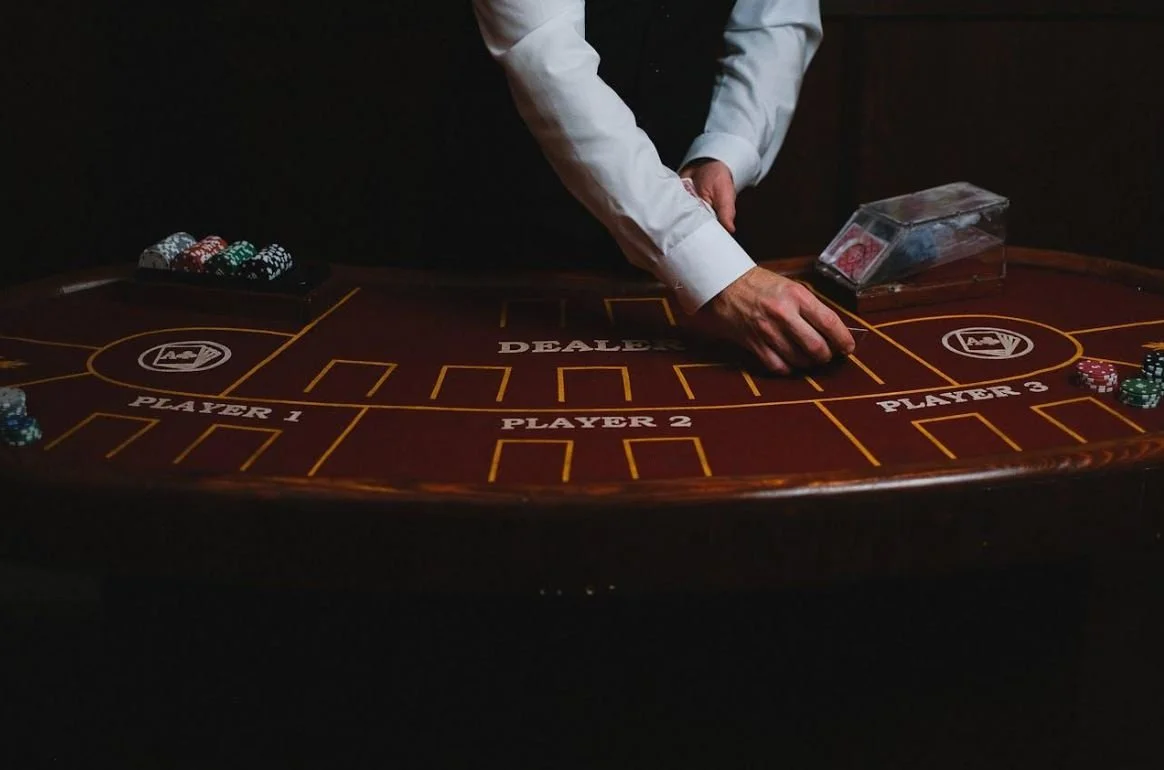
Casinos have spent decades figuring out exactly how to keep players interested through smart reward systems and room design. This is also used by online casinos. Everything from the lights to the sounds works together to create an experience that makes people want to keep playing.
The main idea behind casino tricks is giving rewards at random times. Players get prizes when they don't expect them, which creates stronger habits than getting rewards every time. This brain trick works for both slot machines and loot box systems.
Random Number Generators (RNG) in Casinos
Random number generators (RNGs) are the heart of modern online casino games. These systems create unpredictable results that make games fair while still letting the house win money overall. RNG technology has become so good that no one can predict what will happen next.
Casino random systems get checked and approved by outside companies. This openness helps players trust the games and meet government rules. The game industry could learn from having similar checking and honesty practices.
Reward Systems and Player Retention
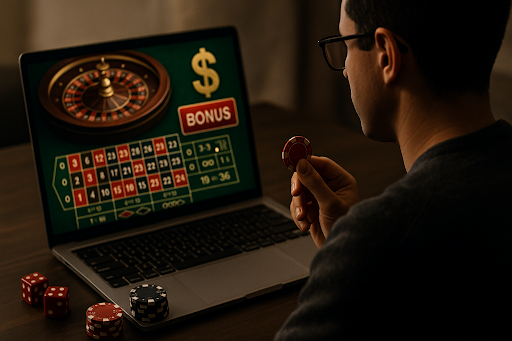
Casinos are really good at creating loyalty through reward systems that give better prizes the more you play. VIP programs give special perks that make players feel important and valued. These systems create strong emotional bonds between players and casinos.
Here are some popular online casinos in Canada that show low-cost reward tricks that game developers can study for making money:
Zodiac Casino: Zodiac Casino $1 deposit stands out because new players need little money to start playing slots and table games. The casino rewards this tiny entry fee with an exciting welcome bonus, including 80 free spins on Mega Moolah for just that first dollar. This plan focuses on big reward possibilities from very small investments, building long-term player loyalty through progressive jackpots and ongoing bonuses.
Ruby Fortune Casino: Ruby Fortune Casino also lets players start with just $1, making it perfect for Canadian players who want to try premium slot games and live dealer games. New players get a big 100% match bonus up to $200 on their first deposit, plus more bonuses on later deposits. With fast money withdrawals and a VIP loyalty program, Ruby Fortune shows how to keep players through growing rewards.
Spin Casino: Spin Casino gives new Canadian players a special no deposit bonus, letting them try over 500 games without risking any money first. After signing up, a $10 deposit unlocks a 100% match up to $400 across four deposits, plus free spins on popular games. This setup keeps players engaged through step-by-step bonuses and round-the-clock support.
Key Similarities Between Loot Boxes and Casino Mechanics
Both systems use randomness as their main way to keep people interested. Players never know exactly what they'll get, which creates excitement and anticipation. This uncertainty triggers the same brain paths that are linked to gambling addiction.
The pretty pictures and sounds in both systems make emotions stronger. Bright colors, flashing lights, and celebration sounds create good feelings about spending money. These sensory tricks make wins feel bigger than they really are.
Shared Psychological Triggers
Both loot boxes and casino games take advantage of how the brain releases happy chemicals. The waiting before seeing results creates more excitement than the actual prize. This body response drives people to keep playing and spending.
What Game Developers Can Learn from Casino Mechanics
Casinos have decades of experience balancing excitement with staying in business. They know that taking advantage of players too much leads to bad publicity and government interference. Game developers can learn to create engaging systems without crossing the line into bad territory.
Being open and honest builds trust and reduces government risk. When you go through Zodiac Casino sign up procedure, or Spin Casino registration, you will see that publish payout rates and get checked regularly by outside groups. Games that show loot box odds and use fair systems get less criticism and government attention.
Balancing Reward Systems
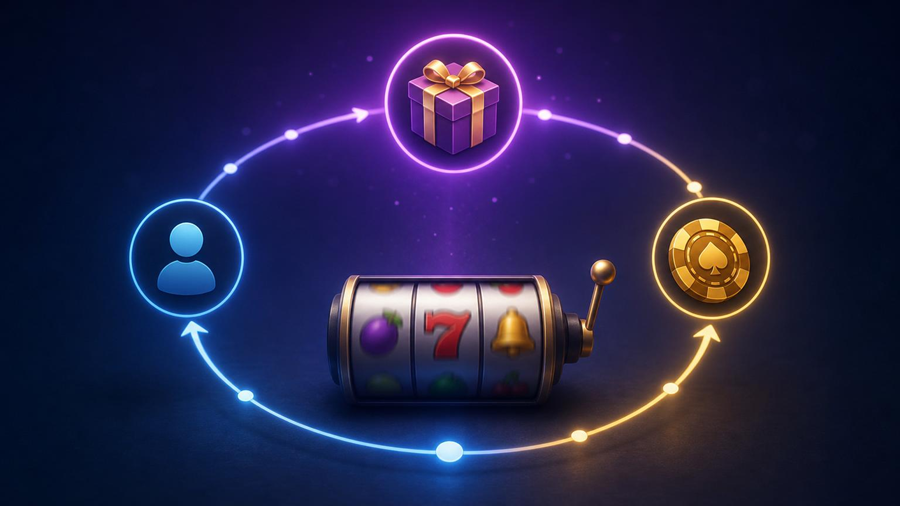
Good reward systems give regular positive feedback without needing constant spending. Free players should get enough rewards to stay interested, while paying players get better experiences. This balance maximizes both player happiness and money made.
Safety timers and guaranteed rewards prevent extremely bad experiences that make players quit. Even unlucky players should eventually get good rewards to keep hope and interest alive.
Conclusion: Striking a Balance for Better Game Design
Game developers can learn useful lessons from casino tricks without taking advantage of players or risking government backlash. The secret is creating engaging experiences that give fair value and respect player choice. Successful money-making systems build trust through honesty and protect vulnerable players through responsible design features. Developers who study casino psychology while staying ethical create more sustainable businesses and happier player communities. The future belongs to games that master the balance between excitement and responsibility, creating lasting success for both players and creators.