Game localization makes your game playable and enjoyable in different languages and cultures. This article explains what game localization is, why it’s important, and how to do it right. You’ll also learn about common challenges, best practices, and see examples of successful localization.
Key Takeaways
Game localization is essential for adapting video games for different regions, ensuring content resonates with local cultures and meets legal requirements.
Implementing effective localization strategies can significantly enhance user experience, increase global market reach, and avoid pitfalls associated with poor translation.
Key practices for successful localization include using native translators, maintaining consistency, and conducting thorough testing to ensure cultural relevance and linguistic accuracy.
What is Game Localization?
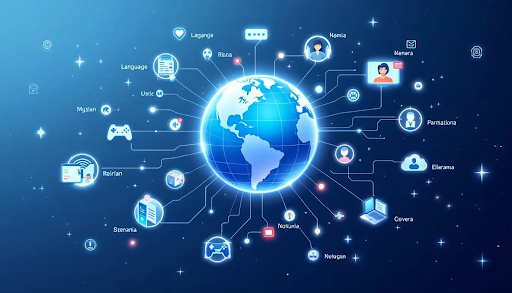
Localization of games is the process of adapting video games for new regions through video game translation and cultural adjustments. This goes beyond mere translation of text; it involves modifying various game elements and the game title to ensure they resonate with the target audience’s cultural preferences and legal requirements.
Effective localization includes translating game content, adjusting user interfaces, and ensuring that localized materials feel familiar and enjoyable to players in different regions. The goal is to create a seamless, immersive experience that allows players to fully engage with the game’s content without language barriers.
The Importance of Game Localization in the Video Game Industry
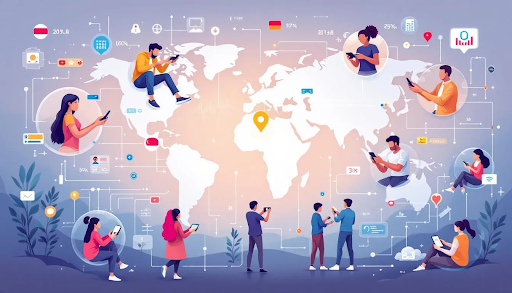
In today’s competitive gaming landscape, proper video game localization is not just an option—it’s a necessity. Successful localization helps developers target new markets, significantly increasing revenue by making content relatable and accessible to a global audience. Studies show that nearly all top downloads in certain regions are in the local language, underscoring the importance of translation.
Localization eliminates language barriers, allowing players to fully comprehend storylines and gameplay instructions in the destination language. Well-executed localization enhances the user experience, leading to better feedback and higher visibility in app stores. Conversely, poor localization can detract from the player experience and harm a game’s success and reputation in multiple languages.
Ultimately, getting localization efforts right opens up new global markets and opportunities for game companies and game developers, making it an essential component for success in the global video game industry and the game engine development process.
Key Elements of Game Localization
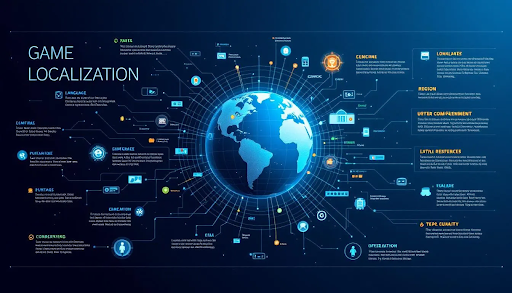
Video game localization incorporates several key elements, including language, cultural references, technical changes, music, graphics, and legal requirements, as well as video game content, contents video game localization, and video game elements. Language localization involves professional translation for game dialogues, menus, and cutscenes, as well as dubbing and voice acting for in-game elements.
Cultural adjustments often involve changing character names and adapting content to ensure cultural relevance and avoid offensive cultural elements. Visual elements, such as graphics and UI, also require translation and adaptation to fit the target market’s preferences.
Technical changes may include adapting hardware and software, remapping hotkeys, and changing frame rates for regional formats. Special attention is needed for user interface localization, as different languages require different text sizes and layouts in operating systems and game updates.
Translating non-text assets, such as music and sound effects, and ensuring that all localization assets, resource files, and localized versions meet legal requirements in different regions, are also crucial for successful localization.
Challenges in the Game Localization Process
The game localization process is fraught with challenges, from integrating localization early in development to managing fragmented data and ensuring continuous QA. These hurdles can impact the quality and timeline of localized games, making it essential to address them proactively.
Integrating Localization Early in Development
Starting the localization phase early, once core features are stable, ensures that products can be shipped simultaneously or close to the original release. Designing game code for localization from the start avoids hard-coded elements that complicate the translation process, and early testing of localized prototypes helps identify and resolve issues before the final release.
Managing Fragmented Data
Fragmented data during partial localization can lead to inefficiencies, such as translation errors and data loss. Using unified localization software can streamline workflows and minimize these issues, ensuring a more efficient and accurate localization process.
Ensuring Continuous Localization QA
Ongoing quality assurance (QA) is crucial to address both linguistic accuracy and cultural appropriateness in localized games. Integrating LQA into the localization pipeline ensures greater consistency and easier monitoring of processes. A comprehensive localization kit, including target audience information, contextual notes, and a localization glossary, enhances understanding and accuracy for translators.
Before release, localized game versions should be tested for:
Text overflow
Untranslated strings
Interface issues
Translation inconsistencies
Screenshots and contextual information are essential for testers to ensure accurate and thorough localization QA.
Steps to Achieve Effective Game Localization
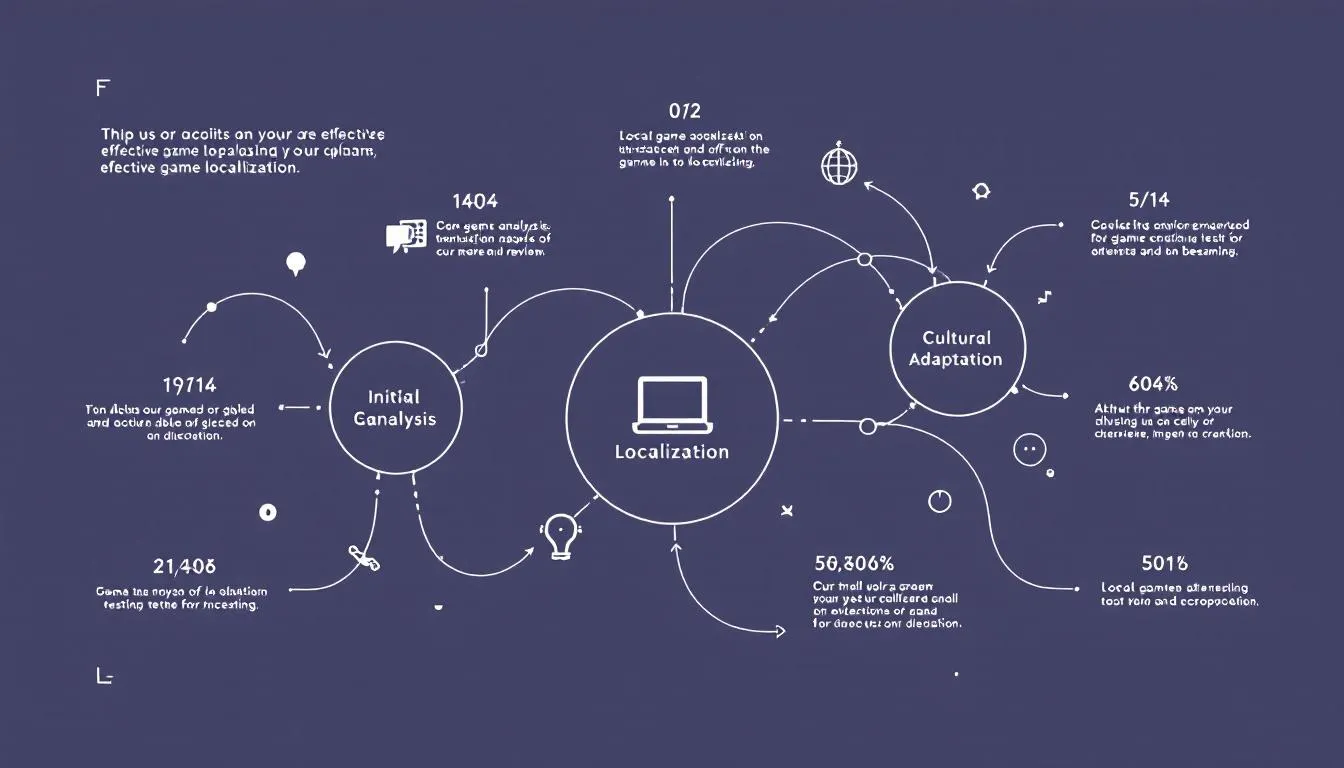
Achieving effective localization games involves several critical steps, from analyzing target markets to selecting the right localization tools and building a skilled localization team. Each step ensures that the final localized product resonates with the target audience and meets high-quality standards in the target languages.
Analyzing Target Markets
The first step to successfully launching a game in multiple markets is to research the target audiences and their target culture for global audiences and the target market. Understanding local market regulations and cultural sensitivities is essential, as certain topics may be subject to strict restrictions in various countries.
Localizing games for each country or region separately, considering their unique context and preferences, ensures the game is relevant and engaging for different locales.
Selecting the Right Localization Management Tool
An effective localization tool should facilitate collaboration among team members and streamline translation workflows. Platforms like Centus can simplify the localization QA process and ensure high-quality outcomes by integrating LQA capabilities.
Creating a Comprehensive Localization Kit
A localization kit is vital for ensuring that translators have all necessary information about the game’s context and voice. This includes:
Project requirements
Deadlines
Style guides
Glossaries
Translation assets.
Using glossaries and style guides helps maintain a uniform tone and terminology across various localized versions, enhancing consistency and quality.
Building a Skilled Localization Team
Professional translators with expertise in gaming terminology are essential for accurate machine translation during localization. Involving native speakers who understand both gaming culture and local contexts can significantly improve the quality and relevance of translations, reducing the risk of poor translation.
Assembling a localization team with experienced professionals ensures effective game localization, which is often supported by dedicated development and localization teams.
Adapting Content for Cultural Sensitivity
Cultural adaptation in game localization ensures that content resonates with local players by aligning with their preferences and sensibilities. This may involve altering:
Themes
Storylines
Character names
Visual elements
These changes help match cultural nuances and avoid potential offenses.
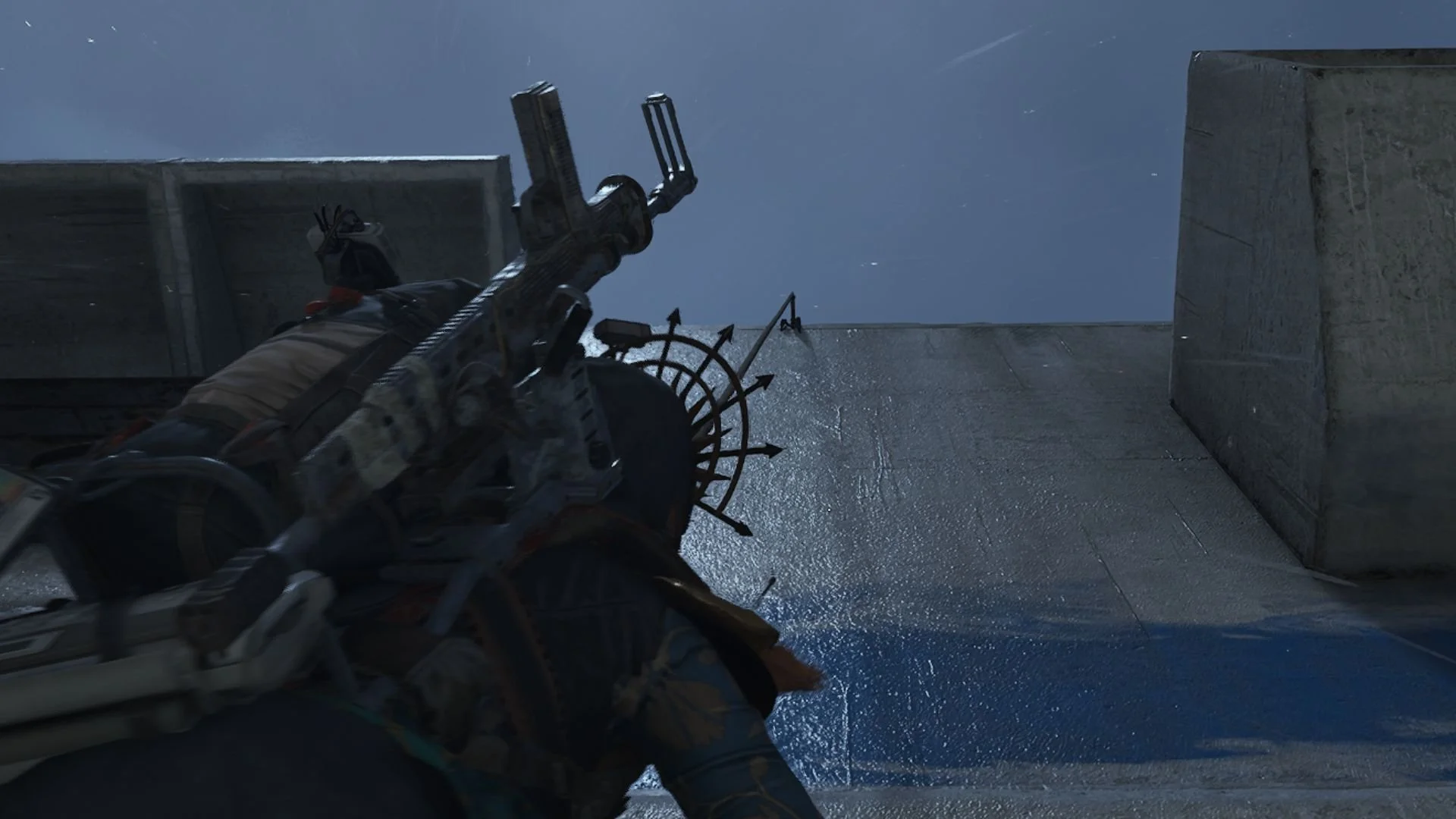
For example, the localized version of PUBG was tailored to meet specific cultural norms and regulatory requirements in various countries.
Best Practices for Game Localization
Implementing best practices in game localization can significantly enhance the quality and success of localized games. These practices include using native translators, maintaining consistency, and thoroughly testing localized versions to ensure they meet the highest standards.
Using Native Translators
Native translators are crucial for achieving high-quality localization in games because:
They know the native language as well as cultural references and gaming context.
They enhance the localization quality by identifying and adapting contextual nuances.
Their work makes the content resonate better with local audiences.
Maintaining Consistency
Consistency in terminology and tone across all localized versions is crucial for enhancing player experience and brand integrity. Using style guides and glossaries helps ensure that all translated content adheres to a unified terminology and tone in the same language.
Continuous quality assurance throughout the localization process helps identify and correct inconsistencies, ensuring a polished final stage product.
Testing Localized Versions
Debugging and quality assurance are crucial steps in the localization process to ensure the final product is free of errors and culturally appropriate. Testing and polishing localized versions is essential for ensuring quality in german localization of games and official localization.
Localization QA should cover both linguistic aspects and cultural sensitivities, ensuring that all translated content fits well within the game’s context. The QA team tests translated content for on-screen display and checks for objectionable content, while the proofreading team ensures compliance with style guides and glossaries.
Case Studies of Successful Game Localization
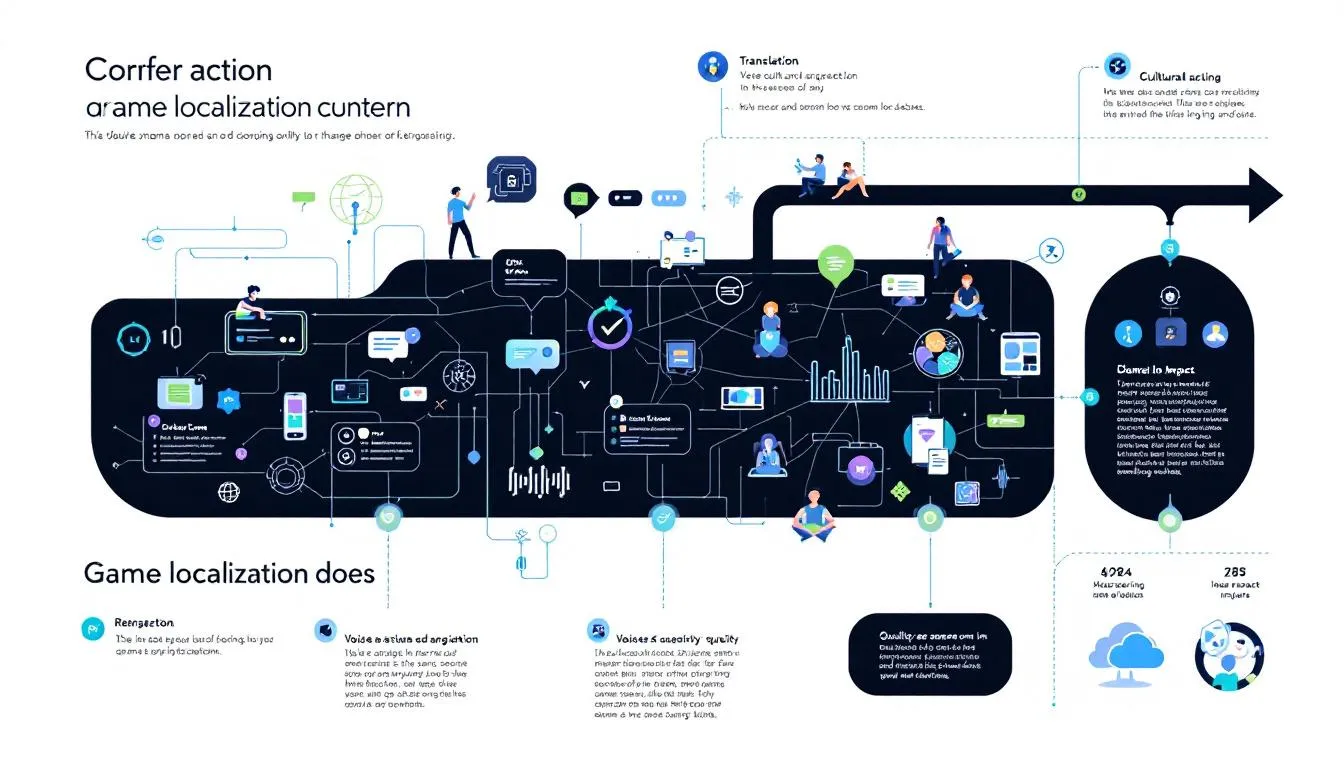
Examining successful examples of localization the game can provide valuable insights into effective strategies and practices. Let’s explore some notable case studies that highlight the importance of cultural sensitivity, precise translations, and well-executed translated dialogue.
PUBG in South Korea
PUBG was localized into 12 different languages, allowing it to cater to a diverse player base. Various cultural adaptation strategies were employed to resonate with the South Korean gaming audience.
These strategies played a pivotal role in PUBG’s success within South Korea, making it one of the most popular games in the country.
Crash Bandicoot in Japan
The character design for Crash Bandicoot was modified to appear cuter and more appealing to Japanese audiences. In the original Japanese version, visual story elements were altered to align with local idioms and expressions, including the design of various game characters.
These design changes played a crucial role in making Crash Bandicoot more relatable and successful in the Japanese market.
Honor of Kings in the U.S.
Honor of Kings was renamed to Arena of Valor in the U.S. market. The rebranding involved changes to better connect with American players’ preferences, ensuring the game resonated with the local audience.
Summary
Mastering game localization involves understanding its importance, overcoming challenges, and following best practices to ensure success. From analyzing target markets to building skilled localization teams and adapting content for cultural sensitivity, each step plays a crucial role in delivering high-quality localized games.
By implementing these proven strategies, game developers can enhance player experience, increase revenue, and succeed in the global video game industry. Embrace the power of localization video games and take your games to new heights in 2026.
Frequently Asked Questions
What is game localization?
Game localization involves adapting video games for different regions by translating content and making cultural adjustments, ensuring they resonate with local players. This process enhances the gaming experience by making it relatable and enjoyable.
Why is game localization important?
Localization of games is essential as it expands market reach, boosts revenue, and significantly improves player experience by ensuring accessibility and enjoyment for a diverse audience.
What are the key elements of game localization?
The key elements of game localization are language translation, cultural adjustments, technical changes, UI localization, and ensuring legal compliance across different regions. Each aspect is crucial to delivering a relevant and engaging experience for players worldwide.
What challenges are commonly faced in the game localization process?
Game localization often faces challenges such as integrating localization early in the development process, managing fragmented data, ensuring ongoing quality assurance, and adapting content to meet cultural sensitivities. Addressing these issues is crucial for a successful localization outcome.
How can game developers achieve effective game localization?
To achieve effective video game localization, developers should analyze target markets, use appropriate localization management tools, create detailed localization kits, build skilled teams, and prioritize cultural adaptation and consistency. This approach ensures the game resonates well with diverse audiences.