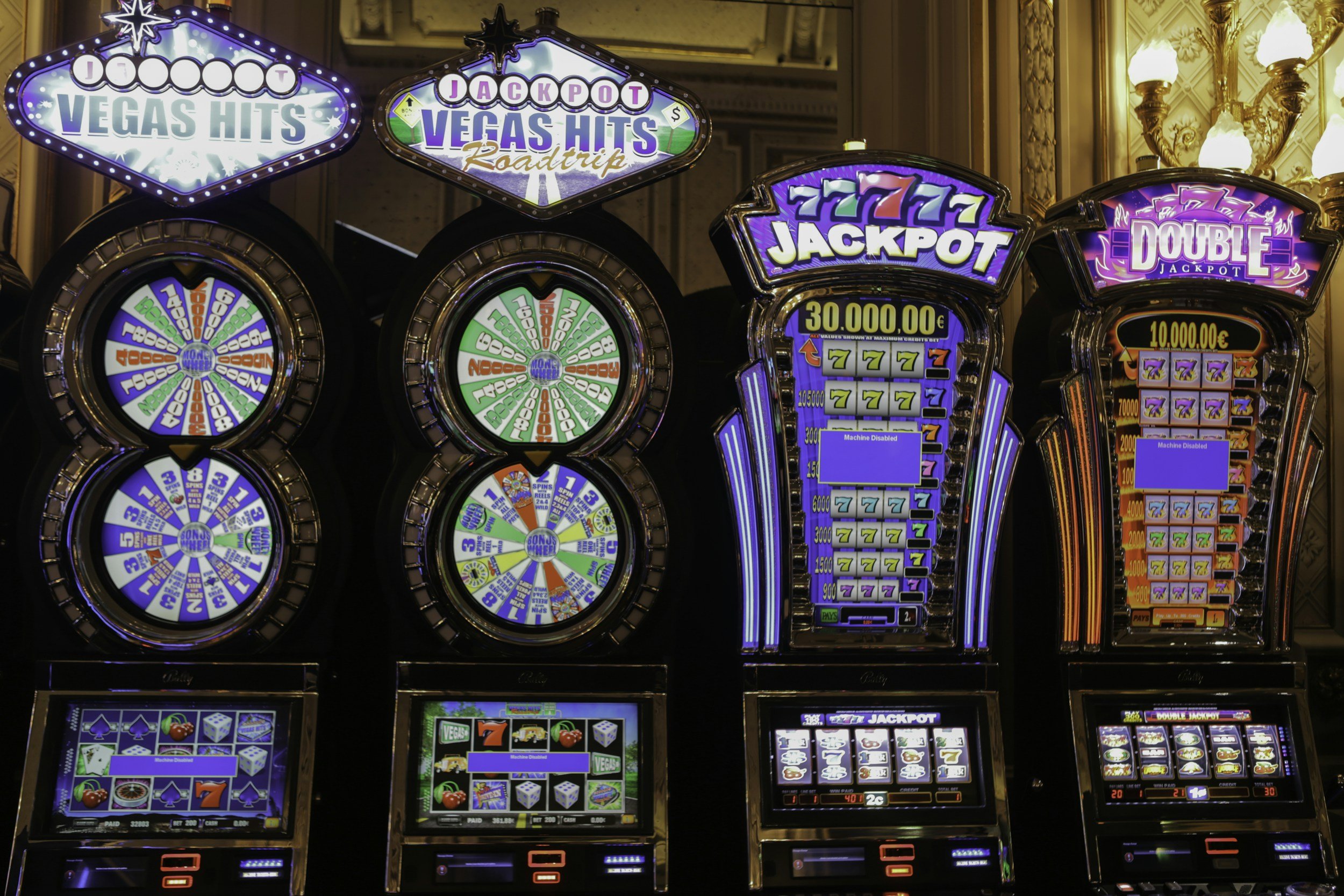
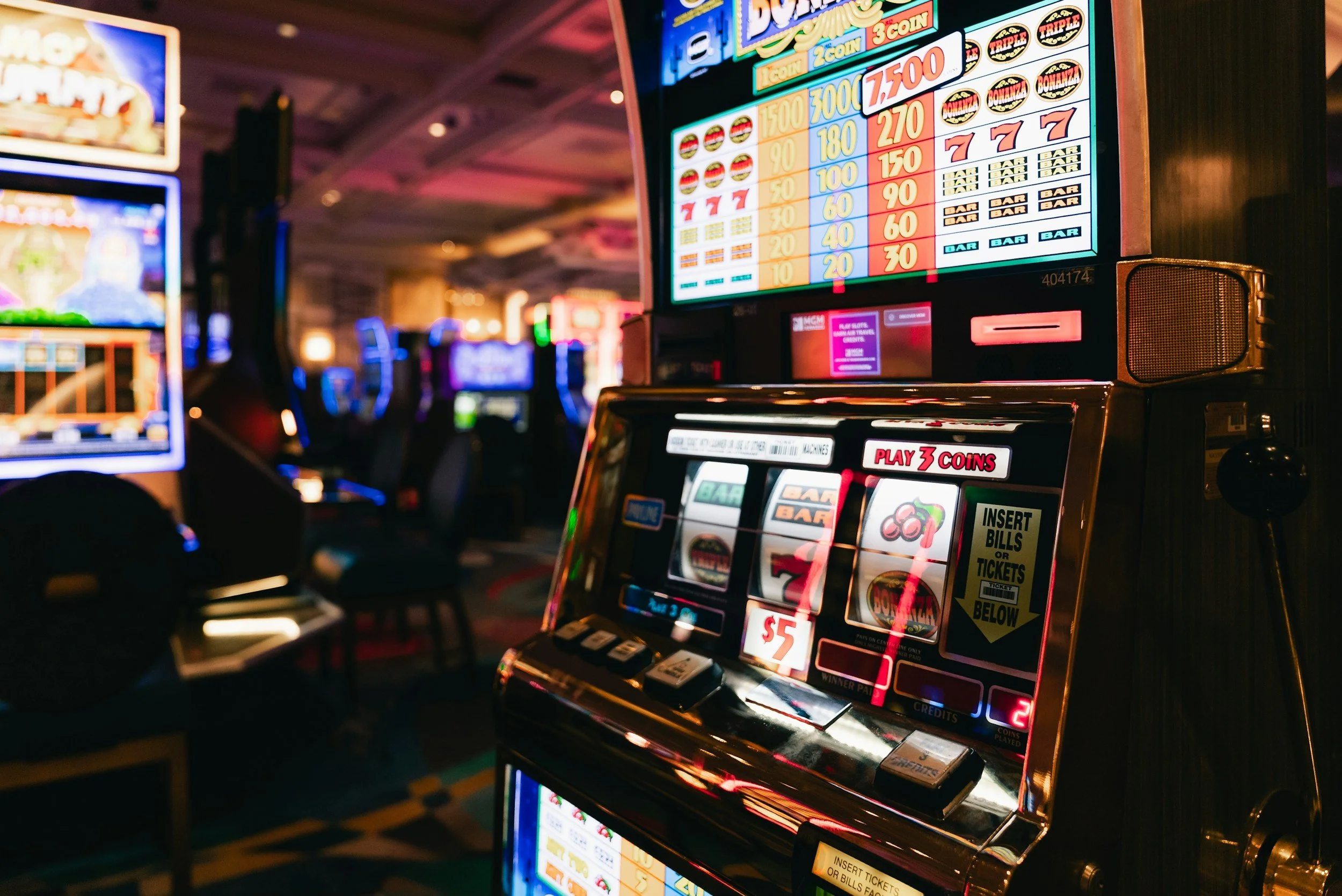
Big prize pools draw millions of casino players toward online slots every single day. A standard slot machine pays out fixed awards based on a player’s bet size, but a progressive jackpot grows continuously until someone hits the winning combination. Every small bet across a network feeds a single prize pot. That shared pot can turn a tiny wager into a million-dollar payout in a single second. Understanding how these huge prizes function helps players choose the right games and manage their money effectively. Here is a close look at how progressive jackpots work, why they hold so much appeal, and which mechanics keep players coming back for more.
The Basic Mechanics Behind Growing Jackpot Pools
Every progressive jackpot slot takes a tiny percentage of each wager made on the game and adds it directly to a main prize pool. For example, if a machine has a seed amount of $1,000,000, that is the base baseline prize guaranteed by the casino operator. As thousands of players spin the reels across different sites like VegasHunter, 1% to 8% of every spin total goes straight into that baseline pool.
This system relies on three primary types of progressive jackpots:
Standalone Jackpots: These prizes are linked to only one specific machine in a single casino. The prize pool grows slowly because only one machine feeds it, but the odds of winning are usually better than wide-area networks.
In-House Jackpots: Also known as local progressives, these connect multiple machines within a single casino brand or group. The growth rate is moderate, offering a balance between size and hit frequency.
Wide-Area Networks: These mega-jackpots link thousands of machines across hundreds of online casinos worldwide. Games in this category build up tens of millions of dollars in record time.
The growth is automatic and instant. Every time a reel stops without triggering the top combination, the main display counter ticks upward, adding extra excitement to the experience.
Comparing Popular Progressive Jackpot Architectures
Online slot creators build different systems to deliver these enormous rewards. Some games require a specific mini-game trigger, while others hit completely at random during normal play.
| Jackpot Type | Network Scope | Average Seed Value | Growth Rate | Typical Hit Frequency |
|---|---|---|---|---|
| Standalone | Single Machine | $1,000 – $10,000 | Slow | High (Every few days) |
| Local Network | Single Casino Group | $10,000 – $100,000 | Moderate | Medium (Weekly) |
| Wide-Area Mega | Global Network | $1,000,000+ | Very Fast | Low (Months or Years) |
| Must-Drop Daily | Global Network | $1,000 – $5,000 | Fast | Guaranteed Daily |
Key Factors That Keep Players Engaged
A massive prize counter is not the only thing that keeps players interested in progressive games. Developers use specific design tricks and mathematical setups to keep the gameplay fun and engaging, even between big wins.
Dynamic Real-Time Counters
Seeing numbers change on the screen in real time triggers natural human curiosity. As the jackpot counter climbs past major numbers like $1 million or $5 million, interest jumps dramatically. Players feel that a big win could happen at any second, creating a strong feeling of anticipation.
Tiered Jackpot Levels
Modern progressive slots rarely offer just one single mega prize. Instead, they feature four distinct tiers:
Mini: Pays out small awards frequently, keeping bankrolls alive.
Minor: Delivers moderate rewards to reward regular play.
Major: Offers significant three- or four-figure sums.
Grand/Mega: The life-changing main prize that everyone hopes to hit.
Having multiple tiers keeps players happy because smaller prizes drop often while the top prize continues to build.
Must-Drop Mechanics
Must-drop or daily progressive jackpots are a newer idea that has become very popular. These pots are set up with a strict rule: the prize must pay out before reaching a specific time (like 12:00 AM) or a specific money threshold (like $10,000). When the pot gets close to its limit, player activity spikes as everyone tries to jump in before the guaranteed payout happens.
Mathematical Realities and Bankroll Management
While chasing a big jackpot is exciting, players must remember that the core odds of hitting a wide-area progressive prize are extremely long. A top-tier payout can carry odds ranging from 1 in 10 million to 1 in 50 million spins.
Because a portion of every wager goes directly toward funding the jackpot pool, the base game’s Return to Player (RTP) percentage is usually lower than standard non-progressive slots. A regular online slot might offer an RTP of 96.5%, whereas a progressive slot might have a base game RTP of 88% with 8% set aside for the progressive pots.
To play safely and wisely, keep these sensible tips in mind:
Check the Minimum Bet Requirements: Some classic progressive games require you to wager the maximum amount to qualify for the main jackpot. Always read the paytable rules carefully before spinning.
Set Strict Spending Limits: Never chase losses on a progressive machine. Treat the jackpot chance as a fun bonus rather than a guaranteed return.
Look for High Seed Baseline Values: Playing a game right after a massive jackpot has dropped means you are playing for a smaller initial pool. Waiting until the pot builds back up offers much better value for your wagers.