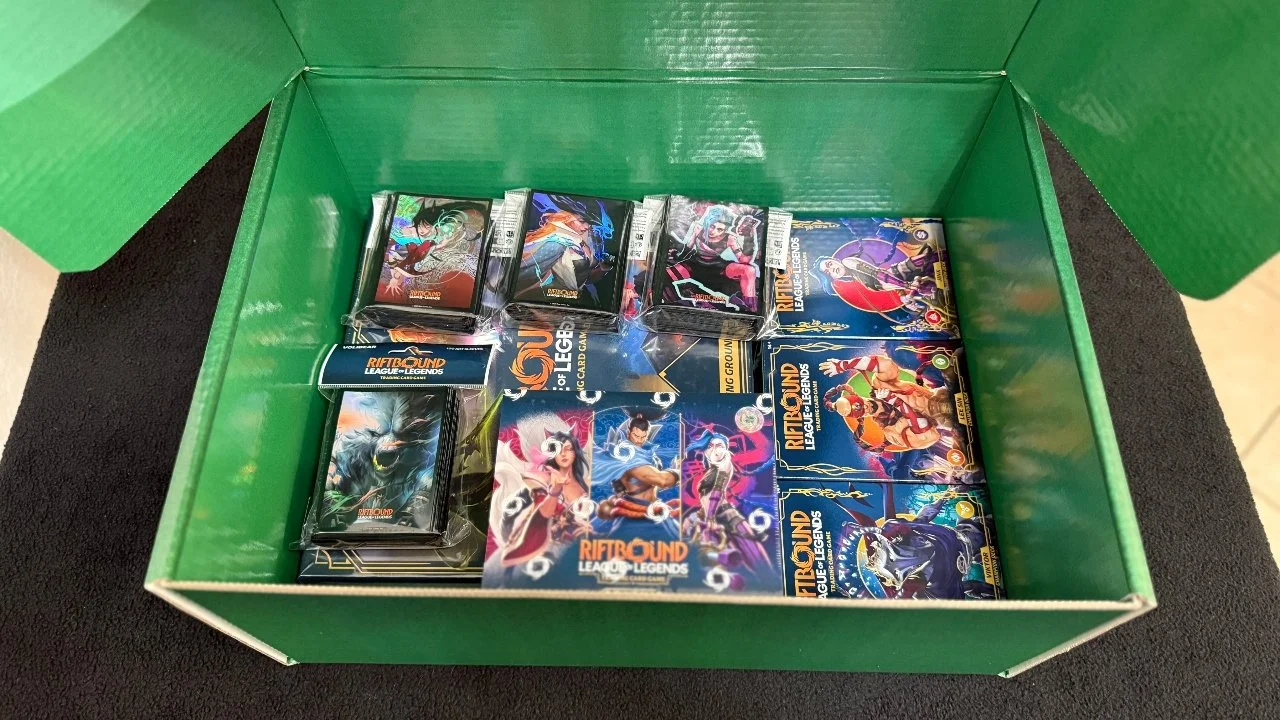
I feel like I’ve been waiting forever for this moment. My most anticipated TCG release of the year, Riftbound: Origins, is finally here. After the Riftbound Summit and even playing a few matches with Nik Davidson at PAX West, I couldn’t wait to get my hands on some real cards. Now that the set has officially launched, the big question is—was it worth the wait?
What Is Riftbound: Origins?
If you haven’t heard yet, Riot Games has entered the trading card game arena with Riftbound, a brand-new TCG inspired by League of Legends. Origins marks the first official set, introducing players to the fundamentals of the game’s world, mechanics, and champions.
Even as a newcomer to the TCG scene, Riot seems incredibly confident in its vision. The company has already outlined plans for competitive play and future set releases, signaling they’re in this for the long run.
Riftbound Gameplay
What makes Riftbound truly stand out is its core gameplay loop. Instead of directly attacking your opponent’s life total, like in most TCGs, you’re battling for control of multiple battlefields, racing to earn eight points before anyone else.
This battlefield-based system completely changes how you think about card strategy. It’s less about brute force and more about tactical positioning, choosing when to commit to a battlefield, when to retreat, and how to outmaneuver your rivals across multiple fronts. Every move feels like it matters.
One of the most exciting parts of Riftbound is its four-player format. Much like Magic: The Gathering’s Commander format, it thrives on the social dynamics of tabletop play. The politicking, temporary alliances, and backstabbing moments that emerge during multiplayer matches are absolutely delightful. Leading to tense, hilarious, and unforgettable games with friends or even random players at your local game store.
The final point ruling especially ramps up the tension. To claim victory, you need to either score all battlefields or hold them long enough to reach the final point. That last stretch becomes a chaotic rush where everyone scrambles to stop you before you seal the win. It’s the kind of heart-pounding ending that turns casual game nights into stories you’ll be talking about for weeks.
What’s Available in Riftbound: Origins?
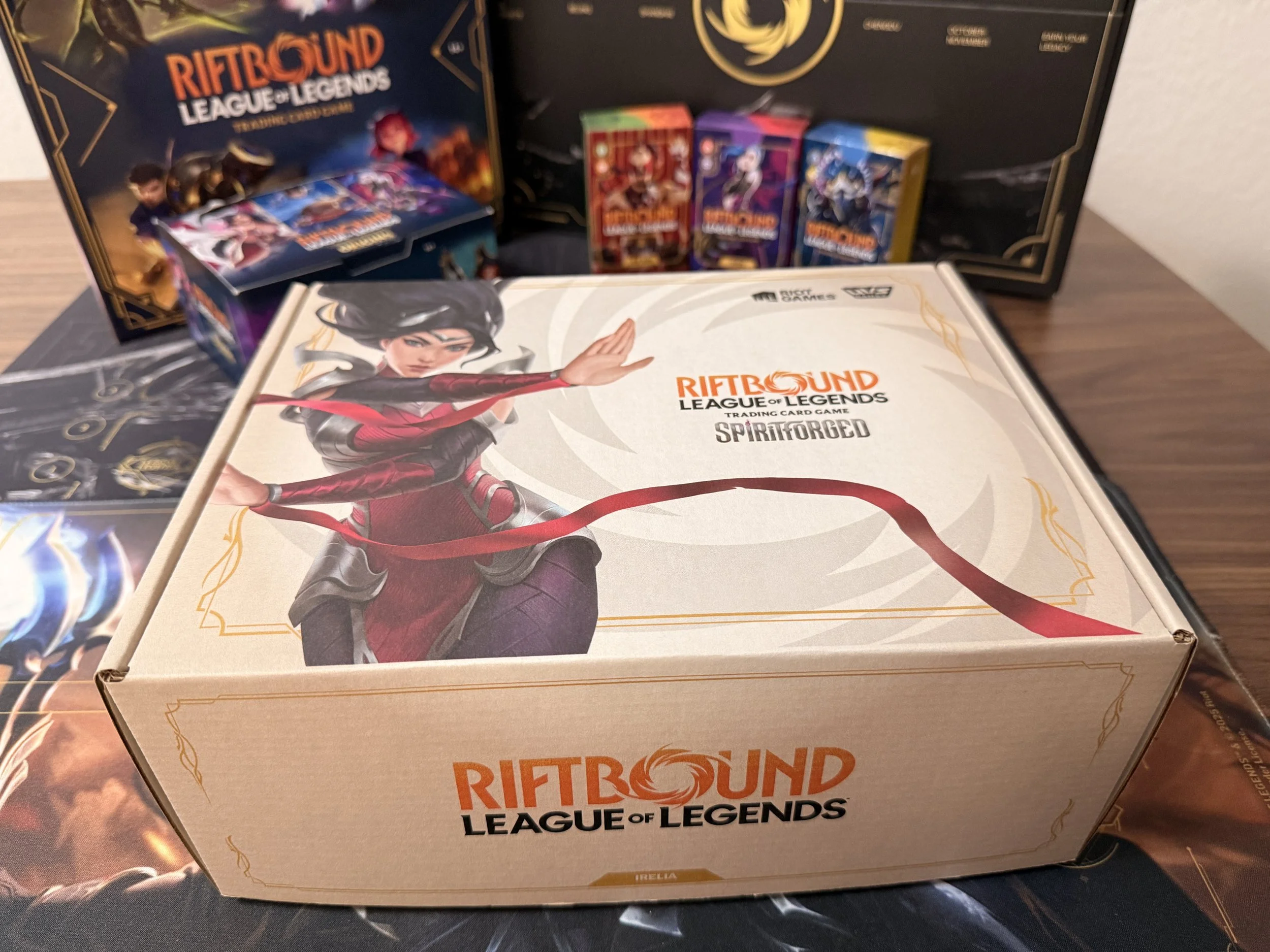
Like most TCGs, Riftbound: Origins includes the standard booster box, featuring 24 booster packs. But since this is the debut set, there’s a strong focus on introducing players to the mechanics and structure of the game—starting with the Proving Grounds Box.
Proving Grounds Box
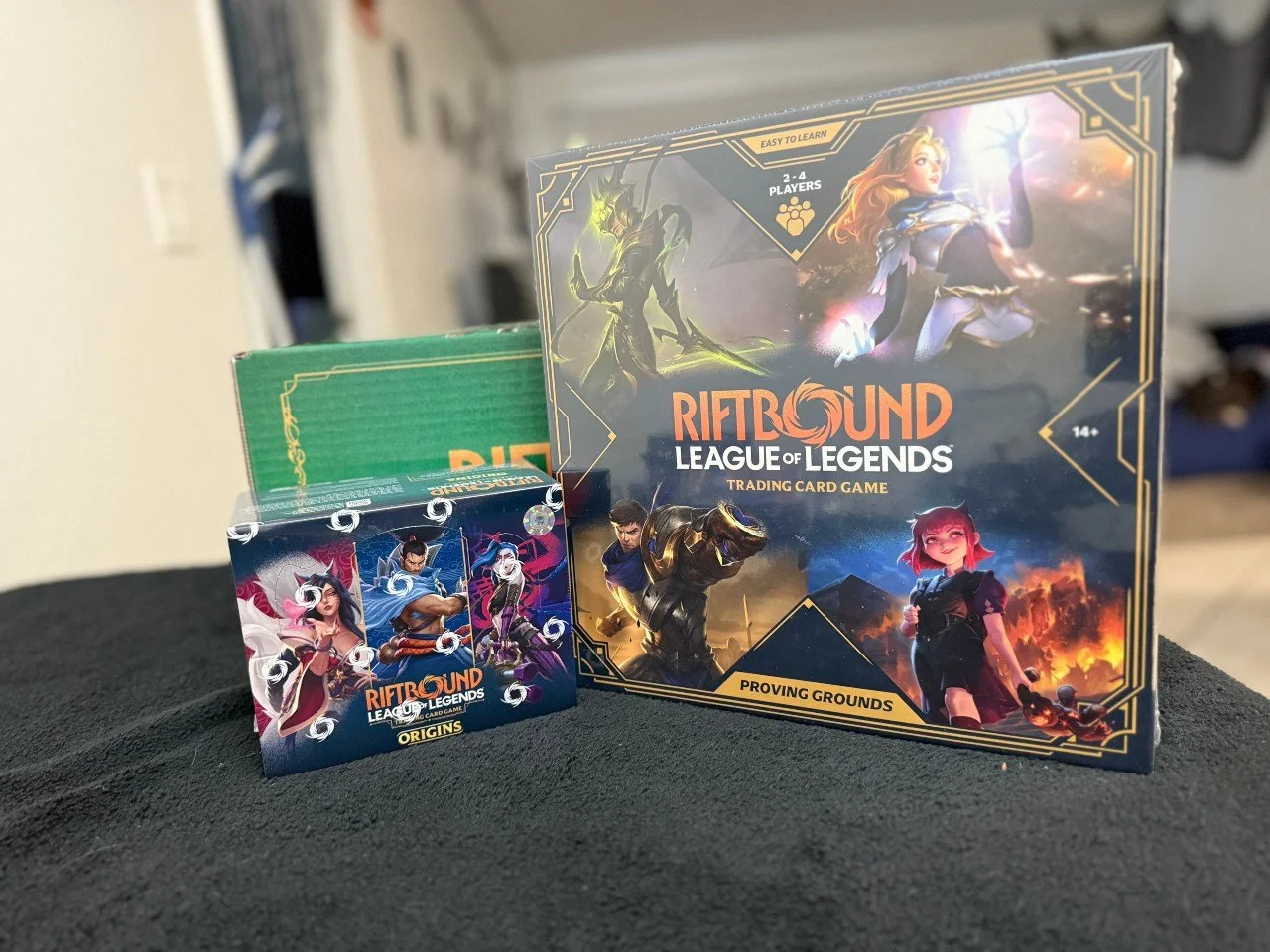
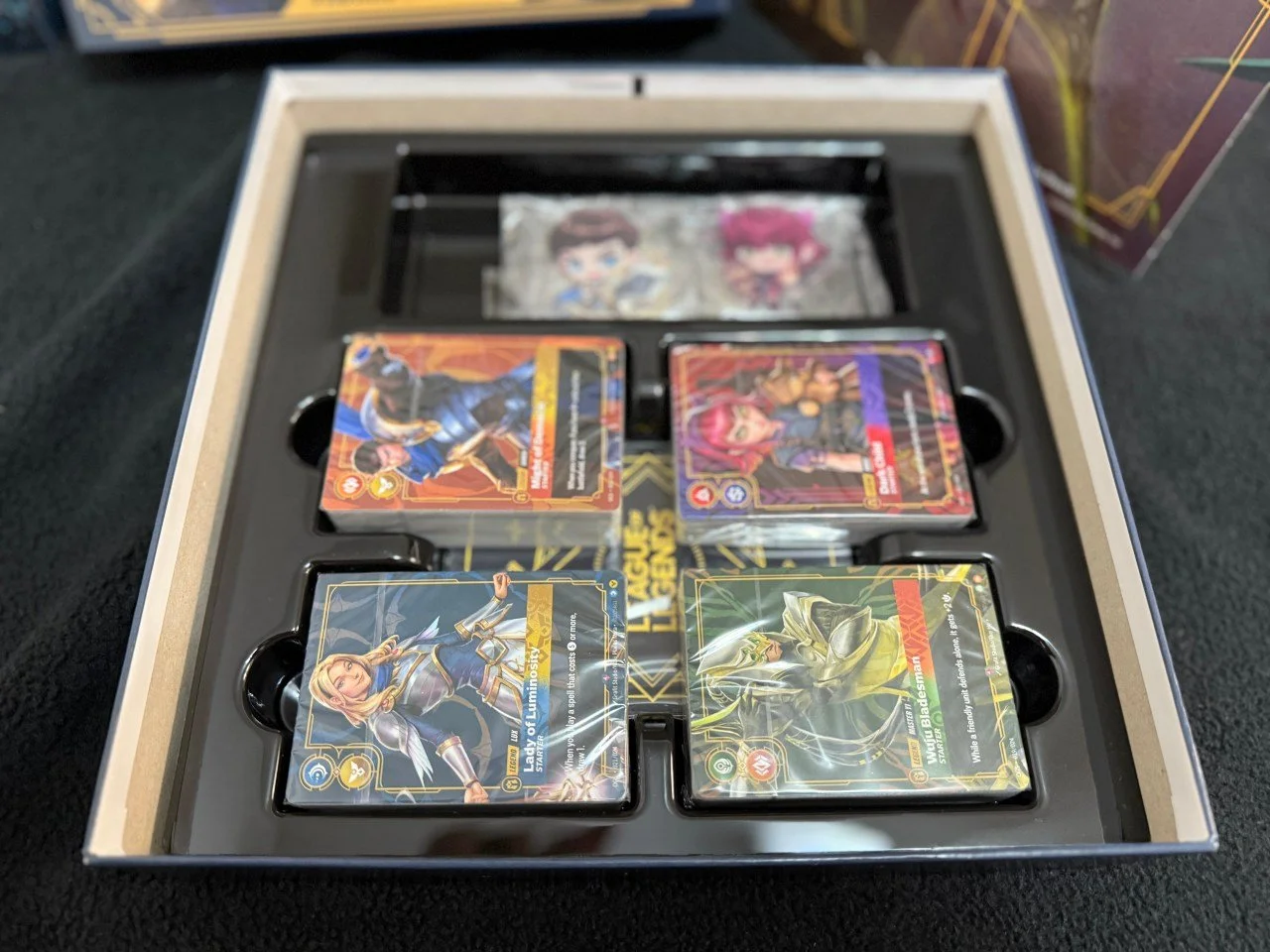
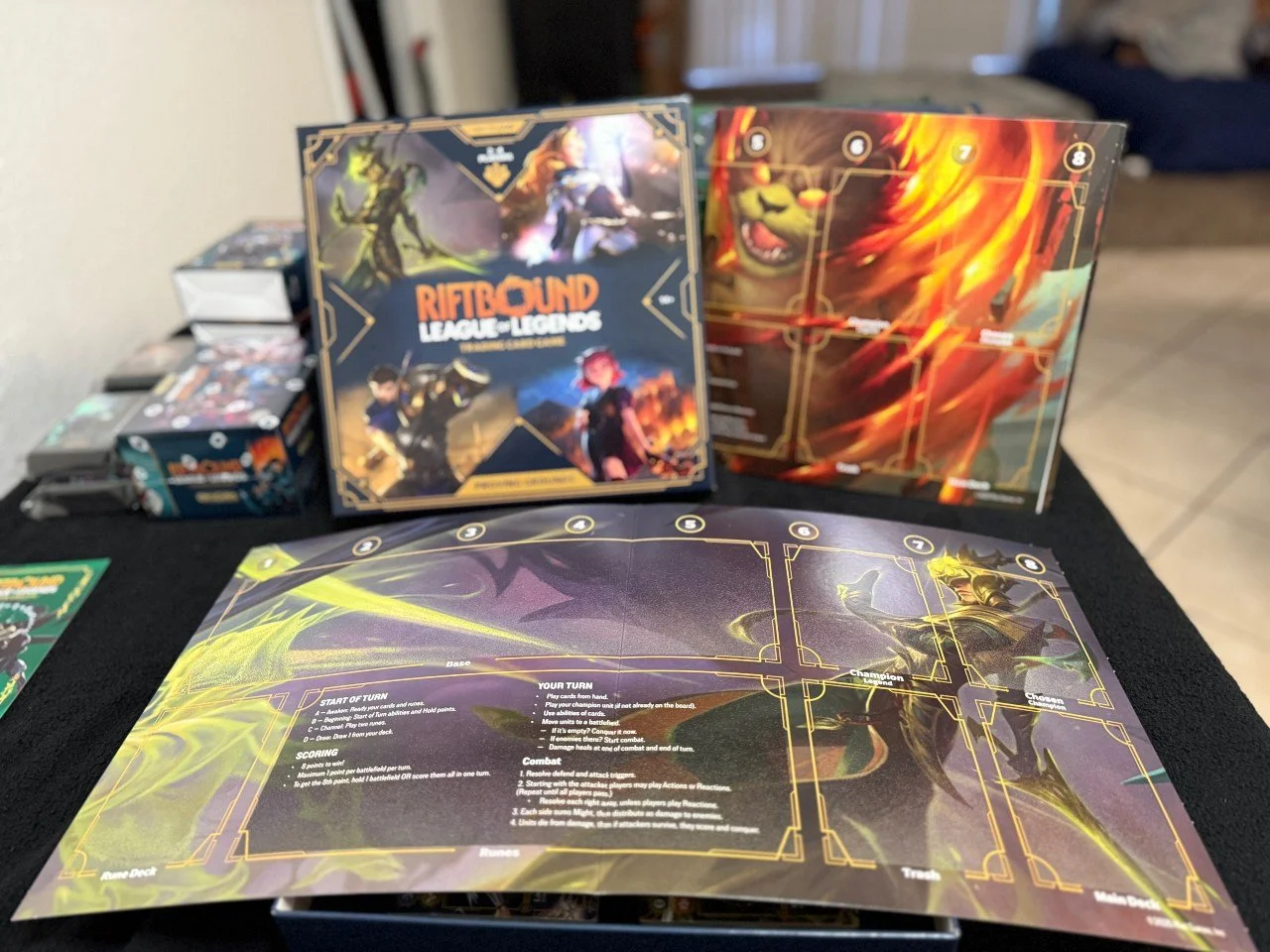
The Proving Grounds Box is designed as a perfect entry point for newcomers to Riftbound or TCGs in general. It includes four preconstructed decks themed around Lux, Garen, Annie, and Master Yi, each showcasing the core gameplay without overwhelming players with complex mechanics like Hidden Abilities or recycled runes.
The Proving Grounds decks are intentionally simple, acting as a guided tutorial in a box. They even come with paper playmats, score minis, and oversized battlefields—a board game–like presentation that makes setup quick and approachable.
Now, don’t expect the exclusive cards in these decks to dominate competitive play—they’re designed for learning, not meta-breaking. Still, the decks are surprisingly fun and balanced against each other. If you’re new to TCGs or simply love League of Legends and want to learn, this is absolutely the product to start with.
Champion Decks
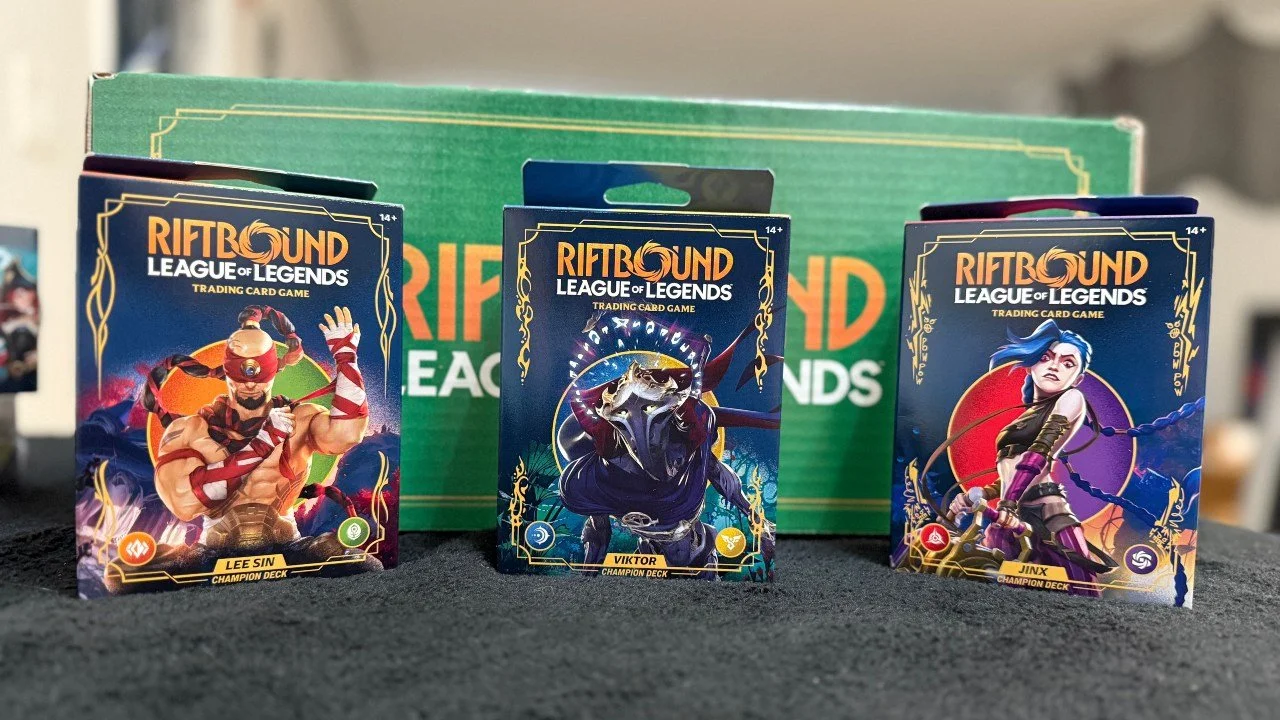
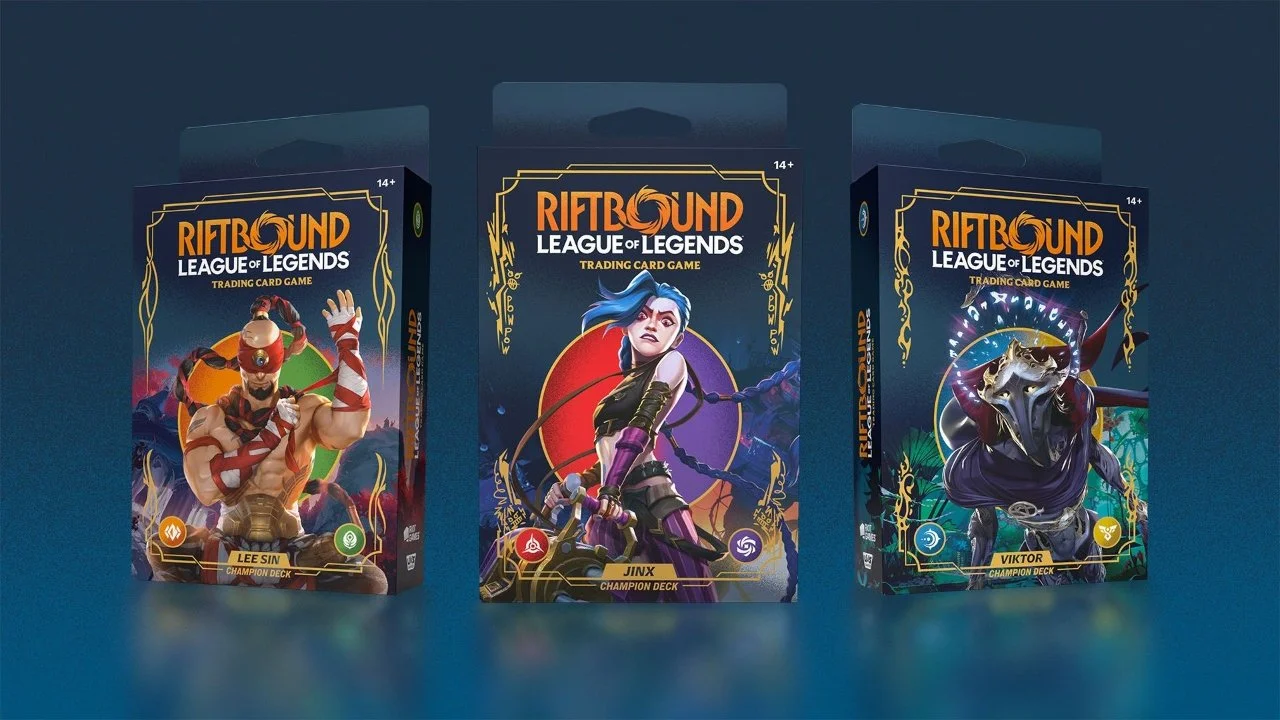
For players with a bit more experience, the Champion Decks are where you’ll want to begin. Available at release events, these decks feature Jinx, Lee Sin, and Viktor. They’re designed to be upgradable foundations rather than final products—giving you a solid place to start as you build your custom decks.
After opening an entire booster box myself, I quickly realized that rune cards are a bit scarce. You’ll likely need at least one Champion Deck to jump in. Ideally, grab all three if you can—they collectively cover all six rune colors, giving you the flexibility to mix, match, and experiment with your builds.
Each Champion Deck includes:
A ready-to-play deck
A strategy guide with upgrade suggestions
A paper playmat
One booster pack
My recommendation? For Origins, pick up all three Champion Decks. Once future sets drop, you can then focus on building around the specific Legends you love.
Accessories
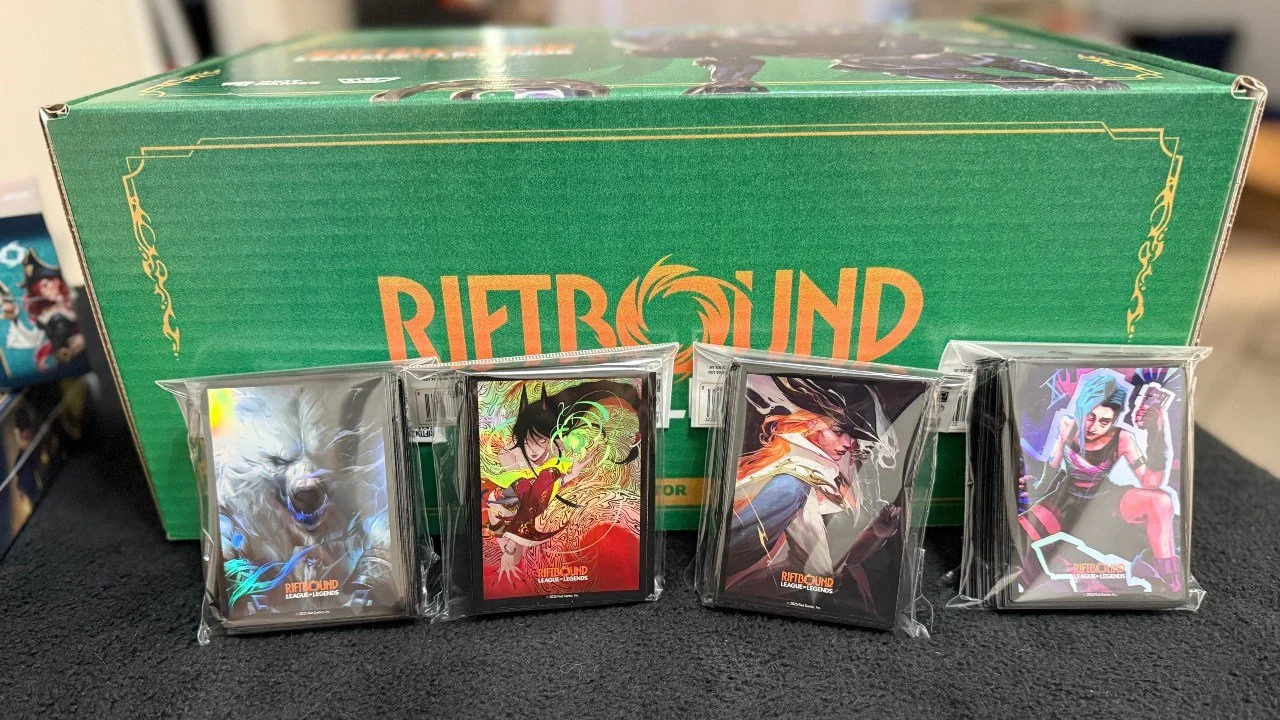
Riftbound: Origins also launched with a set of themed card sleeves and playmats, and they’re gorgeous. I managed to snag all four sleeve designs—they’re foiled, glossy, and easily among the nicest themed sleeves I’ve ever seen.
The only downside is that they’re glossy rather than matte, which might be a dealbreaker for some players. Personally, I’d love to see more sleeve designs featuring every available Legend—hopefully Riot rolls those out in waves later on.
The Legends of Riftbound: Origins
The first set introduces 15 playable Legends:
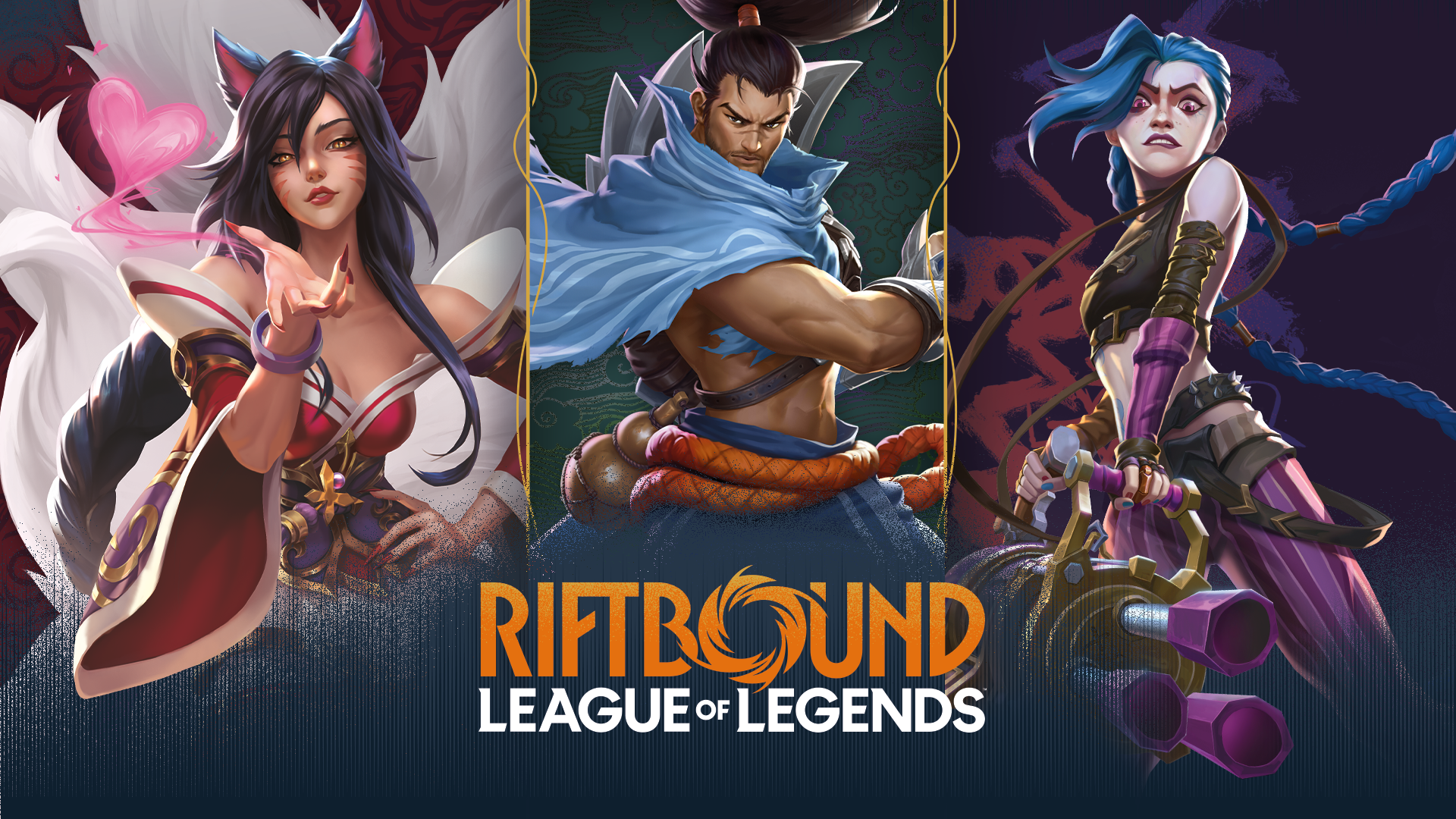
Kai’Sa, Master Yi, Annie, Garen, Lux, Sett, Viktor, Ahri, Teemo, Miss Fortune, Darius, Jinx, Yasuo, Leona, and Volibear.
It’s a strong and diverse lineup that feels carefully curated. While I initially expected more Arcane representation, only Jinx and Viktor made the cut—two champions that would’ve likely been included regardless.
For competitive deckbuilding, the three strongest Legends right now appear to be Kai’Sa, Sett, and Viktor. Overall, it’s a solid start for the series, and I’m already eager to see which Legends join in Set 2. (Still holding out hope for Shyvana!)
Riftbound: Origins Pull Rates
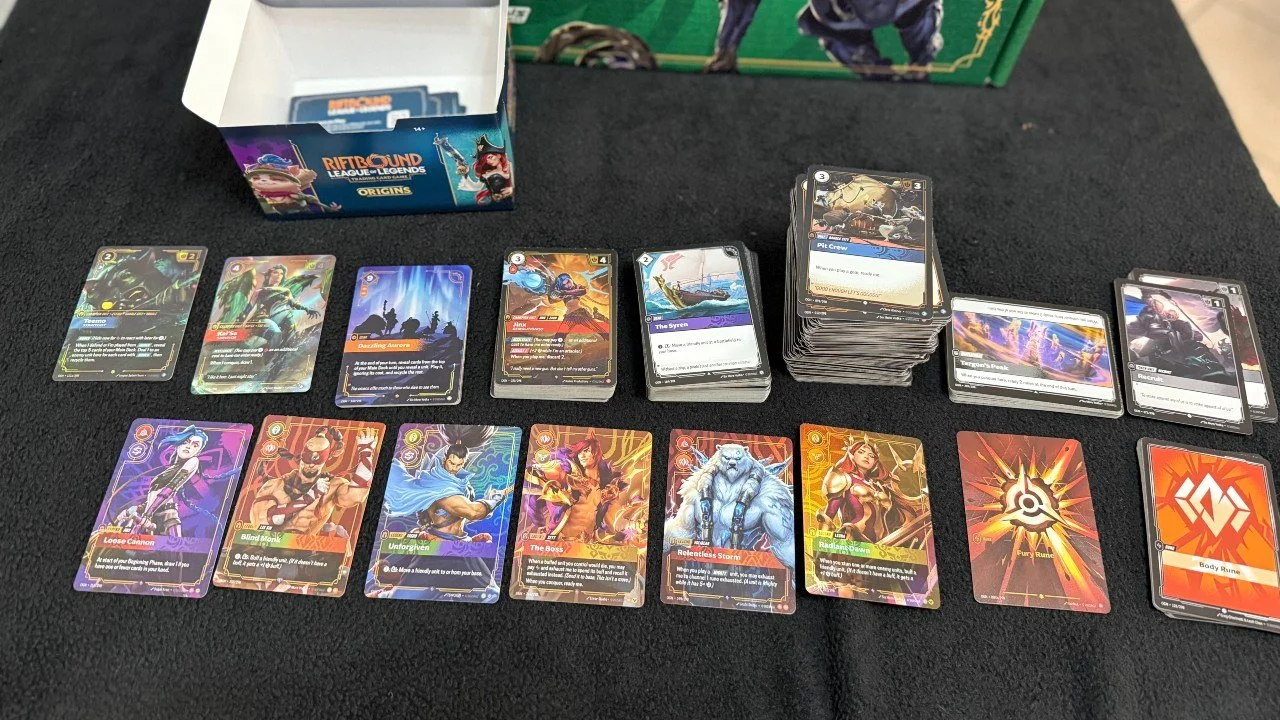
Let’s talk about pull rates, because opening booster packs is half the fun (and sometimes, half the heartbreak).
Each booster box guarantees two Showcase rarity cards (I pulled Teemo and Kai’Sa), which are those premium, full-art beauties everyone’s chasing. And if one of those happens to be a signature-stamped Showcase Legend, congratulations—you’ve just pulled one of the rarest hits in the set. Lucky you... I’m only a little jealous.
Riftbound’s rarity breakdown is pretty straightforward with five rarities: Common, Uncommon, Rare, Epic, and Showcase.
Here’s how it typically shakes out per pack:
7 Commons – Perfect for deckbuilding, since this is set one and you’ll need those staples.
3 Uncommons – Plus one Battlefield card, which shares this rarity to keep battlefields accessible for play rather than just collection.
2 Rares – With a chance for one of these to be upgraded to a higher rarity. This actually happens fairly often, so it doesn’t feel impossible to snag something special.
Epic cards – Appear about 1 in every 4 packs on average, though if you’re cracking a full booster box, your odds are a little better than that.
Showcase cards – Guaranteed 2 per box, with about 1 in 10 Showcase cards being a signature-stamped variant.
There are also Alternate Art Runes, which seem to be ultra-rare. From what I’ve seen (and experienced), you’re likely to pull one per booster box at most.
Runes in general, though, feel a bit too scarce—I actually pulled more token cards than runes, which can make early deck construction a bit frustrating.
Here’s the general feel of the rarity balance:
Commons fill out your core and keep your deck consistent.
Uncommons introduce synergy pieces and flavor for specific playstyles.
Rares are where you’ll find the core Legend and Champion cards, the ones that define decks.
Epics are the real heavy hitters—upgraded Champion units and their signature spells.
Overall, I think the pull rates lean in your favor. You’re consistently getting value from each pack, but if you’re hunting for specific cards or trying to complete a deck fast, I still recommend buying singles to save yourself the grind.
Feedback
Riftbound was easily my most anticipated TCG release of the year. While other sets like Magic: The Gathering’s latest expansions or Disney Lorcana’s reprints have been great, Riftbound had my full attention—and for the most part, it delivered.
That said, there have been a few hiccups. Some players have reported minor production issues, like cards with frayed edges due to uneven cuts. Fortunately, this hasn’t happened with my cards, and it doesn’t appear to be widespread—but if you encounter it, definitely contact UVS Games for support.
My biggest suggestion for Riot moving forward would be the addition of a starter deckbuilding set—something like a Rune Box or Toolkit that includes runes, battlegrounds, staple commons, and maybe a couple of random Legends. It would help bridge the gap between precons and competitive deckbuilding, making the entry process smoother.
Final Thoughts
Riftbound: Origins is an impressive debut that confidently plants Riot Games’ flag in the TCG world. It’s approachable, strategic, and deeply flavorful, with enough depth to satisfy veterans and enough structure to welcome beginners.
Despite a few minor issues, the foundation here is rock solid. If Riot continues on this path—balancing accessible products like Proving Grounds with deeper competitive options—Riftbound could easily become the next big name in trading card games. A strong and exciting start for Riot’s first TCG—beautifully made, well-structured, and full of promise.
My final words, if you love League of Legends, give this a shot. If you love TCGs, give this a shot. It’s fun, it’s easy to understand, but there’s a lot to master, exactly how a TCG should be.