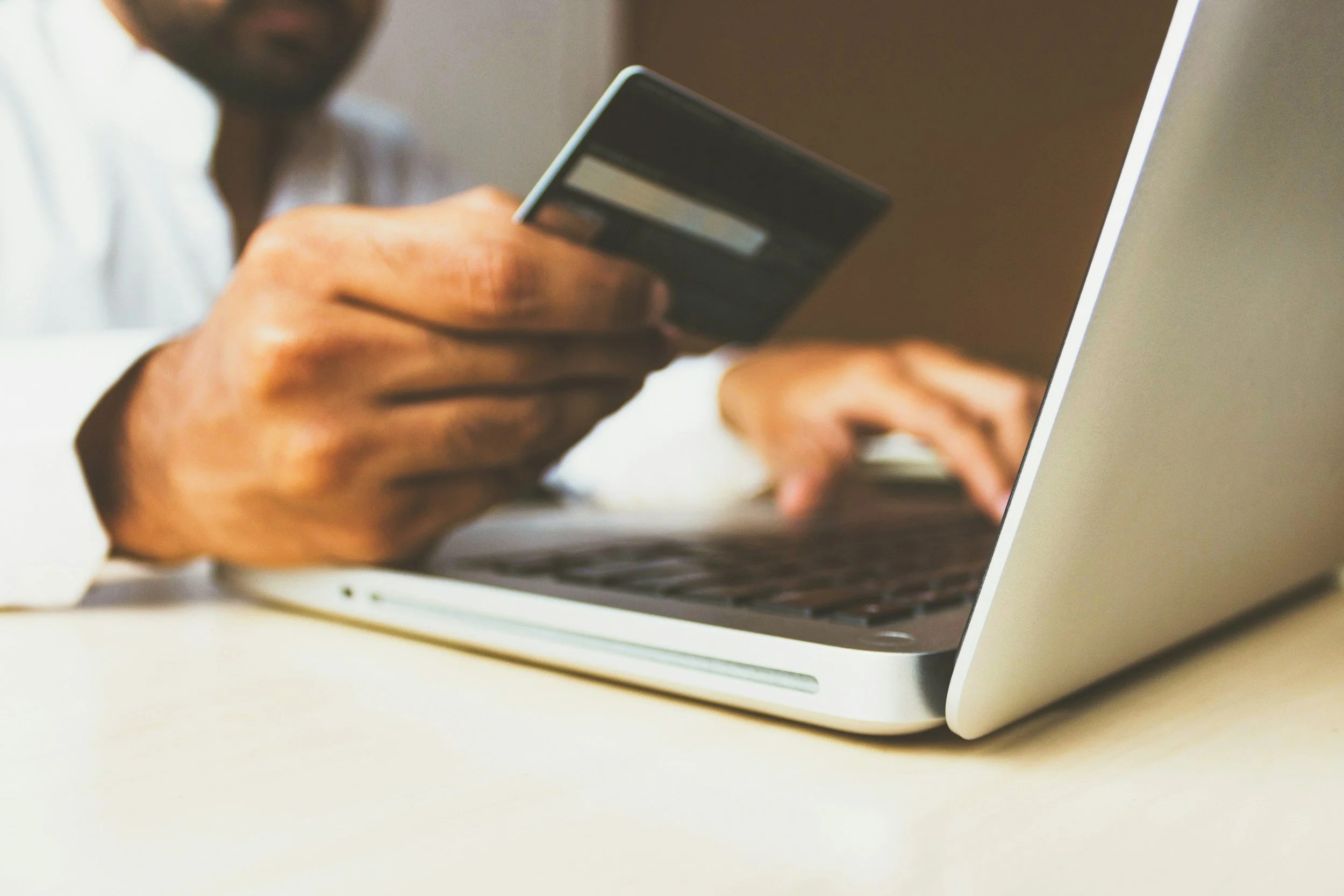
The modern internet operates on a fundamental truth: if you make it difficult for people to give you money, they simply won't. In the early days of e-commerce, purchasing a product or service online was an exercise in patience. Consumers had to navigate clunky checkout forms, manually enter 16-digit card numbers, input billing addresses, and pray that the connection wouldn't time out mid-transaction.
Today, the digital landscape looks entirely different. Seamless, one-click transactions have become the standard, largely driven by the evolution of digital wallets. Among these, PayPal remains a dominant force. By acting as a secure intermediary between consumers, merchants, and banking institutions, PayPal has transformed how digital platforms approach user experience (UX) and transaction security.
Let’s explore how various digital platforms integrate PayPal to remove friction, build user trust, and streamline global transactions.
The Mechanics of Frictionless Checkout
Friction is the enemy of conversion. Every additional step, form field, or security prompt in a checkout flow is an opportunity for a user to reconsider their purchase and abandon their cart. Digital platforms use PayPal primarily to eliminate this friction through several core mechanisms.
1. One-Touch Payments
With features like PayPal One Touch, users can opt to stay logged in on a specific device or browser. When they reach a partner platform's checkout page, they don't even need to type in their username and password—let alone their financial details. A single click authorizes the payment, reducing the checkout process from minutes to seconds.
2. Tokenization and Data Minimization
When a user pays via PayPal, the merchant never actually sees or stores the customer's credit card number or bank details. Instead, PayPal uses a process called tokenization. It sends a secure, one-time digital token to the platform to authorize the transaction. For digital platforms, this is a massive win. It drastically reduces their compliance burden under the Payment Card Industry Data Security Standard (PCI DSS) because they aren't hosting sensitive financial data that could be targeted by hackers.
How Diverse Industries Leverage PayPal's Infrastructure
PayPal is not a one-size-fits-all solution; its versatility allows vastly different industries to customize how they handle payments. From retail giants to gig economy platforms, the integration serves distinct operational needs.
E-Commerce and Retail
For retail websites, cart abandonment is a constant challenge. By integrating PayPal, e-commerce platforms cater to a massive, pre-existing user base that prefers not to share card details with unfamiliar brands. The inclusion of "Buy Now, Pay Later" (BNPL) options directly within the PayPal interface also allows merchants to offer flexible financing without taking on the credit risk themselves.
The Gig Economy and Freelance Marketplaces
Platforms like Upwork, Fiverr, and global sourcing networks rely heavily on PayPal for two-way transactions. Not only do clients need to pay for services, but the platform also must distribute earnings to freelancers spread across hundreds of countries. PayPal’s Mass Payments API allows these marketplaces to send hundreds of payouts simultaneously, converting currencies automatically and saving freelancers from the exorbitant fees associated with international wire transfers.
Digital Entertainment and Interactive Platforms
The entertainment sector, where microtransactions and instant access are vital, relies heavily on instantaneous payment processing. Digital entertainment platforms, ranging from subscription video services to online gaming hubs like a casino with paypal, rely on this integration to offer users instant deposit and payment options without exposing sensitive card details. This speed ensures that users can access premium features or digital goods immediately, maintaining a continuous and engaging user experience.
SaaS and Subscription Services
Software-as-a-Service (SaaS) businesses thrive on recurring revenue. PayPal's reference transactions and subscription billing APIs allow these platforms to set up automated, recurring monthly or annual billing. If a user’s primary card on file expires, PayPal can often automatically update the billing details behind the scenes through its updater services, preventing involuntary churn for the subscription platform.
Comparing Online Payment Solutions
To understand why so many platforms prioritize PayPal integration alongside standard credit card processors, it is helpful to compare how these payment methods stack up against each other across key performance indicators.
| Feature | PayPal Integration | Direct Credit Card Processing | Traditional Bank Transfers |
|---|---|---|---|
| Transaction Speed | Instant | Instant | 2–5 Business Days |
| User Friction | Extremely Low (One-click) | Medium (Requires card input) | High (Requires routing details) |
| Merchant Security Burden | Low (PCI compliance handled) | High (Requires robust encryption) | Medium |
| Global Reach | High (Supports 200+ markets) | Medium (Subject to local card rules) | Low (Cross-border is complex) |
| Chargeback Protection | Strong (Seller Protection program) | Dependent on card network | None |
Behind the Scenes: The Developer-Friendly Ecosystem
Digital platforms don’t just adopt payment methods because consumers like them; the ease of technical integration plays a massive role. PayPal has spent years refining its developer ecosystem, making it highly attractive to engineering teams.
Robust REST APIs: PayPal provides clean, well-documented RESTful APIs that allow developers to integrate payment buttons, set up recurring billing, or handle complex marketplace payouts with minimal code.
SDKs and Smart Buttons: Developers can use pre-built Software Development Kits (SDKs) and customizable "Smart Payment Buttons" that automatically adapt to the user's location, currency, and device, displaying local payment methods (like Venmo in the US or iDEAL in the Netherlands) alongside PayPal.
Sandbox Testing Environments: Before going live, developers can thoroughly test transactions, refunds, disputes, and subscription cycles in a simulated environment, ensuring that the user experience is flawless before any real money changes hands.
Trust as a Currency
Beyond the code and the speed of transactions, the biggest asset PayPal brings to any digital platform is trust.
For a startup or a niche online storefront, establishing credibility with a new customer is a steep hill to climb. When a consumer arrives at an unfamiliar website, they are naturally hesitant to type in their credit card information. However, the presence of a recognized, trusted checkout button instantly transfers some of that established trust to the merchant.
PayPal's Buyer Protection program guarantees that if an item doesn't arrive or doesn't match the description, the consumer can get their money back. Knowing they have this safety net makes users far more willing to try out new platforms, buy from independent creators, and engage with global digital services they might have otherwise avoided.
As the digital economy continues to expand and diversify, the platforms that prioritize seamless, secure, and user-centric checkout experiences will inevitably lead the market. By leveraging PayPal’s robust infrastructure, companies can focus on what they do best—building great products and services—while leaving the complexities of global payment processing to a trusted industry pioneer.