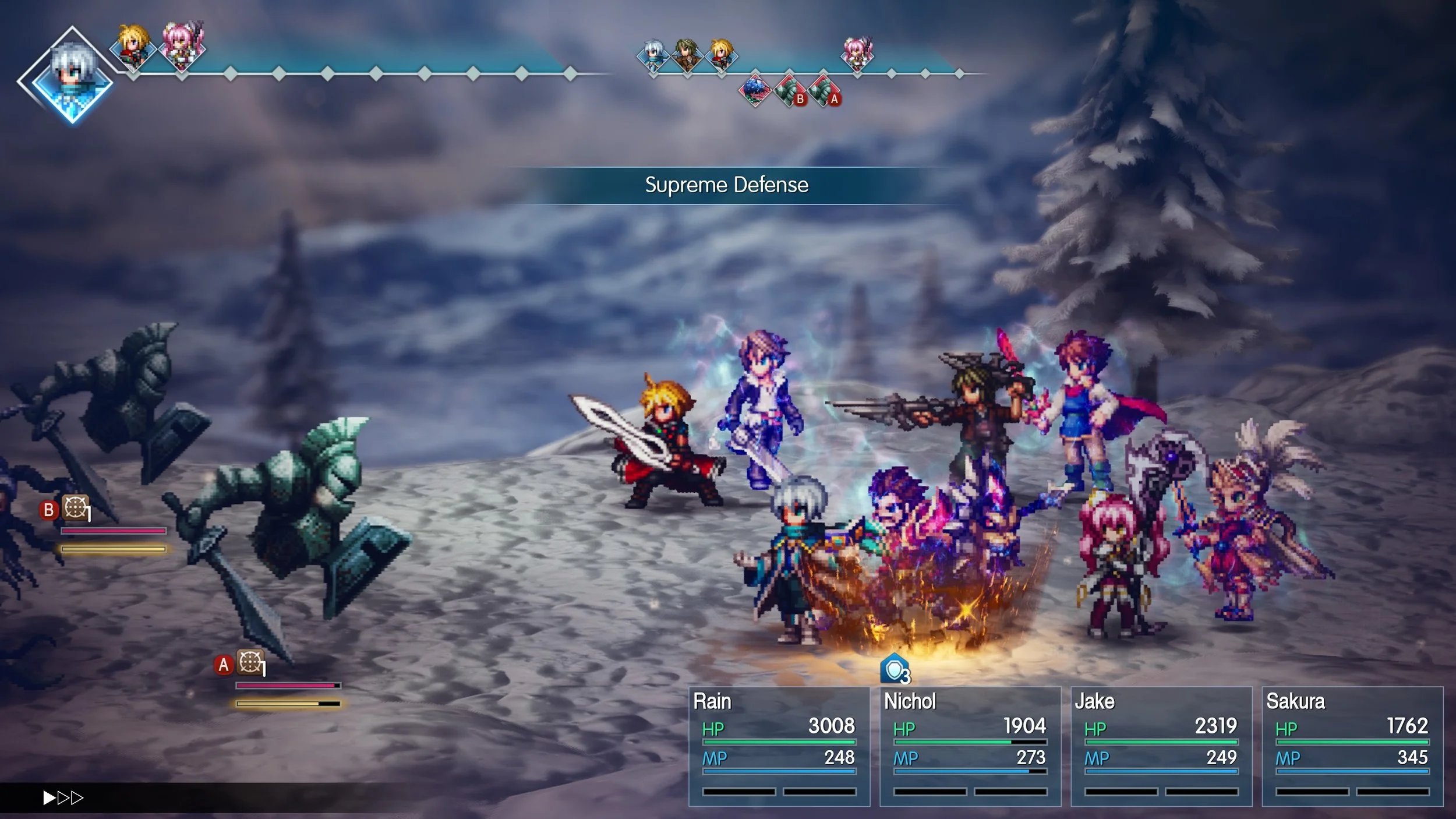
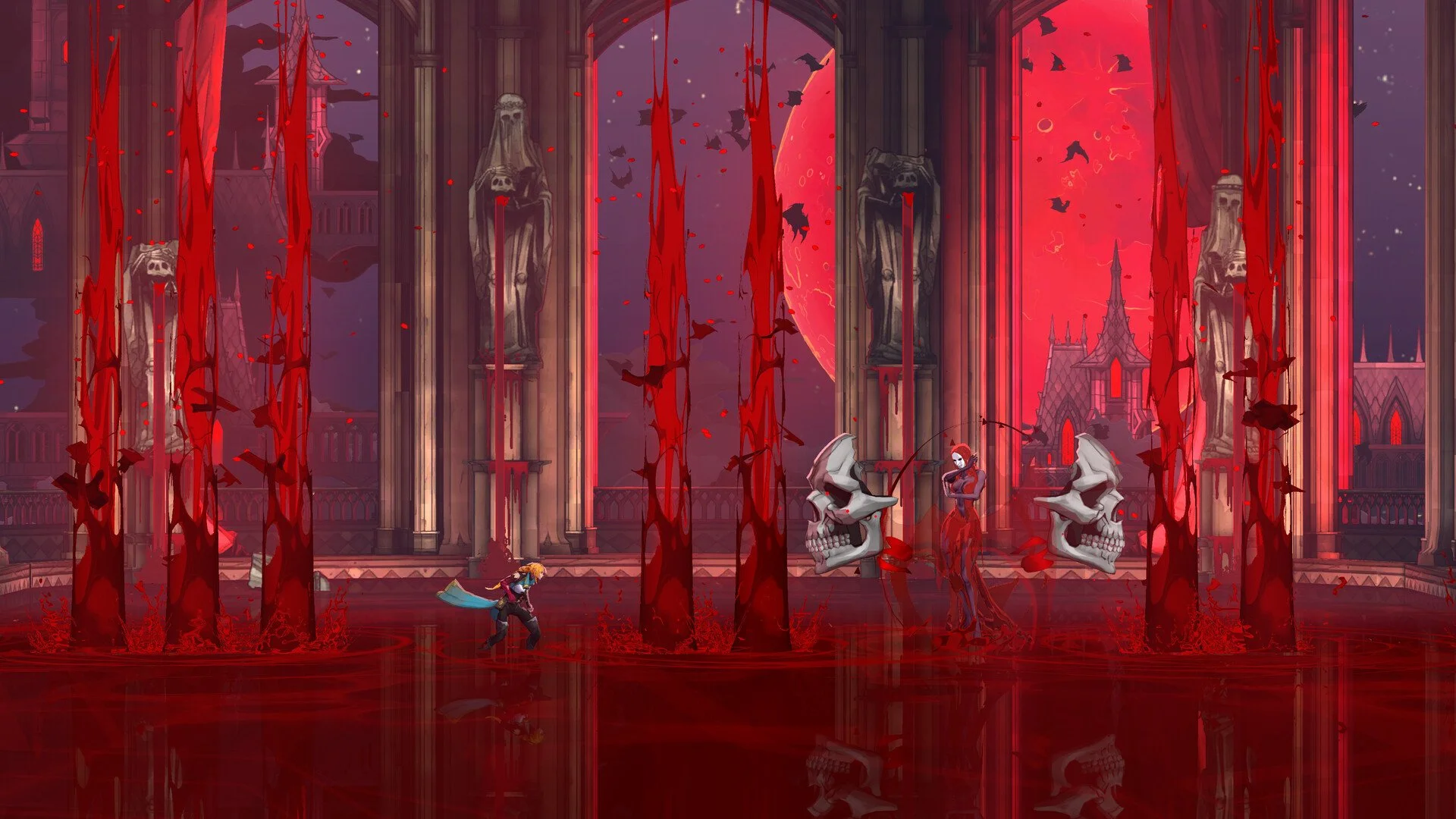
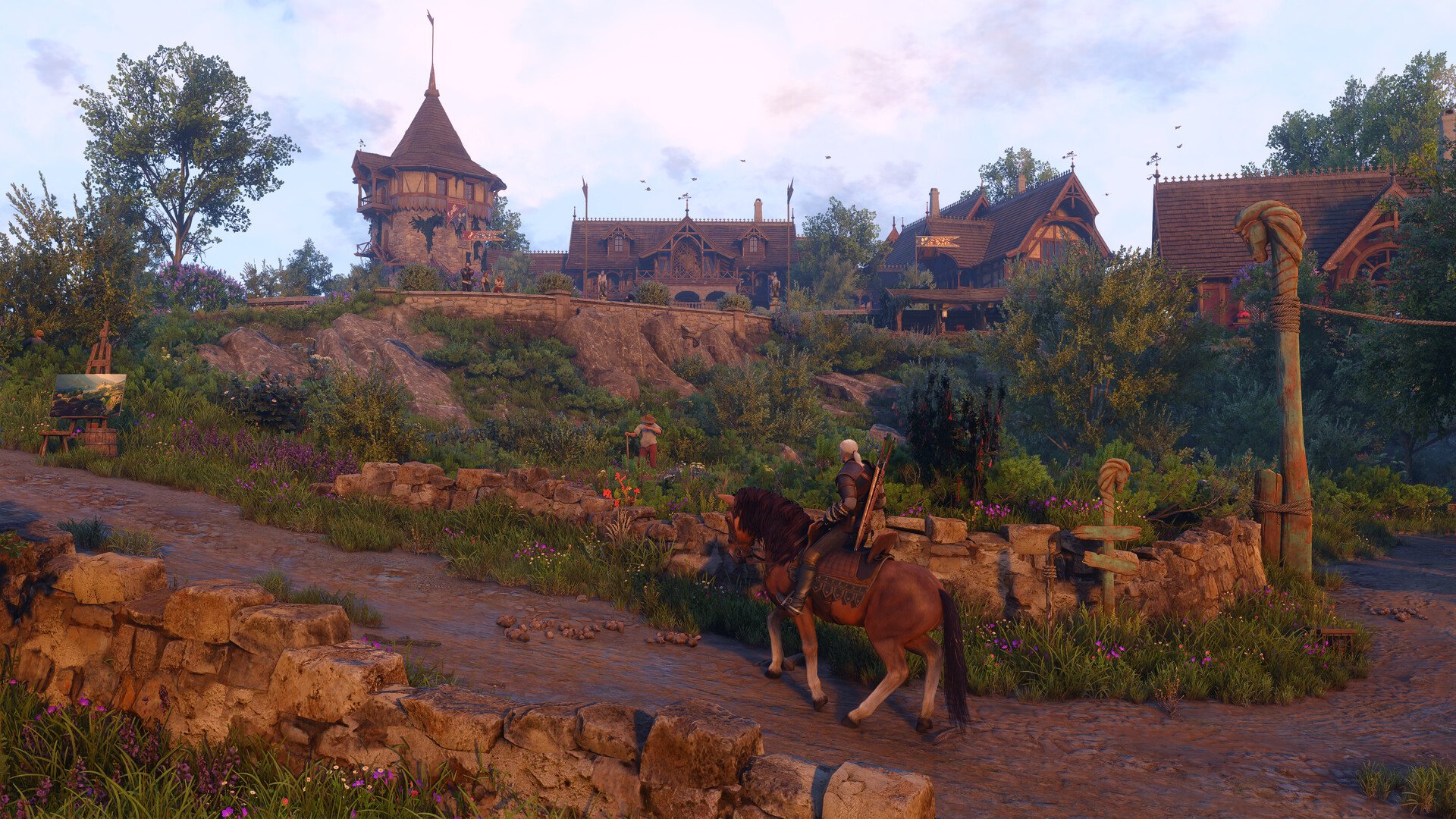
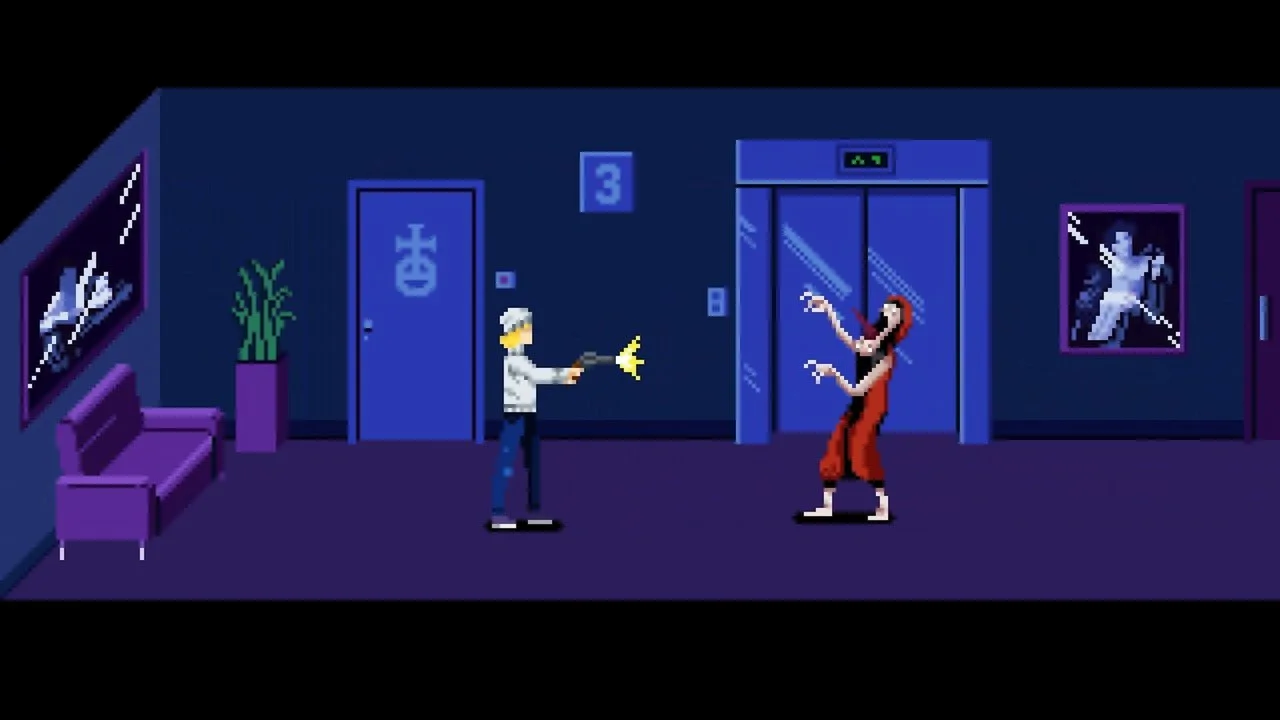
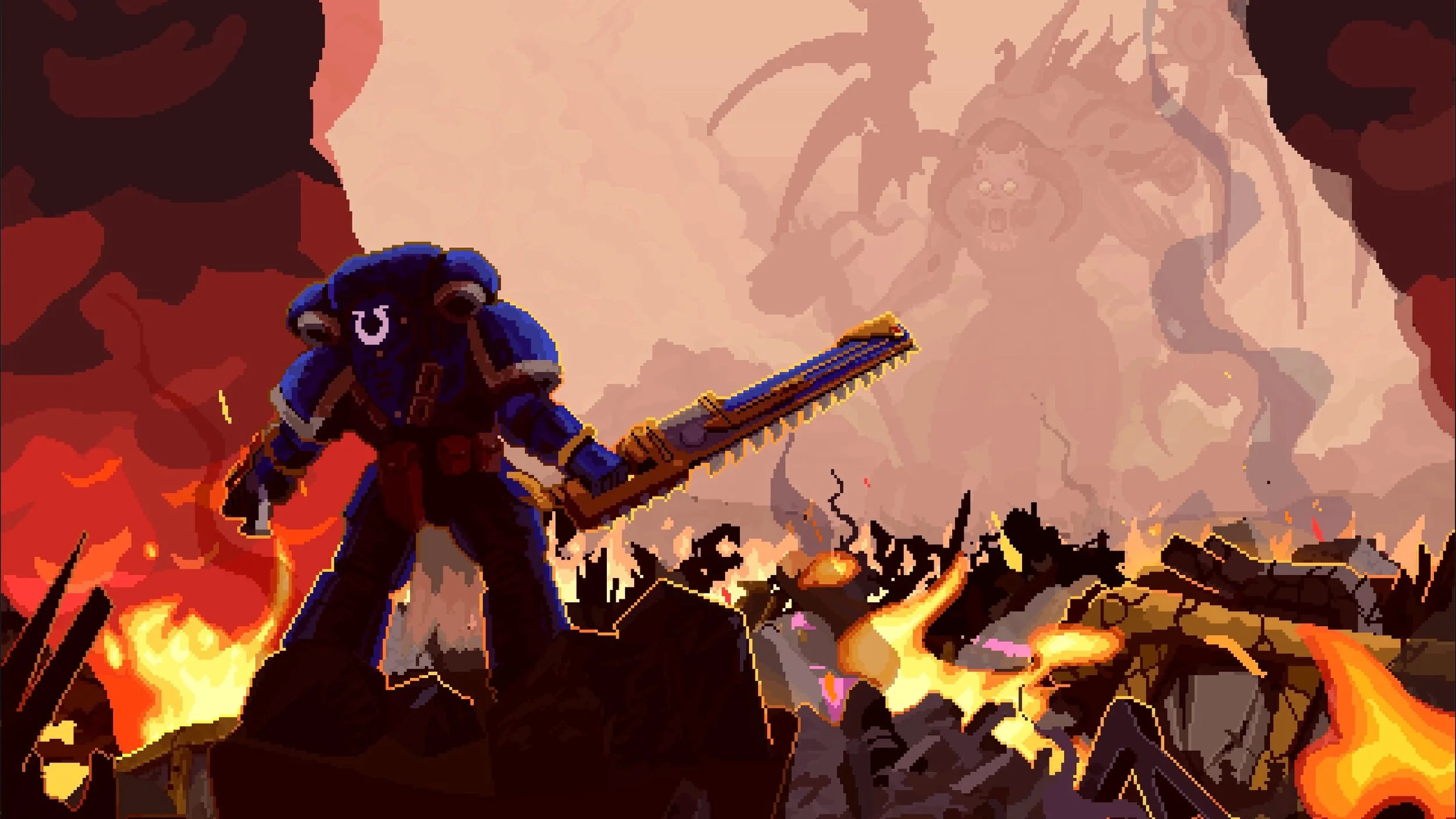
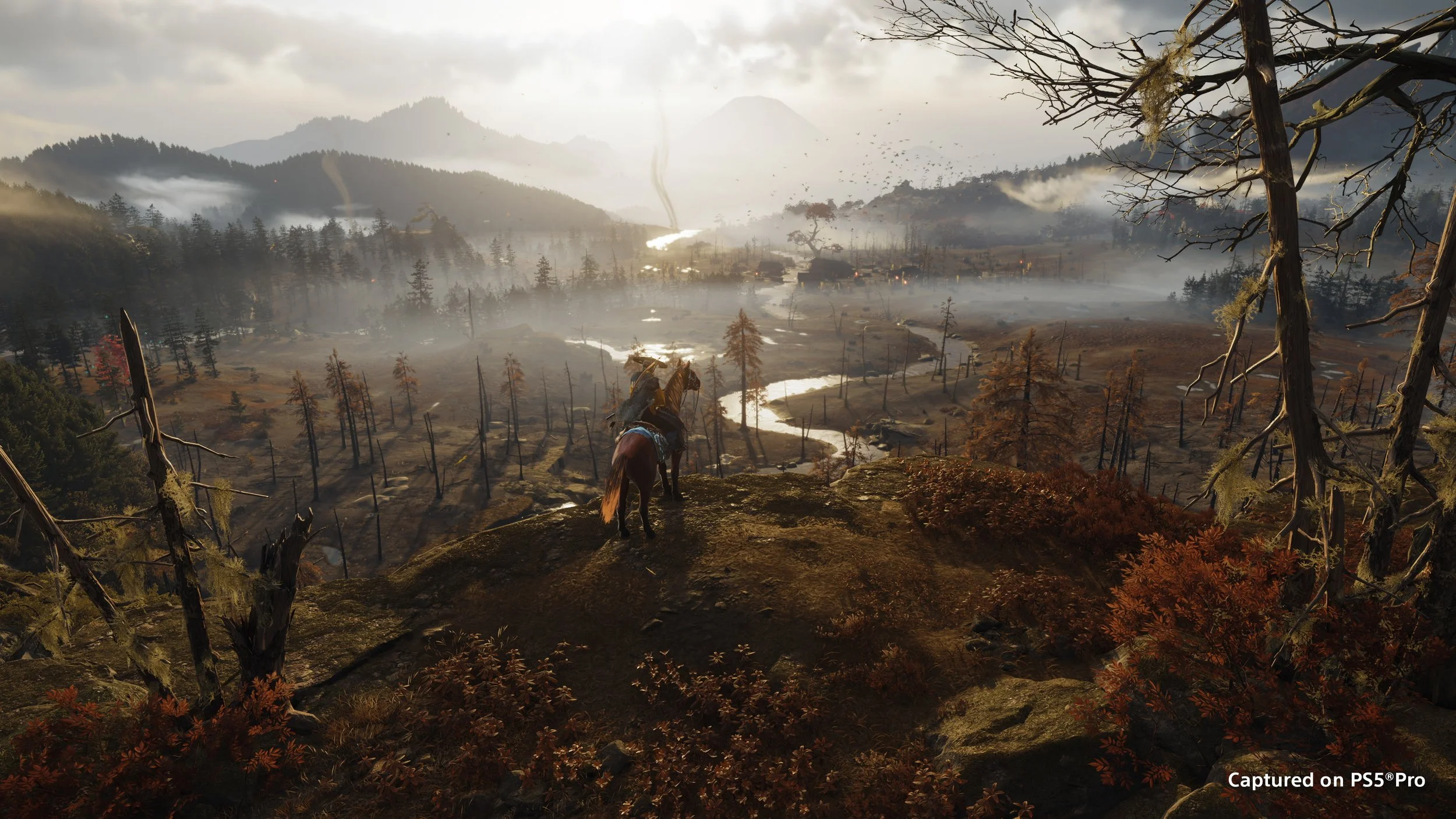
When many of us first walked into a brick‑and‑mortar casino, the glittering slot machines looked like relics from a bygone era. The towering reels spun with a mechanical whir that was more retro arcade than next‑gen entertainment. Fast forward to today, and it feels like we're stepping onto a virtual soundstage where the line between gambling and gaming has practically vanished.
If you’ve ever Pondered why your favourite online slots now feel like they belong in the same universe as the latest AAA titles, you’re not alone. Here, we will explain how modern casino design has quietly (or not so quietly in some cases) lifted the playbook straight from the world of high budget video games. From loot box mechanics to cinematic productions that rival Hollywood, the convergence is real and it’s reshaping the very soul of iGaming.
The Rise of Skill‑Based Mini‑Games
Operators are embedding short, repeatable gameplay loops that test timing, strategy, or even pattern recognition. Traditional slots were pure chance. You pressed a button, the reels spun, and the outcome was predetermined by a random number generator (RNG). With skill‑based components, the player’s actions can actually influence the result, giving a sense of agency that modern gamers have come to expect.
ExampleWorth Mentioning
Battle Spin (by Evolution Gaming) – A shoot‑’em‑up overlay where you fire at incoming targets while the reels spin. Each hit boosts multipliers, turning a standard payout into a mini‑boss battle.
Treasre Trail (by NetEnt) – A puzzle‑solving interlude where you rearrange symbols to unlock hidden bonus reels. Think of it as Portal meets Mega Moolah.
These experiences are not just gimmicks; they’re built on the same design principles that power successful AAA titles such as Star Wars or GTA that have clear objectives, instant feedback, and escalating challenges that keep players coming back.
The Evolution of Random Rewards
There’s no escaping the fact that the video game industry popularized loot boxes which are those enticing, purchasable containers that promise random cosmetic or functional items. While the term “loot box” carries a controversial baggage in the gaming world (regulatory scrutiny, “pay‑to‑win” accusations, etc.), casino designers have adopted a sanitized, legally permissible sibling called the Mystery Chest.
On https://igamingnuts.com/uk/ you’ll find dozens of slots that replace the bland “free spin” label with a “Treasure Chest” or “Reward Crate.” The mechanics are identical:
Randomization – Behind the scenes, an RNG determines the chest’s contents.
Tiered Rewards – From modest cash prizes to high value multipliers, rare items feel like legendary skins.
Progression – Some games let you collect keys or tokens to upgrade your chances, echoing the gacha systems in titles like Genshin Impact.
The thrill of not knowing what you’ll get is an inherently human driver. Video games harness it with flashy animations and “instant win” sound effects. Casinos have upped the ante with cinematic reveals that have swirling particles, dramatic lighting, and a crescendo of music that spikes dopamine just as much as a boss drop in Destiny 2.
One of our favorite examples is Pharaoh’s Fortune which is a slot that, after each winning spin, opens a golden sarcophagus. The opening sequence is a mini cutscene, complete with hieroglyphs lighting up and a voice over whispering, “You have been blessed by the gods.” The reward? It could be a modest multiplier, or it could be a mega jackpot that triggers an entire arena‑style celebration with fireworks. The emotional payoff feels, frankly, more like an epic loot drop than a standard casino payout.
Cinematic Production Values: Closing the Gap
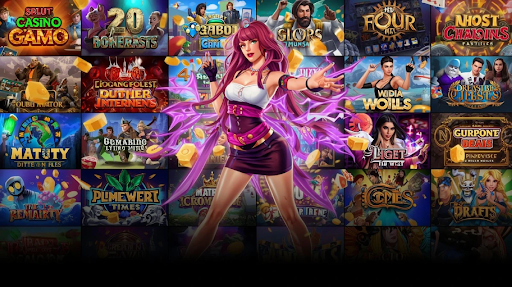
If you compare a 2010 slot like Mega Moolah to a current flagship title on iGamingNuts, the difference is night and day. Back then, most reels relied on static 2D art and simple animations. Today, developers are leveraging engines such as Unreal Engine 5 and Unity HDRP to craft hyper-realistic worlds.
Take Neon Noir which is a cyber‑punk slot with dynamic lighting, with rain‑slick streets, and a soundtrack composed by a Grammy winning electronic musician. The reel symbols aren’t static icons; they’re 3D models that rotate, reflect light, and even react to the player’s actions in the skill‑based mini‑games. The level of detail rivals a AAA open‑world title.
Storytelling & Narrative Arcs
Another trend borrowed from modern gaming is episodic storytelling. Slots now come with plotlines that unfold over dozens of spins. Great examples include:
Chronicles of Avalon – A medieval fantasy slot where each set of 20 spins advances a chapter in a knight’s quest. Players unlock cutscenes that reveal new characters and hidden bonus locations.
Spaceward Venture – A sci‑fi adventure where each successful “warp” (a special feature trigger) unlocks a new planetary environment, complete with voice‑acted dialogues.
These narratives give players a sense of progression beyond merely chasing a jackpot. The emotional hook of “what happens next?” is classic game design, now translated into the gambling space.
Audio Design That Hits the Sweet Spot
High quality sound design has long been a hallmark of AAA games, and it’s finally taking root in casino slots. Surround‑sound mixes, reactive music that swells with every win, and even adaptive soundscapes that change based on the player’s performance in skill‑based sections are now standard. On slots nowadays you can hear the subtle difference between the clink of a coin becoming a resonant chime, the spin reel roar transforms into a low‑frequency rumble that builds anticipation.
Why This Convergence Matters – For Players and Operators Alike
From a player’s perspective, the fusion of casino mechanics with AAA design creates a more immersive experience. The days of mindlessly pressing “spin” are fading, replaced by sessions where you might:
Strategize – Choose which skill‑based mini‑game to activate based on your strengths.
Collect – Keep track of rare “artifact” symbols that unlock exclusive bonuses.
Narrate – Follow a storyline that rewards you for consistent play, not just big bets.
The result? Longer session times, higher satisfaction, and a stronger emotional connection to the brand, which is exactly what operators want.
Because many skill‑based features give the illusion (or genuine influence) of agency, some jurisdictions are beginning to treat certain casino games more like “games of skill” than pure chance. This can open doors to markets where traditional gambling is heavily restricted. While the legal landscape is still evolving, the convergence offers operators a strategic foothold.
The loot‑box‑style “Mystery Chest” mechanic creates natural upsell pathways. Players can purchase “key packs” or “boosters” to increase their odds of high tier rewards, just as gamers buy “loot box keys” in Overwatch or Fortnite. This micro‑transaction model dovetails nicely with existing casino payment structures, enabling a seamless revenue stream.
Looking Ahead – What’s Next on the Horizon?
The convergence is still in its early chapters. Here are a few trends we're keeping an eye on:
Full‑Blown VR Casinos – Imagine stepping into a virtual pachinko hall where each win triggers an immersive cutscene you can look around in 360°.
AI‑Driven Personalisation – Real time analytics that adapt the difficulty of skill‑based mini‑games to each player’s skill level, much like Dynamic Difficulty Adjustment in modern AAA titles.
Cross‑Platform Play – Integrated experiences where you can start a slot quest on mobile, continue it on console, and finish on desktop, with your progress synced across devices.
If these predictions hold true, the next few years will see iGaming not just borrowing from video games, but co‑creating with them. Studios known for blockbuster titles may partner with gambling operators to produce co‑branded experiences, blurring the very definition of “game” itself.
When we first stepped onto a casino floor, we never imagined we'd be comparing reel symbols to loot boxes or cheering for a bonus round like we would for a boss battle in The Legend of Zelda. Yet, that’s exactly where we are today. Modern casino design has taken the most compelling elements of AAA video games (skill‑based challenges, loot‑box dynamics, cinematic production values) and woven them into the fabric of gambling.
The result is a richer, more interactive, and emotionally resonant experience that keeps players coming back, not just for the chance of a jackpot, but for the thrill of the game itself.